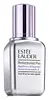
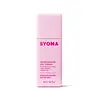
Estée Lauder Perfectionist Pro Rapid Firm + Lift Treatment with Acetyl Hexapeptide-8 Versus BYOMA Moisturizing Gel-Cream
This anti-aging serum is formulated around Acetyl Glucosamine and Acetyl Hexapeptide-8 to soften the look of wrinkles.
This barrier-repair moisturizer is formulated around Niacinamide and Ceramide NP to strengthen the skin barrier and hydrate skin.


What's inside
What's inside
 Key Ingredients
Benefits
Concerns
Ingredients Side-by-side
Water
Skin ConditioningDimethicone
Emollient

Butylene Glycol
Humectant

Caprylic/Capric Triglyceride
Masking
Glycerin
Humectant
Bis-PEG-18 Methyl Ether Dimethyl Silane
EmollientPolysorbate 20
Emulsifying

Lauryl PEG-9 Polydimethylsiloxyethyl Dimethicone
Skin Conditioning
Polysilicone-11

Mangifera Indica Seed Butter
Skin Conditioning
Phoenix Dactylifera Fruit Extract
EmollientPisum Sativum Extract
Skin ConditioningCucumis Sativus Fruit Extract
Emollient

Crithmum Maritimum Extract
Skin ConditioningLaminaria Ochroleuca Extract
Skin Conditioning
Commiphora Mukul Resin Extract
Skin ConditioningTriticum Vulgare Germ Extract
Skin ConditioningBambusa Vulgaris Extract
Skin Conditioning
Chlorella Vulgaris Extract
Skin ConditioningLaminaria Saccharina Extract
Skin ProtectingBrassica Campestris Sterols
EmollientHelianthus Annuus Seed Extract
Skin Conditioning
Algae Extract
EmollientHypnea Musciformis Extract
Skin ProtectingSigesbeckia Orientalis Extract
Skin ConditioningNymphaea Alba Flower Extract
Skin ConditioningAcetyl Glucosamine
Skin Conditioning


Caffeine
Skin Conditioning
Gelidiella Acerosa Extract
Skin ProtectingCoffea Arabica Seed Extract
Masking
Sodium Hyaluronate
Humectant
Lactic Acid
Buffering




Propylene Glycol Dicaprate
EmollientSaccharide Isomerate
Humectant
Methyl Gluceth-20
Humectant
Ethylhexylglycerin
Skin ConditioningAcrylamide/Sodium Acryloyldimethyltaurate Copolymer
Emulsion StabilisingHelianthus Annuus Seedcake
Abrasive
Caprylyl Glycol
Emollient
Isohexadecane
EmollientTocopheryl Acetate
Antioxidant

Acrylates/C10-30 Alkyl Acrylate Crosspolymer
Emulsion StabilisingGlyceryl Polymethacrylate
Sodium Polyacrylate Starch
AbsorbentSqualane
Emollient
Sodium PCA
Humectant
Urea
Buffering
Zea Mays Kernel Extract
Whey Protein
Skin ConditioningPalmaria Palmata Extract
Skin ProtectingPolysorbate 80
Emulsifying
Acetyl Hexapeptide-8
Humectant
Triolein
Skin Conditioning
Hydrolyzed Rice Extract
Skin Conditioning
Linoleic Acid
Cleansing
Trehalose
Humectant
Glycine Soja Protein
EmulsifyingGlucosamine Hcl
Phospholipids
Skin Conditioning
Laminaria Digitata Extract
Skin Protecting
Hordeum Vulgare Extract
EmollientPolyquaternium-51
Skin Conditioning
Palmitoyl Hexapeptide-12
Skin Conditioning
Ergothioneine
Antioxidant
Aminopropyl Ascorbyl Phosphate
Antioxidant
PEG-8
HumectantPhytosteryl Canola Glycerides
Skin Conditioning
Pentylene Glycol
Skin Conditioning
Oleic Acid
Emollient

Palmitic Acid
Emollient
Xanthan Gum
EmulsifyingParfum
Masking

Sodium Hydroxide
BufferingCitric Acid
Buffering
Silica
Abrasive
Calcium Chloride
AstringentStearic Acid
Cleansing
Dipropylene Glycol
HumectantSodium Palmitoyl Proline
Skin ConditioningDisodium EDTA
BHT
Antioxidant
Potassium Sorbate
Preservative
Phenoxyethanol
Preservative
Mica
Cosmetic ColorantCI 77891
Cosmetic ColorantCI 77491
Cosmetic ColorantCI 77492
Cosmetic ColorantCI 77499
Cosmetic ColorantWater, Dimethicone, Butylene Glycol, Caprylic/Capric Triglyceride, Glycerin, Bis-PEG-18 Methyl Ether Dimethyl Silane, Polysorbate 20, Lauryl PEG-9 Polydimethylsiloxyethyl Dimethicone, Polysilicone-11, Mangifera Indica Seed Butter, Phoenix Dactylifera Fruit Extract, Pisum Sativum Extract, Cucumis Sativus Fruit Extract, Crithmum Maritimum Extract, Laminaria Ochroleuca Extract, Commiphora Mukul Resin Extract, Triticum Vulgare Germ Extract, Bambusa Vulgaris Extract, Chlorella Vulgaris Extract, Laminaria Saccharina Extract, Brassica Campestris Sterols, Helianthus Annuus Seed Extract, Algae Extract, Hypnea Musciformis Extract, Sigesbeckia Orientalis Extract, Nymphaea Alba Flower Extract, Acetyl Glucosamine, Caffeine, Gelidiella Acerosa Extract, Coffea Arabica Seed Extract, Sodium Hyaluronate, Lactic Acid, Propylene Glycol Dicaprate, Saccharide Isomerate, Methyl Gluceth-20, Ethylhexylglycerin, Acrylamide/Sodium Acryloyldimethyltaurate Copolymer, Helianthus Annuus Seedcake, Caprylyl Glycol, Isohexadecane, Tocopheryl Acetate, Acrylates/C10-30 Alkyl Acrylate Crosspolymer, Glyceryl Polymethacrylate, Sodium Polyacrylate Starch, Squalane, Sodium PCA, Urea, Zea Mays Kernel Extract, Whey Protein, Palmaria Palmata Extract, Polysorbate 80, Acetyl Hexapeptide-8, Triolein, Hydrolyzed Rice Extract, Linoleic Acid, Trehalose, Glycine Soja Protein, Glucosamine Hcl, Phospholipids, Laminaria Digitata Extract, Hordeum Vulgare Extract, Polyquaternium-51, Palmitoyl Hexapeptide-12, Ergothioneine, Aminopropyl Ascorbyl Phosphate, PEG-8, Phytosteryl Canola Glycerides, Pentylene Glycol, Oleic Acid, Palmitic Acid, Xanthan Gum, Parfum, Sodium Hydroxide, Citric Acid, Silica, Calcium Chloride, Stearic Acid, Dipropylene Glycol, Sodium Palmitoyl Proline, Disodium EDTA, BHT, Potassium Sorbate, Phenoxyethanol, Mica, CI 77891, CI 77491, CI 77492, CI 77499
Water
Skin ConditioningGlycerin
Humectant
Caprylic/Capric Triglyceride
Masking
Pentaerythrityl Tetraethylhexanoate
Emollient
Polyglyceryl-3 Methylglucose Distearate
Emulsifying
Niacinamide
Smoothing

Ceramide NP
Skin Conditioning
Cholesterol
Emollient
Phytosphingosine
Skin Conditioning
Camellia Sinensis Leaf Extract
Antimicrobial
Stearic Acid
Cleansing
Oleic Acid
Emollient
Lactic Acid
Buffering
Hydrogenated Lecithin
Emulsifying
Cetearyl Alcohol
Emollient
Panthenol
Skin Conditioning
Carbomer
Emulsion StabilisingXanthan Gum
EmulsifyingTromethamine
Buffering1,2-Hexanediol
Skin Conditioning
Caprylyl Glycol
Emollient
Hydroxyacetophenone
Antioxidant
Caprylhydroxamic Acid
Water, Glycerin, Caprylic/Capric Triglyceride, Pentaerythrityl Tetraethylhexanoate, Polyglyceryl-3 Methylglucose Distearate, Niacinamide, Ceramide NP, Cholesterol, Phytosphingosine, Camellia Sinensis Leaf Extract, Stearic Acid, Oleic Acid, Lactic Acid, Hydrogenated Lecithin, Cetearyl Alcohol, Panthenol, Carbomer, Xanthan Gum, Tromethamine, 1,2-Hexanediol, Caprylyl Glycol, Hydroxyacetophenone, Caprylhydroxamic Acid
Reviews
Ingredients Explained
These ingredients are found in both products.
Ingredients higher up in an ingredient list are typically present in a larger amount.
Caprylic/Capric Triglyceride (aka MCT Oil) is a lightweight emollient, solvent, and texture enhancer. It is considered a skin-softener by helping to prevent moisture loss.
Though it behaves like an oil, it is not technically one due to its chemical composition. One perk of this ingredient is that it is very stable, resistant to oxidation, and unlikely to go rancid.
In practice, that translates to a long shelf life and a consistently elegant skin feel.
While there is an assumption Caprylic Triglyceride can clog pores due to it being derived from coconut oil, there is no research supporting this. Just patch test if you have concerns.
Fractionated coconut oil and MCT Oil are both listed as Caprylic/Capric Triglyceride according to INCI. This is because INCI names are based on the ingredient’s final chemical composition and not its marketing name or source.
This ingredient is treated as the gold standard fungal acne safe oil. Even though it is coconut derived, the problematic lauric acid is stripped out.
This leaves just caprylic (C8) and capric (C10) acid. These chain lengths actually trend antifungal; a 2020 study found caprylic acid was enough to disrupt Malassezia furfur cell membrane, with a caprylic acid derivative damaging membrane structures at concentrations as low as 0.2%.
Learn more about Caprylic/Capric TriglycerideCaprylyl Glycol is a humectant, skin conditioner, emollient, and preservative booster derived from either caprylic acid or synthetically created.
Typical use levels vary from 0.3-1% as a preservative booster and go up to 2% to condition skin.
Because it is not a free-fatty acid, this ingredient is fungal acne safe (there's nothing for Malassezia to feed on).
Learn more about Caprylyl GlycolGlycerin (or glycerol) is a compound naturally found in your skin. It's a powerhouse humectant that pulls water into the stratum corneum.
Topically, glycerin does several things at once:
Your skin makes glycerin on its own (mostly from sebaceous oil breakdown) and shuttles it to your outermost layer of skin, or your epidermis, via aquaporin-3.
Aquaporin-3 is a transporter that is essential for normal skin hydration, elasticity, and repair. Interestingly, mice lacking in AQP3 have dry and less elastic skin that can be fully corrected with glycerin.
This ingredient is non-irritating, plays well with almost every ingredient, and works across all skin types. Typical use is anywhere between 3-10% but can go up to 79% in some leave-on products.
Just know very high concentrations (>40%) can feel tacky in low humidity.
Glycerin is the name for this ingredient in American English. British English uses Glycerol/Glycerine.
Learn more about GlycerinLactic Acid is another well-loved alpha hydroxy acid (AHA). It is gentler than glycolic acid but still highly effective.
Its main role is to exfoliate the surface of the skin by loosening the “glue” that holds dead skin cells together. Shedding those old cells leads to smoother, softer, and more even-toned skin.
Because lactic acid molecules are larger than glycolic acid, they don’t penetrate as deeply. This means they’re less likely to sting or irritate, making it a great choice for beginners or those with sensitive skin.
Like glycolic acid, it can:
Lactic acid also acts as a humectant (like hyaluronic acid). It can draw water into the skin to improve hydration and also plays a role in the skin's natural moisturizing factor (NMF) in the form of sodium lactate.
Studies show it can boost ceramide production to strengthen the skin barrier and even help balance the skin’s microbiome.
To get results, choose products with a pH between 3-4.
Lower strengths (5-12%) focus on surface exfoliation; higher strengths (12% and up) can reach deeper in the dermis (deeper, supportive layer) to improve skin texture and firmness over time.
Though it was originally derived from milk, most modern lactic acid used in skincare is vegan. It is made through non-dairy fermentation to create a bio-identical and stable form suitable for all formulations.
When lactic acid shows up near the end of an ingredient list, it usually means the brand added just a tiny amount to adjust the product’s pH.
Legend has it that Cleopatra used to bathe in sour milk to help reduce wrinkles.
Lactic acid is truly a gentle multitasker: it exfoliates, hydrates, strengthens, and brightens. It's a great ingredient for giving your skin a smooth, glowing, and healthy look without the harshness of stronger acids.
Read more about some other popular AHA's here:
Learn more about Lactic AcidOleic Acid is an Omega-9 fatty acid that can be found naturally in your skin's sebum and in many plant oils such as avocado and olive oil.
It is an emollient that helps soften skin and prevent moisture loss.
Research shows:
A 1998 study did find that applying oleic acid at higher concentrations may cause irritation and disrupt the skin barrier. Modern formulations typically use low levels that is well-tolerated.
The culprit behind fungal acne, the Malassezia yeast, feeds on fatty acids with carbon chain lengths between C11-C24. Oleic Acid, at C18, falls right into that sweet spot.
In vitro studies have shown that Oleic Acid is one of the fatty acids that induce rapid Malassezia growth in lab settings.
Learn more about Oleic AcidStearic Acid is a fatty acid that is already found in your skin. It's one of the free fatty acids that works alongside ceramides and cholesterols to maintain your barrier.
In cosmetics, it is a multitasker:
Safety-wise, the CIR Expert Panel has concluded it to be safe in cosmetics when formulated to be non-irritating and non-sensitizing.
Free stearic acid is a C18 fatty acid that the Malassezia yeast can substrate, so this ingredient may not be fungal acne safe.
Learn more about Stearic AcidWater. It's the most common cosmetic ingredient of all. You'll usually see it at the top of ingredient lists, meaning that it makes up the largest part of the product.
So why is it so popular? Water most often acts as a solvent - this means that it helps dissolve other ingredients into the formulation.
You'll also recognize water as that liquid we all need to stay alive. If you see this, drink a glass of water. Remember to stay hydrated!
Learn more about WaterXanthan gum is used as a stabilizer and thickener within cosmetic products. It helps give products a sticky, thick feeling - preventing them from being too runny.
On the technical side of things, xanthan gum is a polysaccharide - a combination consisting of multiple sugar molecules bonded together.
Xanthan gum is a pretty common and great ingredient. It is a natural, non-toxic, non-irritating ingredient that is also commonly used in food products.
Learn more about Xanthan Gum

