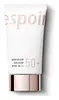
This hybrid sunscreen covers the full UV range and blocks ~98% of UVB at SPF 50.
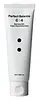
This chemical sunscreen covers the full UV range and blocks ~98% of UVB at SPF 50.

What's inside
What's inside
 Key Ingredients
Benefits
Concerns
Ingredients Side-by-side
Water
Skin ConditioningButylene Glycol
Humectant

C12-15 Alkyl Benzoate
AntimicrobialEthylhexyl Methoxycinnamate
UV Absorber


Titanium Dioxide
Cosmetic Colorant
Diethylamino Hydroxybenzoyl Hexyl Benzoate
UV Filter
Bis-Ethylhexyloxyphenol Methoxyphenyl Triazine
UV Absorber
Cyclopentasiloxane
Emollient
Silica
Abrasive


Cyclohexasiloxane
Emollient
Tocopheryl Acetate
Antioxidant


Althaea Officinalis Root Extract
Skin Conditioning
Lavandula Angustifolia Extract
Skin Conditioning
Anthemis Nobilis Flower Extract
Masking


Centella Asiatica Extract
Cleansing


Lippia Citriodora Leaf Extract
Astringent
Aloe Barbadensis Leaf Extract
Emollient
Magnesium Aspartate
Skin ConditioningZinc Gluconate
Skin Conditioning

Calcium Gluconate
HumectantCopper Gluconate
Skin Conditioning
Phenyl Trimethicone
Skin Conditioning
Aluminum Stearate
Cosmetic ColorantPolyacrylate-13
Polyhydroxystearic Acid
Emulsifying

Alumina
Abrasive
Polyisobutene
Stearic Acid
Cleansing
Glyceryl Caprylate
EmollientCarbomer
Emulsion StabilisingEthylhexylglycerin
Skin ConditioningPolysorbate 20
Emulsifying
Disodium EDTA
ChelatingPhenoxyethanol
Preservative
CI 77491
Cosmetic ColorantCI 77492
Cosmetic ColorantParfum
Masking

Water, Butylene Glycol, C12-15 Alkyl Benzoate, Ethylhexyl Methoxycinnamate, Titanium Dioxide, Diethylamino Hydroxybenzoyl Hexyl Benzoate, Bis-Ethylhexyloxyphenol Methoxyphenyl Triazine, Cyclopentasiloxane, Silica, Cyclohexasiloxane, Tocopheryl Acetate, Althaea Officinalis Root Extract, Lavandula Angustifolia Extract, Anthemis Nobilis Flower Extract, Centella Asiatica Extract, Lippia Citriodora Leaf Extract, Aloe Barbadensis Leaf Extract, Magnesium Aspartate, Zinc Gluconate, Calcium Gluconate, Copper Gluconate, Phenyl Trimethicone, Aluminum Stearate, Polyacrylate-13, Polyhydroxystearic Acid, Alumina, Polyisobutene, Stearic Acid, Glyceryl Caprylate, Carbomer, Ethylhexylglycerin, Polysorbate 20, Disodium EDTA, Phenoxyethanol, CI 77491, CI 77492, Parfum
Water
Skin ConditioningPropanediol
Solvent
Cyclopentasiloxane
Emollient
Ethylhexyl Salicylate
UV Absorber
Homosalate
Skin Conditioning
Butyloctyl Salicylate
Skin Conditioning
Niacinamide
Smoothing

Bis-Ethylhexyloxyphenol Methoxyphenyl Triazine
UV Absorber
Methylene Bis-Benzotriazolyl Tetramethylbutylphenol
UV Filter
Polymethylsilsesquioxane
Polysilicone-15
UV Filter
Diethylamino Hydroxybenzoyl Hexyl Benzoate
UV Filter
Caprylyl Methicone
Skin Conditioning
Melia Azadirachta Leaf Extract
Skin ConditioningMelia Azadirachta Flower Extract
Skin ConditioningCoccinia Indica Fruit Extract
Skin Conditioning
Solanum Melongena Fruit Extract
Skin ConditioningAloe Barbadensis Flower Extract
EmollientOcimum Sanctum Leaf Extract
Skin ConditioningCurcuma Longa Root Extract
Antioxidant
Corallina Officinalis Extract
Skin Conditioning
Bambusa Vulgaris Water
Skin ConditioningSodium Hyaluronate
Humectant
1,2-Hexanediol
Skin Conditioning
Pentylene Glycol
Skin Conditioning
Glycerin
Humectant
Vp/Eicosene Copolymer
Silica
Abrasive
Behenyl Alcohol
Emollient
Polyglyceryl-3 Methylglucose Distearate
Emulsifying
Decyl Glucoside
Cleansing
Tromethamine
BufferingCarbomer
Emulsion StabilisingPanthenol
Skin Conditioning
Acrylates/C10-30 Alkyl Acrylate Crosspolymer
Emulsion StabilisingSodium Polyacrylate
Absorbent
Polyacrylate Crosspolymer-6
Emulsion StabilisingEthylhexylglycerin
Skin ConditioningSodium Stearoyl Glutamate
CleansingAdenosine
Skin Conditioning
Polyether-1
Propylene Glycol
Humectant
Xanthan Gum
EmulsifyingButylene Glycol
Humectant
Tocopherol
Antioxidant
Water, Propanediol, Cyclopentasiloxane, Ethylhexyl Salicylate, Homosalate, Butyloctyl Salicylate, Niacinamide, Bis-Ethylhexyloxyphenol Methoxyphenyl Triazine, Methylene Bis-Benzotriazolyl Tetramethylbutylphenol, Polymethylsilsesquioxane, Polysilicone-15, Diethylamino Hydroxybenzoyl Hexyl Benzoate, Caprylyl Methicone, Melia Azadirachta Leaf Extract, Melia Azadirachta Flower Extract, Coccinia Indica Fruit Extract, Solanum Melongena Fruit Extract, Aloe Barbadensis Flower Extract, Ocimum Sanctum Leaf Extract, Curcuma Longa Root Extract, Corallina Officinalis Extract, Bambusa Vulgaris Water, Sodium Hyaluronate, 1,2-Hexanediol, Pentylene Glycol, Glycerin, Vp/Eicosene Copolymer, Silica, Behenyl Alcohol, Polyglyceryl-3 Methylglucose Distearate, Decyl Glucoside, Tromethamine, Carbomer, Panthenol, Acrylates/C10-30 Alkyl Acrylate Crosspolymer, Sodium Polyacrylate, Polyacrylate Crosspolymer-6, Ethylhexylglycerin, Sodium Stearoyl Glutamate, Adenosine, Polyether-1, Propylene Glycol, Xanthan Gum, Butylene Glycol, Tocopherol
Reviews
Ingredients Explained
These ingredients are found in both products.
Ingredients higher up in an ingredient list are typically present in a larger amount.
This ingredient is better known as bemotrizinol or Tinosorb S and is one of the best broad-spectrum UV filters in modern sunscreen.
It works by absorbing UV light across a whole range (280-400 nm) with peaks around 310 nm (UVB) and 340-345 nm (UVA). This means it covers UVB plus the deeper UVA wavelengths that drive photoaging and pigmentation.
Another pro?
It's exceptionally photostable, barely degrades in sunlight, and acts as a "bodyguard" for less stable filters.
That's why you'll see it paired with avobenzone or octinoxate; this team up ensures they keep working through sun exposure.
Safety reviews have been reassuring across the board. This ingredient shows low absorption through the skin, rarely irritates, and lab studies found it doesn't act like a hormone in the body (a concern that's been raised about some older sunscreen filters).
On maximum concentrations:
In 2026, the US F.D.A finally added it as an OTC sunscreen ingredient at concentrations up to 6% for adults / children 6 months and older
Learn more about Bis-Ethylhexyloxyphenol Methoxyphenyl TriazineButylene Glycol (or BG) is used within cosmetic products for a few different reasons:
Overall, Butylene Glycol is a safe and well-rounded ingredient that works well with other ingredients.
Though this ingredient works well with most skin types, some people with sensitive skin may experience a reaction such as allergic rashes, closed comedones, or itchiness.
Learn more about Butylene GlycolCarbomer is a synthetic thickening and gelling agent. It's basically the ingredient that gives a lot of serums, gels, creams, and sunscreens their smooth, non-sticky texture.
Although legally permitted at very high levels, carbomers are normally used at concentrations below 1%.
It also needs to be neutralized to actually thicken, and because it is a large molecule, it doesn't really penetrate the skin barrier.
Allergy-wise, the risk is very low. Clinical studies show carbomers have low potential for skin irritation/sensitization even at concentrations up to 100%.
A 2024 UK study patch-tested 1,302 patients and found true allergy to the parent group of carbomer to be rare with no confirmed relevant reactions.
Learn more about CarbomerCyclopentasiloxane (D5) is a lightweight silicone that mostly acts as an emollient and solvent in cosmetics. Its the reason your products feel silky, fast-spreading, and non-greasy.
Since D5 is volatile, it does its thing and then evaporates off the skin quickly.
The safety profile of this ingredient is reassuring; the US CIR Expert Panel concluded D5 is safe as used in cosmetics and Health Canada concluded that D5 is not harmful to human health or the environment as currently used in cosmetics
There's a study that people mention about D5 in a rat study showing tumors. This study is related to long-term inhalation of high D5 levels.
Regulatory bodies have judged this study to be not applicable in topical skincare since skin absorption of D5 is very low and we're not really inhaling huge amounts of D5.
The only restriction for this ingredient is environmental. The European Chemicals Agency (ECHA) restricted D5 in wash-off cosmetics at or above 0.1% due to their persistence in water.
Learn more about CyclopentasiloxaneDiethylamino Hydroxybenzoyl Hexyl Benzoate (DHHB) is a chemical UV-A absorber. It is formulated for high UVA protection (320-400 nm).
DHHB is well-liked for:
DHHB has been approved by the EU, Japan, Taiwan, and South America for use up to 10%. Unfortunately, it has not been approved for use in the US or Canada due to slow regulatory processes.
This ingredient is soluble in oils, fats, and lipids.
Learn more about Diethylamino Hydroxybenzoyl Hexyl BenzoateEthylhexylglycerin is created from glycerin. It is a multitasker ingredient that:
The CIR Expert Panel found minimal skin absorption or sensitization of any kind in a safety assessment. Though this ingredient is considered well-tolerated, a small number of cases of allergic dermatitis have been published since 2002. Just be sure to patch test if you are unsure.
Industry-reported use ranges from 8% in rinse-off products and 2% in leave-on formulations.
Learn more about EthylhexylglycerinSilica, also known as silicon dioxide, is a naturally occurring mineral. It is used as a fine, spherical, and porous powder in cosmetics.
Though it has exfoliant properties, the function of silica varies depending on the product.
The unique structure of silica enhances the spreadability and adds smoothness, making it a great texture enhancer.
It is also used as an active carrier, emulsifier, and mattifier due to its ability to absorb excess oil.
In some products, tiny microneedles called spicules are made from silica or hydrolyzed sponge. When you rub them in, they lightly polish away dead skin layers and enhance the penetration of active ingredients.
Learn more about SilicaWater. It's the most common cosmetic ingredient of all. You'll usually see it at the top of ingredient lists, meaning that it makes up the largest part of the product.
So why is it so popular? Water most often acts as a solvent - this means that it helps dissolve other ingredients into the formulation.
You'll also recognize water as that liquid we all need to stay alive. If you see this, drink a glass of water. Remember to stay hydrated!
Learn more about Water

