
What's inside
What's inside
 Key Ingredients
Benefits
Concerns
Ingredients Side-by-side
Water
Skin ConditioningButylene Glycol
Humectant

Glycerin
Humectant
Cetyl Ethylhexanoate
Emollient1,2-Hexanediol
Skin Conditioning
Niacinamide
Smoothing









Hydrogenated Lecithin
Emulsifying
Pentaerythrityl Tetrabehenate
EmollientDiethoxyethyl Succinate
SolventBetaine
Humectant
Ceramide NP
Skin Conditioning
Melia Azadirachta Flower Extract
Skin ConditioningHydroxyethyl Urea
Humectant
Bakuchiol
Antimicrobial

Cetearyl Alcohol
Emollient






Squalane
Emollient
Coccinia Indica Fruit Extract
Skin Conditioning
Panthenol
Skin Conditioning
Carbomer
Emulsion StabilisingButyrospermum Parkii Butter
Skin Conditioning
Tromethamine
BufferingXanthan Gum
EmulsifyingAllantoin
Skin Conditioning
Ethylhexylglycerin
Skin Conditioning2,3-Butanediol
HumectantAdenosine
Skin Conditioning
Disodium EDTA
Lavandula Angustifolia Oil
Masking




Sodium Carboxymethyl Beta-Glucan
CleansingGlyceryl Stearate
Emollient
Dipropylene Glycol
HumectantCitrus Aurantium Bergamia Fruit Oil
Masking
Sodium Hyaluronate
Humectant
Rubus Fruticosus Fruit Extract
AstringentVaccinium Macrocarpon Fruit Extract
AstringentVaccinium Angustifolium Fruit Extract
Skin Protecting
Rubus Idaeus Fruit Extract
AstringentSambucus Nigra Fruit Extract
AstringentSodium Lactate
Buffering
Polyglyceryl-10 Laurate
Skin Conditioning
Ceramide Ns
Skin Conditioning
Ceramide As
Skin Conditioning
Ceramide AP
Skin Conditioning
Cholesterol
Emollient
Salvia Officinalis Oil
Masking
Polysorbate 20
Emulsifying
Octyldodecanol
Emollient
Polyglyceryl-4 Caprate
EmulsifyingMethylpropanediol
SolventHydrolyzed Hyaluronic Acid
Humectant
Hydrolyzed Sodium Hyaluronate
Skin Conditioning
Hyaluronic Acid
Humectant
Hydroxypropyltrimonium Hyaluronate
Potassium Hyaluronate
Skin ConditioningAstaxanthin
Skin Conditioning
Pentylene Glycol
Skin Conditioning
Sodium Hyaluronate Crosspolymer
Humectant
Palmitoyl Tripeptide-1
Skin Conditioning
Soluble Collagen
Humectant
Sodium Acetylated Hyaluronate
Humectant
Copper Tripeptide-1
Skin Conditioning
Palmitoyl Tetrapeptide-7
Skin Conditioning
Oligopeptide-32
Antiseborrhoeic
Oligopeptide-29
Antioxidant
Acetyl Hexapeptide-8
Humectant
Ceramide EOP
Skin Conditioning
Acetyl Tetrapeptide-2
Skin Conditioning
Acetyl Tetrapeptide-3
Skin Protecting
Acetyl Octapeptide-3
Humectant
Palmitoyl Pentapeptide-4
Skin Conditioning
Oligopeptide-6
Skin Conditioning
Hexapeptide-9
Skin Conditioning
Nonapeptide-1
Skin Conditioning
Limonene
Perfuming
Linalool
Perfuming
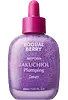
Water, Butylene Glycol, Glycerin, Cetyl Ethylhexanoate, 1,2-Hexanediol, Niacinamide, Hydrogenated Lecithin, Pentaerythrityl Tetrabehenate, Diethoxyethyl Succinate, Betaine, Ceramide NP, Melia Azadirachta Flower Extract, Hydroxyethyl Urea, Bakuchiol, Cetearyl Alcohol, Squalane, Coccinia Indica Fruit Extract, Panthenol, Carbomer, Butyrospermum Parkii Butter, Tromethamine, Xanthan Gum, Allantoin, Ethylhexylglycerin, 2,3-Butanediol, Adenosine, Disodium EDTA, Lavandula Angustifolia Oil, Sodium Carboxymethyl Beta-Glucan, Glyceryl Stearate, Dipropylene Glycol, Citrus Aurantium Bergamia Fruit Oil, Sodium Hyaluronate, Rubus Fruticosus Fruit Extract, Vaccinium Macrocarpon Fruit Extract, Vaccinium Angustifolium Fruit Extract, Rubus Idaeus Fruit Extract, Sambucus Nigra Fruit Extract, Sodium Lactate, Polyglyceryl-10 Laurate, Ceramide Ns, Ceramide As, Ceramide AP, Cholesterol, Salvia Officinalis Oil, Polysorbate 20, Octyldodecanol, Polyglyceryl-4 Caprate, Methylpropanediol, Hydrolyzed Hyaluronic Acid, Hydrolyzed Sodium Hyaluronate, Hyaluronic Acid, Hydroxypropyltrimonium Hyaluronate, Potassium Hyaluronate, Astaxanthin, Pentylene Glycol, Sodium Hyaluronate Crosspolymer, Palmitoyl Tripeptide-1, Soluble Collagen, Sodium Acetylated Hyaluronate, Copper Tripeptide-1, Palmitoyl Tetrapeptide-7, Oligopeptide-32, Oligopeptide-29, Acetyl Hexapeptide-8, Ceramide EOP, Acetyl Tetrapeptide-2, Acetyl Tetrapeptide-3, Acetyl Octapeptide-3, Palmitoyl Pentapeptide-4, Oligopeptide-6, Hexapeptide-9, Nonapeptide-1, Limonene, Linalool
Water
Skin ConditioningIsopentyldiol
Humectant
1,2-Hexanediol
Skin Conditioning
Panthenol
Skin Conditioning
Hydroxyethyl Urea
Humectant
Butylene Glycol
Humectant
Propanediol
Solvent
Caprylyl Glycol
Emollient
Glycerin
Humectant
Sodium Hyaluronate
Humectant
Ficus Carica Fruit Extract
Humectant
Centella Asiatica Extract
Cleansing
Acetyl Hexapeptide-8
Humectant
Ceramide NP
Skin Conditioning
Hydrogenated Lecithin
Emulsifying
Anthemis Nobilis Flower Oil
Masking
Tocopherol
Antioxidant
Houttuynia Cordata Extract
Skin Conditioning
Tocopheryl Acetate
Antioxidant
Ascorbic Acid Polypeptide
Antioxidant
Ammonium Acryloyldimethyltaurate/Vp Copolymer
Tromethamine
BufferingCarbomer
Emulsion StabilisingOctyldodeceth-16
EmulsifyingEthylhexylglycerin
Skin ConditioningAcrylates/C10-30 Alkyl Acrylate Crosspolymer
Emulsion StabilisingDisodium EDTA
Palmitoyl Tripeptide-5
Skin Conditioning
Pinus Strobus Bark Extract
Skin ConditioningHexapeptide-9
Skin Conditioning
Maltodextrin
Absorbent
Lavandula Angustifolia Oil
Masking
Linalool
Perfuming
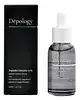
Water, Isopentyldiol, 1,2-Hexanediol, Panthenol, Hydroxyethyl Urea, Butylene Glycol, Propanediol, Caprylyl Glycol, Glycerin, Sodium Hyaluronate, Ficus Carica Fruit Extract, Centella Asiatica Extract, Acetyl Hexapeptide-8, Ceramide NP, Hydrogenated Lecithin, Anthemis Nobilis Flower Oil, Tocopherol, Houttuynia Cordata Extract, Tocopheryl Acetate, Ascorbic Acid Polypeptide, Ammonium Acryloyldimethyltaurate/Vp Copolymer, Tromethamine, Carbomer, Octyldodeceth-16, Ethylhexylglycerin, Acrylates/C10-30 Alkyl Acrylate Crosspolymer, Disodium EDTA, Palmitoyl Tripeptide-5, Pinus Strobus Bark Extract, Hexapeptide-9, Maltodextrin, Lavandula Angustifolia Oil, Linalool
Reviews
Ingredients Explained
These ingredients are found in both products.
Ingredients higher up in an ingredient list are typically present in a larger amount.
1,2-Hexanediol is a synthetic liquid and another multi-functional powerhouse.
It is a:
- Humectant, drawing moisture into the skin
- Emollient, helping to soften skin
- Solvent, dispersing and stabilizing formulas
- Preservative booster, enhancing the antimicrobial activity of other preservatives
Acetyl Hexapeptide-8 (also known as Argireline) is a synthetic hexapeptide that is often called a "topical Botox alternative".
It works by mimicking how Botox relaxes muscles; it interferes with the signaling process that tells your facial muscles to contract. This can help soften expression lines like forehead wrinkles or crow's feet over time.
The comparison to Botox does have limits because the molecule is water-loving and relatively large.
Acetyl Hexapeptide-8 has a hard time absorbing deeply enough through the skin's outer barrier to actually reach the muscles.
So whether it truly works the way Botox does at a biological level is still up for debate, but early clinical outcomes are fairly encouraging.
A 12 week human study of a multi-ingredient regimen containing this ingredient saw:
While some studies have observed improvements in wrinkle appearance, it is important to note that more consistent results are seen in multi-ingredient formulations (vs just Acetyl Hexapeptide-8 alone).
Some research studies also used higher concentrations (up to 10%) while this ingredient is usually found in concentrations up to 0.005% in leave-on formulations.
Learn more about Acetyl Hexapeptide-8Butylene Glycol (or BG) is used within cosmetic products for a few different reasons:
Overall, Butylene Glycol is a safe and well-rounded ingredient that works well with other ingredients.
Though this ingredient works well with most skin types, some people with sensitive skin may experience a reaction such as allergic rashes, closed comedones, or itchiness.
Learn more about Butylene GlycolCarbomer is a synthetic thickening and gelling agent. It's basically the ingredient that gives a lot of serums, gels, creams, and sunscreens their smooth, non-sticky texture.
Although legally permitted at very high levels, carbomers are normally used at concentrations below 1%.
It also needs to be neutralized to actually thicken, and because it is a large molecule, it doesn't really penetrate the skin barrier.
Allergy-wise, the risk is very low. Clinical studies show carbomers have low potential for skin irritation/sensitization even at concentrations up to 100%.
A 2024 UK study patch-tested 1,302 patients and found true allergy to the parent group of carbomer to be rare with no confirmed relevant reactions.
Learn more about CarbomerCeramide NP (formerly known as Ceramide 3) is one of the skin's naturally occurring lipids.
Since ceramides are the major lipid components of the skin, they are crucial for maintaining skin barrier and hydration. Ceramide NP most closely mirrors the dominant kind in human skin amongst ceramide subtypes.
This ceramide works by slotting into gaps within the stratum corneum's lipid matrix to limit trans-epidermal water loss (TEWL) and shield the skin against external irritants.
A study with 312 patients found that using a ceramide-containing routine for 4 weeks reduced the severity of atopic dermatitis by over 61%.
Another clinical study in subjects aged 60 and older found that a ceramide body wash and moisturizer improved skin dryness and itchy skin in 15 days.
Overall, ceramides are considered non-irritating and safety tests have found little to no observable adverse effects from using this ingredient.
Ceramide NP is usually sourced from plants (like soybean or rice bran), or produced synthetically.
Learn more about Ceramide NPDisodium EDTA is a chelating agent. It grabs onto and deactivates metal ions that sneak into your products from water, packaging, or air.
This ingredient mainly works behind the scenes and helps with:
On top of that, this ingredient can counteract the effects of hard water by binding to the minerals in it.
One thing worth knowing is that Disodium EDTA has been shown to be a mild penetration enhancer. It can help other ingredients absorb into skin more effectively which can be a double-edged sword (great for actives, but can also make the active too strong if you have sensitive skin).
Clinical patch testing showed no significant skin irritation at typical use concentrations and minimal dermal absorption.
You'll most likely see this ingredient near the end of an ingredient list. It's typically found in concentrations less than 1%.
Learn more about Disodium EDTAEthylhexylglycerin is created from glycerin. It is a multitasker ingredient that:
The CIR Expert Panel found minimal skin absorption or sensitization of any kind in a safety assessment. Though this ingredient is considered well-tolerated, a small number of cases of allergic dermatitis have been published since 2002. Just be sure to patch test if you are unsure.
Industry-reported use ranges from 8% in rinse-off products and 2% in leave-on formulations.
Learn more about EthylhexylglycerinGlycerin (or glycerol) is a compound naturally found in your skin. It's a powerhouse humectant that pulls water into the stratum corneum.
Topically, glycerin does several things at once:
Your skin makes glycerin on its own (mostly from sebaceous oil breakdown) and shuttles it to your outermost layer of skin, or your epidermis, via aquaporin-3.
Aquaporin-3 is a transporter that is essential for normal skin hydration, elasticity, and repair. Interestingly, mice lacking in AQP3 have dry and less elastic skin that can be fully corrected with glycerin.
This ingredient is non-irritating, plays well with almost every ingredient, and works across all skin types. Typical use is anywhere between 3-10% but can go up to 79% in some leave-on products.
Just know very high concentrations (>40%) can feel tacky in low humidity.
Glycerin is the name for this ingredient in American English. British English uses Glycerol/Glycerine.
Learn more about GlycerinHexapeptide-9 is a signaling peptide that is made to mimic a fragment found naturally in collagen IV and XVII.
It is classified as a matrikine peptide and works by telling your skin cells (especially fibroblasts) to ramp up collagen and hyaluronic acid production.
In-vitro studies show it can enhance epidermal regeneration, boost synthesis of collagen types I, III, and IV, and improved markers of skin differentiation.
Think of skin differentiation like this: your skin cells are born at the bottom and slowly travel up to the surface as they "grow up". As they move up, they start producing specific proteins that make your skin do its job well. Two of these proteins are keratin (it makes your skin tough) and filaggrin (it breaks apart into tiny molecules to keep your skin hydrated). So Hexapeptide-9 has shown to help skin cells grow up properly and make stronger, more hydrated skin.
A manufacturer also reports increased collagen production by 117% and hyaluronic acid production by 267%.
Just know much of the published data comes from manufacturer-sponsored studies. There is a recent clinical trial showing promising anti-aging results but the evidence base is still growing.
Generally, this ingredient is well-tolerated and there's no harm in using it as a supportive ingredient in your routine.
Learn more about Hexapeptide-9Hydrogenated Lecithin is a more stable version of lecithin.
It's made by taking lecithin (a phospholipid commonly found in soybeans and egg yolks) and hydrogenating it. This just means the unsaturated fatty acids are turned into saturated ones so they don't go bad as easily.
This ingredient is an emollient, emulsifier, and penetration enhancer. As an emollient, it helps soften and hydrate skin by trapping moisture within. As an emulsifier, it prevents oil and water ingredients from separating.
Hydrogenated Lecithin can form tiny spherical structures made of phospholipid bilayers called liposomes. These liposomes are able to capture compounds inside their structure and deliver them through the skin barrier.
Because phospholipids are a natural component of our cell membranes, this ingredient is inherently compatible with skin.
A 2021 study found lecithin-based surfactants were less harsh and more tolerable comared to Sodium Lauryl Sulfate (SLS).
Learn more about Hydrogenated LecithinLavandula Angustifolia Oil is more commonly known as lavender essential oil. It is considered a fragrancing ingredient.
Lavender imparts a famous scent. While the smell is lovely, this ingredient and may sensitize skin in topical products. This is because about 85% of the oil is made up of linalool and linalyl acetate.
When exposed to air, these two compounds become strong allergens. This ingredient exhibits cytotoxicity at low concentrations; amounts of 0.25% have been shown to damage skin cells.
A study from Japan found this ingredient caused lavender sensitivity after widespread exposure.
Lavender essential oil has some antimicrobial, antibacterial, and anti-inflammatory properties. However, the cons of this ingredient may outweight the pros.
More research is needed to confirm lavender essential oil's effects when used in aromatherapy.
Lavandula Angustifolia is known as the English Lavender and famous for creating purple fields in Provence, France.
Learn more about Lavandula Angustifolia OilLinalool is a fragrance and helps add scent to products. It's derived from common plants such as cinnamon, mint, citrus, and lavender.
Like Limonene, this ingredient oxidizes when exposed to air. Oxidized linalool can cause allergies and skin sensitivity.
This ingredient has a scent that is floral, spicy tropical, and citrus-like.
Learn more about LinaloolPanthenol is a common ingredient that helps hydrate and soothe the skin. It is found naturally in our skin and hair.
There are two forms of panthenol: D and L.
D-panthenol is also known as dexpanthenol. Most cosmetics use dexpanthenol or a mixture of D and L-panthenol.
Panthenol is famous due to its ability to go deeper into the skin's layers. Using this ingredient has numerous pros (and no cons):
Like hyaluronic acid, panthenol is a humectant. Humectants are able to bind and hold large amounts of water to keep skin hydrated.
This ingredient works well for wound healing. It works by increasing tissue in the wound and helps close open wounds.
Once oxidized, panthenol converts to pantothenic acid. Panthothenic acid is found in all living cells.
This ingredient is also referred to as pro-vitamin B5.
Learn more about PanthenolSodium Hyaluronate is the salt form of hyaluronic acid. It is a long sugar chain that is naturally found in your skin, joints, and connective tissue that maintains hydration and elasticity.
In skincare, it works as a humectant. It pulls water from the environment and deeper layers of skin and binds it to the surface.
Interestingly, the size of the molecule affects its behavior:
Some clinical evidence links low molecular weight versions to improved wrinkle depth, elasticity, anti-inflammatory effects, and barrier repair.
Many serums use a blend of both weights so you can get surface hydration plus longer-lasting and deeper effects.
You'll typically see concentrations between 0.1-2% for this ingredient.
Learn more about Sodium HyaluronateTromethamine (aka THAM) is a synthetic amino acid that shows up in skincare as a helper ingredient.
It functions as a pH adjuster to help neutralize acidic ingredients and set a formula's pH to the right spot.
This matters a lot because a lot of actives (like vitamin C) needs a specific pH to work well and feel comfortable on skin.
Concentration use ranges from 0.1-1.0% depending on the formula.
Learn more about TromethamineWater. It's the most common cosmetic ingredient of all. You'll usually see it at the top of ingredient lists, meaning that it makes up the largest part of the product.
So why is it so popular? Water most often acts as a solvent - this means that it helps dissolve other ingredients into the formulation.
You'll also recognize water as that liquid we all need to stay alive. If you see this, drink a glass of water. Remember to stay hydrated!
Learn more about Water

