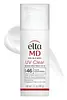
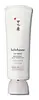
EltaMD, Inc UV Clear Broad-Spectrum SPF 46 Versus Sulwhasoo UV Wise Brightening Multi Protector SPF 50+
This hybrid sunscreen covers the full UV range and blocks ~98% of UVB at SPF 46.
This hybrid sunscreen covers the full UV range and blocks ~98% of UVB at SPF 50.


What's inside
What's inside
 Key Ingredients
Benefits
Concerns
Ingredients Side-by-side
Zinc Oxide 9%
Cosmetic Colorant


Ethylhexyl Methoxycinnamate 7.5%
UV Absorber
Water
Skin ConditioningCyclopentasiloxane
Emollient
Niacinamide
Smoothing










Octyldodecyl Neopentanoate
EmollientHydroxyethyl Acrylate/Sodium Acryloyldimethyl Taurate Copolymer
Emulsion StabilisingButylene Glycol
Humectant
Phenoxyethanol
Preservative
Polyisobutene
Triethoxycaprylylsilane
Tocopheryl Acetate
Antioxidant

PEG-7 Trimethylolpropane Coconut Ether
Emulsifying
Oleth-3 Phosphate
SurfactantIodopropynyl Butylcarbamate
Preservative
Lactic Acid
Buffering


Sodium Hyaluronate
Humectant
Phosphoric Acid
BufferingZinc Oxide 9%, Ethylhexyl Methoxycinnamate 7.5%, Water, Cyclopentasiloxane, Niacinamide, Octyldodecyl Neopentanoate, Hydroxyethyl Acrylate/Sodium Acryloyldimethyl Taurate Copolymer, Butylene Glycol, Phenoxyethanol, Polyisobutene, Triethoxycaprylylsilane, Tocopheryl Acetate, PEG-7 Trimethylolpropane Coconut Ether, Oleth-3 Phosphate, Iodopropynyl Butylcarbamate, Lactic Acid, Sodium Hyaluronate, Phosphoric Acid
Water
Skin ConditioningPropanediol
Solvent
Ethylhexyl Methoxycinnamate
UV Absorber
Diethylamino Hydroxybenzoyl Hexyl Benzoate
UV Filter
C12-15 Alkyl Benzoate
AntimicrobialGlycerin
Humectant
Bis-Ethylhexyloxyphenol Methoxyphenyl Triazine
UV Absorber
Methyl Trimethicone
Skin Conditioning
Titanium Dioxide
Cosmetic Colorant
Isostearyl Neopentanoate
Emollient
Cyclopentasiloxane
Emollient
1,2-Hexanediol
Skin Conditioning
Silica
Abrasive
C14-22 Alcohols
Emulsion Stabilising
Cetyl Alcohol
Emollient
Cyclohexasiloxane
Emollient
Glyceryl Stearate
Emollient
PEG-100 Stearate
Surfactant
Polyacrylate-13
Butylene Glycol
Humectant
Alumina
Abrasive
Aluminum Stearate
Cosmetic ColorantC12-20 Alkyl Glucoside
EmulsifyingPolymethyl Methacrylate
Polyisobutene
Stearic Acid
Cleansing
Methoxy PEG-114/Polyepsilon Caprolactone
BufferingPolyhydroxystearic Acid
Emulsifying
Parfum
Masking

Dimethicone/Vinyl Dimethicone Crosspolymer
Skin Conditioning
Limonene
Perfuming
C12-15 Alcohols
Emollient
Glyceryl Caprylate
EmollientThymol Trimethoxycinnamate
Antioxidant
Acrylates/C10-30 Alkyl Acrylate Crosspolymer
Emulsion StabilisingDisodium EDTA
ChelatingEthylhexylglycerin
Skin ConditioningPolysorbate 20
Emulsifying
Scutellaria Baicalensis Root Extract
Astringent
Sorbitan Isostearate
Emulsifying
Linalool
Perfuming
Morus Alba Root Extract
BleachingPrunus Mume Fruit Extract
Humectant
Citronellol
Perfuming
Panax Ginseng Root Extract
Emollient
BHT
Antioxidant
Citral
Perfuming
Geraniol
Perfuming
Glucose
Humectant
Benzyl Benzoate
Antimicrobial
Tocopherol
Antioxidant
Ethylhexyl Salicylate
UV Absorber
Alcohol Denat.
Antimicrobial

Diisopropyl Sebacate
EmollientCI 77891
Cosmetic ColorantTerephthalylidene Dicamphor Sulfonic Acid
UV Absorber
Cetearyl Alcohol
Emollient
Behenyl Alcohol
Emollient
Polysorbate 60
Emulsifying
Vinyl Dimethicone/Methicone Silsesquioxane Crosspolymer
Isostearic Acid
Cleansing
Potassium Cetyl Phosphate
EmulsifyingDimethicone
Emollient
Tromethamine
BufferingXanthan Gum
EmulsifyingDimethicone/Polyglycerin-3 Crosspolymer
Cleansing
Aluminum Hydroxide
EmollientHydrogenated Lecithin
Emulsifying
Triethoxycaprylylsilane
Polyglyceryl-3 Methylglucose Distearate
Emulsifying
Palmitic Acid
Emollient
CI 77491
Cosmetic ColorantDipropylene Glycol
HumectantSodium Citrate
BufferingMyristic Acid
Cleansing
Lauric Acid
Cleansing
Morus Alba Fruit Extract
Antioxidant
Water, Propanediol, Ethylhexyl Methoxycinnamate, Diethylamino Hydroxybenzoyl Hexyl Benzoate, C12-15 Alkyl Benzoate, Glycerin, Bis-Ethylhexyloxyphenol Methoxyphenyl Triazine, Methyl Trimethicone, Titanium Dioxide, Isostearyl Neopentanoate, Cyclopentasiloxane, 1,2-Hexanediol, Silica, C14-22 Alcohols, Cetyl Alcohol, Cyclohexasiloxane, Glyceryl Stearate, PEG-100 Stearate, Polyacrylate-13, Butylene Glycol, Alumina, Aluminum Stearate, C12-20 Alkyl Glucoside, Polymethyl Methacrylate, Polyisobutene, Stearic Acid, Methoxy PEG-114/Polyepsilon Caprolactone, Polyhydroxystearic Acid, Parfum, Dimethicone/Vinyl Dimethicone Crosspolymer, Limonene, C12-15 Alcohols, Glyceryl Caprylate, Thymol Trimethoxycinnamate, Acrylates/C10-30 Alkyl Acrylate Crosspolymer, Disodium EDTA, Ethylhexylglycerin, Polysorbate 20, Scutellaria Baicalensis Root Extract, Sorbitan Isostearate, Linalool, Morus Alba Root Extract, Prunus Mume Fruit Extract, Citronellol, Panax Ginseng Root Extract, BHT, Citral, Geraniol, Glucose, Benzyl Benzoate, Tocopherol, Ethylhexyl Salicylate, Alcohol Denat., Diisopropyl Sebacate, CI 77891, Terephthalylidene Dicamphor Sulfonic Acid, Cetearyl Alcohol, Behenyl Alcohol, Polysorbate 60, Vinyl Dimethicone/Methicone Silsesquioxane Crosspolymer, Isostearic Acid, Potassium Cetyl Phosphate, Dimethicone, Tromethamine, Xanthan Gum, Dimethicone/Polyglycerin-3 Crosspolymer, Aluminum Hydroxide, Hydrogenated Lecithin, Triethoxycaprylylsilane, Polyglyceryl-3 Methylglucose Distearate, Palmitic Acid, CI 77491, Dipropylene Glycol, Sodium Citrate, Myristic Acid, Lauric Acid, Morus Alba Fruit Extract
Reviews
Ingredients Explained
These ingredients are found in both products.
Ingredients higher up in an ingredient list are typically present in a larger amount.
Butylene Glycol (or BG) is used within cosmetic products for a few different reasons:
Overall, Butylene Glycol is a safe and well-rounded ingredient that works well with other ingredients.
Though this ingredient works well with most skin types, some people with sensitive skin may experience a reaction such as allergic rashes, closed comedones, or itchiness.
Learn more about Butylene GlycolCyclopentasiloxane (D5) is a lightweight silicone that mostly acts as an emollient and solvent in cosmetics. Its the reason your products feel silky, fast-spreading, and non-greasy.
Since D5 is volatile, it does its thing and then evaporates off the skin quickly.
The safety profile of this ingredient is reassuring; the US CIR Expert Panel concluded D5 is safe as used in cosmetics and Health Canada concluded that D5 is not harmful to human health or the environment as currently used in cosmetics
There's a study that people mention about D5 in a rat study showing tumors. This study is related to long-term inhalation of high D5 levels.
Regulatory bodies have judged this study to be not applicable in topical skincare since skin absorption of D5 is very low and we're not really inhaling huge amounts of D5.
The only restriction for this ingredient is environmental. The European Chemicals Agency (ECHA) restricted D5 in wash-off cosmetics at or above 0.1% due to their persistence in water.
Learn more about CyclopentasiloxaneThis ingredient is also known as Octinoxate and is one of the oldest and most widely used chemical UV filters in skincare.
It has a simple job: soap up UVB radiation (290-320 nm), the wavelengths responsible for sunburn and a big chunk of long-term sun damage.
In formulas, it's always paired with a separate UVA filter because octinoxate solely protects skin from UVB.
Because it's an oil-soluble liquid, it's easy to blend into the oil phase of lotions/creams and gives a cosmetically elegant feel.
The one quirk about formulating this ingredient is photostability; the molecule slowly changes shape into a less effective version when sunlight hits it. So the longer you're in the sun, the weaker its protection gets. The drop can be more than 30% in some formulas.
It also doesn't play nice with Avobenzone (the common UVA filter) since avobenzone destabilizes octinoxate and the two degrade each other. But don't worry: brands have solved this issue by adding photostabilizers like Tinosorb S to prevent degradation and keep SPF stable under heavy UV exposure.
The maximum allowed level is 10% in the EU and Australia, 7.5% in the US and Canada, and 20% in Japan.
The Cosmetic Ingredient Review Panel has concluded this ingredient to be safe in cosmetics up to 10%.
One last thing worth knowing for context:
Octinoxate has been the subject of ongoing review in Europe where the Scientific Committee on Consumer Safety's (SCCS) 2025 final opinion is that this ingredient is an endocrine-active substance.
Lab and animal studies suggest it can act a bit like a hormone in the body (mildly mimicking estrogen and slightly blocking male hormones). It's important to know this hasn't really been shown to happen in everyday human use.
This ingredient is also banned in Hawaii over coral reef concerns.
Learn more about Ethylhexyl MethoxycinnamatePolyisobutene is a synthetic polymer made from isobutene.
It is a film-forming agent and helps bind ingredients together.
Polyisobutene is not absorbed by the skin.
Learn more about PolyisobuteneTriethoxycaprylylsilane is a silicon-based surface modifier that makes sunscreens feel silky and makeup stay put.
Its main job is to coat mineral particles like titanium dioxide, zinc oxide, and color pigments in a thin, oily layer so they spread smoothly, don't clump, and stick to skin better.
This ingredient is typically used at low levels (up to 2.5% in eyeshadow and 1% in lipstick).
Learn more about TriethoxycaprylylsilaneWater. It's the most common cosmetic ingredient of all. You'll usually see it at the top of ingredient lists, meaning that it makes up the largest part of the product.
So why is it so popular? Water most often acts as a solvent - this means that it helps dissolve other ingredients into the formulation.
You'll also recognize water as that liquid we all need to stay alive. If you see this, drink a glass of water. Remember to stay hydrated!
Learn more about Water

