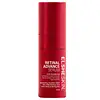
This anti-aging serum is formulated around Retinal and Niacinamide to soften the look of wrinkles and refine skin texture.
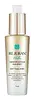
This brightening ampoule is formulated around Glycyrrhiza Glabra Root Extract and Arbutin to fade the look of dark spots.


What's inside
What's inside
 Key Ingredients
Benefits
Concerns
Ingredients Side-by-side
Water
Skin ConditioningPentylene Glycol
Skin Conditioning
Propanediol
Solvent
Niacinamide
Smoothing










Dipropylene Glycol
HumectantGlycerin
Humectant
Alpha-Arbutin
Antioxidant

Hydrolyzed Collagen
Emollient
Retinal
Skin Conditioning


Ascorbic Acid
Antioxidant
Phospholipids
Skin Conditioning
Caprylic/Capric Triglyceride
Masking
Sodium Palmitoyl Proline
Skin ConditioningNymphaea Alba Flower Extract
Skin ConditioningButylene Glycol
Humectant
Ceteareth-25
CleansingCetyl Alcohol
Emollient

Behenic Acid
Cleansing
Cholesterol
Emollient
Ceramide NP
Skin Conditioning
Ceramide Ns
Skin Conditioning
Ceramide Eos
Skin Conditioning
Ceramide EOP
Skin Conditioning
Ceramide AP
Skin Conditioning
Caprooyl Phytosphingosine
Skin Conditioning
Caprooyl Sphingosine
Skin ConditioningEthylhexylglycerin
Skin ConditioningPhenoxyethanol
Preservative
Ascorbyl Palmitate
Antioxidant
Tocopherol
Antioxidant
Lecithin
Emollient
Glyceryl Stearate
Emollient
Glyceryl Oleate
Emollient

Citric Acid
Buffering
Nicotiana Benthamiana Hexapeptide-40 Sh-Polypeptide-76
Skin Conditioning
Chamomilla Recutita Flower Extract
Masking
Sodium Benzoate
Masking
Potassium Sorbate
Preservative
Acetyl Hexapeptide-8
Humectant
Tetradecyl Aminobutyroylvalylaminobutyric Urea Trifluoroacetate
Skin ConditioningMagnesium Chloride
Palmitoyl Tripeptide-5
Skin Conditioning
Calendula Officinalis Flower Extract
Masking
Propylene Glycol
Humectant
Asparagopsis Armata Extract
Skin Protecting
Ammonium Acryloyldimethyltaurate/Vp Copolymer
Hibiscus Sabdariffa Callus Extract
Antioxidant
Xanthan Gum
EmulsifyingPalmitoyl Hexapeptide-52
Skin Conditioning
Lactic Acid/Glycolic Acid Copolymer
Skin ConditioningPolyvinyl Alcohol
Palmitoyl Heptapeptide-18
Skin Conditioning
Caprylyl Glycol
Emollient
Glyceryl Caprylate
EmollientPhenylpropanol
Masking
Oligopeptide-1
Skin Conditioning
Squalane
Emollient
Ubiquinone
Antioxidant
Tocopheryl Acetate
Antioxidant
Hydroxyethylcellulose
Emulsion StabilisingDisodium Phosphate
BufferingSodium Phosphate
BufferingPolysorbate 60
Emulsifying
Sodium Nitrate
SoothingGlyoxal
Antimicrobial
Ethoxydiglycol
HumectantHyaluronic Acid
Humectant
Water, Pentylene Glycol, Propanediol, Niacinamide, Dipropylene Glycol, Glycerin, Alpha-Arbutin, Hydrolyzed Collagen, Retinal, Ascorbic Acid, Phospholipids, Caprylic/Capric Triglyceride, Sodium Palmitoyl Proline, Nymphaea Alba Flower Extract, Butylene Glycol, Ceteareth-25, Cetyl Alcohol, Behenic Acid, Cholesterol, Ceramide NP, Ceramide Ns, Ceramide Eos, Ceramide EOP, Ceramide AP, Caprooyl Phytosphingosine, Caprooyl Sphingosine, Ethylhexylglycerin, Phenoxyethanol, Ascorbyl Palmitate, Tocopherol, Lecithin, Glyceryl Stearate, Glyceryl Oleate, Citric Acid, Nicotiana Benthamiana Hexapeptide-40 Sh-Polypeptide-76, Chamomilla Recutita Flower Extract, Sodium Benzoate, Potassium Sorbate, Acetyl Hexapeptide-8, Tetradecyl Aminobutyroylvalylaminobutyric Urea Trifluoroacetate, Magnesium Chloride, Palmitoyl Tripeptide-5, Calendula Officinalis Flower Extract, Propylene Glycol, Asparagopsis Armata Extract, Ammonium Acryloyldimethyltaurate/Vp Copolymer, Hibiscus Sabdariffa Callus Extract, Xanthan Gum, Palmitoyl Hexapeptide-52, Lactic Acid/Glycolic Acid Copolymer, Polyvinyl Alcohol, Palmitoyl Heptapeptide-18, Caprylyl Glycol, Glyceryl Caprylate, Phenylpropanol, Oligopeptide-1, Squalane, Ubiquinone, Tocopheryl Acetate, Hydroxyethylcellulose, Disodium Phosphate, Sodium Phosphate, Polysorbate 60, Sodium Nitrate, Glyoxal, Ethoxydiglycol, Hyaluronic Acid
Rubus Fruticosus Leaf Extract
MaskingGlycyrrhiza Glabra Root Extract
Bleaching
Calendula Officinalis Flower Extract
Masking
Aloe Barbadensis Leaf Juice
Skin Conditioning
Vaccinium Angustifolium Fruit Extract
Skin Protecting
Morus Nigra Fruit Extract
Skin ConditioningArbutin
Antioxidant
Butylene Glycol
Humectant
Glycerin
Humectant
Polysorbate 20
Emulsifying
Hydrolyzed DNA
Skin ConditioningGerotine/Hydrolyzed DNA
Antioxidant
Sodium Hyaluronate
Humectant
Carbomer
Emulsion StabilisingXanthan Gum
EmulsifyingAdenosine
Skin Conditioning
Tocopheryl Acetate
Antioxidant
Niacinamide
Smoothing
Bisabolol
Antioxidant
PEG-6
HumectantWater
Skin ConditioningCaprylyl Glycol
Emollient
Ethylhexylglycerin
Skin ConditioningHexylene Glycol
Emulsifying1,2-Hexanediol
Skin Conditioning
Dipropylene Glycol
HumectantSodium Chloride
MaskingTrehalose
Humectant
Urea
Buffering
Serine
Masking
Pentylene Glycol
Skin Conditioning
Glyceryl Polyacrylate
Algin
MaskingPullulan
Disodium Phosphate
BufferingPotassium Phosphate
BufferingSqualane
Emollient
Hydrogenated Lecithin
Emulsifying
Ceramide NP
Skin Conditioning
Oleic Acid
Emollient
Inulin Lauryl Carbamate
Emulsion StabilisingRubus Fruticosus Leaf Extract, Glycyrrhiza Glabra Root Extract, Calendula Officinalis Flower Extract, Aloe Barbadensis Leaf Juice, Vaccinium Angustifolium Fruit Extract, Morus Nigra Fruit Extract, Arbutin, Butylene Glycol, Glycerin, Polysorbate 20, Hydrolyzed DNA, Gerotine/Hydrolyzed DNA, Sodium Hyaluronate, Carbomer, Xanthan Gum, Adenosine, Tocopheryl Acetate, Niacinamide, Bisabolol, PEG-6, Water, Caprylyl Glycol, Ethylhexylglycerin, Hexylene Glycol, 1,2-Hexanediol, Dipropylene Glycol, Sodium Chloride, Trehalose, Urea, Serine, Pentylene Glycol, Glyceryl Polyacrylate, Algin, Pullulan, Disodium Phosphate, Potassium Phosphate, Squalane, Hydrogenated Lecithin, Ceramide NP, Oleic Acid, Inulin Lauryl Carbamate
Reviews
Ingredients Explained
These ingredients are found in both products.
Ingredients higher up in an ingredient list are typically present in a larger amount.
Butylene Glycol (or BG) is used within cosmetic products for a few different reasons:
Overall, Butylene Glycol is a safe and well-rounded ingredient that works well with other ingredients.
Though this ingredient works well with most skin types, some people with sensitive skin may experience a reaction such as allergic rashes, closed comedones, or itchiness.
Learn more about Butylene GlycolCalendula Officinalis Flower Extract comes from the marigold flower and has been used on skin for centuries for its calming effect.
In the lab, its active compounds appear to calm inflammation and support the early "healing" phase of minor wounds.
This is why Europe's medicines regulator has approved calendula extracts as a traditional remedy for minor skin inflammation and healing small wounds.
The stronger human evidence is around would/ulcer care rather than everyday cosmetic claims; a review that pulled together 14 studies found that calendula helped calm the early, inflamed stage of a wound and helped new skin tissue form faster.
Two studies also showed it shrank leg ulcers (the kind caused by poor circulation). Results were mixed for burns and for the skin irritation people get from radiation treatment, so it's not a sure thing there.
In cosmetics, it's mostly a skin conditioning and soothing agent.
The Cosmetic Ingredient Review panel concluded that calendula-derived ingredients are safe as used and that the ingredients are not irritating, sensitizing, or photosensitizing in clinical tests (though they may be mild eye irritants).
Typical use levels are quite low; industry data reported it used at under 0.5% (one supplier noted a 10-25% extract blend used at 1-10% in the finished product). Historical use goes up to 10%.
The only thing to keep in mind is if you have daisy/ragweed allergies. Calendula is in the same family and one patch-test study found 2% of dermatitis patients reacted to marigold. Be sure to patch test if you have sensitive or allergy-prone skin.
Learn more about Calendula Officinalis Flower ExtractCaprylyl Glycol is a humectant, skin conditioner, emollient, and preservative booster derived from either caprylic acid or synthetically created.
Typical use levels vary from 0.3-1% as a preservative booster and go up to 2% to condition skin.
Because it is not a free-fatty acid, this ingredient is fungal acne safe (there's nothing for Malassezia to feed on).
Learn more about Caprylyl GlycolCeramide NP (formerly known as Ceramide 3) is one of the skin's naturally occurring lipids.
Since ceramides are the major lipid components of the skin, they are crucial for maintaining skin barrier and hydration. Ceramide NP most closely mirrors the dominant kind in human skin amongst ceramide subtypes.
This ceramide works by slotting into gaps within the stratum corneum's lipid matrix to limit trans-epidermal water loss (TEWL) and shield the skin against external irritants.
A study with 312 patients found that using a ceramide-containing routine for 4 weeks reduced the severity of atopic dermatitis by over 61%.
Another clinical study in subjects aged 60 and older found that a ceramide body wash and moisturizer improved skin dryness and itchy skin in 15 days.
Overall, ceramides are considered non-irritating and safety tests have found little to no observable adverse effects from using this ingredient.
Ceramide NP is usually sourced from plants (like soybean or rice bran), or produced synthetically.
Learn more about Ceramide NPDipropylene Glycol is a synthetically created humectant, stabilizer, and solvent.
This ingredient helps:
Dipropylene glycol is technically an alcohol, but it belongs to the glycol family (often considered part of the ‘good’ alcohols). This means it is hydrating and gentle on skin unlike drying solvent alcohols like denatured alcohol.
As a masking agent, Dipropylene Glycol can be used to cover the smell of other ingredients. However, it does not have a scent.
Studies show Dipropylene Glycol is considered safe to use in skincare.
Learn more about Dipropylene GlycolDisodium Phosphate is a water-soluble powder used as a pH adjuster and mild chelating agent. It basically holds a specific pH and binds stray metal ions so your product stays stable.
This ingredient is usually used at very low levels and concentrations range from 0.000054% - 2.9%. The CIR Expert Panel states this ingredient to be non-irritating at current use levels.
Ethylhexylglycerin is created from glycerin. It is a multitasker ingredient that:
The CIR Expert Panel found minimal skin absorption or sensitization of any kind in a safety assessment. Though this ingredient is considered well-tolerated, a small number of cases of allergic dermatitis have been published since 2002. Just be sure to patch test if you are unsure.
Industry-reported use ranges from 8% in rinse-off products and 2% in leave-on formulations.
Learn more about EthylhexylglycerinGlycerin (or glycerol) is a compound naturally found in your skin. It's a powerhouse humectant that pulls water into the stratum corneum.
Topically, glycerin does several things at once:
Your skin makes glycerin on its own (mostly from sebaceous oil breakdown) and shuttles it to your outermost layer of skin, or your epidermis, via aquaporin-3.
Aquaporin-3 is a transporter that is essential for normal skin hydration, elasticity, and repair. Interestingly, mice lacking in AQP3 have dry and less elastic skin that can be fully corrected with glycerin.
This ingredient is non-irritating, plays well with almost every ingredient, and works across all skin types. Typical use is anywhere between 3-10% but can go up to 79% in some leave-on products.
Just know very high concentrations (>40%) can feel tacky in low humidity.
Glycerin is the name for this ingredient in American English. British English uses Glycerol/Glycerine.
Learn more about GlycerinNiacinamide is a multitasking form of vitamin B3 that strengthens the skin barrier, reduces pores and dark spots, regulates oil, and improves signs of aging.
And the best part? It's gentle and well-tolerated by most skin types, including sensitive and reactive skin.
You might have heard of "niacin flush", or the reddening of skin that causes itchiness. Niacinamide has not been found to cause this.
In very rare cases, some individuals may not be able to tolerate niacinamide at all or experience an allergic reaction to it.
If you are experiencing flaking, irritation, and dryness with this ingredient, be sure to double check all your products as this ingredient can be found in all categories of skincare.
When incorporating niacinamide into your routine, look out for concentration amounts. Typically, 5% niacinamide provides benefits such as fading dark spots. However, if you have sensitive skin, it is better to begin with a smaller concentration.
When you apply niacinamide to your skin, your body converts it into nicotinamide adenine dinucleotide (NAD). NAD is an essential coenzyme that is already found in your cells as "fuel" and powers countless biological processes.
In your skin, NAD helps repair cell damage, produce new healthy cells, support collagen production, strengthen the skin barrier, and fight environmental stressors (like UV and pollution).
Our natural NAD levels start to decline with age, leading to slower skin repair, visible aging, and a weaker skin barrier. By providing your skin niacinamide, you're recharging your skin's NAD levels. This leads to stronger, healthier, and younger looking skin.
Another name for vitamin B3 is nicotinamide. This vitamin is water-soluble and our bodies don't store it. We obtain Vitamin B3 from either food or skincare. Meat, fish, wheat, yeast, and leafy greens contain vitamin B3.
The type of niacinamide used in skincare is synthetically created.
Learn more about NiacinamidePentylene Glycol (1,2-pentanediol) is a multitasking little diol with three main roles in a formula:
Research on alkanediols (the family pentylene glycol belongs to) show they work by disrupting microbial cell membranes. This disruption helps the primary preservative system in a product work more effectively at lower doses.
On the safety side, the Cosmetic Ingredient Review Expert Panel has concluded this ingredient to be safe as used in current cosmetic practices + concentrations.
Typical use levels in a formula run about 1-5%.
Learn more about Pentylene GlycolSqualane is the hydrogenated and shelf-stable form of squalene (a lipid that naturally occurs in human sebum).
It is an emollient and skin conditioning agent that is able to integrate seamlessly into the skin's lipid barrier without clogging pores.
This is due to how structurally similar it is to what your skin already produces.
Though it is mostly an emollient that helps soften and hydrate skin, it also has some humectant and occlusive action. Humectants help the skin retain moisture while occlusives seal it in, making squalane a triple-threat moisturizer.
Research shows it has antioxidant capabilities that help protect against stressors like UV exposure, specifically UVA induced oxidative stress. This study also found that it supports collagen biosynthesis in human dermal fibroblasts.
No clinical study has reported significant adverse effects and irritation reactions are very rare from this ingredient (even at 100% concentration).
Overall, it's a fantastic ingredient for hydration and is suitable for all skin types.
This depends on the source. Squalane can be derived from both plants and animals. Most squalane used in skincare comes from plants.
Please note: the source of squalane is only known if disclosed by the brand. We recommend reaching out to the brand if you have any questions about their squalane.
Read more about squalene with an "e".
Though squalane is often called an oil, it’s technically not one. It is a hydrocarbon, meaning it is only made of carbon and hydrogen. True oils are triglycerides and made of fatty acids and glycerol.
The term “oil-free” isn’t regulated so companies can define it however they want. Some exclude all oils, while others just avoid mineral oil or comedogenic oils.
Squalane has a comedogenic rating of 1 from the original 1972 study that tested raw ingredients under occlusion on rabbit ears. This system is not standardized or peer-reviewed, and using the raw ingredients is very different from how diluted cosmetic formulations are used on human skin.
A comedogenic rating of 1 means it is "unlikely to clog pores" according to the original rating system.
The overall formula of a product matters more than the individual ingredients on whether or not it will cause clogged pores.
Learn more about SqualaneTocopheryl Acetate is a stable, shelf-friendly form of vitamin E.
Formulators love it because plain vitamin E oxidizes quickly once it hits air. This acetate version stays stable and resists going off, helping to extend a product's shelf life.
It's actually inactive on its own and works like a slow-release "storage" form; the enzymes in your skin called esterases gradually convert it into active vitamin E over time.
One in vivo study showed 5% of the acetate in the living layer of the epidermis converted to vitamin E after 5 days of application. This study also found the skin gained protection against UV damage even though the conversion was slow and small.
Once converted, vitamin E acts as a skin's main fat-soluble antioxidant that fights free radicals to protect skin from damage.
Topical vitamin E generally boosts the skin's photoprotection, and it reduced UV-damage in animal models.
This ingredient has some brightening potential but it's more of a prevention ingredient than spot-fader. Cell studies show it can slow down melanin production but it's worth noting that it's not the most powerful brightener out there.
Overall, it has a pretty solid safety profile and has been found to be non-irritating and non-comedogenic. Allergic reactions may happen but stay rare due to how widely the ingredient gets used.
The concentration will vary depending on the formula; industry data shows 0.1% in baby lotions, 3% in lipsticks, and 5% in foot powders. You can also find this ingredient at 100% in a pure vitamin E oil.
Most leave-on skincare keeps it at the lower end, often between 0.5-1%.
Learn more about Tocopheryl AcetateWater. It's the most common cosmetic ingredient of all. You'll usually see it at the top of ingredient lists, meaning that it makes up the largest part of the product.
So why is it so popular? Water most often acts as a solvent - this means that it helps dissolve other ingredients into the formulation.
You'll also recognize water as that liquid we all need to stay alive. If you see this, drink a glass of water. Remember to stay hydrated!
Learn more about WaterXanthan gum is used as a stabilizer and thickener within cosmetic products. It helps give products a sticky, thick feeling - preventing them from being too runny.
On the technical side of things, xanthan gum is a polysaccharide - a combination consisting of multiple sugar molecules bonded together.
Xanthan gum is a pretty common and great ingredient. It is a natural, non-toxic, non-irritating ingredient that is also commonly used in food products.
Learn more about Xanthan Gum

