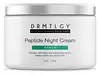
This anti-aging night moisturizer is formulated around Palmitoyl Tripeptide-1 and Palmitoyl Tripeptide-5 to soften the look of wrinkles.
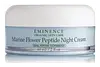
This night moisturizer is formulated around Aloe Barbadensis Leaf Juice to hydrate skin.


What's inside
What's inside
 Key Ingredients
Benefits
Concerns
Ingredients Side-by-side
Water
Skin ConditioningGlyceryl Stearate
Emollient

Propanediol
Solvent

C12-15 Alkyl Benzoate
AntimicrobialGlycerin
Humectant
Isopropyl Palmitate
Emollient


Undecane
EmollientButyrospermum Parkii Butter
Skin Conditioning
Caprylic/Capric Triglyceride
Masking
Cetyl Alcohol
Emollient
Dimethicone
Emollient
PEG-100 Stearate
Surfactant
Palmitoyl Dipeptide-5 Diaminobutyroyl Hydroxythreonine
Skin Conditioning
Palmitoyl Tripeptide-1
Skin Conditioning

Palmitoyl Tripeptide-5
Skin Conditioning
Palmitoyl Tetrapeptide-7
Skin Conditioning
Trifluoroacetyl Tripeptide-2
Skin Conditioning
Tetradecyl Aminobutyroylvalylaminobutyric Urea Trifluoroacetate
Skin ConditioningCeramide NP
Skin Conditioning


Ceramide AP
Skin Conditioning
Ceramide EOP
Skin Conditioning
Phytosphingosine
Skin Conditioning
Cholesterol
Emollient
Tridecane
Perfuming

Allantoin
Skin Conditioning
Tocopherol
Antioxidant



Glycol Distearate
Emollient
Potassium Cetyl Phosphate
EmulsifyingButylene Glycol
Humectant
Ethylhexylglycerin
Skin ConditioningAcrylates/C10-30 Alkyl Acrylate Crosspolymer
Emulsion StabilisingCarbomer
Emulsion StabilisingPolysorbate 20
Emulsifying
Dextran
Magnesium Chloride
Phenoxyethanol
Preservative
Disodium EDTA
ChelatingSodium Hydroxide
BufferingSodium Lauroyl Lactylate
EmulsifyingXanthan Gum
EmulsifyingWater, Glyceryl Stearate, Propanediol, C12-15 Alkyl Benzoate, Glycerin, Isopropyl Palmitate, Undecane, Butyrospermum Parkii Butter, Caprylic/Capric Triglyceride, Cetyl Alcohol, Dimethicone, PEG-100 Stearate, Palmitoyl Dipeptide-5 Diaminobutyroyl Hydroxythreonine, Palmitoyl Tripeptide-1, Palmitoyl Tripeptide-5, Palmitoyl Tetrapeptide-7, Trifluoroacetyl Tripeptide-2, Tetradecyl Aminobutyroylvalylaminobutyric Urea Trifluoroacetate, Ceramide NP, Ceramide AP, Ceramide EOP, Phytosphingosine, Cholesterol, Tridecane, Allantoin, Tocopherol, Glycol Distearate, Potassium Cetyl Phosphate, Butylene Glycol, Ethylhexylglycerin, Acrylates/C10-30 Alkyl Acrylate Crosspolymer, Carbomer, Polysorbate 20, Dextran, Magnesium Chloride, Phenoxyethanol, Disodium EDTA, Sodium Hydroxide, Sodium Lauroyl Lactylate, Xanthan Gum
Aloe Barbadensis Leaf Juice
Skin Conditioning
Oryza Sativa
Calendula Officinalis Flower Extract
Masking
Zea Mays Silk Extract
Skin ConditioningCamellia Sinensis Leaf Extract
Antimicrobial

Glycerin
Humectant
Jasminum Officinale Flower Extract
Masking

Vitis Vinifera Seed Oil
Emollient
Prunus Armeniaca Kernel Oil
Masking
Helianthus Annuus Seed Oil
Emollient
Butyrospermum Parkii Butter
Skin Conditioning
Water
Skin ConditioningCetearyl Alcohol
Emollient
Hydrolyzed Rice Protein
Skin ConditioningGlyceryl Stearate
Emollient
Hydrolyzed Plukenetia Volubilis Seed Extract
Emulsion StabilisingAlteromonas Ferment Filtrate
HumectantAphanizomenon Flos-Aquae Extract
HumectantSodium Acrylates Copolymer
Lecithin
Emollient
Hydroxyacetophenone
Antioxidant
Tocopheryl Acetate
Antioxidant
Citrus Aurantium Dulcis Peel Oil
Masking
1,2-Hexanediol
Skin Conditioning
Caprylyl Glycol
Emollient
Hydrogenated Starch Hydrolysate
HumectantButylene Glycol
Humectant
Xanthan Gum
EmulsifyingOcimum Basilicum Oil
Masking
Guaiazulene
Antimicrobial
Tetrasodium Glutamate Diacetate
ChelatingIron Oxides
Bambusa Vulgaris Extract
Skin Conditioning
Caramel
Cosmetic ColorantEuterpe Oleracea Fruit Extract
Citrus Limon Peel
MaskingMalpighia Glabra Fruit Extract
Skin ConditioningEmblica Officinalis Fruit
Skin ConditioningAdansonia Digitata Seed Oil
Emollient
Myrciaria Dubia Fruit Extract
Skin ConditioningDaucus Carota Sativa Root Extract
Skin Conditioning
Cocos Nucifera Oil
Masking
Milk
Skin Conditioning
Lycium Barbarum Fruit Extract
Astringent
Tapioca Starch
Aloe Barbadensis Leaf Juice, Oryza Sativa, Calendula Officinalis Flower Extract, Zea Mays Silk Extract, Camellia Sinensis Leaf Extract, Glycerin, Jasminum Officinale Flower Extract, Vitis Vinifera Seed Oil, Prunus Armeniaca Kernel Oil, Helianthus Annuus Seed Oil, Butyrospermum Parkii Butter, Water, Cetearyl Alcohol, Hydrolyzed Rice Protein, Glyceryl Stearate, Hydrolyzed Plukenetia Volubilis Seed Extract, Alteromonas Ferment Filtrate, Aphanizomenon Flos-Aquae Extract, Sodium Acrylates Copolymer, Lecithin, Hydroxyacetophenone, Tocopheryl Acetate, Citrus Aurantium Dulcis Peel Oil, 1,2-Hexanediol, Caprylyl Glycol, Hydrogenated Starch Hydrolysate, Butylene Glycol, Xanthan Gum, Ocimum Basilicum Oil, Guaiazulene, Tetrasodium Glutamate Diacetate, Iron Oxides, Bambusa Vulgaris Extract, Caramel, Euterpe Oleracea Fruit Extract, Citrus Limon Peel, Malpighia Glabra Fruit Extract, Emblica Officinalis Fruit, Adansonia Digitata Seed Oil, Myrciaria Dubia Fruit Extract, Daucus Carota Sativa Root Extract, Cocos Nucifera Oil, Milk, Lycium Barbarum Fruit Extract, Tapioca Starch
Ingredients Explained
These ingredients are found in both products.
Ingredients higher up in an ingredient list are typically present in a larger amount.
Butylene Glycol (or BG) is used within cosmetic products for a few different reasons:
Overall, Butylene Glycol is a safe and well-rounded ingredient that works well with other ingredients.
Though this ingredient works well with most skin types, some people with sensitive skin may experience a reaction such as allergic rashes, closed comedones, or itchiness.
Learn more about Butylene GlycolThis ingredient is also known as shea butter. It is a plant-derived extract from the nuts of the Africa shea tree and one of the most well-studied emollients.
Because it has a high concentration of fatty acids (primarily oleic, stearic, and linoleic) it is able to form a protective barrier on the skin's surface. This helps seal in moisture and prevents transepidermal water loss (TEWL).
In vitro research found an increase in skin hydration by 58% and a decrease in TEWL by 37.8% after 24 hours of applying this ingredient (pretty impressive for a single ingredient!).
Besides hydration, shea butter also contains triterpenes that have anti-inflammatory potential. In particule, lupeol cinnamate has shown the highest anti-inflammatory activity in vivo.
Shea butter also contains vitamins A and E which may contribute to antioxidant activity.
While Shea Butter has an SPF rating of about 3-4, it is not a sunscreen replacement.
This ingredient may not be fungal acne safe because its fatty acids fall within the C11-C24 range that the Malassezia yeast can metabolize.
This ingredient shows up on a lot of "pore-clogging" lists but there's no real evidence behind that. It doesn't even have a comedogenic rating from an actual study; the numbers you'll find online come from blogs citing other blogs.
Ratings for other ingredients mostly come from a 1980s rabbit ear test. This test doesn't translate well to human skin or to real products because the ingredient sits at a much lower percentage.
Some people still find it breaks them out. So if that's you, definitely trust your skin. Just know this one's based on experience and not evidence.
Learn more about Butyrospermum Parkii ButterGlycerin (or glycerol) is a compound naturally found in your skin. It's a powerhouse humectant that pulls water into the stratum corneum.
Topically, glycerin does several things at once:
Your skin makes glycerin on its own (mostly from sebaceous oil breakdown) and shuttles it to your outermost layer of skin, or your epidermis, via aquaporin-3.
Aquaporin-3 is a transporter that is essential for normal skin hydration, elasticity, and repair. Interestingly, mice lacking in AQP3 have dry and less elastic skin that can be fully corrected with glycerin.
This ingredient is non-irritating, plays well with almost every ingredient, and works across all skin types. Typical use is anywhere between 3-10% but can go up to 79% in some leave-on products.
Just know very high concentrations (>40%) can feel tacky in low humidity.
Glycerin is the name for this ingredient in American English. British English uses Glycerol/Glycerine.
Learn more about GlycerinGlyceryl Stearate is made by reacting glycerin with stearic acid (typically sourced from plant oils like palm or coconut). It's an emulsifier, emollient, and mild occlusive.
Emulsifiers help ingredients like oil and water stay mixed so your formula stays nicely blended and uniform in texture.
This ingredient is typically used in concentrations between 1-10%. Studies have found it to be non-sensitizing, non-phototoxic, and non-photoallergenic.
A close cousin of this ingredient is Glyceryl Stearate SE ("self-emulsifying"). This just has a small amount of sodium or potassium stearate added so it can emulsify without a co-emulsifier.
Since this ingredient is an ester of a C18 fatty acid, it may not be fungal acne safe. The Malassezia yeast can potentially metabolize within the C11-C24 range.
Fun fact: The human body also creates Glyceryl Stearate naturally.
Learn more about Glyceryl StearateWater. It's the most common cosmetic ingredient of all. You'll usually see it at the top of ingredient lists, meaning that it makes up the largest part of the product.
So why is it so popular? Water most often acts as a solvent - this means that it helps dissolve other ingredients into the formulation.
You'll also recognize water as that liquid we all need to stay alive. If you see this, drink a glass of water. Remember to stay hydrated!
Learn more about WaterXanthan gum is used as a stabilizer and thickener within cosmetic products. It helps give products a sticky, thick feeling - preventing them from being too runny.
On the technical side of things, xanthan gum is a polysaccharide - a combination consisting of multiple sugar molecules bonded together.
Xanthan gum is a pretty common and great ingredient. It is a natural, non-toxic, non-irritating ingredient that is also commonly used in food products.
Learn more about Xanthan Gum

