Dr. Sheth's Copper & Argireline Peptide B'Tox Eye Cream Versus Naturium Multi-Peptide Advanced Serum
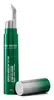
This anti-aging eye moisturizer is formulated around Acetyl Hexapeptide-8 and Copper Tripeptide-1 to soften the look of wrinkles and strengthen the skin barrier.
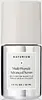
This anti-aging serum is formulated around Acetyl Hexapeptide-8 and Ferulic Acid to soften the look of wrinkles.


What's inside
What's inside
 Key Ingredients
Benefits
Concerns
Ingredients Side-by-side
Water
Skin ConditioningNiacinamide
Smoothing











Betaine
Humectant
Ethoxydiglycol
HumectantPropanediol
Solvent
Pullulan
Caffeine
Skin Conditioning
Xylitol
Humectant
Sodium Acrylate/Sodium Acryloyldimethyl Taurate Copolymer
Emulsion StabilisingIsohexadecane
EmollientAcetyl Hexapeptide-8
Humectant
Palmitoyl Tetrapeptide-7
Skin Conditioning
Dipeptide-2
Skin Conditioning
Adenosine
Skin Conditioning
Acetyl Tetrapeptide-5
Humectant
Palmitoyl Tripeptide-5
Skin Conditioning
Carnosine
Skin Conditioning
PPG-26-Buteth-26
Skin ConditioningPEG-40 Hydrogenated Castor Oil
Emulsifying


Glycerin
Humectant
1,2-Hexanediol
Skin Conditioning
Phenoxyethanol
Preservative
Ethylhexylglycerin
Skin ConditioningGlucosyl Hesperidin
HumectantAvena Sativa Kernel Extract
Abrasive

Poria Cocos Sclerotium Extract
AstringentPortulaca Oleracea Extract
Skin Conditioning
Palmitoyl Tripeptide-8
Skin Conditioning
Dipotassium Glycyrrhizate
Humectant
Caprylyl Glycol
Emollient
Ceramide NP
Skin Conditioning
Ceramide AP
Skin Conditioning
Ceramide EOP
Skin Conditioning
Phytosphingosine
Skin Conditioning
Butylene Glycol
Humectant
Phytosterols
Skin Conditioning
Hydrogenated Phosphatidylcholine
Emulsifying
Pistacia Lentiscus Gum
MaskingLecithin
Emollient
Pentylene Glycol
Skin Conditioning
Glyceryl Caprylate
EmollientGlyceryl Caprate
EmollientCaprylic/Capric Triglyceride
Masking
Pvp
Emulsion StabilisingSodium Silicate
BufferingDimethyl Isosorbide
SolventCopper Tripeptide-1
Skin Conditioning
Acrylates/C10-30 Alkyl Acrylate Crosspolymer
Emulsion StabilisingPanthenol
Skin Conditioning
Ferulic Acid
Antimicrobial
Tocopheryl Acetate
Antioxidant
Water, Niacinamide, Betaine, Ethoxydiglycol, Propanediol, Pullulan, Caffeine, Xylitol, Sodium Acrylate/Sodium Acryloyldimethyl Taurate Copolymer, Isohexadecane, Acetyl Hexapeptide-8, Palmitoyl Tetrapeptide-7, Dipeptide-2, Adenosine, Acetyl Tetrapeptide-5, Palmitoyl Tripeptide-5, Carnosine, PPG-26-Buteth-26, PEG-40 Hydrogenated Castor Oil, Glycerin, 1,2-Hexanediol, Phenoxyethanol, Ethylhexylglycerin, Glucosyl Hesperidin, Avena Sativa Kernel Extract, Poria Cocos Sclerotium Extract, Portulaca Oleracea Extract, Palmitoyl Tripeptide-8, Dipotassium Glycyrrhizate, Caprylyl Glycol, Ceramide NP, Ceramide AP, Ceramide EOP, Phytosphingosine, Butylene Glycol, Phytosterols, Hydrogenated Phosphatidylcholine, Pistacia Lentiscus Gum, Lecithin, Pentylene Glycol, Glyceryl Caprylate, Glyceryl Caprate, Caprylic/Capric Triglyceride, Pvp, Sodium Silicate, Dimethyl Isosorbide, Copper Tripeptide-1, Acrylates/C10-30 Alkyl Acrylate Crosspolymer, Panthenol, Ferulic Acid, Tocopheryl Acetate
Water
Skin ConditioningPropanediol
Solvent
Caprylic/Capric Triglyceride
Masking
Isopentyldiol
Humectant
Ethylhexyl Polyhydroxystearate
EmollientSqualane
Emollient
Tetradecane
Perfuming

Glyceryl Stearate Citrate
Emollient
Butyrospermum Parkii Butter
Skin Conditioning


Polyglyceryl-3 Stearate
Emulsifying
Helianthus Annuus Extract
Emollient
Oryza Sativa Bran Extract
Skin Conditioning
Mannitol
Humectant
Phosphatidylcholine
EmulsifyingFerulic Acid
Antimicrobial
Arginine
Masking
Acetyl Hexapeptide-8
Humectant
Copper Palmitoyl Heptapeptide-14
Skin Conditioning
Palmitoyl Sh-Heptapeptide-12 Sp
Skin Conditioning
Hydrolyzed Collagen
Emollient
Rosmarinus Officinalis Leaf Extract
AntimicrobialLactic Acid/Glycolic Acid Copolymer
Skin ConditioningGlycerin
Humectant
Tocopherol
Antioxidant
Pullulan
Lysolecithin
EmulsifyingSclerotium Gum
Emulsion StabilisingHydroxyethyl Acrylate/Sodium Acryloyldimethyl Taurate Copolymer
Emulsion StabilisingDimethicone
Emollient
Sodium Phytate
ChelatingDiglycerin
Humectant
Hydrogenated Lecithin
Emulsifying
Silica
Abrasive
Cetyl Alcohol
Emollient
Hydroxyacetophenone
Antioxidant
Polysorbate 60
Emulsifying
Sorbitan Isostearate
Emulsifying
Sodium Hydroxide
BufferingSodium Benzoate
Masking
Potassium Sorbate
Preservative
Polyvinyl Alcohol
Decyl Glucoside
Cleansing
Xanthan Gum
EmulsifyingTocopheryl Acetate
Antioxidant
Sodium Chloride
MaskingCitric Acid
Buffering
Phenoxyethanol
Preservative
Water, Propanediol, Caprylic/Capric Triglyceride, Isopentyldiol, Ethylhexyl Polyhydroxystearate, Squalane, Tetradecane, Glyceryl Stearate Citrate, Butyrospermum Parkii Butter, Polyglyceryl-3 Stearate, Helianthus Annuus Extract, Oryza Sativa Bran Extract, Mannitol, Phosphatidylcholine, Ferulic Acid, Arginine, Acetyl Hexapeptide-8, Copper Palmitoyl Heptapeptide-14, Palmitoyl Sh-Heptapeptide-12 Sp, Hydrolyzed Collagen, Rosmarinus Officinalis Leaf Extract, Lactic Acid/Glycolic Acid Copolymer, Glycerin, Tocopherol, Pullulan, Lysolecithin, Sclerotium Gum, Hydroxyethyl Acrylate/Sodium Acryloyldimethyl Taurate Copolymer, Dimethicone, Sodium Phytate, Diglycerin, Hydrogenated Lecithin, Silica, Cetyl Alcohol, Hydroxyacetophenone, Polysorbate 60, Sorbitan Isostearate, Sodium Hydroxide, Sodium Benzoate, Potassium Sorbate, Polyvinyl Alcohol, Decyl Glucoside, Xanthan Gum, Tocopheryl Acetate, Sodium Chloride, Citric Acid, Phenoxyethanol
Reviews
Ingredients Explained
These ingredients are found in both products.
Ingredients higher up in an ingredient list are typically present in a larger amount.
Acetyl Hexapeptide-8 (also known as Argireline) is a synthetic hexapeptide that is often called a "topical Botox alternative".
It works by mimicking how Botox relaxes muscles; it interferes with the signaling process that tells your facial muscles to contract. This can help soften expression lines like forehead wrinkles or crow's feet over time.
The comparison to Botox does have limits because the molecule is water-loving and relatively large.
Acetyl Hexapeptide-8 has a hard time absorbing deeply enough through the skin's outer barrier to actually reach the muscles.
So whether it truly works the way Botox does at a biological level is still up for debate, but early clinical outcomes are fairly encouraging.
A 12 week human study of a multi-ingredient regimen containing this ingredient saw:
While some studies have observed improvements in wrinkle appearance, it is important to note that more consistent results are seen in multi-ingredient formulations (vs just Acetyl Hexapeptide-8 alone).
Some research studies also used higher concentrations (up to 10%) while this ingredient is usually found in concentrations up to 0.005% in leave-on formulations.
Learn more about Acetyl Hexapeptide-8Caprylic/Capric Triglyceride (aka MCT Oil) is a lightweight emollient, solvent, and texture enhancer. It is considered a skin-softener by helping to prevent moisture loss.
Though it behaves like an oil, it is not technically one due to its chemical composition. One perk of this ingredient is that it is very stable, resistant to oxidation, and unlikely to go rancid.
In practice, that translates to a long shelf life and a consistently elegant skin feel.
While there is an assumption Caprylic Triglyceride can clog pores due to it being derived from coconut oil, there is no research supporting this. Just patch test if you have concerns.
Fractionated coconut oil and MCT Oil are both listed as Caprylic/Capric Triglyceride according to INCI. This is because INCI names are based on the ingredient’s final chemical composition and not its marketing name or source.
This ingredient is treated as the gold standard fungal acne safe oil. Even though it is coconut derived, the problematic lauric acid is stripped out.
This leaves just caprylic (C8) and capric (C10) acid. These chain lengths actually trend antifungal; a 2020 study found caprylic acid was enough to disrupt Malassezia furfur cell membrane, with a caprylic acid derivative damaging membrane structures at concentrations as low as 0.2%.
Learn more about Caprylic/Capric TriglycerideFerulic Acid is a plant based antioxidant that can be naturally found in the cell walls of grains like rice, oats, and corn. It has antioxidant and antimicrobial properties, and has the ability to boost the performance of other antioxidants as well.
A well-known study found that adding Ferulic Acid to a solution of Vitamins C and E doubled the photoprotection of skin. This is why you'll often see it paired with Vitamin C or Vitamin E serums rather than sold on its own.
A 2025 review of 18 human studies found that using Ferulic Acid (0.5-1%) daily for one to three months showed improvements in:
As far as allergies go, Ferulic acid is generally well-tolerated but can cause an allergic reaction in very rare cases. It's also worth noting that Ferulic acid is often extracted from plant sources like rice bran or wheat bran, so be sure to path test if you have known grain allergies.
Outside of skincare, researchers are also looking into Ferulic Acid for its potential benefits in areas like diabetes, Alzheimer's, and heart health.
Learn more about Ferulic AcidGlycerin (or glycerol) is a compound naturally found in your skin. It's a powerhouse humectant that pulls water into the stratum corneum.
Topically, glycerin does several things at once:
Your skin makes glycerin on its own (mostly from sebaceous oil breakdown) and shuttles it to your outermost layer of skin, or your epidermis, via aquaporin-3.
Aquaporin-3 is a transporter that is essential for normal skin hydration, elasticity, and repair. Interestingly, mice lacking in AQP3 have dry and less elastic skin that can be fully corrected with glycerin.
This ingredient is non-irritating, plays well with almost every ingredient, and works across all skin types. Typical use is anywhere between 3-10% but can go up to 79% in some leave-on products.
Just know very high concentrations (>40%) can feel tacky in low humidity.
Glycerin is the name for this ingredient in American English. British English uses Glycerol/Glycerine.
Learn more about GlycerinPhenoxyethanol is one of the most widely used preservatives in skincare (and for good reason!).
It has a large spectrum of antimicrobial activity and especially effective bacteria, yeast, and mold while only having a weak effect on your skin's natural microbiome.
On a cellular level, it disrupts the cell membranes of microbes by poking holes that make the cell leak. This shuts down the chemical reactions the microbe needs to make energy so it can no longer survive.
Another perk of this ingredient is that it stays functional across a wide pH range (3-10).
You'll often see it paired with boosters like Ethylhexylglycerin; one study showed that a 1:9 ratio of Ethylhexylglycerin to Phenoxyethanol damages bacterial membranes as effectively as doubling the Phenoxyethanol concentration on its own.
Typical use concentrations range from 0.3-1% depending on the formula, and this ingredient is capped at 1% int the EU.
Safety-wise, the fear mongering does not hold up to the evidence. The EU's Scientific Committee on Consumer Safety and FDA consider it safe as a preservative at up to 1%, including for children of all ages.
Adverse systemic effects only showed up in animal studies at exposures roughly 200x higher than what people get from cosmetics. And despite its very widespread use, this ingredient is a rare sensitizer and allergic reactions are uncommon.
Learn more about PhenoxyethanolPropanediol is an all-star ingredient. It softens, hydrates, and smooths the skin.
It’s often used to:
Propanediol is not likely to cause sensitivity and considered safe to use. It is derived from corn or petroleum with a clear color and no scent.
Learn more about PropanediolPullulan is a low viscosity polysaccharide (a long chain carbohydrate) with binding and film forming properties when dissolved in water. It is used to create a "silicone-like" or silky feel in cosmetics without adding viscosity.
According to a manufacturer, this ingredient's ability to easily dissolves makes it a great carrier for active ingredients.
Due to it being edible and tasteless, you'll likely find this ingredient in breath freshener strips. This ingredient is produced from the starch of the fungus, Aureobasidium pullulans.
Pullulan is stable over a broad-range of pH.
Learn more about PullulanTocopheryl Acetate is a stable, shelf-friendly form of vitamin E.
Formulators love it because plain vitamin E oxidizes quickly once it hits air. This acetate version stays stable and resists going off, helping to extend a product's shelf life.
It's actually inactive on its own and works like a slow-release "storage" form; the enzymes in your skin called esterases gradually convert it into active vitamin E over time.
One in vivo study showed 5% of the acetate in the living layer of the epidermis converted to vitamin E after 5 days of application. This study also found the skin gained protection against UV damage even though the conversion was slow and small.
Once converted, vitamin E acts as a skin's main fat-soluble antioxidant that fights free radicals to protect skin from damage.
Topical vitamin E generally boosts the skin's photoprotection, and it reduced UV-damage in animal models.
This ingredient has some brightening potential but it's more of a prevention ingredient than spot-fader. Cell studies show it can slow down melanin production but it's worth noting that it's not the most powerful brightener out there.
Overall, it has a pretty solid safety profile and has been found to be non-irritating and non-comedogenic. Allergic reactions may happen but stay rare due to how widely the ingredient gets used.
The concentration will vary depending on the formula; industry data shows 0.1% in baby lotions, 3% in lipsticks, and 5% in foot powders. You can also find this ingredient at 100% in a pure vitamin E oil.
Most leave-on skincare keeps it at the lower end, often between 0.5-1%.
Learn more about Tocopheryl AcetateWater. It's the most common cosmetic ingredient of all. You'll usually see it at the top of ingredient lists, meaning that it makes up the largest part of the product.
So why is it so popular? Water most often acts as a solvent - this means that it helps dissolve other ingredients into the formulation.
You'll also recognize water as that liquid we all need to stay alive. If you see this, drink a glass of water. Remember to stay hydrated!
Learn more about Water

