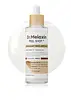
This smoothing ampoule is formulated around Niacinamide and Oryza Sativa Extract to refine skin texture and brighten dull-looking skin.
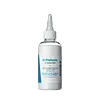
This brightening toner is formulated around Niacinamide and Tranexamic Acid to fade the look of dark spots and refine skin texture.

What's inside
What's inside
 Key Ingredients
Benefits
Concerns
Ingredients Side-by-side
Oryza Sativa Bran Water
Masking
Dipropylene Glycol
HumectantWater
Skin ConditioningTripropylene Glycol
Antioxidant
Cellulose
Absorbent
Propanediol
Solvent

Butylene Glycol
Humectant
1,2-Hexanediol
Skin Conditioning
Carbomer
Emulsion StabilisingSteartrimonium Methosulfate
Glycerin
Humectant
Saccharide Isomerate
Humectant
Isopropyl Alcohol
Solvent




Hydroxyacetophenone
Antioxidant
Glycereth-25 PCA Isostearate
Emulsifying
Cetyl Ethylhexanoate
EmollientEthylhexyl Palmitate
Emollient

Squalane
Emollient
Ethylhexylglycerin
Skin ConditioningSucrose Distearate
Emollient
Caprylic/Capric Triglyceride
Masking
Hydrolyzed Gardenia Florida Extract
Antioxidant
Hydrolyzed Malt Extract
Skin ConditioningHydrolyzed Viola Tricolor Extract
Skin ProtectingDisodium EDTA
ChelatingParfum
Masking
Hydrogenated Lecithin
Emulsifying
Hyaluronic Acid
Humectant
Hydrolyzed Hyaluronic Acid
Humectant
Sodium Hyaluronate
Humectant
Niacinamide
Smoothing






Oryza Sativa Extract
Absorbent
Citric Acid
Buffering
Sodium Citrate
BufferingCoptis Japonica Root Extract
Skin ConditioningTheobroma Cacao Seed Extract
Antioxidant
Dextrin
AbsorbentArbutin
Antioxidant
Gluconolactone
Chelating
Salicylic Acid
Masking

Oryza Sativa Bran Water, Dipropylene Glycol, Water, Tripropylene Glycol, Cellulose, Propanediol, Butylene Glycol, 1,2-Hexanediol, Carbomer, Steartrimonium Methosulfate, Glycerin, Saccharide Isomerate, Isopropyl Alcohol, Hydroxyacetophenone, Glycereth-25 PCA Isostearate, Cetyl Ethylhexanoate, Ethylhexyl Palmitate, Squalane, Ethylhexylglycerin, Sucrose Distearate, Caprylic/Capric Triglyceride, Hydrolyzed Gardenia Florida Extract, Hydrolyzed Malt Extract, Hydrolyzed Viola Tricolor Extract, Disodium EDTA, Parfum, Hydrogenated Lecithin, Hyaluronic Acid, Hydrolyzed Hyaluronic Acid, Sodium Hyaluronate, Niacinamide, Oryza Sativa Extract, Citric Acid, Sodium Citrate, Coptis Japonica Root Extract, Theobroma Cacao Seed Extract, Dextrin, Arbutin, Gluconolactone, Salicylic Acid
Water
Skin ConditioningMethylpropanediol
SolventTriethylhexanoin
MaskingButylene Glycol
Humectant
Caprylic/Capric Triglyceride
Masking
Ethylhexyl Palmitate
Emollient
Niacinamide
Smoothing
1,2-Hexanediol
Skin Conditioning
Tranexamic Acid
Astringent
Hydrogenated Polydecene
EmollientSodium Citrate
BufferingHydrogenated Lecithin
Emulsifying
Ethylhexylglycerin
Skin ConditioningAdenosine
Skin Conditioning
Cellulose Gum
Emulsion StabilisingGlycolic Acid
Buffering
Capryloyl Salicylic Acid
Exfoliating
Gluconolactone
Chelating
Salicylic Acid
Masking
Sodium Phytate
ChelatingAllantoin
Skin Conditioning
Betaine
Humectant
Panthenol
Skin Conditioning
Houttuynia Cordata Extract
Skin Conditioning
Bacillus Ferment
Skin Conditioning
Bifida Ferment Extract
Humectant
Bifida Ferment Filtrate
Skin Conditioning
Glutathione
Lactobacillus Ferment
Skin Conditioning
Lactobacillus Ferment Lysate
Skin Conditioning
Lactococcus Ferment Lysate
Skin Conditioning
Sodium Hyaluronate
Humectant
Rice Ferment Filtrate
Skin Conditioning
Saccharomyces Ferment
Skin Conditioning
Saccharomyces Ferment Filtrate
Humectant
Saccharomyces Ferment Lysate Filtrate
Skin Conditioning
Hydroxypropyltrimonium Hyaluronate
Hydrolyzed Hyaluronic Acid
Humectant
Sodium Acetylated Hyaluronate
Humectant
Hyaluronic Acid
Humectant
Hydrolyzed Sodium Hyaluronate
Skin Conditioning
Sodium Hyaluronate Crosspolymer
Humectant
Potassium Hyaluronate
Skin ConditioningWater, Methylpropanediol, Triethylhexanoin, Butylene Glycol, Caprylic/Capric Triglyceride, Ethylhexyl Palmitate, Niacinamide, 1,2-Hexanediol, Tranexamic Acid, Hydrogenated Polydecene, Sodium Citrate, Hydrogenated Lecithin, Ethylhexylglycerin, Adenosine, Cellulose Gum, Glycolic Acid, Capryloyl Salicylic Acid, Gluconolactone, Salicylic Acid, Sodium Phytate, Allantoin, Betaine, Panthenol, Houttuynia Cordata Extract, Bacillus Ferment, Bifida Ferment Extract, Bifida Ferment Filtrate, Glutathione, Lactobacillus Ferment, Lactobacillus Ferment Lysate, Lactococcus Ferment Lysate, Sodium Hyaluronate, Rice Ferment Filtrate, Saccharomyces Ferment, Saccharomyces Ferment Filtrate, Saccharomyces Ferment Lysate Filtrate, Hydroxypropyltrimonium Hyaluronate, Hydrolyzed Hyaluronic Acid, Sodium Acetylated Hyaluronate, Hyaluronic Acid, Hydrolyzed Sodium Hyaluronate, Sodium Hyaluronate Crosspolymer, Potassium Hyaluronate
Reviews
Ingredients Explained
These ingredients are found in both products.
Ingredients higher up in an ingredient list are typically present in a larger amount.
1,2-Hexanediol is a synthetic liquid and another multi-functional powerhouse.
It is a:
- Humectant, drawing moisture into the skin
- Emollient, helping to soften skin
- Solvent, dispersing and stabilizing formulas
- Preservative booster, enhancing the antimicrobial activity of other preservatives
Butylene Glycol (or BG) is used within cosmetic products for a few different reasons:
Overall, Butylene Glycol is a safe and well-rounded ingredient that works well with other ingredients.
Though this ingredient works well with most skin types, some people with sensitive skin may experience a reaction such as allergic rashes, closed comedones, or itchiness.
Learn more about Butylene GlycolCaprylic/Capric Triglyceride (aka MCT Oil) is a lightweight emollient, solvent, and texture enhancer. It is considered a skin-softener by helping to prevent moisture loss.
Though it behaves like an oil, it is not technically one due to its chemical composition. One perk of this ingredient is that it is very stable, resistant to oxidation, and unlikely to go rancid.
In practice, that translates to a long shelf life and a consistently elegant skin feel.
While there is an assumption Caprylic Triglyceride can clog pores due to it being derived from coconut oil, there is no research supporting this. Just patch test if you have concerns.
Fractionated coconut oil and MCT Oil are both listed as Caprylic/Capric Triglyceride according to INCI. This is because INCI names are based on the ingredient’s final chemical composition and not its marketing name or source.
This ingredient is treated as the gold standard fungal acne safe oil. Even though it is coconut derived, the problematic lauric acid is stripped out.
This leaves just caprylic (C8) and capric (C10) acid. These chain lengths actually trend antifungal; a 2020 study found caprylic acid was enough to disrupt Malassezia furfur cell membrane, with a caprylic acid derivative damaging membrane structures at concentrations as low as 0.2%.
Learn more about Caprylic/Capric TriglycerideEthylhexyl Palmitate, also known as octyl palmitate, is created from 2-ethylhexyl alcohol and palmitic acid.
In cosmetics, it plays many roles:
One thing worth noting: a controlled study found this ingredient applied under occlusion to acne-prone subjects increased microcomedones. Just keep in mind this was under occlusive conditions and don't reflect how most products are used day-to-day.
For most people, this is a well-tolerated and lightweight ingredient.
This ingredient may not be fungal acne safe because it is an ester of palmitic acid, a C16 fatty acid that falls within the C11-24 range that Malassezia can metabolize.
You'll see this one rated 4 comedogenic all over the internet. That number isn't from a single study, and the actual research is more interesting.
The original rating comes from 1980s rabbit ear tests (which are a shaky basis for anything). But Ethylhexyl Palmitate is one of the few ingredients with real human data behind it. A 2021 controlled trial found this ingredient increased microcomedones by an average of 365% over four weeks.
Just know that test used the pure ingredient under an occlusive pad on back skin; most products use it at much lower levels alongside other ingredients and plenty of people use those with no issue.
Learn more about Ethylhexyl PalmitateEthylhexylglycerin is created from glycerin. It is a multitasker ingredient that:
The CIR Expert Panel found minimal skin absorption or sensitization of any kind in a safety assessment. Though this ingredient is considered well-tolerated, a small number of cases of allergic dermatitis have been published since 2002. Just be sure to patch test if you are unsure.
Industry-reported use ranges from 8% in rinse-off products and 2% in leave-on formulations.
Learn more about EthylhexylglycerinGluconolactone is a PHA. PHAs are a great gentle alternative to traditional AHAs.
When applied, Gluconolactone has the same affect on skin as AHAs such as lactic acid. It helps dissolve the dead skin cells in the top layer of your skin. This improves texture and brightens the skin.
PHAs are more gentle than AHAs due to their larger structure. They do not penetrate as deeply as AHAs and take a longer time to dissolve dead cells. Studies show PHAs do not cause as much irritation.
Gluconolactone has some interesting properties:
In a 2004 study, Gluconolactone was found to prevent UV damage in mouse skin cells and has not been found to increase sun sensitivity. However, we still recommend wearing SPF daily.
This ingredient is is an created by reacting gluconic acid with an alcohol.
Learn more about GluconolactoneHyaluronic acid (HA) is a glycosaminoglycan (basically a long sugar chain) that your skin already makes on its own. In your skin, HA lives in the extracellular matrix and acts as the body's moisture reservoir.
Topically, HA is a humectant that binds water and helps skin look more plump, smooth, and hydrated.
The only catch is that HA isn't a single thing; it actually comes in a wide range of molecular weights (~50 - 2,000+ kDA) and size matters.
Some clinical evidence links low molecular weight versions to improved wrinkle depth, elasticity, anti-inflammatory effects, and barrier repair.
This is why the best HA serums blend the two sizes together so you get the best of both worlds.
The majority of cosmetic HA is produced by bacterial fermentation, typically using Streptococcus or Bacillus strains. Typical use levels in skincare sit around 0.1-2%.
A clinical study using a 0.2% low-molecular weight HA gel showed improvement in facial seborrheic dermatitis with excellent tolerance.
These are some other common types of Hyaluronic Acid:
Learn more about Hyaluronic AcidHydrogenated Lecithin is a more stable version of lecithin.
It's made by taking lecithin (a phospholipid commonly found in soybeans and egg yolks) and hydrogenating it. This just means the unsaturated fatty acids are turned into saturated ones so they don't go bad as easily.
This ingredient is an emollient, emulsifier, and penetration enhancer. As an emollient, it helps soften and hydrate skin by trapping moisture within. As an emulsifier, it prevents oil and water ingredients from separating.
Hydrogenated Lecithin can form tiny spherical structures made of phospholipid bilayers called liposomes. These liposomes are able to capture compounds inside their structure and deliver them through the skin barrier.
Because phospholipids are a natural component of our cell membranes, this ingredient is inherently compatible with skin.
A 2021 study found lecithin-based surfactants were less harsh and more tolerable comared to Sodium Lauryl Sulfate (SLS).
Learn more about Hydrogenated LecithinHydrolyzed Hyaluronic Acid is hyaluronic acid (HA) that is broken down into lower molecular weight fragments.
It's a humectant that pulls and holds water in the skin to help with hydration, plumpness, and reduce transepidermal water loss.
Because hydrolyzed hyaluronic acid is smaller in size, it can slip past your outermost layer of skin more easily than full-sized HA.
Most formulations will combine all sizes to get the best of both worlds.
Typical usage levels range from 0.01-1%. Any percentage higher than 2% might become goopy and tacky.
Learn more about Hydrolyzed Hyaluronic AcidNiacinamide is a multitasking form of vitamin B3 that strengthens the skin barrier, reduces pores and dark spots, regulates oil, and improves signs of aging.
And the best part? It's gentle and well-tolerated by most skin types, including sensitive and reactive skin.
You might have heard of "niacin flush", or the reddening of skin that causes itchiness. Niacinamide has not been found to cause this.
In very rare cases, some individuals may not be able to tolerate niacinamide at all or experience an allergic reaction to it.
If you are experiencing flaking, irritation, and dryness with this ingredient, be sure to double check all your products as this ingredient can be found in all categories of skincare.
When incorporating niacinamide into your routine, look out for concentration amounts. Typically, 5% niacinamide provides benefits such as fading dark spots. However, if you have sensitive skin, it is better to begin with a smaller concentration.
When you apply niacinamide to your skin, your body converts it into nicotinamide adenine dinucleotide (NAD). NAD is an essential coenzyme that is already found in your cells as "fuel" and powers countless biological processes.
In your skin, NAD helps repair cell damage, produce new healthy cells, support collagen production, strengthen the skin barrier, and fight environmental stressors (like UV and pollution).
Our natural NAD levels start to decline with age, leading to slower skin repair, visible aging, and a weaker skin barrier. By providing your skin niacinamide, you're recharging your skin's NAD levels. This leads to stronger, healthier, and younger looking skin.
Another name for vitamin B3 is nicotinamide. This vitamin is water-soluble and our bodies don't store it. We obtain Vitamin B3 from either food or skincare. Meat, fish, wheat, yeast, and leafy greens contain vitamin B3.
The type of niacinamide used in skincare is synthetically created.
Learn more about NiacinamideSalicylic Acid (also known as beta hydroxy acid or BHA) is a well-known ingredient for treating skin that struggles with acne and clogged pores. It exfoliates both the skin's surface and deep within the pores to help clear out buildup, control oil, and reduce inflammation.
Unlike AHAs (alpha hydroxy acids), salicylic acid is oil-soluble. This allows it to penetrate into pores which makes it especially effective for treating blackheads and preventing future breakouts.
Salicylic acid is also known for its soothing properties. It has a similar structure to aspirin and can calm inflamed or irritated skin, making it a good option for acne-prone skin that is also sensitive.
Concentrations of 0.5-2% are recognized by the U.S. FDA as an over-the-counter topical acne product.
It can cause irritation and/or dryness if one's skin already has a compromised moisture barrier, so it's best to focus on repairing that before introducing this ingredient into your routine.
While salicylic acid does not increase sun sensitivity, it’s still important to wear sunscreen daily to protect your skin.
If you are looking for the ingredient called BHA or Butylated Hydroxyanisole, click here.
Learn more about Salicylic AcidSodium Citrate is the sodium salts of citric acid. In skincare, it is used to alter pH levels and acts as a preservative.
Its main functions are to maintain the pH of a product and neutralize metal ions.
The acidity of our skin is maintained by our glands and skin biome; normal pH level of skin is slightly acidic (~4.75-5.5).
Being slightly acidic allows our skin to create an "acid mantle". This acid mantle is a thin barrier that protects our skin from bacteria and contaminants.
Learn more about Sodium CitrateSodium Hyaluronate is the salt form of hyaluronic acid. It is a long sugar chain that is naturally found in your skin, joints, and connective tissue that maintains hydration and elasticity.
In skincare, it works as a humectant. It pulls water from the environment and deeper layers of skin and binds it to the surface.
Interestingly, the size of the molecule affects its behavior:
Some clinical evidence links low molecular weight versions to improved wrinkle depth, elasticity, anti-inflammatory effects, and barrier repair.
Many serums use a blend of both weights so you can get surface hydration plus longer-lasting and deeper effects.
You'll typically see concentrations between 0.1-2% for this ingredient.
Learn more about Sodium HyaluronateWater. It's the most common cosmetic ingredient of all. You'll usually see it at the top of ingredient lists, meaning that it makes up the largest part of the product.
So why is it so popular? Water most often acts as a solvent - this means that it helps dissolve other ingredients into the formulation.
You'll also recognize water as that liquid we all need to stay alive. If you see this, drink a glass of water. Remember to stay hydrated!
Learn more about Water


