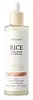
This oil-control ampoule is formulated around Cellulose and Salix Alba Bark Extract to balance excess oil.
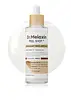
This smoothing ampoule is formulated around Niacinamide and Oryza Sativa Extract to refine skin texture and brighten dull-looking skin.

What's inside
What's inside
 Key Ingredients
Benefits
Concerns
Ingredients Side-by-side
Oryza Sativa Seed Water
Antimicrobial
Water
Skin ConditioningCellulose
Absorbent
Propanediol
Solvent

1,2-Hexanediol
Skin Conditioning
Ethylhexylglycerin
Skin ConditioningDisodium EDTA
ChelatingBacillus/Soybean Ferment Extract
Skin ConditioningLactobacillus/Rye Flour Ferment
Skin ConditioningLactobacillus/Soymilk Ferment Filtrate
Skin ConditioningButylene Glycol
Humectant
Hydrolyzed Soy Protein Extract
Skin ConditioningJasminum Officinale Extract
Masking

Madecassoside
Antioxidant




Salix Alba Bark Extract
Astringent
Solanum Melongena Fruit Extract
Skin ConditioningCoptis Japonica Root Extract
Skin ConditioningGlycine Soja Oil
Emollient





Sodium Phytate
ChelatingSodium DNA
Skin Conditioning
Oryza Sativa Seed Water, Water, Cellulose, Propanediol, 1,2-Hexanediol, Ethylhexylglycerin, Disodium EDTA, Bacillus/Soybean Ferment Extract, Lactobacillus/Rye Flour Ferment, Lactobacillus/Soymilk Ferment Filtrate, Butylene Glycol, Hydrolyzed Soy Protein Extract, Jasminum Officinale Extract, Madecassoside, Salix Alba Bark Extract, Solanum Melongena Fruit Extract, Coptis Japonica Root Extract, Glycine Soja Oil, Sodium Phytate, Sodium DNA
Oryza Sativa Bran Water
Masking
Dipropylene Glycol
HumectantWater
Skin ConditioningTripropylene Glycol
Antioxidant
Cellulose
Absorbent
Propanediol
Solvent
Butylene Glycol
Humectant
1,2-Hexanediol
Skin Conditioning
Carbomer
Emulsion StabilisingSteartrimonium Methosulfate
Glycerin
Humectant
Saccharide Isomerate
Humectant
Isopropyl Alcohol
Solvent

Hydroxyacetophenone
Antioxidant
Glycereth-25 PCA Isostearate
Emulsifying
Cetyl Ethylhexanoate
EmollientEthylhexyl Palmitate
Emollient
Squalane
Emollient
Ethylhexylglycerin
Skin ConditioningSucrose Distearate
Emollient
Caprylic/Capric Triglyceride
Masking
Hydrolyzed Gardenia Florida Extract
Antioxidant
Hydrolyzed Malt Extract
Skin ConditioningHydrolyzed Viola Tricolor Extract
Skin ProtectingDisodium EDTA
ChelatingParfum
Masking
Hydrogenated Lecithin
Emulsifying
Hyaluronic Acid
Humectant
Hydrolyzed Hyaluronic Acid
Humectant
Sodium Hyaluronate
Humectant
Niacinamide
Smoothing



Oryza Sativa Extract
Absorbent
Citric Acid
Buffering
Sodium Citrate
BufferingCoptis Japonica Root Extract
Skin ConditioningTheobroma Cacao Seed Extract
Antioxidant
Dextrin
AbsorbentArbutin
Antioxidant
Gluconolactone
Chelating
Salicylic Acid
Masking

Oryza Sativa Bran Water, Dipropylene Glycol, Water, Tripropylene Glycol, Cellulose, Propanediol, Butylene Glycol, 1,2-Hexanediol, Carbomer, Steartrimonium Methosulfate, Glycerin, Saccharide Isomerate, Isopropyl Alcohol, Hydroxyacetophenone, Glycereth-25 PCA Isostearate, Cetyl Ethylhexanoate, Ethylhexyl Palmitate, Squalane, Ethylhexylglycerin, Sucrose Distearate, Caprylic/Capric Triglyceride, Hydrolyzed Gardenia Florida Extract, Hydrolyzed Malt Extract, Hydrolyzed Viola Tricolor Extract, Disodium EDTA, Parfum, Hydrogenated Lecithin, Hyaluronic Acid, Hydrolyzed Hyaluronic Acid, Sodium Hyaluronate, Niacinamide, Oryza Sativa Extract, Citric Acid, Sodium Citrate, Coptis Japonica Root Extract, Theobroma Cacao Seed Extract, Dextrin, Arbutin, Gluconolactone, Salicylic Acid
Reviews
Ingredients Explained
These ingredients are found in both products.
Ingredients higher up in an ingredient list are typically present in a larger amount.
1,2-Hexanediol is a synthetic liquid and another multi-functional powerhouse.
It is a:
- Humectant, drawing moisture into the skin
- Emollient, helping to soften skin
- Solvent, dispersing and stabilizing formulas
- Preservative booster, enhancing the antimicrobial activity of other preservatives
Butylene Glycol (or BG) is used within cosmetic products for a few different reasons:
Overall, Butylene Glycol is a safe and well-rounded ingredient that works well with other ingredients.
Though this ingredient works well with most skin types, some people with sensitive skin may experience a reaction such as allergic rashes, closed comedones, or itchiness.
Learn more about Butylene GlycolCellulose is the main component of plant cell walls. It is used as an emulsifier, absorbent, and texture enhancer.
This ingredient has many functions:
Fun fact: Cellulose is the most abundant form of organic polymer on Earth.
Learn more about CelluloseCoptis Japonica Root Extract, also known as Japanese Goldthread, is a traditional East Asian herb. It is prized for its anti-inflammatory, antioxidant, and antimicrobial properties.
That’s not all - research in the International Journal of Cosmetic Science found that its active compound, berberine, may help reduce fat accumulation and slow down fat cell development.
This makes it a promising ingredient for slimming and anti-cellulite products!
Learn more about Coptis Japonica Root ExtractDisodium EDTA is a chelating agent. It grabs onto and deactivates metal ions that sneak into your products from water, packaging, or air.
This ingredient mainly works behind the scenes and helps with:
On top of that, this ingredient can counteract the effects of hard water by binding to the minerals in it.
One thing worth knowing is that Disodium EDTA has been shown to be a mild penetration enhancer. It can help other ingredients absorb into skin more effectively which can be a double-edged sword (great for actives, but can also make the active too strong if you have sensitive skin).
Clinical patch testing showed no significant skin irritation at typical use concentrations and minimal dermal absorption.
You'll most likely see this ingredient near the end of an ingredient list. It's typically found in concentrations less than 1%.
Learn more about Disodium EDTAEthylhexylglycerin is created from glycerin. It is a multitasker ingredient that:
The CIR Expert Panel found minimal skin absorption or sensitization of any kind in a safety assessment. Though this ingredient is considered well-tolerated, a small number of cases of allergic dermatitis have been published since 2002. Just be sure to patch test if you are unsure.
Industry-reported use ranges from 8% in rinse-off products and 2% in leave-on formulations.
Learn more about EthylhexylglycerinPropanediol is an all-star ingredient. It softens, hydrates, and smooths the skin.
It’s often used to:
Propanediol is not likely to cause sensitivity and considered safe to use. It is derived from corn or petroleum with a clear color and no scent.
Learn more about PropanediolWater. It's the most common cosmetic ingredient of all. You'll usually see it at the top of ingredient lists, meaning that it makes up the largest part of the product.
So why is it so popular? Water most often acts as a solvent - this means that it helps dissolve other ingredients into the formulation.
You'll also recognize water as that liquid we all need to stay alive. If you see this, drink a glass of water. Remember to stay hydrated!
Learn more about Water


