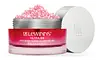
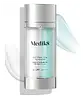
Dr. Lewinns Ultra R4 Collagen Surge Plumping Gel Versus Medik8 Copper PCA Peptides Mineral Antioxidant Peptide Serum
This anti-aging serum is formulated around Sodium Acetylated Hyaluronate to soften the look of wrinkles.
This anti-aging serum is formulated around Niacinamide and Palmitoyl Tripeptide-1 to soften the look of wrinkles and refine skin texture.


What's inside
What's inside
 Key Ingredients
Benefits
Concerns
Ingredients Side-by-side
Water
Skin ConditioningStearyl Dimethicone
Emollient
Propylene Glycol
Humectant


Glycerin
Humectant

Hydrolyzed Collagen
Emollient
Sodium Acetylated Hyaluronate
Humectant
Copper Lysinate/Prolinate
Skin ConditioningPanax Ginseng Root Extract
Emollient

Portulaca Oleracea Extract
Skin Conditioning
Centella Asiatica Extract
Cleansing
Ceramide NP
Skin Conditioning
Aminobutyric Acid
Biosaccharide Gum-1
Humectant
Hydrolyzed Keratin
Humectant
Agar
MaskingPhenoxyethanol
Preservative
1,2-Hexanediol
Skin Conditioning
Xanthan Gum
EmulsifyingSodium Polyacrylate
Absorbent
Pvp
Emulsion StabilisingPolyvinyl Alcohol
Polyacrylamide
C13-14 Isoparaffin
Emollient
Acrylates Copolymer
Parfum
Masking


Laureth-7
EmulsifyingDisodium EDTA
ChelatingMethylglucoside Phosphate
Skin ConditioningCyclopentasiloxane
Emollient
Polyvinyl Acetate
Emulsion StabilisingPolysilicone-11

CI 77120
Cosmetic ColorantEthylhexylglycerin
Skin ConditioningCholesterol
Emollient
Palmitoyl Tripeptide-5
Skin Conditioning
Phytosphingosine
Skin Conditioning
Benzyl Salicylate
Perfuming
Hexyl Cinnamal
Perfuming
Citronellol
Perfuming
Hydroxycitronellal
Perfuming
Linalool
Perfuming
Butylphenyl Methylpropional
Perfuming
CI 77491
Cosmetic ColorantCI 18050
Cosmetic ColorantWater, Stearyl Dimethicone, Propylene Glycol, Glycerin, Hydrolyzed Collagen, Sodium Acetylated Hyaluronate, Copper Lysinate/Prolinate, Panax Ginseng Root Extract, Portulaca Oleracea Extract, Centella Asiatica Extract, Ceramide NP, Aminobutyric Acid, Biosaccharide Gum-1, Hydrolyzed Keratin, Agar, Phenoxyethanol, 1,2-Hexanediol, Xanthan Gum, Sodium Polyacrylate, Pvp, Polyvinyl Alcohol, Polyacrylamide, C13-14 Isoparaffin, Acrylates Copolymer, Parfum, Laureth-7, Disodium EDTA, Methylglucoside Phosphate, Cyclopentasiloxane, Polyvinyl Acetate, Polysilicone-11, CI 77120, Ethylhexylglycerin, Cholesterol, Palmitoyl Tripeptide-5, Phytosphingosine, Benzyl Salicylate, Hexyl Cinnamal, Citronellol, Hydroxycitronellal, Linalool, Butylphenyl Methylpropional, CI 77491, CI 18050
Water
Skin ConditioningCyclopentasiloxane
Emollient
Glycerin
Humectant
Caprylic/Capric Triglyceride
Masking
Stearic Acid
Cleansing
Polyacrylamide
Cyclohexasiloxane
Emollient
Theobroma Cacao Seed Butter
Emollient
Phenoxyethanol
Preservative
C13-14 Isoparaffin
Emollient
Bis-Diglyceryl Polyacyladipate-2
Emollient
Cetearyl Alcohol
Emollient
Copper PCA
HumectantNiacinamide
Smoothing




Butylene Glycol
Humectant
Benzyl Alcohol
Perfuming
Laureth-7
EmulsifyingPolysilicone-11
Triethanolamine
BufferingAminobutyric Acid
CI 77120
Cosmetic ColorantAcrylates/C10-30 Alkyl Acrylate Crosspolymer
Emulsion StabilisingEthylhexylglycerin
Skin ConditioningPalmitoyl Tripeptide-1
Skin Conditioning
Palmitoyl Tetrapeptide-7
Skin Conditioning
Dimethylmethoxy Chromanol
Antioxidant
Centella Asiatica Extract
Cleansing
Panax Ginseng Root Extract
Emollient
Portulaca Oleracea Extract
Skin Conditioning
Dehydroacetic Acid
Preservative
Carbomer
Emulsion StabilisingPolysorbate 20
Emulsifying
Pentylene Glycol
Skin Conditioning
Sodium Benzoate
Masking
Superoxide Dismutase
Antioxidant
Tromethamine
BufferingSodium Metabisulfite
Antioxidant
Water, Cyclopentasiloxane, Glycerin, Caprylic/Capric Triglyceride, Stearic Acid, Polyacrylamide, Cyclohexasiloxane, Theobroma Cacao Seed Butter, Phenoxyethanol, C13-14 Isoparaffin, Bis-Diglyceryl Polyacyladipate-2, Cetearyl Alcohol, Copper PCA, Niacinamide, Butylene Glycol, Benzyl Alcohol, Laureth-7, Polysilicone-11, Triethanolamine, Aminobutyric Acid, CI 77120, Acrylates/C10-30 Alkyl Acrylate Crosspolymer, Ethylhexylglycerin, Palmitoyl Tripeptide-1, Palmitoyl Tetrapeptide-7, Dimethylmethoxy Chromanol, Centella Asiatica Extract, Panax Ginseng Root Extract, Portulaca Oleracea Extract, Dehydroacetic Acid, Carbomer, Polysorbate 20, Pentylene Glycol, Sodium Benzoate, Superoxide Dismutase, Tromethamine, Sodium Metabisulfite
Ingredients Explained
These ingredients are found in both products.
Ingredients higher up in an ingredient list are typically present in a larger amount.
Aminobutyric Acid is an antioxidant. Antioxidants help fight free-radicals. Free-radicals are molecules that may damage your skin cells, such as pollution.
Studies have shown Gamma-Aminobutyric Acid may reduce hyperpigmentation.
C13-14 Isoparaffin is a synthetic emollient, solvent, and thickening agent. It helps soften skin and improves spreadability without leaving a greasy residue.
This ingredient has been found to be non-sensitizing and safe for use in cosmetics.
Two things floating around online that cause fear-mongering:
There's one scary-sounding study related to kidney tumors in male rats; this depends on a protein called alpha-2u-globulin that binds the ingredient and clogs up kidney cells. Female rats barely make this protein, and humans don't make it at all so this effect cannot happen to us. Regulatory bodies have states this rat-only pathway shouldn't be used to judge human risk.
The other thing you'll see is 1,4-dioxane being a trace byproduct that can form during manufacturing of petroleum-derived ingredients. This is a real, but heavily managed/monitored issue. This byproduct is removed through purification steps before the ingredients goes into the formula. Regulatory bodies also actively monitor residual levels for safety.
One last thing to note: this ingredient is a pure hydrocarbon with no fatty-acid or ester chains for Malassezia to feed on, so it's considered fungal acne safe.
Learn more about C13-14 IsoparaffinCentella Asiatica Extract (Centella) is one of the most researched botanical extracts in skincare with decades of studies backing its effects on inflammation, collagen, and the skin barrier.
That research keeps pointing back to the same four triterpenoid saponins: Asiaticoside, Madecassoside, Asiatic Acid, and Madecassic Acid.
These compounds allow centella to dial back inflammation, encourage the skin to build and hold onto collagen, support the barrier and hydration, and bring solid antioxidant activity to protect against signs of aging.
Centella also carries a nice supporting cast of Vitamin A, vitamin C, several B vitamins, and amino acids. Put it all together and you get an ingredient that soothes, hydrates, and protects, all at once.
Most of centella's magic comes from the four big compounds (Asiaticoside, Madecassoside, Asiatic Acid, and Madecassic Acid). These are the actives doing the heavy lifting in almost every centella study.
Here is the short version of what they do in the skin:
So it is not just soothing for the sake of soothing. Centella calms the skin AND helps it rebuild.
Just FYI, not all centella on an ingredient list is the same. What you are getting actually depends on the extract:
Fun fact on the ratios: the leaves tend to be richest in Madecassoside and Asiaticoside, and lower in the two acids. The exact amounts shift with where the plant is grown and how it is processed. This means purity really does vary brand to brand.
Centella is one of the most easygoing actives out there.
It layers well with basically everything: niacinamide, hyaluronic acid, peptides, and vitamin C, and also pairs nicely with stronger actives like retinoids and exfoliating acids where it can help take the edge off irritation.
On the safety side, centella and its triterpenes are classified as weak sensitizers, meaning allergic reactions are possible but uncommon.
Patch tests at 1% and 5% came back negative in test panels, and creams at typical use levels did not cause allergic reactions across large groups of people.
But as with any new active, a patch test is still a smart move for very reactive skin.
Centella is widely used because it is effective at low percentages. For context, human safety testing found no meaningful irritation from creams containing centella extract at everyday use levels (the tested amounts were well under 1%).
The irritancy threshold in animal testing was also above 30% (so real-world formulas sit far below anything concerning).
In collagen lab studies, higher concentrations drove more collagen synthesis, so serums built around centella tend to feature it more prominently.
Bottom line: you will find centella working nicely anywhere from a fraction of a percent up to hero-ingredient levels depending on whether it is a supporting soother or the main event.
Fun fact: Centella has been used as a medicine and in food for many centuries. As a medicine, it is used to treat burns, scratches, and wounds.
Learn more about Centella Asiatica ExtractWe don't have a description for CI 77120 yet.
Cyclopentasiloxane (D5) is a lightweight silicone that mostly acts as an emollient and solvent in cosmetics. Its the reason your products feel silky, fast-spreading, and non-greasy.
Since D5 is volatile, it does its thing and then evaporates off the skin quickly.
The safety profile of this ingredient is reassuring; the US CIR Expert Panel concluded D5 is safe as used in cosmetics and Health Canada concluded that D5 is not harmful to human health or the environment as currently used in cosmetics
There's a study that people mention about D5 in a rat study showing tumors. This study is related to long-term inhalation of high D5 levels.
Regulatory bodies have judged this study to be not applicable in topical skincare since skin absorption of D5 is very low and we're not really inhaling huge amounts of D5.
The only restriction for this ingredient is environmental. The European Chemicals Agency (ECHA) restricted D5 in wash-off cosmetics at or above 0.1% due to their persistence in water.
Learn more about CyclopentasiloxaneEthylhexylglycerin is created from glycerin. It is a multitasker ingredient that:
The CIR Expert Panel found minimal skin absorption or sensitization of any kind in a safety assessment. Though this ingredient is considered well-tolerated, a small number of cases of allergic dermatitis have been published since 2002. Just be sure to patch test if you are unsure.
Industry-reported use ranges from 8% in rinse-off products and 2% in leave-on formulations.
Learn more about EthylhexylglycerinGlycerin (or glycerol) is a compound naturally found in your skin. It's a powerhouse humectant that pulls water into the stratum corneum.
Topically, glycerin does several things at once:
Your skin makes glycerin on its own (mostly from sebaceous oil breakdown) and shuttles it to your outermost layer of skin, or your epidermis, via aquaporin-3.
Aquaporin-3 is a transporter that is essential for normal skin hydration, elasticity, and repair. Interestingly, mice lacking in AQP3 have dry and less elastic skin that can be fully corrected with glycerin.
This ingredient is non-irritating, plays well with almost every ingredient, and works across all skin types. Typical use is anywhere between 3-10% but can go up to 79% in some leave-on products.
Just know very high concentrations (>40%) can feel tacky in low humidity.
Glycerin is the name for this ingredient in American English. British English uses Glycerol/Glycerine.
Learn more about GlycerinLaureth-7 is created by the ethoxylation of lauryl alcohol using ethylene oxide. Lauryl alcohol is a fatty alcohol with hydrating properties.
This ingredient is an emulsifier and cleansing ingredient. As an emulsifier, it is used to prevent ingredients from separating. It also helps cleanse the skin by gathering dirt, oil, and pollutants to be rinsed away.
Ginseng root is a well-loved ingredient in Asian skincare for good reason. It hydrates the skin, soothes irritation, and helps even out skin tone.
In traditional East Asian medicine, ginseng has been used for centuries both as food and as a healing remedy, and modern research continues to confirm its skin benefits.
One of the standout features of ginseng is its ability to improve blood circulation and oxygen delivery to the skin, bringing a fresh supply of nutrients to support overall skin health. It also has antioxidant and anti-inflammatory properties. This helps to protect your skin against damage from UV exposure, pollution, and daily stress.
Additionally, studies suggest that ginseng may help reduce hyperpigmentation by inhibiting tyrosinase, the enzyme involved in melanin production.
There are different types of ginseng used in skincare, and while they all share core benefits, their potency can vary.
Most products use fresh or white ginseng because it’s more affordable. However, red ginseng, produced by steaming the root, contains higher levels of ginsenosides, which are compounds with proven anti-aging effects. These ginsenosides help reduce the appearance of wrinkles and improve skin elasticity.
Note: All forms of ginseng are listed simply as “Panax ginseng” in ingredient lists. We recommend reaching out to the brand if you have questions about which type of ginseng is used in their ingredients.
For general antioxidant benefits, any ginseng extract will do, but for wrinkle care or firmer skin, red or fermented ginseng is often more effective.
In short, ginseng is a powerhouse ingredient that supports hydration, radiance, and resilience.
Learn more about Panax Ginseng Root ExtractPhenoxyethanol is one of the most widely used preservatives in skincare (and for good reason!).
It has a large spectrum of antimicrobial activity and especially effective bacteria, yeast, and mold while only having a weak effect on your skin's natural microbiome.
On a cellular level, it disrupts the cell membranes of microbes by poking holes that make the cell leak. This shuts down the chemical reactions the microbe needs to make energy so it can no longer survive.
Another perk of this ingredient is that it stays functional across a wide pH range (3-10).
You'll often see it paired with boosters like Ethylhexylglycerin; one study showed that a 1:9 ratio of Ethylhexylglycerin to Phenoxyethanol damages bacterial membranes as effectively as doubling the Phenoxyethanol concentration on its own.
Typical use concentrations range from 0.3-1% depending on the formula, and this ingredient is capped at 1% int the EU.
Safety-wise, the fear mongering does not hold up to the evidence. The EU's Scientific Committee on Consumer Safety and FDA consider it safe as a preservative at up to 1%, including for children of all ages.
Adverse systemic effects only showed up in animal studies at exposures roughly 200x higher than what people get from cosmetics. And despite its very widespread use, this ingredient is a rare sensitizer and allergic reactions are uncommon.
Learn more about PhenoxyethanolPolyacrylamide is a synthetic polymer. It is used to stabilize products and bind ingredients. When hydrated, Polyacrylamide forms a soft gel.
Polyacrylamide is low-toxicity. If source properly, it is deemed safe to use in cosmetics.
It should be noted the precursor to Polyacrylamide is acrylamide. Acrylamide is a carcinogen. Most reputable sources of Polyacrylamide will screen for residual acrylamide to make sure the count is in a safe range. Acrylamide is not able to be absorbed through the skin.
We recommend speaking with a professional if you have concerns.
Learn more about PolyacrylamidePolysilicone-11 is a film-forming silicone that creates a non-tacky and matte finish on the skin. It's commonly used to improve texture, absorb excess oil, and help active ingredients spread evenly.
Due to its "rubber-like" structure, it stays on the skin's surface instead of being absorbed. On the skin, it creates a flexible layer that enhances wearability and stability.
This extract comes from Purslane, a succulent. It has anti-inflammatory, antioxidant, and hydrating properties.
Purslane is very nutritious. It contains omega-3 fatty acids, NMFs, many vitamins, minerals, and antioxidants. The vitamins found in purslane include: Vitamin C, Vitamin A, and Vitamin E.
Fun fact: Purslane is a succulent with an extensive habitat. It is used in traditional Korean medicine to treat irritated skin.
Nowadays, purslane is becoming a superfood due to its highly nutritious content.
Learn more about Portulaca Oleracea ExtractWater. It's the most common cosmetic ingredient of all. You'll usually see it at the top of ingredient lists, meaning that it makes up the largest part of the product.
So why is it so popular? Water most often acts as a solvent - this means that it helps dissolve other ingredients into the formulation.
You'll also recognize water as that liquid we all need to stay alive. If you see this, drink a glass of water. Remember to stay hydrated!
Learn more about Water

