

What's inside
What's inside
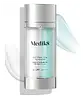 Key Ingredients
Benefits
Concerns
Ingredients Side-by-side
Water
Skin ConditioningCyclopentasiloxane
Emollient
Glycerin
Humectant


Caprylic/Capric Triglyceride
Masking
Stearic Acid
Cleansing

Polyacrylamide
Cyclohexasiloxane
Emollient
Theobroma Cacao Seed Butter
Emollient
Phenoxyethanol
Preservative
C13-14 Isoparaffin
Emollient
Bis-Diglyceryl Polyacyladipate-2
Emollient
Cetearyl Alcohol
Emollient
Copper PCA
HumectantNiacinamide
Smoothing









Butylene Glycol
Humectant
Benzyl Alcohol
Perfuming




Laureth-7
EmulsifyingPolysilicone-11
Triethanolamine
BufferingAminobutyric Acid
CI 77120
Cosmetic ColorantAcrylates/C10-30 Alkyl Acrylate Crosspolymer
Emulsion StabilisingEthylhexylglycerin
Skin ConditioningPalmitoyl Tripeptide-1
Skin Conditioning
Palmitoyl Tetrapeptide-7
Skin Conditioning
Dimethylmethoxy Chromanol
Antioxidant
Centella Asiatica Extract
Cleansing
Panax Ginseng Root Extract
Emollient
Portulaca Oleracea Extract
Skin Conditioning
Dehydroacetic Acid
Preservative
Carbomer
Emulsion StabilisingPolysorbate 20
Emulsifying
Pentylene Glycol
Skin Conditioning
Sodium Benzoate
Masking
Superoxide Dismutase
Antioxidant
Tromethamine
BufferingSodium Metabisulfite
Antioxidant
Water, Cyclopentasiloxane, Glycerin, Caprylic/Capric Triglyceride, Stearic Acid, Polyacrylamide, Cyclohexasiloxane, Theobroma Cacao Seed Butter, Phenoxyethanol, C13-14 Isoparaffin, Bis-Diglyceryl Polyacyladipate-2, Cetearyl Alcohol, Copper PCA, Niacinamide, Butylene Glycol, Benzyl Alcohol, Laureth-7, Polysilicone-11, Triethanolamine, Aminobutyric Acid, CI 77120, Acrylates/C10-30 Alkyl Acrylate Crosspolymer, Ethylhexylglycerin, Palmitoyl Tripeptide-1, Palmitoyl Tetrapeptide-7, Dimethylmethoxy Chromanol, Centella Asiatica Extract, Panax Ginseng Root Extract, Portulaca Oleracea Extract, Dehydroacetic Acid, Carbomer, Polysorbate 20, Pentylene Glycol, Sodium Benzoate, Superoxide Dismutase, Tromethamine, Sodium Metabisulfite
Water
Skin ConditioningGlycerin
Humectant
Propanediol
Solvent
Caprylic/Capric Triglyceride
Masking
Butylene Glycol
Humectant
Dodecane
Emollient
C15-19 Alkane
SolventEthyl Macadamiate
Skin Conditioning
Silica
Abrasive
Glycine Soja Seed Extract
Skin Conditioning
Sodium Hyaluronate
Humectant
Acetyl Hexapeptide-1
Skin Conditioning
N-Prolyl Palmitoyl Tripeptide-56 Acetate
Skin Conditioning
Acetyl Tetrapeptide-2
Skin Conditioning
Palmitoyl Tripeptide-38
Skin Conditioning
Palmitoyl Tripeptide-1
Skin Conditioning
Sh-Oligopeptide-1
Skin Conditioning
Sh-Oligopeptide-2
Skin Conditioning
Sh-Polypeptide-1
Skin Conditioning
Sh-Polypeptide-11
Sh-Polypeptide-9
Skin Conditioning
Palmitoyl Dipeptide-10
Skin Conditioning
Palmitoyl Tetrapeptide-7
Skin Conditioning
Nonapeptide-1
Skin Conditioning
Palmitoyl Tetrapeptide-72 Amide
Skin Conditioning
Acetyl Glutamine
Skin ConditioningBacillus/Folic Acid Ferment Filtrate Extract
Antioxidant
Tocopherol
Antioxidant
Polyacrylate-13
Pullulan
Polyisobutene
Pentylene Glycol
Skin Conditioning
Polysorbate 20
Emulsifying
1,2-Hexanediol
Skin Conditioning
Lecithin
Emollient
Sorbitan Isostearate
Emulsifying
Carbomer
Emulsion StabilisingSclerotium Gum
Emulsion StabilisingXanthan Gum
EmulsifyingSodium Lactate
Buffering
Cetyl Alcohol
Emollient
Hydroxypropyl Cyclodextrin
MaskingMalic Acid
Buffering

Dextran
Caprylyl Glycol
Emollient
Ethylhexylglycerin
Skin ConditioningPhenoxyethanol
Preservative
Water, Glycerin, Propanediol, Caprylic/Capric Triglyceride, Butylene Glycol, Dodecane, C15-19 Alkane, Ethyl Macadamiate, Silica, Glycine Soja Seed Extract, Sodium Hyaluronate, Acetyl Hexapeptide-1, N-Prolyl Palmitoyl Tripeptide-56 Acetate, Acetyl Tetrapeptide-2, Palmitoyl Tripeptide-38, Palmitoyl Tripeptide-1, Sh-Oligopeptide-1, Sh-Oligopeptide-2, Sh-Polypeptide-1, Sh-Polypeptide-11, Sh-Polypeptide-9, Palmitoyl Dipeptide-10, Palmitoyl Tetrapeptide-7, Nonapeptide-1, Palmitoyl Tetrapeptide-72 Amide, Acetyl Glutamine, Bacillus/Folic Acid Ferment Filtrate Extract, Tocopherol, Polyacrylate-13, Pullulan, Polyisobutene, Pentylene Glycol, Polysorbate 20, 1,2-Hexanediol, Lecithin, Sorbitan Isostearate, Carbomer, Sclerotium Gum, Xanthan Gum, Sodium Lactate, Cetyl Alcohol, Hydroxypropyl Cyclodextrin, Malic Acid, Dextran, Caprylyl Glycol, Ethylhexylglycerin, Phenoxyethanol
Ingredients Explained
These ingredients are found in both products.
Ingredients higher up in an ingredient list are typically present in a larger amount.
Butylene Glycol (or BG) is used within cosmetic products for a few different reasons:
Overall, Butylene Glycol is a safe and well-rounded ingredient that works well with other ingredients.
Though this ingredient works well with most skin types, some people with sensitive skin may experience a reaction such as allergic rashes, closed comedones, or itchiness.
Learn more about Butylene GlycolThis ingredient is a lightweight emollient, solvent, and texture enhancer. It is considered a skin-softener by helping the skin prevent moisture loss.
It helps thicken a product's formula and makes it easier to spread by dissolving clumping compounds.
Caprylic Triglyceride is made by combining glycerin with coconut oil, forming a clear liquid. Though it behaves like an oil, it is not technically one due to its chemical composition. It is very stable, resistant to oxidation, and unlikely to go rancid. In practice, that translates to a long shelf life and a consistently elegant skin feel.
While there is an assumption Caprylic Triglyceride can clog pores due to it being derived from coconut oil, there is no research supporting this. Be sure to patch test if you have concerns.
Fractionated coconut oil and MCT Oil are both listed as Caprylic/Capric Triglyceride according to INCI. This is because INCI names are based on the ingredient’s final chemical composition and not its marketing name or source.
Learn more about Caprylic/Capric TriglycerideCarbomer is a high-molecular weight polymer of acrylic acid. It is used to form gels and thicken formulas.
Due to its large molecular size, carbomer has minimal skin penetration and is considered an inert ingredient.
A high amount of carbomer can cause pilling or balling up of products. Don't worry, most products contain 1% or less of carbomer.
Learn more about CarbomerEthylhexylglycerin is created from glycerin. It is a multitasker ingredient that:
The CIR Expert Panel found minimal skin absorption or sensitization of any kind in a safety assessment. Though this ingredient is considered well-tolerated, a small number of cases of allergic dermatitis have been published since 2002. Just be sure to patch test if you are unsure.
Industry-reported use ranges from 8% in rinse-off products and 2% in leave-on formulations.
Learn more about EthylhexylglycerinGlycerin (or glycerol) is a compound naturally found in your skin. It's a powerhouse humectant that pulls water into the stratum corneum.
Topically, glycerin does several things at once:
Your skin makes glycerin on its own (mostly from sebaceous oil breakdown) and shuttles it to your outermost layer of skin, or your epidermis, via aquaporin-3.
Aquaporin-3 is a transporter that is essential for normal skin hydration, elasticity, and repair. Interestingly, mice lacking in AQP3 have dry and less elastic skin that can be fully corrected with glycerin.
This ingredient is non-irritating, plays well with almost every ingredient, and works across all skin types. Typical use is anywhere between 3-10% but can go up to 79% in some leave-on products.
Just know very high concentrations (>40%) can feel tacky in low humidity.
Glycerin is the name for this ingredient in American English. British English uses Glycerol/Glycerine.
Learn more about GlycerinPalmitoyl Tetrapeptide-7 (formerly Palmitoyl Tetrapeptide-3) is a lab-made peptide with anti-inflammatory and skin-repairing benefits. It's made up of four amino acids (glycine, glutamine, proline, and arginine) and palmitic acid (which helps it penetrate skin more effectively).
This ingredient helps reduce inflammation by limiting the production of interleukin-6 (IL-6), a chemical that triggers inflammatory responses, particularly after UV exposure.
Less inflammation = slower collagen breakdown and a longer-lasting, youthful appearance.
Palmitoyl Tetrapeptide-7 also stimulates collagen production and supports a healthier skin barrier.
Over time, this can improve skin firmness, hydration, and reduce the appearance of fine lines. It’s commonly paired with Palmitoyl Tripeptide-1 in the well-known Matrixyl 3000 complex for enhanced anti-aging effects.
This ingredient has been shown to be effective and safe in cosmetic use and you'll typically find it in small amounts (less than 0.01%).
Due to its palmitic acid base, it may not be safe for Malassezia folliculitis.
Read more about other common types of peptides here:
Learn more about Palmitoyl Tetrapeptide-7Palmitoyl Tripeptide-1 is also known as pal-GHK. It is made up of 3 amino acids and palmitic acid, a fatty acid that helps it absorb into skin more easily.
This peptide is as a signal peptide, meaning it tells the skin to produce more collagen. Collagen is the key protein that helps form the skin's structure and keep it plump, firm, and hydrated.
By boosting collagen production, this ingredient supports a stronger skin barrier and helps reduce the appearance of wrinkles.
You'll most likely see this ingredient paired with Palmitoyl Tetrapeptide-7 in the well-known Matrixyl 3000 complex. While results from in-house testing should be viewed cautiously, this peptide duo is among the most studied and widely used in modern skincare.
Due to its palmitic acid base, this ingredient may not be safe for Malassezia folliculitis.
Read more about other common types of peptides here:
Learn more about Palmitoyl Tripeptide-1Pentylene glycol is typically used within a product to thicken it. It also adds a smooth, soft, and moisturizing feel to the product. It is naturally found in plants such as sugar beets.
The hydrophilic trait of Pentylene Glycol makes it a humectant. As a humectant, Pentylene Glycol helps draw moisture from the air to your skin. This can help keep your skin hydrated.
This property also makes Pentylene Glycol a great texture enhancer. It can also help thicken or stabilize a product.
Pentylene Glycol also acts as a mild preservative and helps to keep a product microbe-free.
Some people may experience mild eye and skin irritation from Pentylene Glycol. We always recommend speaking with a professional about using this ingredient in your routine.
Pentylene Glycol has a low molecular weight and is part of the 1,2-glycol family.
Learn more about Pentylene GlycolPhenoxyethanol is a preservative that has germicide, antimicrobial, and aromatic properties. Studies show that phenoxyethanol can prevent microbial growth. By itself, it has a scent that is similar to that of a rose.
It's often used in formulations along with Caprylyl Glycol to preserve the shelf life of products.
Polysorbate 20 is a gentle, water-soluble emulsifier and mild surfactant. It stops oil and water from separating to keep your formulas blended and stable.
It also acts as a mild penetration enhancer by helping active ingredients absorb slightly better.
The common safety discussion around this ingredient involves a manufacturing byproduct called 1,4-dioxane.
Trace amounts can form during production but the EU's Scientific Committee on Consumer Safety has concluded that levels at/below 10 ppm in finished products are safe (commercial products consistently fall within acceptable margins).
True allergic reactions are uncommon and the CIR Expert Panel has confirmed this ingredient to be safe as used in cosmetics.
Because it is derived from lauric acid, it may not be fungal acne safe.
Learn more about Polysorbate 20Water. It's the most common cosmetic ingredient of all. You'll usually see it at the top of ingredient lists, meaning that it makes up the largest part of the product.
So why is it so popular? Water most often acts as a solvent - this means that it helps dissolve other ingredients into the formulation.
You'll also recognize water as that liquid we all need to stay alive. If you see this, drink a glass of water. Remember to stay hydrated!
Learn more about Water
