

What's inside
What's inside
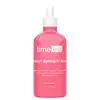 Key Ingredients
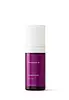
Benefits
Concerns
Ingredients Side-by-side



Water
Skin ConditioningGlycerin
Humectant


Propanediol
Solvent
Caprylic/Capric Triglyceride
Masking
Butylene Glycol
Humectant
Dodecane
Emollient
C15-19 Alkane
SolventEthyl Macadamiate
Skin Conditioning

Silica
Abrasive


Glycine Soja Seed Extract
Skin Conditioning

Sodium Hyaluronate
Humectant


Acetyl Hexapeptide-1
Skin Conditioning
N-Prolyl Palmitoyl Tripeptide-56 Acetate
Skin Conditioning
Acetyl Tetrapeptide-2
Skin Conditioning
Palmitoyl Tripeptide-38
Skin Conditioning
Palmitoyl Tripeptide-1
Skin Conditioning
Sh-Oligopeptide-1
Skin Conditioning
Sh-Oligopeptide-2
Skin Conditioning
Sh-Polypeptide-1
Skin Conditioning
Sh-Polypeptide-11
Sh-Polypeptide-9
Skin Conditioning
Palmitoyl Dipeptide-10
Skin Conditioning
Palmitoyl Tetrapeptide-7
Skin Conditioning
Nonapeptide-1
Skin Conditioning
Palmitoyl Tetrapeptide-72 Amide
Skin Conditioning
Acetyl Glutamine
Skin ConditioningBacillus/Folic Acid Ferment Filtrate Extract
Antioxidant
Tocopherol
Antioxidant

Polyacrylate-13
Pullulan
Polyisobutene
Pentylene Glycol
Skin Conditioning
Polysorbate 20
Emulsifying
1,2-Hexanediol
Skin Conditioning
Lecithin
Emollient
Sorbitan Isostearate
Emulsifying
Carbomer
Emulsion StabilisingSclerotium Gum
Emulsion StabilisingXanthan Gum
EmulsifyingSodium Lactate
Buffering
Cetyl Alcohol
Emollient
Hydroxypropyl Cyclodextrin
MaskingMalic Acid
Buffering

Dextran
Caprylyl Glycol
Emollient
Ethylhexylglycerin
Skin ConditioningPhenoxyethanol
Preservative
Water, Glycerin, Propanediol, Caprylic/Capric Triglyceride, Butylene Glycol, Dodecane, C15-19 Alkane, Ethyl Macadamiate, Silica, Glycine Soja Seed Extract, Sodium Hyaluronate, Acetyl Hexapeptide-1, N-Prolyl Palmitoyl Tripeptide-56 Acetate, Acetyl Tetrapeptide-2, Palmitoyl Tripeptide-38, Palmitoyl Tripeptide-1, Sh-Oligopeptide-1, Sh-Oligopeptide-2, Sh-Polypeptide-1, Sh-Polypeptide-11, Sh-Polypeptide-9, Palmitoyl Dipeptide-10, Palmitoyl Tetrapeptide-7, Nonapeptide-1, Palmitoyl Tetrapeptide-72 Amide, Acetyl Glutamine, Bacillus/Folic Acid Ferment Filtrate Extract, Tocopherol, Polyacrylate-13, Pullulan, Polyisobutene, Pentylene Glycol, Polysorbate 20, 1,2-Hexanediol, Lecithin, Sorbitan Isostearate, Carbomer, Sclerotium Gum, Xanthan Gum, Sodium Lactate, Cetyl Alcohol, Hydroxypropyl Cyclodextrin, Malic Acid, Dextran, Caprylyl Glycol, Ethylhexylglycerin, Phenoxyethanol
Ingredients Explained
These ingredients are found in both products.
Ingredients higher up in an ingredient list are typically present in a larger amount.
Glycerin (or glycerol) is a compound naturally found in your skin. It's a powerhouse humectant that pulls water into the stratum corneum.
Topically, glycerin does several things at once:
Your skin makes glycerin on its own (mostly from sebaceous oil breakdown) and shuttles it to your outermost layer of skin, or your epidermis, via aquaporin-3.
Aquaporin-3 is a transporter that is essential for normal skin hydration, elasticity, and repair. Interestingly, mice lacking in AQP3 have dry and less elastic skin that can be fully corrected with glycerin.
This ingredient is non-irritating, plays well with almost every ingredient, and works across all skin types. Typical use is anywhere between 3-10% but can go up to 79% in some leave-on products.
Just know very high concentrations (>40%) can feel tacky in low humidity.
Glycerin is the name for this ingredient in American English. British English uses Glycerol/Glycerine.
Learn more about GlycerinThis ingredient is used in skincare as a delivery system.
It works by "encapsulating" active ingredients with its unique ring shape that is water-loving on the outside and oil-loving on the inside. This improves the stability and absorption of the product into the skin.
According to a manufacturer, it also offer some moisturizing effects.
Learn more about Hydroxypropyl CyclodextrinThis synthetic, signal peptide has unique skin conditioning properties in that is a matrikine-mimetic compound.
First of all, Palmitoyl Tripeptide-38 is a signal peptide; signal peptides tell the body to create more collagen.
What is a matrikine-mimetic compound?
This peptide has the ability to mimic matrikines in skin. Our skin created matrikines by breaking down matrix proteins into peptides.
Matrikines play a role in:
Though further research is needed, this ingredient seems pretty promising. In one study, women over the age of 40 with visible photoaging used a vitamin C serum with this ingredient for 56 days (15% ascorbid acid, 5 ppm palmitoyl tripeptide‐38). The results found improvement in skin roughness and skin tone.
This peptide is also part of the famous Matrixyl synthe’6, a blend of ingredients that also includes glycerin, water, and hydroxypropyl cyclodextrin.
Learn more about Palmitoyl Tripeptide-38Water. It's the most common cosmetic ingredient of all. You'll usually see it at the top of ingredient lists, meaning that it makes up the largest part of the product.
So why is it so popular? Water most often acts as a solvent - this means that it helps dissolve other ingredients into the formulation.
You'll also recognize water as that liquid we all need to stay alive. If you see this, drink a glass of water. Remember to stay hydrated!
Learn more about Water

