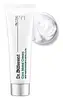
This barrier-repair moisturizer is formulated around Madecassoside and Zinc PCA to strengthen the skin barrier and calm redness.
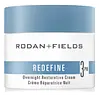
This anti-aging night moisturizer is formulated around Niacinamide and Acetyl Tetrapeptide-9 to soften the look of wrinkles and strengthen the skin barrier.


What's inside
What's inside
 Key Ingredients
Benefits
Concerns
Ingredients Side-by-side
Water
Skin ConditioningButylene Glycol
Humectant

Vegetable Oil
Skin Conditioning


Glycerin
Humectant
Pentaerythrityl Tetraisostearate
Emollient
Caprylic/Capric Triglyceride
Masking
Butyrospermum Parkii Butter
Skin Conditioning


1,2-Hexanediol
Skin Conditioning
Hydrogenated Vegetable Oil
Emollient
Cetyl Alcohol
Emollient
Butylene Glycol Dicaprylate/Dicaprate
EmollientDimethicone
Emollient
Polyglyceryl-3 Methylglucose Distearate
Emulsifying
Stearic Acid
Cleansing
Sorbitan Sesquioleate
Emulsifying
Cetearyl Olivate
Hydrogenated Lecithin
Emulsifying
Glyceryl Stearate Se
Emulsifying
Sorbitan Olivate
Emulsifying
Madecassoside
Antioxidant




Carbomer
Emulsion StabilisingBehenic Acid
Cleansing
Tromethamine
BufferingEthylhexylglycerin
Skin ConditioningCaprylyl Glycol
Emollient
Stearyl Alcohol
Emollient
Behenyl Alcohol
Emollient
Tocopherol
Antioxidant


Xanthan Gum
EmulsifyingMyristic Acid
Cleansing
Dextrin
AbsorbentAsiaticoside
Antioxidant
Zinc PCA
Humectant



Gluconolactone
Chelating
Centella Asiatica Extract
Cleansing
Copper Tripeptide-1
Skin Conditioning
Water, Butylene Glycol, Vegetable Oil, Glycerin, Pentaerythrityl Tetraisostearate, Caprylic/Capric Triglyceride, Butyrospermum Parkii Butter, 1,2-Hexanediol, Hydrogenated Vegetable Oil, Cetyl Alcohol, Butylene Glycol Dicaprylate/Dicaprate, Dimethicone, Polyglyceryl-3 Methylglucose Distearate, Stearic Acid, Sorbitan Sesquioleate, Cetearyl Olivate, Hydrogenated Lecithin, Glyceryl Stearate Se, Sorbitan Olivate, Madecassoside, Carbomer, Behenic Acid, Tromethamine, Ethylhexylglycerin, Caprylyl Glycol, Stearyl Alcohol, Behenyl Alcohol, Tocopherol, Xanthan Gum, Myristic Acid, Dextrin, Asiaticoside, Zinc PCA, Gluconolactone, Centella Asiatica Extract, Copper Tripeptide-1
Water
Skin ConditioningHydrogenated Polyisobutene
EmollientDimethicone
Emollient
Diglycerin
Humectant
Hydrogenated Castor Oil Isostearate
Skin Conditioning
Niacinamide
Smoothing
Oenothera Biennis Oil
Emollient
Rosa Canina Seed Extract
EmollientButylene Glycol
Humectant
Cetyl Alcohol
Emollient
Glyceryl Stearate
Emollient
Hydrogenated Vegetable Oil
Emollient
Isododecane
EmollientGlycerin
Humectant
Butyrospermum Parkii Butter
Skin Conditioning
Olea Europaea Fruit Oil
Masking
Vaccinium Myrtillus Fruit Extract
Skin ConditioningTetrapeptide-21
Skin Conditioning
Tetrapeptide-4
Skin Conditioning
Acetyl Tetrapeptide-11
Skin Conditioning
Acetyl Tetrapeptide-9
Skin Conditioning
Bakuchiol
Antimicrobial
Honokiol
Antioxidant
Magnolol
Antioxidant
Simmondsia Chinensis Butter
Skin Conditioning
Parfum
Masking

Glycolic Acid
Buffering

Jojoba Alcohol
Emollient
Olive Oil Polyglyceryl-6 Esters
Emollient
Potassium Jojobate
Skin ConditioningSodium Polyacrylate
Absorbent
Sorbitan Caprylate
EmulsifyingSteareth-20
CleansingPhenylpropanol
Masking
Polyglyceryl-6 Laurate
Emulsifying
Polysorbate 20
Emulsifying
PEG-75 Stearate
Surfactant
Ceteth-20
CleansingDimethyl Isosorbide
SolventPolyurethane-35
Tocopherol
Antioxidant
Tocopheryl Acetate
Antioxidant
Citric Acid
Buffering
Disodium EDTA
ChelatingSodium Hydroxide
BufferingCaprylyl Glycol
Emollient
Methylpropanediol
SolventPropanediol
Solvent
Benzoic Acid
Masking
CI 77891
Cosmetic ColorantWater, Hydrogenated Polyisobutene, Dimethicone, Diglycerin, Hydrogenated Castor Oil Isostearate, Niacinamide, Oenothera Biennis Oil, Rosa Canina Seed Extract, Butylene Glycol, Cetyl Alcohol, Glyceryl Stearate, Hydrogenated Vegetable Oil, Isododecane, Glycerin, Butyrospermum Parkii Butter, Olea Europaea Fruit Oil, Vaccinium Myrtillus Fruit Extract, Tetrapeptide-21, Tetrapeptide-4, Acetyl Tetrapeptide-11, Acetyl Tetrapeptide-9, Bakuchiol, Honokiol, Magnolol, Simmondsia Chinensis Butter, Parfum, Glycolic Acid, Jojoba Alcohol, Olive Oil Polyglyceryl-6 Esters, Potassium Jojobate, Sodium Polyacrylate, Sorbitan Caprylate, Steareth-20, Phenylpropanol, Polyglyceryl-6 Laurate, Polysorbate 20, PEG-75 Stearate, Ceteth-20, Dimethyl Isosorbide, Polyurethane-35, Tocopherol, Tocopheryl Acetate, Citric Acid, Disodium EDTA, Sodium Hydroxide, Caprylyl Glycol, Methylpropanediol, Propanediol, Benzoic Acid, CI 77891
Ingredients Explained
These ingredients are found in both products.
Ingredients higher up in an ingredient list are typically present in a larger amount.
Butylene Glycol (or BG) is used within cosmetic products for a few different reasons:
Overall, Butylene Glycol is a safe and well-rounded ingredient that works well with other ingredients.
Though this ingredient works well with most skin types, some people with sensitive skin may experience a reaction such as allergic rashes, closed comedones, or itchiness.
Learn more about Butylene GlycolThis ingredient is also known as shea butter. It is a plant-derived extract from the nuts of the Africa shea tree and one of the most well-studied emollients.
Because it has a high concentration of fatty acids (primarily oleic, stearic, and linoleic) it is able to form a protective barrier on the skin's surface. This helps seal in moisture and prevents transepidermal water loss (TEWL).
In vitro research found an increase in skin hydration by 58% and a decrease in TEWL by 37.8% after 24 hours of applying this ingredient (pretty impressive for a single ingredient!).
Besides hydration, shea butter also contains triterpenes that have anti-inflammatory potential. In particule, lupeol cinnamate has shown the highest anti-inflammatory activity in vivo.
Shea butter also contains vitamins A and E which may contribute to antioxidant activity.
While Shea Butter has an SPF rating of about 3-4, it is not a sunscreen replacement.
This ingredient may not be fungal acne safe because its fatty acids fall within the C11-C24 range that the Malassezia yeast can metabolize.
This ingredient shows up on a lot of "pore-clogging" lists but there's no real evidence behind that. It doesn't even have a comedogenic rating from an actual study; the numbers you'll find online come from blogs citing other blogs.
Ratings for other ingredients mostly come from a 1980s rabbit ear test. This test doesn't translate well to human skin or to real products because the ingredient sits at a much lower percentage.
Some people still find it breaks them out. So if that's you, definitely trust your skin. Just know this one's based on experience and not evidence.
Learn more about Butyrospermum Parkii ButterCaprylyl Glycol is a humectant, skin conditioner, emollient, and preservative booster derived from either caprylic acid or synthetically created.
Typical use levels vary from 0.3-1% as a preservative booster and go up to 2% to condition skin.
Because it is not a free-fatty acid, this ingredient is fungal acne safe (there's nothing for Malassezia to feed on).
Learn more about Caprylyl GlycolCetyl Alcohol is a fatty alcohol. Fatty Alcohols are most often used as an emollient or to thicken a product.
Its main roles are:
Though it has "alcohol" in the name, it is not related to denatured alcohol or ethyl alcohol.
The FDA allows products labeled "alcohol-free" to have fatty alcohols.
This ingredient may not be fungal acne safe. It is a primary fatty alcohol with a chain length above 12 carbons. A study from 2019 show Malassezia can feed on fatty alcohols in this range, so it may trigger fungal acne in those prone to it.
Learn more about Cetyl AlcoholDimethicone is a type of synthetic silicone created from natural materials such as quartz. It is also known as polydimethylsiloxane.
What it does:
Dimethicone comes in different viscosities:
Depending on the viscosity, dimethicone has different properties.
Ingredients lists don't always show which type is used, so we recommend reaching out to the brand if you have questions about the viscosity.
This ingredient is unlikely to cause irritation because it does not get absorbed into skin. However, people with silicone allergies should be careful about using this ingredient.
Note: Dimethicone may contribute to pilling. This is because it is not oil or water soluble, so pilling may occur when layered with products. When mixed with heavy oils in a formula, the outcome is also quite greasy.
Learn more about DimethiconeGlycerin (or glycerol) is a compound naturally found in your skin. It's a powerhouse humectant that pulls water into the stratum corneum.
Topically, glycerin does several things at once:
Your skin makes glycerin on its own (mostly from sebaceous oil breakdown) and shuttles it to your outermost layer of skin, or your epidermis, via aquaporin-3.
Aquaporin-3 is a transporter that is essential for normal skin hydration, elasticity, and repair. Interestingly, mice lacking in AQP3 have dry and less elastic skin that can be fully corrected with glycerin.
This ingredient is non-irritating, plays well with almost every ingredient, and works across all skin types. Typical use is anywhere between 3-10% but can go up to 79% in some leave-on products.
Just know very high concentrations (>40%) can feel tacky in low humidity.
Glycerin is the name for this ingredient in American English. British English uses Glycerol/Glycerine.
Learn more about GlycerinHydrogenated Vegetable Oil isn't a single oil. It's the labeling name for a blend of plant-derived oils that can include canola, rapeseed, safflower, sunflower, sesame, palm, palm kernel, cotton, soybean, olive, and more.
Hydrogenation is the processing step that reduces or removes the unsaturated bonds in the fatty acids to make the oil more resistant to oxidative and thermal damage.
In cosmetics, it acts as a skin conditioner, occlusive, and emollient that give products a rich body.
Concentrations are reported from 0.0004% to 60% with leave-on products going as high as 60% and rinse-off products staying at 8% or below.
The Cosmetic Ingredient Review has concluded this ingredient to be safe as used in cosmetics.
This ingredient does have a comedogenic rating of 3, but this doesn't mean a formula with this ingredient will clog pores. Human testing has proved that any finished product with this ingredient won't automatically make you break out; it really comes down to concentration, formula, and your skin.
Since this ingredient is a triglyceride built mostly from C16 and C18 fatty acids, this ingredient may not be fungal acne safe as that falls into the range the Malassezia yeast can metabolize.
Allergy-wise, the proteins responsible for plant food allergies are taken out of the refined oil. This is why reactions to refined oils are rare even from highly allergenic sources like peanut. Well-designed studies have also shown refined peanut oil is safely tolerated by the vast majority of peanut-allergic people.
However, the issue is with unrefined oils; be sure to reach out to the manufacturer if you have a plant food allergy about the type of oil used in their products.
The other catch for this INCI name is that it doesn't tell you which plants are in the blend so you would need to ask the brand.
Learn more about Hydrogenated Vegetable OilTocopherol is a fat-soluble antioxidant known as Vitamin E.
You'll find this ingredient in the vast majority of skincare (for good reason). It works to neutralize free radicals, or unstable molecules generated by UV exposure, pollution, and other environmental stressors, before they can cause oxidative damage to your skin cells.
Topically applied tocopherol has been shown to protect against UV damage by ramping up the skin's own natural defense enzymes.
It also acts as a skin conditioning agent; some studies show that regular topical use can improve the skin's water-binding capacity over 2-4 weeks.
This ingredient is especially loved for being a team player. When combined with Vitamin C, the photoprotective effect of both ingredients roughly doubles and the combo also helps reduce UV-induced DNA damage.
This ingredient has some brightening potential but it's more of a prevention ingredient than spot-fader. Cell studies show it can slow down melanin production but it's worth noting that it's not the most powerful brightener out there.
In formulations, it also serves as a stabilizer that helps protect other oxidation-prone ingredients from degrading.
Concentrations usually range from 0.1-1% in most leave-on products.
Learn more about TocopherolWater. It's the most common cosmetic ingredient of all. You'll usually see it at the top of ingredient lists, meaning that it makes up the largest part of the product.
So why is it so popular? Water most often acts as a solvent - this means that it helps dissolve other ingredients into the formulation.
You'll also recognize water as that liquid we all need to stay alive. If you see this, drink a glass of water. Remember to stay hydrated!
Learn more about Water

