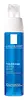
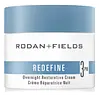
La Roche-Posay Toleriane Ultra Night Moisturizer Versus Rodan + Fields Redefine Overnight Restorative Cream
This barrier-repair night moisturizer is formulated around Squalane and Niacinamide to strengthen the skin barrier and calm redness.
This anti-aging night moisturizer is formulated around Niacinamide and Acetyl Tetrapeptide-9 to soften the look of wrinkles and strengthen the skin barrier.


What's inside
What's inside
 Key Ingredients
Benefits
Concerns
Ingredients Side-by-side
Water
Skin ConditioningGlycerin
Humectant


Squalane
Emollient
Propanediol
Solvent
Butylene Glycol
Humectant
Butyrospermum Parkii Butter
Skin Conditioning




Pentylene Glycol
Skin Conditioning
Niacinamide
Smoothing








Dimethicone
Emollient
Ammonium Polyacryloyldimethyl Taurate
Emulsion StabilisingPolymethylsilsesquioxane
Polysorbate 20
Emulsifying
Tocopherol
Antioxidant

Acetyl Dipeptide-1 Cetyl Ester
Skin Conditioning
Allantoin
Skin Conditioning
Toluene Sulfonic Acid
SurfactantDimethiconol
Emollient
Xanthan Gum
EmulsifyingCarnosine
Skin Conditioning
Disodium EDTA
Citric Acid
Buffering
Aluminum Starch Octenylsuccinate
Absorbent
Glyceryl Acrylate/Acrylic Acid Copolymer
HumectantWater, Glycerin, Squalane, Propanediol, Butylene Glycol, Butyrospermum Parkii Butter, Pentylene Glycol, Niacinamide, Dimethicone, Ammonium Polyacryloyldimethyl Taurate, Polymethylsilsesquioxane, Polysorbate 20, Tocopherol, Acetyl Dipeptide-1 Cetyl Ester, Allantoin, Toluene Sulfonic Acid, Dimethiconol, Xanthan Gum, Carnosine, Disodium EDTA, Citric Acid, Aluminum Starch Octenylsuccinate, Glyceryl Acrylate/Acrylic Acid Copolymer
Water
Skin ConditioningHydrogenated Polyisobutene
EmollientDimethicone
Emollient
Diglycerin
Humectant
Hydrogenated Castor Oil Isostearate
Skin Conditioning
Niacinamide
Smoothing
Oenothera Biennis Oil
Emollient
Rosa Canina Seed Extract
EmollientButylene Glycol
Humectant
Cetyl Alcohol
Emollient

Glyceryl Stearate
Emollient
Hydrogenated Vegetable Oil
Emollient
Isododecane
EmollientGlycerin
Humectant
Butyrospermum Parkii Butter
Skin Conditioning
Olea Europaea Fruit Oil
Masking
Vaccinium Myrtillus Fruit Extract
Skin ConditioningTetrapeptide-21
Skin Conditioning
Tetrapeptide-4
Skin Conditioning
Acetyl Tetrapeptide-11
Skin Conditioning
Acetyl Tetrapeptide-9
Skin Conditioning
Bakuchiol
Antimicrobial
Honokiol
Antioxidant
Magnolol
Antioxidant
Simmondsia Chinensis Butter
Skin Conditioning
Parfum
Masking

Glycolic Acid
Buffering
Jojoba Alcohol
Emollient
Olive Oil Polyglyceryl-6 Esters
Emollient
Potassium Jojobate
Skin ConditioningSodium Polyacrylate
Absorbent
Sorbitan Caprylate
EmulsifyingSteareth-20
CleansingPhenylpropanol
Masking
Polyglyceryl-6 Laurate
Emulsifying
Polysorbate 20
Emulsifying
PEG-75 Stearate
Surfactant
Ceteth-20
CleansingDimethyl Isosorbide
SolventPolyurethane-35
Tocopherol
Antioxidant
Tocopheryl Acetate
Antioxidant
Citric Acid
Buffering
Disodium EDTA
Sodium Hydroxide
BufferingCaprylyl Glycol
Emollient
Methylpropanediol
SolventPropanediol
Solvent
Benzoic Acid
Masking
CI 77891
Cosmetic ColorantWater, Hydrogenated Polyisobutene, Dimethicone, Diglycerin, Hydrogenated Castor Oil Isostearate, Niacinamide, Oenothera Biennis Oil, Rosa Canina Seed Extract, Butylene Glycol, Cetyl Alcohol, Glyceryl Stearate, Hydrogenated Vegetable Oil, Isododecane, Glycerin, Butyrospermum Parkii Butter, Olea Europaea Fruit Oil, Vaccinium Myrtillus Fruit Extract, Tetrapeptide-21, Tetrapeptide-4, Acetyl Tetrapeptide-11, Acetyl Tetrapeptide-9, Bakuchiol, Honokiol, Magnolol, Simmondsia Chinensis Butter, Parfum, Glycolic Acid, Jojoba Alcohol, Olive Oil Polyglyceryl-6 Esters, Potassium Jojobate, Sodium Polyacrylate, Sorbitan Caprylate, Steareth-20, Phenylpropanol, Polyglyceryl-6 Laurate, Polysorbate 20, PEG-75 Stearate, Ceteth-20, Dimethyl Isosorbide, Polyurethane-35, Tocopherol, Tocopheryl Acetate, Citric Acid, Disodium EDTA, Sodium Hydroxide, Caprylyl Glycol, Methylpropanediol, Propanediol, Benzoic Acid, CI 77891
Reviews
Ingredients Explained
These ingredients are found in both products.
Ingredients higher up in an ingredient list are typically present in a larger amount.
Butylene Glycol (or BG) is used within cosmetic products for a few different reasons:
Overall, Butylene Glycol is a safe and well-rounded ingredient that works well with other ingredients.
Though this ingredient works well with most skin types, some people with sensitive skin may experience a reaction such as allergic rashes, closed comedones, or itchiness.
Learn more about Butylene GlycolThis ingredient is also known as shea butter. It is a plant-derived extract from the nuts of the Africa shea tree and one of the most well-studied emollients.
Because it has a high concentration of fatty acids (primarily oleic, stearic, and linoleic) it is able to form a protective barrier on the skin's surface. This helps seal in moisture and prevents transepidermal water loss (TEWL).
In vitro research found an increase in skin hydration by 58% and a decrease in TEWL by 37.8% after 24 hours of applying this ingredient (pretty impressive for a single ingredient!).
Besides hydration, shea butter also contains triterpenes that have anti-inflammatory potential. In particule, lupeol cinnamate has shown the highest anti-inflammatory activity in vivo.
Shea butter also contains vitamins A and E which may contribute to antioxidant activity.
While Shea Butter has an SPF rating of about 3-4, it is not a sunscreen replacement.
This ingredient may not be fungal acne safe because its fatty acids fall within the C11-C24 range that the Malassezia yeast can metabolize.
This ingredient shows up on a lot of "pore-clogging" lists but there's no real evidence behind that. It doesn't even have a comedogenic rating from an actual study; the numbers you'll find online come from blogs citing other blogs.
Ratings for other ingredients mostly come from a 1980s rabbit ear test. This test doesn't translate well to human skin or to real products because the ingredient sits at a much lower percentage.
Some people still find it breaks them out. So if that's you, definitely trust your skin. Just know this one's based on experience and not evidence.
Learn more about Butyrospermum Parkii ButterCitric Acid is an alpha hydroxy acid (AHA) naturally found in citrus fruits like oranges, lemons, and limes.
Like other AHAs, citric acid can exfoliate skin by breaking down the bonds that hold dead skin cells together. This helps reveal smoother and brighter skin underneath.
However, this exfoliating effect only happens at high concentrations (20%) which can be hard to find in cosmetic products.
Due to this, citric acid is usually included in small amounts as a pH adjuster. This helps keep products slightly more acidic and compatible with skin's natural pH.
In skincare formulas, citric acid can:
While it can provide some skin benefits, research shows lactic acid and glycolic acid are generally more effective and less irritating exfoliants.
Most citric acid used in skincare today is made by fermenting sugars (usually from molasses). This synthetic version is identical to the natural citrus form but easier to stabilize and use in formulations.
Rosacea skin has a lower threshold for acids generally, with 62.5% of rosacea subjects in one study reacting to lactic acid in a sting test. This is why we mark citric acid as a potential rosacea trigger.
However, this ingredient shows up as a pH adjuster or chelator at roughly 0.1-1% in many products. These low levels are unlikely to be an issue for rosacea skin and becomes a potential trigger at exfoliating concentrations (20%). Because everybody's skin is unique, we recommend a patch test if you are unsure.
Learn more about Citric AcidDimethicone is a type of synthetic silicone created from natural materials such as quartz. It is also known as polydimethylsiloxane.
What it does:
Dimethicone comes in different viscosities:
Depending on the viscosity, dimethicone has different properties.
Ingredients lists don't always show which type is used, so we recommend reaching out to the brand if you have questions about the viscosity.
This ingredient is unlikely to cause irritation because it does not get absorbed into skin. However, people with silicone allergies should be careful about using this ingredient.
Note: Dimethicone may contribute to pilling. This is because it is not oil or water soluble, so pilling may occur when layered with products. When mixed with heavy oils in a formula, the outcome is also quite greasy.
Learn more about DimethiconeDisodium EDTA is a chelating agent. It grabs onto and deactivates metal ions that sneak into your products from water, packaging, or air.
This ingredient mainly works behind the scenes and helps with:
On top of that, this ingredient can counteract the effects of hard water by binding to the minerals in it.
One thing worth knowing is that Disodium EDTA has been shown to be a mild penetration enhancer. It can help other ingredients absorb into skin more effectively which can be a double-edged sword (great for actives, but can also make the active too strong if you have sensitive skin).
Clinical patch testing showed no significant skin irritation at typical use concentrations and minimal dermal absorption.
You'll most likely see this ingredient near the end of an ingredient list. It's typically found in concentrations less than 1%.
Learn more about Disodium EDTAGlycerin (or glycerol) is a compound naturally found in your skin. It's a powerhouse humectant that pulls water into the stratum corneum.
Topically, glycerin does several things at once:
Your skin makes glycerin on its own (mostly from sebaceous oil breakdown) and shuttles it to your outermost layer of skin, or your epidermis, via aquaporin-3.
Aquaporin-3 is a transporter that is essential for normal skin hydration, elasticity, and repair. Interestingly, mice lacking in AQP3 have dry and less elastic skin that can be fully corrected with glycerin.
This ingredient is non-irritating, plays well with almost every ingredient, and works across all skin types. Typical use is anywhere between 3-10% but can go up to 79% in some leave-on products.
Just know very high concentrations (>40%) can feel tacky in low humidity.
Glycerin is the name for this ingredient in American English. British English uses Glycerol/Glycerine.
Learn more about GlycerinNiacinamide is a multitasking form of vitamin B3 that strengthens the skin barrier, reduces pores and dark spots, regulates oil, and improves signs of aging.
And the best part? It's gentle and well-tolerated by most skin types, including sensitive and reactive skin.
You might have heard of "niacin flush", or the reddening of skin that causes itchiness. Niacinamide has not been found to cause this.
In very rare cases, some individuals may not be able to tolerate niacinamide at all or experience an allergic reaction to it.
If you are experiencing flaking, irritation, and dryness with this ingredient, be sure to double check all your products as this ingredient can be found in all categories of skincare.
When incorporating niacinamide into your routine, look out for concentration amounts. Typically, 5% niacinamide provides benefits such as fading dark spots. However, if you have sensitive skin, it is better to begin with a smaller concentration.
When you apply niacinamide to your skin, your body converts it into nicotinamide adenine dinucleotide (NAD). NAD is an essential coenzyme that is already found in your cells as "fuel" and powers countless biological processes.
In your skin, NAD helps repair cell damage, produce new healthy cells, support collagen production, strengthen the skin barrier, and fight environmental stressors (like UV and pollution).
Our natural NAD levels start to decline with age, leading to slower skin repair, visible aging, and a weaker skin barrier. By providing your skin niacinamide, you're recharging your skin's NAD levels. This leads to stronger, healthier, and younger looking skin.
Another name for vitamin B3 is nicotinamide. This vitamin is water-soluble and our bodies don't store it. We obtain Vitamin B3 from either food or skincare. Meat, fish, wheat, yeast, and leafy greens contain vitamin B3.
The type of niacinamide used in skincare is synthetically created.
Learn more about NiacinamidePolysorbate 20 is a gentle, water-soluble emulsifier and mild surfactant. It stops oil and water from separating to keep your formulas blended and stable.
It also acts as a mild penetration enhancer by helping active ingredients absorb slightly better.
The common safety discussion around this ingredient involves a manufacturing byproduct called 1,4-dioxane.
Trace amounts can form during production but the EU's Scientific Committee on Consumer Safety has concluded that levels at/below 10 ppm in finished products are safe (commercial products consistently fall within acceptable margins).
True allergic reactions are uncommon and the CIR Expert Panel has confirmed this ingredient to be safe as used in cosmetics.
Because it is derived from lauric acid, it may not be fungal acne safe.
Learn more about Polysorbate 20Propanediol is an all-star ingredient. It softens, hydrates, and smooths the skin.
It’s often used to:
Propanediol is not likely to cause sensitivity and considered safe to use. It is derived from corn or petroleum with a clear color and no scent.
Learn more about PropanediolTocopherol is a fat-soluble antioxidant known as Vitamin E.
You'll find this ingredient in the vast majority of skincare (for good reason). It works to neutralize free radicals, or unstable molecules generated by UV exposure, pollution, and other environmental stressors, before they can cause oxidative damage to your skin cells.
Topically applied tocopherol has been shown to protect against UV damage by ramping up the skin's own natural defense enzymes.
It also acts as a skin conditioning agent; some studies show that regular topical use can improve the skin's water-binding capacity over 2-4 weeks.
This ingredient is especially loved for being a team player. When combined with Vitamin C, the photoprotective effect of both ingredients roughly doubles and the combo also helps reduce UV-induced DNA damage.
This ingredient has some brightening potential but it's more of a prevention ingredient than spot-fader. Cell studies show it can slow down melanin production but it's worth noting that it's not the most powerful brightener out there.
In formulations, it also serves as a stabilizer that helps protect other oxidation-prone ingredients from degrading.
Concentrations usually range from 0.1-1% in most leave-on products.
Learn more about TocopherolWater. It's the most common cosmetic ingredient of all. You'll usually see it at the top of ingredient lists, meaning that it makes up the largest part of the product.
So why is it so popular? Water most often acts as a solvent - this means that it helps dissolve other ingredients into the formulation.
You'll also recognize water as that liquid we all need to stay alive. If you see this, drink a glass of water. Remember to stay hydrated!
Learn more about Water

