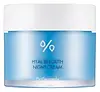
This anti-aging night moisturizer is formulated around Niacinamide and Panthenol to soften the look of wrinkles and hydrate skin.
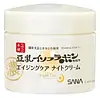
This anti-aging night moisturizer is formulated around Retinol and Ceramide Ng to soften the look of wrinkles and strengthen the skin barrier.


What's inside
What's inside
 Key Ingredients
Benefits
Concerns
Ingredients Side-by-side
Water
Skin ConditioningGlycerin
Humectant


Caprylic/Capric Triglyceride
Masking
Hydrogenated Polydecene
EmollientPhenyl Trimethicone
Skin Conditioning
Betaine
Humectant
Polyglyceryl-3 Methylglucose Distearate
Emulsifying

Cetyl Alcohol
Emollient
Cyclohexasiloxane
Emollient
Macadamia Integrifolia Seed Oil
Skin Conditioning
Niacinamide
Smoothing








Glyceryl Stearate
Emollient
Behenyl Alcohol
Emollient
Panthenol
Skin Conditioning
Trehalose
Humectant
Pentaerythrityl Distearate
Emulsifying
1,2-Hexanediol
Skin Conditioning
Polyglyceryl-10 Laurate
Skin Conditioning
Dipropylene Glycol
HumectantCyclopentasiloxane
Emollient
Eclipta Prostrata Leaf Extract
Skin ConditioningLaminaria Japonica Extract
Skin Protecting
Hydroxyacetophenone
Antioxidant
Sodium Hyaluronate
Humectant
Ethylhexylglycerin
Skin ConditioningOlea Europaea Fruit Oil
Masking


Parfum
Masking

Methylpropanediol
SolventPropanediol
Solvent
Butylene Glycol
Humectant
Adenosine
Skin Conditioning
Fructooligosaccharides
Humectant
Disodium EDTA
ChelatingBeta-Glucan
Skin Conditioning
Hydrogenated Lecithin
Emulsifying
Panax Ginseng Root Extract
Emollient
Ammonium Acryloyldimethyltaurate/Vp Copolymer
Sodium Stearoyl Glutamate
CleansingSpilanthes Acmella Extract
Skin ConditioningPolyquaternium-51
Skin Conditioning
Hydrolyzed Hyaluronic Acid
Humectant
Avena Sativa Kernel Extract
Abrasive
Cynara Scolymus Leaf Extract
Skin ConditioningPteris Multifida Extract
Antioxidant
Fructan
Skin ConditioningHyaluronic Acid
Humectant
Sodium Acetylated Hyaluronate
Humectant
Sodium Hyaluronate Crosspolymer
Humectant
Hydroxypropyltrimonium Hyaluronate
Water, Glycerin, Caprylic/Capric Triglyceride, Hydrogenated Polydecene, Phenyl Trimethicone, Betaine, Polyglyceryl-3 Methylglucose Distearate, Cetyl Alcohol, Cyclohexasiloxane, Macadamia Integrifolia Seed Oil, Niacinamide, Glyceryl Stearate, Behenyl Alcohol, Panthenol, Trehalose, Pentaerythrityl Distearate, 1,2-Hexanediol, Polyglyceryl-10 Laurate, Dipropylene Glycol, Cyclopentasiloxane, Eclipta Prostrata Leaf Extract, Laminaria Japonica Extract, Hydroxyacetophenone, Sodium Hyaluronate, Ethylhexylglycerin, Olea Europaea Fruit Oil, Parfum, Methylpropanediol, Propanediol, Butylene Glycol, Adenosine, Fructooligosaccharides, Disodium EDTA, Beta-Glucan, Hydrogenated Lecithin, Panax Ginseng Root Extract, Ammonium Acryloyldimethyltaurate/Vp Copolymer, Sodium Stearoyl Glutamate, Spilanthes Acmella Extract, Polyquaternium-51, Hydrolyzed Hyaluronic Acid, Avena Sativa Kernel Extract, Cynara Scolymus Leaf Extract, Pteris Multifida Extract, Fructan, Hyaluronic Acid, Sodium Acetylated Hyaluronate, Sodium Hyaluronate Crosspolymer, Hydroxypropyltrimonium Hyaluronate
Water
Skin ConditioningButylene Glycol
Humectant
Glycerin
Humectant
Squalane
Emollient
Octyldodecyl Myristate
EmollientBatyl Alcohol
EmollientDimethicone
Emollient
Hydrogenated Palm Kernel Oil
Emollient
Stearic Acid
Cleansing
Polyglyceryl-10 Distearate
Emulsifying
Glyceryl Stearate
Emollient
Dipentaerythrityl Tetrahydroxystearate/Tetraisostearate
Skin Conditioning
Behenyl Alcohol
Emollient
Milk Ferment
Skin ConditioningGlycine Max Seed Extract
Skin ConditioningRetinol
Skin Conditioning
Soy Isoflavones
Skin ConditioningRetinyl Palmitate
Skin Conditioning
Ceramide Ng
Skin Conditioning
PEG-60 Hydrogenated Castor Oil
Emulsifying
Arginine
Masking
Alcohol Denat.
Antimicrobial

Carbomer
Emulsion StabilisingGlycyrrhiza Glabra Root Extract
Bleaching
Xanthan Gum
EmulsifyingCyclodextrin
AbsorbentCyclopentasiloxane
Emollient
Ceramide AP
Skin Conditioning
Ceramide NP
Skin Conditioning
Glycine Soja Sterols
Emollient
Tocopherol
Antioxidant
Elaeis Guineensis Kernel Oil
Emollient
Polysorbate 20
Emulsifying
Polysorbate 80
Emulsifying
Polyglyceryl-10 Myristate
Skin Conditioning
Phytosteryl/Behenyl/Octyldodecyl Lauroyl Glutamate
Skin ConditioningLecithin
Emollient
Hydrogenated Lecithin
Emulsifying
Methylparaben
Preservative


Water, Butylene Glycol, Glycerin, Squalane, Octyldodecyl Myristate, Batyl Alcohol, Dimethicone, Hydrogenated Palm Kernel Oil, Stearic Acid, Polyglyceryl-10 Distearate, Glyceryl Stearate, Dipentaerythrityl Tetrahydroxystearate/Tetraisostearate, Behenyl Alcohol, Milk Ferment, Glycine Max Seed Extract, Retinol, Soy Isoflavones, Retinyl Palmitate, Ceramide Ng, PEG-60 Hydrogenated Castor Oil, Arginine, Alcohol Denat., Carbomer, Glycyrrhiza Glabra Root Extract, Xanthan Gum, Cyclodextrin, Cyclopentasiloxane, Ceramide AP, Ceramide NP, Glycine Soja Sterols, Tocopherol, Elaeis Guineensis Kernel Oil, Polysorbate 20, Polysorbate 80, Polyglyceryl-10 Myristate, Phytosteryl/Behenyl/Octyldodecyl Lauroyl Glutamate, Lecithin, Hydrogenated Lecithin, Methylparaben
Reviews
Ingredients Explained
These ingredients are found in both products.
Ingredients higher up in an ingredient list are typically present in a larger amount.
Behenyl Alcohol is a type of fatty alcohol (these are different from the drying, solvent alcohols).
Fatty Alcohols have hydrating properties and are most often used as an emollient or to thicken a product. They are usually derived from natural fats and oils; behenyl alcohol is derived from the fats of vegetable oils.
Emollients help keep your skin soft and hydrated by creating a film that traps moisture in.
In 2000, Behenyl Alcohol was approved by the US as medicine to reduce the duration of cold sores.
Learn more about Behenyl AlcoholButylene Glycol (or BG) is used within cosmetic products for a few different reasons:
Overall, Butylene Glycol is a safe and well-rounded ingredient that works well with other ingredients.
Though this ingredient works well with most skin types, some people with sensitive skin may experience a reaction such as allergic rashes, closed comedones, or itchiness.
Learn more about Butylene GlycolCyclopentasiloxane (D5) is a lightweight silicone that mostly acts as an emollient and solvent in cosmetics. Its the reason your products feel silky, fast-spreading, and non-greasy.
Since D5 is volatile, it does its thing and then evaporates off the skin quickly.
The safety profile of this ingredient is reassuring; the US CIR Expert Panel concluded D5 is safe as used in cosmetics and Health Canada concluded that D5 is not harmful to human health or the environment as currently used in cosmetics
There's a study that people mention about D5 in a rat study showing tumors. This study is related to long-term inhalation of high D5 levels.
Regulatory bodies have judged this study to be not applicable in topical skincare since skin absorption of D5 is very low and we're not really inhaling huge amounts of D5.
The only restriction for this ingredient is environmental. The European Chemicals Agency (ECHA) restricted D5 in wash-off cosmetics at or above 0.1% due to their persistence in water.
Learn more about CyclopentasiloxaneGlycerin (or glycerol) is a compound naturally found in your skin. It's a powerhouse humectant that pulls water into the stratum corneum.
Topically, glycerin does several things at once:
Your skin makes glycerin on its own (mostly from sebaceous oil breakdown) and shuttles it to your outermost layer of skin, or your epidermis, via aquaporin-3.
Aquaporin-3 is a transporter that is essential for normal skin hydration, elasticity, and repair. Interestingly, mice lacking in AQP3 have dry and less elastic skin that can be fully corrected with glycerin.
This ingredient is non-irritating, plays well with almost every ingredient, and works across all skin types. Typical use is anywhere between 3-10% but can go up to 79% in some leave-on products.
Just know very high concentrations (>40%) can feel tacky in low humidity.
Glycerin is the name for this ingredient in American English. British English uses Glycerol/Glycerine.
Learn more about GlycerinGlyceryl Stearate is made by reacting glycerin with stearic acid (typically sourced from plant oils like palm or coconut). It's an emulsifier, emollient, and mild occlusive.
Emulsifiers help ingredients like oil and water stay mixed so your formula stays nicely blended and uniform in texture.
This ingredient is typically used in concentrations between 1-10%. Studies have found it to be non-sensitizing, non-phototoxic, and non-photoallergenic.
A close cousin of this ingredient is Glyceryl Stearate SE ("self-emulsifying"). This just has a small amount of sodium or potassium stearate added so it can emulsify without a co-emulsifier.
Since this ingredient is an ester of a C18 fatty acid, it may not be fungal acne safe. The Malassezia yeast can potentially metabolize within the C11-C24 range.
Fun fact: The human body also creates Glyceryl Stearate naturally.
Learn more about Glyceryl StearateHydrogenated Lecithin is a more stable version of lecithin.
It's made by taking lecithin (a phospholipid commonly found in soybeans and egg yolks) and hydrogenating it. This just means the unsaturated fatty acids are turned into saturated ones so they don't go bad as easily.
This ingredient is an emollient, emulsifier, and penetration enhancer. As an emollient, it helps soften and hydrate skin by trapping moisture within. As an emulsifier, it prevents oil and water ingredients from separating.
Hydrogenated Lecithin can form tiny spherical structures made of phospholipid bilayers called liposomes. These liposomes are able to capture compounds inside their structure and deliver them through the skin barrier.
Because phospholipids are a natural component of our cell membranes, this ingredient is inherently compatible with skin.
A 2021 study found lecithin-based surfactants were less harsh and more tolerable comared to Sodium Lauryl Sulfate (SLS).
Learn more about Hydrogenated LecithinWater. It's the most common cosmetic ingredient of all. You'll usually see it at the top of ingredient lists, meaning that it makes up the largest part of the product.
So why is it so popular? Water most often acts as a solvent - this means that it helps dissolve other ingredients into the formulation.
You'll also recognize water as that liquid we all need to stay alive. If you see this, drink a glass of water. Remember to stay hydrated!
Learn more about Water

