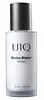
Dot & Key Skincare Blueberry Hydrate 12% Barrier Repair Face Serum Versus UIQ (Genome & Company) Revive Biome Serum
This barrier-repair serum is formulated around Niacinamide and Ceramide NP to strengthen the skin barrier and hydrate skin.
This barrier-repair serum is formulated around Ectoin to strengthen the skin barrier and hydrate skin.


What's inside
What's inside
 Key Ingredients
Benefits
Concerns
No concerns
Ingredients Side-by-side
Water
Skin ConditioningNiacinamide
Smoothing











Glycerin
Humectant
Butylene Glycol
Humectant
Xylitylglucoside
Humectant
Anhydroxylitol
Humectant
Xylitol
Humectant
Cetyl Ethylhexanoate
EmollientEthoxydiglycol
HumectantPropanediol
Solvent
Phenyl Trimethicone
Skin Conditioning
Cyclopentasiloxane
Emollient
Dimethicone
Emollient
Polysilicone-11
Decyl Glucoside
Cleansing
Helianthus Annuus Seed Oil
Emollient


Methylsilanol Mannuronate
Skin ConditioningSqualane
Emollient
Cetearyl Olivate
Sorbitan Olivate
Emulsifying
Polyacrylate Crosspolymer-6
Emulsion StabilisingBetaine
Humectant
Sodium PCA
Humectant
Sodium Lactate
Buffering
PCA
Humectant
Serine
Masking
Alanine
Masking
Glycine
Buffering
Glutamic Acid
Humectant
Lysine Hcl
Skin Conditioning
Threonine
Arginine
Masking
Proline
Skin Conditioning
Alpha-Arbutin
Antioxidant

Phytosteryl/Octyldodecyl Lauroyl Glutamate
Skin ConditioningXanthan Gum
EmulsifyingAllantoin
Skin Conditioning
Ceramide EOP
Skin Conditioning
Ceramide NP
Skin Conditioning
Ceramide AP
Skin Conditioning
Behenic Acid
Cleansing
Polyglyceryl-10 Stearate
Skin Conditioning
Polyglyceryl-6 Behenate
Emulsion Stabilising
Lactic Acid
Buffering


Ectoin
Skin Conditioning
Panthenol
Skin Conditioning
Disodium EDTA
Sodium Hyaluronate
Humectant
Tocopheryl Acetate
Antioxidant
Carbomer
Emulsion StabilisingPolysorbate 20
Emulsifying
Palmitoyl Tripeptide-1
Skin Conditioning
Palmitoyl Tetrapeptide-7
Skin Conditioning
Lactococcus Ferment Lysate
Skin Conditioning
Vaccinium Uliginosum Berry Extract
Skin ConditioningOryza Sativa Extract
Absorbent
Saccharomyces Ferment Lysate Filtrate
Skin Conditioning
Citric Acid
Buffering
Sodium Benzoate
Masking
Potassium Sorbate
Preservative
Phenoxyethanol
Preservative
Ethylhexylglycerin
Skin ConditioningGardenia Florida Oil
Tonic
Maltodextrin
Absorbent
Water, Niacinamide, Glycerin, Butylene Glycol, Xylitylglucoside, Anhydroxylitol, Xylitol, Cetyl Ethylhexanoate, Ethoxydiglycol, Propanediol, Phenyl Trimethicone, Cyclopentasiloxane, Dimethicone, Polysilicone-11, Decyl Glucoside, Helianthus Annuus Seed Oil, Methylsilanol Mannuronate, Squalane, Cetearyl Olivate, Sorbitan Olivate, Polyacrylate Crosspolymer-6, Betaine, Sodium PCA, Sodium Lactate, PCA, Serine, Alanine, Glycine, Glutamic Acid, Lysine Hcl, Threonine, Arginine, Proline, Alpha-Arbutin, Phytosteryl/Octyldodecyl Lauroyl Glutamate, Xanthan Gum, Allantoin, Ceramide EOP, Ceramide NP, Ceramide AP, Behenic Acid, Polyglyceryl-10 Stearate, Polyglyceryl-6 Behenate, Lactic Acid, Ectoin, Panthenol, Disodium EDTA, Sodium Hyaluronate, Tocopheryl Acetate, Carbomer, Polysorbate 20, Palmitoyl Tripeptide-1, Palmitoyl Tetrapeptide-7, Lactococcus Ferment Lysate, Vaccinium Uliginosum Berry Extract, Oryza Sativa Extract, Saccharomyces Ferment Lysate Filtrate, Citric Acid, Sodium Benzoate, Potassium Sorbate, Phenoxyethanol, Ethylhexylglycerin, Gardenia Florida Oil, Maltodextrin
Water
Skin ConditioningMethylpropanediol
SolventCutibacterium Avidum/Granulosum Ferment Extract Filtrate
EmollientGlycerin
Humectant
1,2-Hexanediol
Skin Conditioning
Caprylic/Capric Triglyceride
Masking
Polyglycerin-3
Humectant
Ectoin
Skin Conditioning
Cyclohexasiloxane
Emollient
Hydroxyacetophenone
Antioxidant
Ammonium Acryloyldimethyltaurate/Vp Copolymer
Xanthan Gum
EmulsifyingEthylhexylglycerin
Skin ConditioningCarbomer
Emulsion StabilisingTromethamine
BufferingAvena Sativa Kernel Extract
Abrasive
Cynara Scolymus Leaf Extract
Skin ConditioningSodium Hyaluronate
Humectant
Polyquaternium-51
Skin Conditioning
Camellia Sinensis Leaf Water
Masking
Beta-Glucan
Skin Conditioning
Hydrogenated Lecithin
Emulsifying
Allantoin
Skin Conditioning
Panthenol
Skin Conditioning
Lactic Acid
Buffering
Tocopherol
Antioxidant
Water, Methylpropanediol, Cutibacterium Avidum/Granulosum Ferment Extract Filtrate, Glycerin, 1,2-Hexanediol, Caprylic/Capric Triglyceride, Polyglycerin-3, Ectoin, Cyclohexasiloxane, Hydroxyacetophenone, Ammonium Acryloyldimethyltaurate/Vp Copolymer, Xanthan Gum, Ethylhexylglycerin, Carbomer, Tromethamine, Avena Sativa Kernel Extract, Cynara Scolymus Leaf Extract, Sodium Hyaluronate, Polyquaternium-51, Camellia Sinensis Leaf Water, Beta-Glucan, Hydrogenated Lecithin, Allantoin, Panthenol, Lactic Acid, Tocopherol
Reviews
Ingredients Explained
These ingredients are found in both products.
Ingredients higher up in an ingredient list are typically present in a larger amount.
Allantoin is a soothing ingredient known for its protective and moisturizing properties; it's basically a quiet workhorse ingredient you can find in a huge range of cosmetics.
Though it can be derived from the comfrey plant, allantoin is produced synthetically for cosmetic products to ensure purity.
Research shows it can encourage your skin cells to turn over and renew by stimulating keratinocyte and fibroblast proliferation.
It also has mild keratolytic properties to help loosen and shed dead skin cells without being harsh.
Studies also suggest allantoin can help calm inflammation by dialing down some of the chemical signals your skin sends out when it is irritated.
This ingredient is typically used in the 0.1-0.5% range, and the FDA recognizes it as a skin protectant in OTC products up to 2%.
Overall, allantoin is a wonderful addition to most routines; it is stable across a wide pH range (~4-8), works well with other ingredients, and is considered non-sensitizing/non-irritating.
Fun fact: Allantoin is naturally occurring in comfrey root, beets, chamomile, and wheat sprouts. Our bodies even produce it as a byproduct of uric acid metabolism.
Learn more about AllantoinCarbomer is a synthetic thickening and gelling agent. It's basically the ingredient that gives a lot of serums, gels, creams, and sunscreens their smooth, non-sticky texture.
Although legally permitted at very high levels, carbomers are normally used at concentrations below 1%.
It also needs to be neutralized to actually thicken, and because it is a large molecule, it doesn't really penetrate the skin barrier.
Allergy-wise, the risk is very low. Clinical studies show carbomers have low potential for skin irritation/sensitization even at concentrations up to 100%.
A 2024 UK study patch-tested 1,302 patients and found true allergy to the parent group of carbomer to be rare with no confirmed relevant reactions.
Learn more about CarbomerEctoin is a compound found naturally in some species of bacteria. It can be synthetically created for skincare use.
This ingredient is an osmolyte; Osmolytes help organisms survive osmotic shock (it protects them from extreme conditions). It does this by influencing the properties of biological fluids within cells.
When applied to the skin, ectoin helps bind water molecules to protect our skin. The water forms a sort of armor for the parts of our skin cells, enzymes, proteins, and more.
Besides this, ectoin has many uses in skincare:
A study from 2004 found ectoin to counteract the damage from UV-A exposure at different cell levels. It has also been shown to protect skin against both UV-A, UV-B rays, infrared light, and visible light.
Studies show ectoin to have dual-action pollution protection: first, it protects our skin from further pollution damage. Second, it helps repair damage from pollution.
In fact, ectoin has been shown to help with:
Fun fact: In the EU, ectoin is used in inhalation medication as an anti-pollution ingredient.
Ectoin is a highly stable ingredient. It has a wide pH range of 1-9. Light, oxygen, and temperature do not affect this ingredient.
The chemical name for this ingredient is Tetrahydromethylpyrimidine Carboxylic Acid.
Learn more about EctoinEthylhexylglycerin is created from glycerin. It is a multitasker ingredient that:
The CIR Expert Panel found minimal skin absorption or sensitization of any kind in a safety assessment. Though this ingredient is considered well-tolerated, a small number of cases of allergic dermatitis have been published since 2002. Just be sure to patch test if you are unsure.
Industry-reported use ranges from 8% in rinse-off products and 2% in leave-on formulations.
Learn more about EthylhexylglycerinGlycerin (or glycerol) is a compound naturally found in your skin. It's a powerhouse humectant that pulls water into the stratum corneum.
Topically, glycerin does several things at once:
Your skin makes glycerin on its own (mostly from sebaceous oil breakdown) and shuttles it to your outermost layer of skin, or your epidermis, via aquaporin-3.
Aquaporin-3 is a transporter that is essential for normal skin hydration, elasticity, and repair. Interestingly, mice lacking in AQP3 have dry and less elastic skin that can be fully corrected with glycerin.
This ingredient is non-irritating, plays well with almost every ingredient, and works across all skin types. Typical use is anywhere between 3-10% but can go up to 79% in some leave-on products.
Just know very high concentrations (>40%) can feel tacky in low humidity.
Glycerin is the name for this ingredient in American English. British English uses Glycerol/Glycerine.
Learn more about GlycerinLactic Acid is another well-loved alpha hydroxy acid (AHA). It is gentler than glycolic acid but still highly effective.
Its main role is to exfoliate the surface of the skin by loosening the “glue” that holds dead skin cells together. Shedding those old cells leads to smoother, softer, and more even-toned skin.
Because lactic acid molecules are larger than glycolic acid, they don’t penetrate as deeply. This means they’re less likely to sting or irritate, making it a great choice for beginners or those with sensitive skin.
Like glycolic acid, it can:
Lactic acid also acts as a humectant (like hyaluronic acid). It can draw water into the skin to improve hydration and also plays a role in the skin's natural moisturizing factor (NMF) in the form of sodium lactate.
Studies show it can boost ceramide production to strengthen the skin barrier and even help balance the skin’s microbiome.
To get results, choose products with a pH between 3-4.
Lower strengths (5-12%) focus on surface exfoliation; higher strengths (12% and up) can reach deeper in the dermis (deeper, supportive layer) to improve skin texture and firmness over time.
Though it was originally derived from milk, most modern lactic acid used in skincare is vegan. It is made through non-dairy fermentation to create a bio-identical and stable form suitable for all formulations.
When lactic acid shows up near the end of an ingredient list, it usually means the brand added just a tiny amount to adjust the product’s pH.
Legend has it that Cleopatra used to bathe in sour milk to help reduce wrinkles.
Lactic acid is truly a gentle multitasker: it exfoliates, hydrates, strengthens, and brightens. It's a great ingredient for giving your skin a smooth, glowing, and healthy look without the harshness of stronger acids.
Read more about some other popular AHA's here:
Learn more about Lactic AcidPanthenol is a common ingredient that helps hydrate and soothe the skin. It is found naturally in our skin and hair.
There are two forms of panthenol: D and L.
D-panthenol is also known as dexpanthenol. Most cosmetics use dexpanthenol or a mixture of D and L-panthenol.
Panthenol is famous due to its ability to go deeper into the skin's layers. Using this ingredient has numerous pros (and no cons):
Like hyaluronic acid, panthenol is a humectant. Humectants are able to bind and hold large amounts of water to keep skin hydrated.
This ingredient works well for wound healing. It works by increasing tissue in the wound and helps close open wounds.
Once oxidized, panthenol converts to pantothenic acid. Panthothenic acid is found in all living cells.
This ingredient is also referred to as pro-vitamin B5.
Learn more about PanthenolSodium Hyaluronate is the salt form of hyaluronic acid. It is a long sugar chain that is naturally found in your skin, joints, and connective tissue that maintains hydration and elasticity.
In skincare, it works as a humectant. It pulls water from the environment and deeper layers of skin and binds it to the surface.
Interestingly, the size of the molecule affects its behavior:
Some clinical evidence links low molecular weight versions to improved wrinkle depth, elasticity, anti-inflammatory effects, and barrier repair.
Many serums use a blend of both weights so you can get surface hydration plus longer-lasting and deeper effects.
You'll typically see concentrations between 0.1-2% for this ingredient.
Learn more about Sodium HyaluronateWater. It's the most common cosmetic ingredient of all. You'll usually see it at the top of ingredient lists, meaning that it makes up the largest part of the product.
So why is it so popular? Water most often acts as a solvent - this means that it helps dissolve other ingredients into the formulation.
You'll also recognize water as that liquid we all need to stay alive. If you see this, drink a glass of water. Remember to stay hydrated!
Learn more about WaterXanthan gum is used as a stabilizer and thickener within cosmetic products. It helps give products a sticky, thick feeling - preventing them from being too runny.
On the technical side of things, xanthan gum is a polysaccharide - a combination consisting of multiple sugar molecules bonded together.
Xanthan gum is a pretty common and great ingredient. It is a natural, non-toxic, non-irritating ingredient that is also commonly used in food products.
Learn more about Xanthan Gum

