
What's inside
What's inside
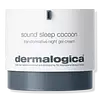 Key Ingredients
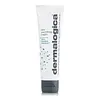
Benefits
Concerns
Ingredients Side-by-side
Water
Skin ConditioningDimethicone
Emollient
Glycerin
Humectant



Propanediol
Solvent
Polymethylsilsesquioxane
Albizia Julibrissin Bark Extract
MaskingDimethicone/PEG-10/15 Crosspolymer
Sodium Chloride
Masking


Evodia Rutaecarpa Fruit Extract
Skin ConditioningLavandula Hybrida Abrial Herb Oil
Perfuming

Tocopheryl Acetate
Antioxidant

Terminalia Ferdinandiana Fruit Extract
Antioxidant
Caprylhydroxamic Acid
Trisodium Ethylenediamine Disuccinate
Tamarindus Indica Seed Polysaccharide
Skin ConditioningDipropylene Glycol
HumectantLavandula Angustifolia Flower Extract
Cleansing

Ethylhexylglycerin
Skin ConditioningFusanus Spicatus Wood Oil
Masking
Pogostemon Cablin Leaf Oil
Masking
Sodium Citrate
BufferingPEG-10 Dimethicone
Skin Conditioning
Hexanediol
SolventPolyurethane Crosspolymer-1
Limonene
Perfuming
Tocopherol
Antioxidant
Citric Acid
Buffering



Linalool
Perfuming
Phenoxyethanol
Preservative
Water, Dimethicone, Glycerin, Propanediol, Polymethylsilsesquioxane, Albizia Julibrissin Bark Extract, Dimethicone/PEG-10/15 Crosspolymer, Sodium Chloride, Evodia Rutaecarpa Fruit Extract, Lavandula Hybrida Abrial Herb Oil, Tocopheryl Acetate, Terminalia Ferdinandiana Fruit Extract, Caprylhydroxamic Acid, Trisodium Ethylenediamine Disuccinate, Tamarindus Indica Seed Polysaccharide, Dipropylene Glycol, Lavandula Angustifolia Flower Extract, Ethylhexylglycerin, Fusanus Spicatus Wood Oil, Pogostemon Cablin Leaf Oil, Sodium Citrate, PEG-10 Dimethicone, Hexanediol, Polyurethane Crosspolymer-1, Limonene, Tocopherol, Citric Acid, Linalool, Phenoxyethanol
Water
Skin ConditioningCaprylic/Capric Triglyceride
Masking
Ethylhexyl Hydroxystearate
Emollient
Butylene Glycol
Humectant
Glycerin
Humectant
Palmitic Acid
Emollient
Dimethicone
Emollient
PEG-8
HumectantStearic Acid
Cleansing
Cetearyl Alcohol
Emollient
Sodium Hyaluronate
Humectant
Aloe Barbadensis Extract
Skin Conditioning

Vitis Vinifera Seed Extract
Antimicrobial
Saccharide Isomerate
Humectant
Cucumis Sativus Fruit Extract
Emollient
Arnica Montana Flower Extract
Masking
Hedera Helix Extract
AntimicrobialMalva Sylvestris Flower Extract
Skin ConditioningParietaria Officinalis Extract
EmollientSambucus Nigra Flower Extract
RefreshingAscorbyl Palmitate
Antioxidant
Trehalose
Humectant
Algin
Masking
Hydrolyzed Sodium Hyaluronate
Skin Conditioning
Serine
Masking
Linoleic Acid
Cleansing

Phospholipids
Skin Conditioning
Phytosterols
Skin Conditioning
Cananga Odorata Flower Oil
Masking
Urea
Buffering
Hydrogenated Lecithin
Emulsifying
Pullulan
Caprylhydroxamic Acid
Citrus Aurantium Amara Flower Extract
RefreshingTocopheryl Acetate
Antioxidant
Tetrasodium Glutamate Diacetate
Hexanediol
SolventPentylene Glycol
Skin ConditioningGlyceryl Polyacrylate
Sodium Citrate
BufferingDisodium Phosphate
BufferingPalmitoyl Hydroxypropyltrimonium Amylopectin/Glycerin Crosspolymer
Skin ConditioningCaprylyl Glycol
Emollient
Potassium Phosphate
BufferingCitric Acid
Buffering
Tocopherol
Antioxidant
Methylpropanediol
SolventPolysorbate 60
Emulsifying
Panthenol
Skin Conditioning
Polyquaternium-10
Cetyl Alcohol
Emollient
PEG-100 Stearate
Glyceryl Stearate
Emollient
Aminomethyl Propanol
BufferingCarbomer
Emulsion StabilisingEthylhexylglycerin
Skin ConditioningSodium Hydroxide
BufferingHydroxystearic Acid
Cleansing
Myristic Acid
Cleansing
BHT
Antioxidant
Benzyl Benzoate
Antimicrobial
Benzyl Salicylate
Perfuming
Linalool
Perfuming
Sodium Benzoate
Masking
Phenoxyethanol
Preservative
Water, Caprylic/Capric Triglyceride, Ethylhexyl Hydroxystearate, Butylene Glycol, Glycerin, Palmitic Acid, Dimethicone, PEG-8, Stearic Acid, Cetearyl Alcohol, Sodium Hyaluronate, Aloe Barbadensis Extract, Vitis Vinifera Seed Extract, Saccharide Isomerate, Cucumis Sativus Fruit Extract, Arnica Montana Flower Extract, Hedera Helix Extract, Malva Sylvestris Flower Extract, Parietaria Officinalis Extract, Sambucus Nigra Flower Extract, Ascorbyl Palmitate, Trehalose, Algin, Hydrolyzed Sodium Hyaluronate, Serine, Linoleic Acid, Phospholipids, Phytosterols, Cananga Odorata Flower Oil, Urea, Hydrogenated Lecithin, Pullulan, Caprylhydroxamic Acid, Citrus Aurantium Amara Flower Extract, Tocopheryl Acetate, Tetrasodium Glutamate Diacetate, Hexanediol, Pentylene Glycol, Glyceryl Polyacrylate, Sodium Citrate, Disodium Phosphate, Palmitoyl Hydroxypropyltrimonium Amylopectin/Glycerin Crosspolymer, Caprylyl Glycol, Potassium Phosphate, Citric Acid, Tocopherol, Methylpropanediol, Polysorbate 60, Panthenol, Polyquaternium-10, Cetyl Alcohol, PEG-100 Stearate, Glyceryl Stearate, Aminomethyl Propanol, Carbomer, Ethylhexylglycerin, Sodium Hydroxide, Hydroxystearic Acid, Myristic Acid, BHT, Benzyl Benzoate, Benzyl Salicylate, Linalool, Sodium Benzoate, Phenoxyethanol
Reviews
Alternatives
Ingredients Explained
These ingredients are found in both products.
Ingredients higher up in an ingredient list are typically present in a larger amount.
Caprylhydroxamic Acid is a chelating agent.
Chelating agents help prevent metal ions from binding to other ingredients. This helps prevent unwanted reactions and effects from using the product.
Caprylhydroxamic Acid is often used with natural antimicrobial products as an alternative to preservatives.
Learn more about Caprylhydroxamic AcidCitric Acid is an alpha hydroxy acid (AHA) naturally found in citrus fruits like oranges, lemons, and limes.
Like other AHAs, citric acid can exfoliate skin by breaking down the bonds that hold dead skin cells together. This helps reveal smoother and brighter skin underneath.
However, this exfoliating effect only happens at high concentrations (20%) which can be hard to find in cosmetic products.
Due to this, citric acid is usually included in small amounts as a pH adjuster. This helps keep products slightly more acidic and compatible with skin's natural pH.
In skincare formulas, citric acid can:
While it can provide some skin benefits, research shows lactic acid and glycolic acid are generally more effective and less irritating exfoliants.
Most citric acid used in skincare today is made by fermenting sugars (usually from molasses). This synthetic version is identical to the natural citrus form but easier to stabilize and use in formulations.
Read more about some other popular AHA's here:
Learn more about Citric AcidDimethicone is a type of synthetic silicone created from natural materials such as quartz.
What it does:
Dimethicone comes in different viscosities:
Depending on the viscosity, dimethicone has different properties.
Ingredients lists don't always show which type is used, so we recommend reaching out to the brand if you have questions about the viscosity.
This ingredient is unlikely to cause irritation because it does not get absorbed into skin. However, people with silicone allergies should be careful about using this ingredient.
Note: Dimethicone may contribute to pilling. This is because it is not oil or water soluble, so pilling may occur when layered with products. When mixed with heavy oils in a formula, the outcome is also quite greasy.
Learn more about DimethiconeEthylhexylglycerin (we can't pronounce this either) is commonly used as a preservative and skin softener. It is derived from glyceryl.
You might see Ethylhexylglycerin often paired with other preservatives such as phenoxyethanol. Ethylhexylglycerin has been found to increase the effectiveness of these other preservatives.
Glycerin is already naturally found in your skin. It helps moisturize and protect your skin.
A study from 2016 found glycerin to be more effective as a humectant than AHAs and hyaluronic acid.
As a humectant, it helps the skin stay hydrated by pulling moisture to your skin. The low molecular weight of glycerin allows it to pull moisture into the deeper layers of your skin.
Hydrated skin improves your skin barrier; Your skin barrier helps protect against irritants and bacteria.
Glycerin has also been found to have antimicrobial and antiviral properties. Due to these properties, glycerin is often used in wound and burn treatments.
In cosmetics, glycerin is usually derived from plants such as soybean or palm. However, it can also be sourced from animals, such as tallow or animal fat.
This ingredient is organic, colorless, odorless, and non-toxic.
Glycerin is the name for this ingredient in American English. British English uses Glycerol/Glycerine.
Learn more about GlycerinWe don't have a description for Hexanediol yet.
Linalool is a fragrance and helps add scent to products. It's derived from common plants such as cinnamon, mint, citrus, and lavender.
Like Limonene, this ingredient oxidizes when exposed to air. Oxidized linalool can cause allergies and skin sensitivity.
This ingredient has a scent that is floral, spicy tropical, and citrus-like.
Learn more about LinaloolPhenoxyethanol is a preservative that has germicide, antimicrobial, and aromatic properties. Studies show that phenoxyethanol can prevent microbial growth. By itself, it has a scent that is similar to that of a rose.
It's often used in formulations along with Caprylyl Glycol to preserve the shelf life of products.
Sodium Citrate is the sodium salts of citric acid. In skincare, it is used to alter pH levels and acts as a preservative.
Its main functions are to maintain the pH of a product and neutralize metal ions.
The acidity of our skin is maintained by our glands and skin biome; normal pH level of skin is slightly acidic (~4.75-5.5).
Being slightly acidic allows our skin to create an "acid mantle". This acid mantle is a thin barrier that protects our skin from bacteria and contaminants.
Learn more about Sodium CitrateTocopherol (also known as Vitamin E) is a common antioxidant used to help protect the skin from free-radicals and strengthen the skin barrier. It's also fat soluble - this means our skin is great at absorbing it.
Vitamin E also helps keep your natural skin lipids healthy. Your lipid skin barrier naturally consists of lipids, ceramides, and fatty acids. Vitamin E offers extra protection for your skin’s lipid barrier, keeping your skin healthy and nourished.
Another benefit is a bit of UV protection. Vitamin E helps reduce the damage caused by UVB rays. (It should not replace your sunscreen). Combining it with Vitamin C can decrease sunburned cells and hyperpigmentation after UV exposure.
You might have noticed Vitamin E + C often paired together. This is because it is great at stabilizing Vitamin C. Using the two together helps increase the effectiveness of both ingredients.
There are often claims that Vitamin E can reduce/prevent scarring, but these claims haven't been confirmed by scientific research.
Learn more about TocopherolTocopheryl Acetate is AKA Vitamin E. It is an antioxidant and protects your skin from free radicals. Free radicals damage the skin by breaking down collagen.
One study found using Tocopheryl Acetate with Vitamin C decreased the number of sunburned cells.
Tocopheryl Acetate is commonly found in both skincare and dietary supplements.
Learn more about Tocopheryl AcetateWater. It's the most common cosmetic ingredient of all. You'll usually see it at the top of ingredient lists, meaning that it makes up the largest part of the product.
So why is it so popular? Water most often acts as a solvent - this means that it helps dissolve other ingredients into the formulation.
You'll also recognize water as that liquid we all need to stay alive. If you see this, drink a glass of water. Stay hydrated!
Learn more about Water
