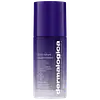
This anti-aging moisturizer is formulated around Simmondsia Chinensis Seed Oil and Squalane to soften the look of wrinkles and hydrate skin.
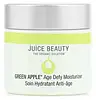
This anti-aging moisturizer is formulated around Aloe Barbadensis Leaf Juice and Palmitoyl Tripeptide-5 to soften the look of wrinkles and brighten dull-looking skin.

What's inside
What's inside
 Key Ingredients
Benefits
Concerns
Ingredients Side-by-side
Water
Skin ConditioningSimmondsia Chinensis Seed Oil
Emollient





Glycerin
Humectant
Neopentyl Glycol Diheptanoate
EmollientSqualane
Emollient
Hydrogenated Ethylhexyl Olivate
EmollientPropanediol
Solvent
Caprylic/Capric Triglyceride
Masking
Pentylene Glycol
Skin Conditioning
Camellia Japonica Seed Oil
Emollient
Butylene Glycol
Humectant
C12-15 Alkyl Benzoate
AntimicrobialSodium Hyaluronate
Humectant

Ubiquinone
Antioxidant
Glycine Soja Oil
Emollient




PEG-40 Hydrogenated Castor Oil
Emulsifying
Helianthus Annuus Seed Oil
Emollient
Citrus Aurantium Bergamia Fruit Oil
Masking


Citrus Limon Peel Oil
Masking

Rosmarinus Officinalis Leaf Extract
AntimicrobialViola Odorata Leaf Extract
MaskingCarthamus Tinctorius Seed Oil
Masking
Tropaeolum Majus Flower/Leaf/Stem Extract
Skin ConditioningAstragalus Membranaceus Root Extract
Emollient
Spilanthes Acmella Flower/Leaf/Stem Extract
AntimicrobialLavandula Spica Flower/Leaf/Stem Extract
Skin ConditioningLigustrum Lucidum Seed Extract
Skin ConditioningCitrus Aurantium Dulcis Oil
Masking
Rosmarinus Officinalis Flower/Leaf/Stem Extract
MaskingSalvia Sclarea Extract
AntiseborrhoeicLitsea Cubeba Fruit Oil
Masking
Mentha Piperita Flower/Leaf/Stem Extract
Masking
Luffa Cylindrica Root Extract
Skin ConditioningHydrogenated Olive Oil Unsaponifiables
Emollient
Tocopherol
Antioxidant

Phospholipids
Skin Conditioning
Glycogen
HumectantCaprylyl Glycol
Emollient
Glycolipids
Skin ConditioningAcrylates/C10-30 Alkyl Acrylate Crosspolymer
Emulsion StabilisingGlycine Soja Sterols
Emollient
Dicaprylyl Ether
Emollient
Xanthan Gum
EmulsifyingC15-19 Alkane
SolventEthylhexylglycerin
Skin ConditioningPolysorbate 20
Emulsifying
Tetrasodium Glutamate Diacetate
ChelatingPhytic Acid
Chelating
Lauryl Glucoside
CleansingSodium Hydroxide
BufferingSodium Acrylate/Sodium Acryloyldimethyl Taurate Copolymer
Emulsion StabilisingSodium Benzoate
Masking
Water, Simmondsia Chinensis Seed Oil, Glycerin, Neopentyl Glycol Diheptanoate, Squalane, Hydrogenated Ethylhexyl Olivate, Propanediol, Caprylic/Capric Triglyceride, Pentylene Glycol, Camellia Japonica Seed Oil, Butylene Glycol, C12-15 Alkyl Benzoate, Sodium Hyaluronate, Ubiquinone, Glycine Soja Oil, PEG-40 Hydrogenated Castor Oil, Helianthus Annuus Seed Oil, Citrus Aurantium Bergamia Fruit Oil, Citrus Limon Peel Oil, Rosmarinus Officinalis Leaf Extract, Viola Odorata Leaf Extract, Carthamus Tinctorius Seed Oil, Tropaeolum Majus Flower/Leaf/Stem Extract, Astragalus Membranaceus Root Extract, Spilanthes Acmella Flower/Leaf/Stem Extract, Lavandula Spica Flower/Leaf/Stem Extract, Ligustrum Lucidum Seed Extract, Citrus Aurantium Dulcis Oil, Rosmarinus Officinalis Flower/Leaf/Stem Extract, Salvia Sclarea Extract, Litsea Cubeba Fruit Oil, Mentha Piperita Flower/Leaf/Stem Extract, Luffa Cylindrica Root Extract, Hydrogenated Olive Oil Unsaponifiables, Tocopherol, Phospholipids, Glycogen, Caprylyl Glycol, Glycolipids, Acrylates/C10-30 Alkyl Acrylate Crosspolymer, Glycine Soja Sterols, Dicaprylyl Ether, Xanthan Gum, C15-19 Alkane, Ethylhexylglycerin, Polysorbate 20, Tetrasodium Glutamate Diacetate, Phytic Acid, Lauryl Glucoside, Sodium Hydroxide, Sodium Acrylate/Sodium Acryloyldimethyl Taurate Copolymer, Sodium Benzoate
Aloe Barbadensis Leaf Juice
Skin Conditioning
Caprylic/Capric Triglyceride
Masking
Glyceryl Stearate
Emollient
Helianthus Annuus Seed Oil
Emollient
Glycerin
Humectant
Stearyl Alcohol
Emollient
Cetyl Alcohol
Emollient
Myristyl Myristate
Emollient
Glyceryl Stearate Citrate
Emollient
Simmondsia Chinensis Seed Oil
Emollient
Squalane
Emollient
Caprylyl Glycol
Emollient
Pyrus Malus Juice
Skin ConditioningVitis Vinifera Juice
Antioxidant
Citrus Limon Juice
Skin Conditioning
Butyrospermum Parkii Butter
Skin Conditioning
Carthamus Tinctorius Seed Oil
Masking
Palmitoyl Tripeptide-5
Skin Conditioning

Borago Officinalis Seed Oil
Emollient
Camellia Sinensis Leaf Extract
Antimicrobial

Magnesium Ascorbyl Phosphate
Antioxidant
Xanthan Gum
EmulsifyingAlgae Extract
Emollient
Persea Gratissima Oil
Skin Conditioning
Ubiquinone
Antioxidant
Oenothera Biennis Oil
Emollient
Allantoin
Skin Conditioning
Salix Alba Bark Extract
Astringent
Panthenol
Skin Conditioning
Linum Usitatissimum Seed Oil
Perfuming
Hyaluronic Acid
Humectant
Lonicera Caprifolium Extract
AstringentLonicera Japonica Callus Extract
Skin ProtectingSaccharum Officinarum Extract
MoisturisingThioctic Acid
Antioxidant
Tocopherol
Antioxidant
Citrus Aurantium Dulcis Oil
Masking
Cinnamomum Camphora Bark Oil
Masking
Litsea Cubeba Fruit Oil
Masking
Ethyl Linalool
Masking
Citral
Perfuming
Limonene
Perfuming
Geraniol
Perfuming
Aloe Barbadensis Leaf Juice, Caprylic/Capric Triglyceride, Glyceryl Stearate, Helianthus Annuus Seed Oil, Glycerin, Stearyl Alcohol, Cetyl Alcohol, Myristyl Myristate, Glyceryl Stearate Citrate, Simmondsia Chinensis Seed Oil, Squalane, Caprylyl Glycol, Pyrus Malus Juice, Vitis Vinifera Juice, Citrus Limon Juice, Butyrospermum Parkii Butter, Carthamus Tinctorius Seed Oil, Palmitoyl Tripeptide-5, Borago Officinalis Seed Oil, Camellia Sinensis Leaf Extract, Magnesium Ascorbyl Phosphate, Xanthan Gum, Algae Extract, Persea Gratissima Oil, Ubiquinone, Oenothera Biennis Oil, Allantoin, Salix Alba Bark Extract, Panthenol, Linum Usitatissimum Seed Oil, Hyaluronic Acid, Lonicera Caprifolium Extract, Lonicera Japonica Callus Extract, Saccharum Officinarum Extract, Thioctic Acid, Tocopherol, Citrus Aurantium Dulcis Oil, Cinnamomum Camphora Bark Oil, Litsea Cubeba Fruit Oil, Ethyl Linalool, Citral, Limonene, Geraniol
Reviews
Ingredients Explained
These ingredients are found in both products.
Ingredients higher up in an ingredient list are typically present in a larger amount.
Caprylic/Capric Triglyceride (aka MCT Oil) is a lightweight emollient, solvent, and texture enhancer. It is considered a skin-softener by helping to prevent moisture loss.
Though it behaves like an oil, it is not technically one due to its chemical composition. One perk of this ingredient is that it is very stable, resistant to oxidation, and unlikely to go rancid.
In practice, that translates to a long shelf life and a consistently elegant skin feel.
While there is an assumption Caprylic Triglyceride can clog pores due to it being derived from coconut oil, there is no research supporting this. Just patch test if you have concerns.
Fractionated coconut oil and MCT Oil are both listed as Caprylic/Capric Triglyceride according to INCI. This is because INCI names are based on the ingredient’s final chemical composition and not its marketing name or source.
This ingredient is treated as the gold standard fungal acne safe oil. Even though it is coconut derived, the problematic lauric acid is stripped out.
This leaves just caprylic (C8) and capric (C10) acid. These chain lengths actually trend antifungal; a 2020 study found caprylic acid was enough to disrupt Malassezia furfur cell membrane, with a caprylic acid derivative damaging membrane structures at concentrations as low as 0.2%.
Learn more about Caprylic/Capric TriglycerideCaprylyl Glycol is a humectant, skin conditioner, emollient, and preservative booster derived from either caprylic acid or synthetically created.
Typical use levels vary from 0.3-1% as a preservative booster and go up to 2% to condition skin.
Because it is not a free-fatty acid, this ingredient is fungal acne safe (there's nothing for Malassezia to feed on).
Learn more about Caprylyl GlycolCarthamus Tinctorius Seed Oil comes from the seeds of the safflower plant. It is a skin conditioning agent that helps soften skin and keep it hydrated.
This seed oil has an unusual fatty acid profile: it is one of the highest linoleic acid plant oils out there (~55-77%). It also has low amounts of oleic acid, and this high-linoleic/low-oleic ratio gets people excited.
Linoleic acid helps maintain skin barrier integrity and is a building block for the ceramides in your stratum corneum. Notably, people with acne tend to have lower linoleic acid in their skin lipids as well (and this gets worse as acne gets more severe).
Overall, it's a lightweight, fast-absorbing oil that has a long safety track record. Lab testing has found it to be non-irritating for skin or eyes.
The Malassezia yeast can metabolize the fatty acids in this oil to grow; therefore this ingredient may not be fungal acne safe.
Learn more about Carthamus Tinctorius Seed OilCitrus Aurantium Dulcis Oil comes from the bitter orange, an orange native to Southeast Asia.
This orange is commonly used in cosmetics and food. It is a common ingredient for marmalade.
Citrus peels are often made up of mainly limonene, a fragrance with a citrus scent. They also contain flavonoids, which have anti-inflammatory properties.
Learn more about Citrus Aurantium Dulcis OilGlycerin (or glycerol) is a compound naturally found in your skin. It's a powerhouse humectant that pulls water into the stratum corneum.
Topically, glycerin does several things at once:
Your skin makes glycerin on its own (mostly from sebaceous oil breakdown) and shuttles it to your outermost layer of skin, or your epidermis, via aquaporin-3.
Aquaporin-3 is a transporter that is essential for normal skin hydration, elasticity, and repair. Interestingly, mice lacking in AQP3 have dry and less elastic skin that can be fully corrected with glycerin.
This ingredient is non-irritating, plays well with almost every ingredient, and works across all skin types. Typical use is anywhere between 3-10% but can go up to 79% in some leave-on products.
Just know very high concentrations (>40%) can feel tacky in low humidity.
Glycerin is the name for this ingredient in American English. British English uses Glycerol/Glycerine.
Learn more about GlycerinHelianthus Annuus Seed Oil is a plant oil derived from the seeds of a sunflower.
It is rich in fatty acids, primarily linoleic acid and oleic acid. This gives it emollient and skin conditioning properties.
The reason this ingredient is so effective is because it forms a thin film on the skin that reduces transepidermal water loss (TEWL) while supplying linoleic acid to the stratum corneum to improve barrier strength.
The high linoleic acid content is particularly noteworthy for acne-prone skin.
Research suggests that acne-prone skin tends to be deficient in linoleic acid in sebum. Topical application may help replenish this to support a healthier follicular environment and less comedone-promoting sebum.
One randomized study found sunflower seed oil preserved skin barrier integrity in adult volunteers with and without atopic dermatitis (outperforming olive oil).
This ingredient is well-studied, gentle, and an effective emollient suitable for most skin types.
On fungal acne: This ingredient may not be Fungal acne (Malassezia folliculitis) safe. This is because it contains fatty acids with carbon chain lengths in the C11-C24 range.
Learn more about Helianthus Annuus Seed OilLitsea Cubeba Fruit Oil is also known as May Chang essential oil. It is mostly used as a fragrance ingredient and has a bright, sweet, and lemony scent.
The main fragrance compounds in this ingredient are citral (~70-85%) and limonene.
Citral has documented antimicrobial activity against acne bacteria (which is where the marketing claims about it being good for acne-prone skin originate), but real formulas use it at fragrance-level concentrations under 1%.
The main thing worth knowing is that citral is a known EU fragrance allergen so people with known fragrance sensitivities may want to skip it.
Unlike citrus oils, May Chang doesn't contain furocoumarins and therefore isn't phototoxic.
Learn more about Litsea Cubeba Fruit OilJojoba oil is one of the most well-studied plant-derived ingredients in cosmetics. It is an emollient with a special structure.
Because it is made up of 97-98% wax esters, it closely mirrors the linear monoesters found in human sebum. This makes it skin compatible, non-greasy, and lightweight.
Unlike other plant oils, jojoba wax doesn't easily penetrate skin. It mostly works in the uppermost layers as an emollient. This just means it forms a light barrier on the skin to help retain moisture.
Formulations with jojoba esters up to 90% reduced transepidermal water loss (TEWL) and increased barrier recovery by 81% (outperforming bisabolol at 47%).
Besides barrier support, the science also suggests jojoba to have anti-inflammatory effects and potential applications for skin infections, aging, and wound healing.
Fun fact: Indigenous cultures have used jojoba as a moisturizer and to help treat burns for centuries.
Fungal acne: The Malassezia yeast is known to metabolize fatty acids in the C11-24 range and jojoba's dominant fatty acid components fall into this range. This ingredient may not be fungal acne safe.
Learn more about Simmondsia Chinensis Seed OilSqualane is the hydrogenated and shelf-stable form of squalene (a lipid that naturally occurs in human sebum).
It is an emollient and skin conditioning agent that is able to integrate seamlessly into the skin's lipid barrier without clogging pores.
This is due to how structurally similar it is to what your skin already produces.
Though it is mostly an emollient that helps soften and hydrate skin, it also has some humectant and occlusive action. Humectants help the skin retain moisture while occlusives seal it in, making squalane a triple-threat moisturizer.
Research shows it has antioxidant capabilities that help protect against stressors like UV exposure, specifically UVA induced oxidative stress. This study also found that it supports collagen biosynthesis in human dermal fibroblasts.
No clinical study has reported significant adverse effects and irritation reactions are very rare from this ingredient (even at 100% concentration).
Overall, it's a fantastic ingredient for hydration and is suitable for all skin types.
This depends on the source. Squalane can be derived from both plants and animals. Most squalane used in skincare comes from plants.
Please note: the source of squalane is only known if disclosed by the brand. We recommend reaching out to the brand if you have any questions about their squalane.
Read more about squalene with an "e".
Though squalane is often called an oil, it’s technically not one. It is a hydrocarbon, meaning it is only made of carbon and hydrogen. True oils are triglycerides and made of fatty acids and glycerol.
The term “oil-free” isn’t regulated so companies can define it however they want. Some exclude all oils, while others just avoid mineral oil or comedogenic oils.
Squalane has a comedogenic rating of 1 from the original 1972 study that tested raw ingredients under occlusion on rabbit ears. This system is not standardized or peer-reviewed, and using the raw ingredients is very different from how diluted cosmetic formulations are used on human skin.
A comedogenic rating of 1 means it is "unlikely to clog pores" according to the original rating system.
The overall formula of a product matters more than the individual ingredients on whether or not it will cause clogged pores.
Learn more about SqualaneTocopherol is a fat-soluble antioxidant known as Vitamin E.
You'll find this ingredient in the vast majority of skincare (for good reason). It works to neutralize free radicals, or unstable molecules generated by UV exposure, pollution, and other environmental stressors, before they can cause oxidative damage to your skin cells.
Topically applied tocopherol has been shown to protect against UV damage by ramping up the skin's own natural defense enzymes.
It also acts as a skin conditioning agent; some studies show that regular topical use can improve the skin's water-binding capacity over 2-4 weeks.
This ingredient is especially loved for being a team player. When combined with Vitamin C, the photoprotective effect of both ingredients roughly doubles and the combo also helps reduce UV-induced DNA damage.
This ingredient has some brightening potential but it's more of a prevention ingredient than spot-fader. Cell studies show it can slow down melanin production but it's worth noting that it's not the most powerful brightener out there.
In formulations, it also serves as a stabilizer that helps protect other oxidation-prone ingredients from degrading.
Concentrations usually range from 0.1-1% in most leave-on products.
Learn more about TocopherolUbiquinone (Coenzyme Q10) is a molecule already found in our bodies. It is a potent antioxidant and skin-soothing ingredient.
Aging and environmental exposure diminishes our skin's natural ubiquinone levels. This is much like our natural collagen and elastin.
The good news is: studies show applying this ingredient topically replenishes ubiquinone levels in our skin. This also comes with a ton of skin benefits. These benefits include:
Ubiquinone is considered a large molecule and cannot be absorbed into the lower layers of skin. This is why it is believed to be such an effective antioxidant: it protects our skin in the upper layers and prevents damage in the deeper layers.
When used in sunscreen, ubiquinone is shown to increase ingredient stability, increase SPF factor, and add to infrared protection.
Fun fact: ubiquinone is fat-soluble.
Learn more about UbiquinoneXanthan gum is used as a stabilizer and thickener within cosmetic products. It helps give products a sticky, thick feeling - preventing them from being too runny.
On the technical side of things, xanthan gum is a polysaccharide - a combination consisting of multiple sugar molecules bonded together.
Xanthan gum is a pretty common and great ingredient. It is a natural, non-toxic, non-irritating ingredient that is also commonly used in food products.
Learn more about Xanthan Gum

