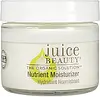
This barrier-repair moisturizer is formulated around Aloe Barbadensis Leaf Extract and Butyrospermum Parkii Butter to strengthen the skin barrier and hydrate skin.
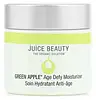
This anti-aging moisturizer is formulated around Aloe Barbadensis Leaf Juice and Palmitoyl Tripeptide-5 to soften the look of wrinkles and brighten dull-looking skin.

What's inside
What's inside
 Key Ingredients
Benefits
Concerns
Ingredients Side-by-side
Vitis Vinifera
MaskingAloe Barbadensis Leaf Extract
Emollient


Cetearyl Alcohol
Emollient






Butyrospermum Parkii Butter
Skin Conditioning
Glycerin
Humectant
Cetearyl Glucoside
Emulsifying
Simmondsia Chinensis Seed Oil
Emollient
Oenothera Biennis Oil
Emollient
Linum Usitatissimum Seed Oil
Perfuming
Borago Officinalis Seed Oil
Emollient
Limnanthes Alba Seed Oil
Skin Conditioning
Gluconolactone
Skin Conditioning






Sodium Benzoate
Masking
Sorbitan Stearate
Emulsifying
Magnesium Ascorbyl Phosphate
Antioxidant

Tocopherol
Antioxidant

Sodium Hyaluronate
Humectant
Calendula Officinalis Extract
Skin Conditioning
Chamomilla Recutita Extract
Skin Conditioning
Tilia Cordata Extract
RefreshingCoenochloris Signiensis Extract
Skin ConditioningPotassium Sorbate
Preservative
Copernicia Cerifera Cera
Emollient
Litsea Cubeba Fruit Oil
Masking

Cananga Odorata Flower Oil
Masking
Boswellia Carterii Oil
Masking
Commiphora Myrrha Oil
Masking
Vitis Vinifera, Aloe Barbadensis Leaf Extract, Cetearyl Alcohol, Butyrospermum Parkii Butter, Glycerin, Cetearyl Glucoside, Simmondsia Chinensis Seed Oil, Oenothera Biennis Oil, Linum Usitatissimum Seed Oil, Borago Officinalis Seed Oil, Limnanthes Alba Seed Oil, Gluconolactone, Sodium Benzoate, Sorbitan Stearate, Magnesium Ascorbyl Phosphate, Tocopherol, Sodium Hyaluronate, Calendula Officinalis Extract, Chamomilla Recutita Extract, Tilia Cordata Extract, Coenochloris Signiensis Extract, Potassium Sorbate, Copernicia Cerifera Cera, Litsea Cubeba Fruit Oil, Cananga Odorata Flower Oil, Boswellia Carterii Oil, Commiphora Myrrha Oil
Aloe Barbadensis Leaf Juice
Skin Conditioning
Caprylic/Capric Triglyceride
Masking
Glyceryl Stearate
Emollient
Helianthus Annuus Seed Oil
Emollient
Glycerin
Humectant
Stearyl Alcohol
Emollient
Cetyl Alcohol
Emollient
Myristyl Myristate
Emollient
Glyceryl Stearate Citrate
Emollient
Simmondsia Chinensis Seed Oil
Emollient
Squalane
Emollient
Caprylyl Glycol
Emollient
Pyrus Malus Juice
Skin ConditioningVitis Vinifera Juice
Antioxidant
Citrus Limon Juice
Skin Conditioning
Butyrospermum Parkii Butter
Skin Conditioning
Carthamus Tinctorius Seed Oil
Masking
Palmitoyl Tripeptide-5
Skin Conditioning
Borago Officinalis Seed Oil
Emollient
Camellia Sinensis Leaf Extract
Antimicrobial
Magnesium Ascorbyl Phosphate
Antioxidant
Xanthan Gum
EmulsifyingAlgae Extract
EmollientPersea Gratissima Oil
Skin Conditioning
Ubiquinone
Antioxidant
Oenothera Biennis Oil
Emollient
Allantoin
Skin Conditioning
Salix Alba Bark Extract
Astringent
Panthenol
Skin Conditioning
Linum Usitatissimum Seed Oil
Perfuming
Hyaluronic Acid
Humectant
Lonicera Caprifolium Extract
AstringentLonicera Japonica Callus Extract
Skin ProtectingSaccharum Officinarum Extract
MoisturisingThioctic Acid
Antioxidant
Tocopherol
Antioxidant
Citrus Aurantium Dulcis Oil
Masking
Cinnamomum Camphora Bark Oil
Masking
Litsea Cubeba Fruit Oil
Masking
Ethyl Linalool
Masking
Citral
Perfuming
Limonene
Perfuming
Geraniol
Perfuming
Aloe Barbadensis Leaf Juice, Caprylic/Capric Triglyceride, Glyceryl Stearate, Helianthus Annuus Seed Oil, Glycerin, Stearyl Alcohol, Cetyl Alcohol, Myristyl Myristate, Glyceryl Stearate Citrate, Simmondsia Chinensis Seed Oil, Squalane, Caprylyl Glycol, Pyrus Malus Juice, Vitis Vinifera Juice, Citrus Limon Juice, Butyrospermum Parkii Butter, Carthamus Tinctorius Seed Oil, Palmitoyl Tripeptide-5, Borago Officinalis Seed Oil, Camellia Sinensis Leaf Extract, Magnesium Ascorbyl Phosphate, Xanthan Gum, Algae Extract, Persea Gratissima Oil, Ubiquinone, Oenothera Biennis Oil, Allantoin, Salix Alba Bark Extract, Panthenol, Linum Usitatissimum Seed Oil, Hyaluronic Acid, Lonicera Caprifolium Extract, Lonicera Japonica Callus Extract, Saccharum Officinarum Extract, Thioctic Acid, Tocopherol, Citrus Aurantium Dulcis Oil, Cinnamomum Camphora Bark Oil, Litsea Cubeba Fruit Oil, Ethyl Linalool, Citral, Limonene, Geraniol
Ingredients Explained
These ingredients are found in both products.
Ingredients higher up in an ingredient list are typically present in a larger amount.
Borago Officinalis Seed Oil is from the seeds of the starflower plant. This plant grows primarily in Europe.
This oil does not have a scent. It contains fatty acids such as linolenic acid. These fatty acids help keep skin hydrated.
Borago Officinalis Seed Oil is an antioxidant. Antioxidants help fight free-radicals. Free-radicals are molecules that may damage your skin cells.
Learn more about Borago Officinalis Seed OilThis ingredient is also known as shea butter. It is a plant-derived extract from the nuts of the Africa shea tree and one of the most well-studied emollients.
Because it has a high concentration of fatty acids (primarily oleic, stearic, and linoleic) it is able to form a protective barrier on the skin's surface. This helps seal in moisture and prevents transepidermal water loss (TEWL).
In vitro research found an increase in skin hydration by 58% and a decrease in TEWL by 37.8% after 24 hours of applying this ingredient (pretty impressive for a single ingredient!).
Besides hydration, shea butter also contains triterpenes that have anti-inflammatory potential. In particule, lupeol cinnamate has shown the highest anti-inflammatory activity in vivo.
Shea butter also contains vitamins A and E which may contribute to antioxidant activity.
While Shea Butter has an SPF rating of about 3-4, it is not a sunscreen replacement.
This ingredient may not be fungal acne safe because its fatty acids fall within the C11-C24 range that the Malassezia yeast can metabolize.
Learn more about Butyrospermum Parkii ButterGlycerin (or glycerol) is a compound naturally found in your skin. It's a powerhouse humectant that pulls water into the stratum corneum.
Topically, glycerin does several things at once:
Your skin makes glycerin on its own (mostly from sebaceous oil breakdown) and shuttles it to your outermost layer of skin, or your epidermis, via aquaporin-3.
Aquaporin-3 is a transporter that is essential for normal skin hydration, elasticity, and repair. Interestingly, mice lacking in AQP3 have dry and less elastic skin that can be fully corrected with glycerin.
This ingredient is non-irritating, plays well with almost every ingredient, and works across all skin types. Typical use is anywhere between 3-10% but can go up to 79% in some leave-on products.
Just know very high concentrations (>40%) can feel tacky in low humidity.
Glycerin is the name for this ingredient in American English. British English uses Glycerol/Glycerine.
Learn more about GlycerinThis ingredient is also known as flaxseed oil or linseed oil. It is created by cold-pressing the seeds of the flax plant and is rich in fatty acids.
This oil is packed with omega-3 (ALA), omega-6, and omega-9 fatty acids that closely mimic the skin's own natural lipid barrier. The high omega-3 content gives it solid anti-inflammatory properties.
Clinical studies have found it can reduce water loss and improve smoothness/hydration, particularly in sensitive skin types. Studies also suggest it helps maintain the lipid layer that is compromised in atopic (eczema-prone) skin.
Wound healing studies showed that low-concentration linseed oil formulations (1-5%) produced significant barrier repair, but it should be noted that high concentrations showed diminishing returns.
Due to the rich fatty acid content, this ingredient may not be fungal acne safe.
Learn more about Linum Usitatissimum Seed OilLitsea Cubeba Fruit Oil is also known as May Chang essential oil. It is mostly used as a fragrance ingredient and has a bright, sweet, and lemony scent.
The main fragrance compounds in this ingredient are citral (~70-85%) and limonene.
Citral has documented antimicrobial activity against acne bacteria (which is where the marketing claims about it being good for acne-prone skin originate), but real formulas use it at fragrance-level concentrations under 1%.
The main thing worth knowing is that citral is a known EU fragrance allergen so people with known fragrance sensitivities may want to skip it.
Unlike citrus oils, May Chang doesn't contain furocoumarins and therefore isn't phototoxic.
Learn more about Litsea Cubeba Fruit OilMagnesium Ascorbyl Phosphate (MAP) is a water-soluble form of Vitamin C. It is used in skincare because it tends to be more formulation friendly than pure vitamin C (ascorbic acid).
According to research, MAP has three major benefits:
While MAP is gentler on the skin than ascorbic acid, it is thought to be less easily absorbed into the skin.
In a well-known absorption study, pure vitamin C increased skin vitamin C levels when formulated correctly, but derivatives like MAP did not in that experiment. This suggests MAP may not always convert into active vitamin C in the skin.
Due to MAP's stability up to a pH level of 7, it is more stable to air and sunlight exposure than ascorbic acid. The best pH range for MAP is between 5 and 6.
Learn more about Magnesium Ascorbyl PhosphateOenothera Biennis Oil (aka Evening Primrose Oil) is a non-fragrant oil from the evening primrose. Like other botanical oils, it is an emollient that helps hydrate and nourish skin.
It has an interesting fatty acid profile: linoleic (70-74%) and γ-linolenic (8-10%), with some amounts ofoleic palmitic, and stearic acids.
The gamma-linoleic acid (GLA) is the headliner here; it's relatively rare in plant oils and acts as a precursor for anti-inflammatory signaling molecules in the skin.
There's a mixed body of clinical research with this ingredient as well, mostly on eczema/atopic dermatitis skin.
Some controlled trials showed improvement in inflammation, dryness, scaling, and overall severity. Other studies and large meta-analysis failed to show a significant effect; the honest takeaway here is "promising but inconsistent" rather than "miracle oil".
On the safety front, this ingredient is found to be safe as used in cosmetics and even has a history of safe food use.
Since this oil is contains oleic acid and palmitic acid, it may not be fungal acne safe. The Malassezia yeast feeds on fatty acids with carbon chain lengths between C11-C24. Oleic Acid sits at C18 and Palmitic acid sits at C16.
In vitro studies have shown that oleic acid and palmitic acid are some of the fatty acids that induce rapid Malassezia growth in lab settings.
Learn more about Oenothera Biennis OilJojoba oil is one of the most well-studied plant-derived ingredients in cosmetics. It is an emollient with a special structure.
Because it is made up of 97-98% wax esters, it closely mirrors the linear monoesters found in human sebum. This makes it skin compatible, non-greasy, and lightweight.
Unlike other plant oils, jojoba wax doesn't easily penetrate skin. It mostly works in the uppermost layers as an emollient. This just means it forms a light barrier on the skin to help retain moisture.
Formulations with jojoba esters up to 90% reduced transepidermal water loss (TEWL) and increased barrier recovery by 81% (outperforming bisabolol at 47%).
Besides barrier support, the science also suggests jojoba to have anti-inflammatory effects and potential applications for skin infections, aging, and wound healing.
Fun fact: Indigenous cultures have used jojoba as a moisturizer and to help treat burns for centuries.
Fungal acne: The Malassezia yeast is known to metabolize fatty acids in the C11-24 range and jojoba's dominant fatty acid components fall into this range. This ingredient may not be fungal acne safe.
Learn more about Simmondsia Chinensis Seed OilTocopherol is a fat-soluble antioxidant known as Vitamin E.
You'll find this ingredient in the vast majority of skincare (for good reason). It works to neutralize free radicals, or unstable molecules generated by UV exposure, pollution, and other environmental stressors, before they can cause oxidative damage to your skin cells.
Topically applied tocopherol has been shown to protect against UV damage by ramping up the skin's own natural defense enzymes.
It also acts as a skin conditioning agent; some studies show that regular topical use can improve the skin's water-binding capacity over 2-4 weeks.
This ingredient is especially loved for being a team player. When combined with Vitamin C, the photoprotective effect of both ingredients roughly doubles and the combo also helps reduce UV-induced DNA damage.
This ingredient has some brightening potential but it's more of a prevention ingredient than spot-fader. Cell studies show it can slow down melanin production but it's worth noting that it's not the most powerful brightener out there.
In formulations, it also serves as a stabilizer that helps protect other oxidation-prone ingredients from degrading.
Concentrations usually range from 0.1-1% in most leave-on products.
Learn more about Tocopherol

