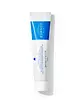
This calming moisturizer is formulated around Zinc Oxide and Madecassoside to calm redness and strengthen the skin barrier.
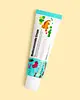
This calming moisturizer is formulated around Centella Asiatica Leaf Water and Niacinamide to calm redness and strengthen the skin barrier.


What's inside
What's inside
 Key Ingredients
Benefits
Concerns
Ingredients Side-by-side
Water
Skin ConditioningZinc Oxide
Cosmetic Colorant


Caprylic/Capric Triglyceride
Masking


Glycerin
Humectant
Butyrospermum Parkii Butter
Skin Conditioning




Dimethicone
Emollient
Cetearyl Alcohol
Emollient
Soybean Glycerides
EmollientButyrospermum Parkii Butter Unsaponifiables
Skin Conditioning
Vegetable Oil
Skin Conditioning
Cetearyl Olivate
Sorbitan Olivate
Emulsifying
Glyceryl Stearate
Emollient
Physalis Angulata Extract
Skin ProtectingBenzyl Alcohol
Perfuming





Sodium Polyacrylate
Absorbent
Saccharide Isomerate
Humectant
Madecassoside
Antioxidant



Tocopheryl Acetate
Antioxidant

Bisabolol
Antioxidant
Glycyrrhetinic Acid
Skin Conditioning
Stearic Acid
Cleansing
Asiaticoside
Antioxidant
Madecassic Acid
Skin Conditioning
Asiatic Acid
Skin Conditioning
Sodium Lauroyl Glutamate
SurfactantXanthan Gum
EmulsifyingZinc Glutamate
Skin ConditioningCrocus Chrysanthus Bulb Extract
Skin ConditioningDehydroacetic Acid
Preservative
Citric Acid
Buffering
Sodium Citrate
BufferingTocopherol
Antioxidant
Water, Zinc Oxide, Caprylic/Capric Triglyceride, Glycerin, Butyrospermum Parkii Butter, Dimethicone, Cetearyl Alcohol, Soybean Glycerides, Butyrospermum Parkii Butter Unsaponifiables, Vegetable Oil, Cetearyl Olivate, Sorbitan Olivate, Glyceryl Stearate, Physalis Angulata Extract, Benzyl Alcohol, Sodium Polyacrylate, Saccharide Isomerate, Madecassoside, Tocopheryl Acetate, Bisabolol, Glycyrrhetinic Acid, Stearic Acid, Asiaticoside, Madecassic Acid, Asiatic Acid, Sodium Lauroyl Glutamate, Xanthan Gum, Zinc Glutamate, Crocus Chrysanthus Bulb Extract, Dehydroacetic Acid, Citric Acid, Sodium Citrate, Tocopherol
Centella Asiatica Leaf Water
Skin Conditioning
Water
Skin ConditioningCyclopentasiloxane
Emollient
Propanediol
Solvent
Phenyl Trimethicone
Skin Conditioning
Glycerin
Humectant
PEG-10 Dimethicone
Skin Conditioning
Niacinamide
Smoothing


Cyclohexasiloxane
Emollient
Panthenol
Skin Conditioning
Ethoxydiglycol
HumectantDisteardimonium Hectorite
StabilisingSodium Chloride
MaskingRubus Suavissimus Leaf Extract
Skin ConditioningCentella Asiatica Extract
Cleansing
Caprylyl Glycol
Emollient
Pinus Densiflora Leaf Extract
Antimicrobial
Hamamelis Virginiana Leaf Extract
Skin Conditioning
Dimethicone Crosspolymer
Emulsion Stabilising
Camellia Sinensis Leaf Extract
Antimicrobial
Butylene Glycol
Humectant
Madecassoside
Antioxidant
Pentylene Glycol
Skin Conditioning
Caprylhydroxamic Acid
Adenosine
Skin Conditioning
Lactic Acid
Buffering
Sodium Lactate
Buffering
Urea
Buffering
Serine
Masking
Disodium EDTA
Sorbitol
Humectant
Citrus Grandis Peel Oil
Masking
Asiaticoside
Antioxidant
Citrus Limon Peel Oil
Masking
Pelargonium Graveolens Flower Oil
Masking
Lavandula Hybrida Oil
Emollient
Juniperus Mexicana Oil
Masking
Citrus Nobilis Peel Oil
Masking
Allantoin
Skin Conditioning
Chlorphenesin
Antimicrobial
Phenoxyethanol
Preservative
Centella Asiatica Leaf Water, Water, Cyclopentasiloxane, Propanediol, Phenyl Trimethicone, Glycerin, PEG-10 Dimethicone, Niacinamide, Cyclohexasiloxane, Panthenol, Ethoxydiglycol, Disteardimonium Hectorite, Sodium Chloride, Rubus Suavissimus Leaf Extract, Centella Asiatica Extract, Caprylyl Glycol, Pinus Densiflora Leaf Extract, Hamamelis Virginiana Leaf Extract, Dimethicone Crosspolymer, Camellia Sinensis Leaf Extract, Butylene Glycol, Madecassoside, Pentylene Glycol, Caprylhydroxamic Acid, Adenosine, Lactic Acid, Sodium Lactate, Urea, Serine, Disodium EDTA, Sorbitol, Citrus Grandis Peel Oil, Asiaticoside, Citrus Limon Peel Oil, Pelargonium Graveolens Flower Oil, Lavandula Hybrida Oil, Juniperus Mexicana Oil, Citrus Nobilis Peel Oil, Allantoin, Chlorphenesin, Phenoxyethanol
Reviews
Ingredients Explained
These ingredients are found in both products.
Ingredients higher up in an ingredient list are typically present in a larger amount.
Asiaticoside comes from the super popular skin-soothing ingredient, Centella asiatica. It's the reason centella-based products have a strong reputation for repairing and calming skin, along with its sibling compound Madecassoside.
Research from 2016-2025 supports its role in:
You'll usually find this in concentrations between 0.2-5%.
Learn more about AsiaticosideGlycerin (or glycerol) is a compound naturally found in your skin. It's a powerhouse humectant that pulls water into the stratum corneum.
Topically, glycerin does several things at once:
Your skin makes glycerin on its own (mostly from sebaceous oil breakdown) and shuttles it to your outermost layer of skin, or your epidermis, via aquaporin-3.
Aquaporin-3 is a transporter that is essential for normal skin hydration, elasticity, and repair. Interestingly, mice lacking in AQP3 have dry and less elastic skin that can be fully corrected with glycerin.
This ingredient is non-irritating, plays well with almost every ingredient, and works across all skin types. Typical use is anywhere between 3-10% but can go up to 79% in some leave-on products.
Just know very high concentrations (>40%) can feel tacky in low humidity.
Glycerin is the name for this ingredient in American English. British English uses Glycerol/Glycerine.
Learn more about GlycerinMadecassoside is one of four active compounds found in Centella asiatica and is one of the main reasons Centella is so effective at calming irritated skin and supporting the moisture barrier.
There's a solid body of peer-reviewed research backing Madecassoside for several skin benefits. Studies have found:
Madecassoside pairs well with other hydrating or antioxidant ingredients like Ascorbic Acid or Hyaluronic Acid.
Learn more about MadecassosideWater. It's the most common cosmetic ingredient of all. You'll usually see it at the top of ingredient lists, meaning that it makes up the largest part of the product.
So why is it so popular? Water most often acts as a solvent - this means that it helps dissolve other ingredients into the formulation.
You'll also recognize water as that liquid we all need to stay alive. If you see this, drink a glass of water. Remember to stay hydrated!
Learn more about Water

