
What's inside
What's inside
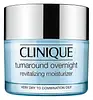 Key Ingredients
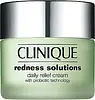
Benefits
Concerns
Ingredients Side-by-side
Water
Skin ConditioningIsostearyl Palmitate
Emollient
Cetyl Ricinoleate
Emollient
Dimethicone
Emollient

Butylene Glycol
Humectant

Squalane
Emollient
Glyceryl Stearate
Emollient
PEG-100 Stearate
Surfactant
Cetyl Alcohol
Emollient

Stearic Acid
Cleansing
Arginine
Masking
Sigesbeckia Orientalis Extract
Skin ConditioningHordeum Vulgare Extract
EmollientCastanea Sativa Seed Extract
Skin ConditioningCucumis Sativus Fruit Extract
Emollient

Faex Extract
Skin ConditioningRosmarinus Officinalis Extract
AntimicrobialTrehalose
Humectant
Salicylic Acid
Masking









Creatine
Skin ConditioningEthylhexylglycerin
Skin ConditioningPropylene Glycol Dicaprate
EmollientLecithin
Emollient
Acetyl Glucosamine
Skin Conditioning
Hydroxyethyl Urea
Humectant
Petrolatum
Emollient
Helianthus Annuus Seed Extract
Skin Conditioning
Arginine Ferulate
Skin ConditioningPolysilicone-11
Tromethamine
BufferingCaprylyl Glycol
Emollient
Sodium Rna
Skin ConditioningTocopheryl Acetate
Antioxidant

Glycerin
Humectant
Phospholipids
Skin Conditioning
Hexylene Glycol
EmulsifyingSodium Hyaluronate
Humectant
Disodium Nadh
EmollientMicrococcus Lysate
Skin ConditioningLaurdimonium Hydroxypropyl Hydrolyzed Soy Protein
Xanthan Gum
EmulsifyingAdenosine Phosphate
Skin ConditioningCarbomer
Emulsion StabilisingAscorbyl Tocopheryl Maleate
Antioxidant
Nordihydroguaiaretic Acid
Antioxidant
Disodium EDTA
Sodium Metabisulfite
Antioxidant
Sorbic Acid
Preservative
Chlorphenesin
Antimicrobial
Potassium Sorbate
Preservative
Phenoxyethanol
Preservative
Water, Isostearyl Palmitate, Cetyl Ricinoleate, Dimethicone, Butylene Glycol, Squalane, Glyceryl Stearate, PEG-100 Stearate, Cetyl Alcohol, Stearic Acid, Arginine, Sigesbeckia Orientalis Extract, Hordeum Vulgare Extract, Castanea Sativa Seed Extract, Cucumis Sativus Fruit Extract, Faex Extract, Rosmarinus Officinalis Extract, Trehalose, Salicylic Acid, Creatine, Ethylhexylglycerin, Propylene Glycol Dicaprate, Lecithin, Acetyl Glucosamine, Hydroxyethyl Urea, Petrolatum, Helianthus Annuus Seed Extract, Arginine Ferulate, Polysilicone-11, Tromethamine, Caprylyl Glycol, Sodium Rna, Tocopheryl Acetate, Glycerin, Phospholipids, Hexylene Glycol, Sodium Hyaluronate, Disodium Nadh, Micrococcus Lysate, Laurdimonium Hydroxypropyl Hydrolyzed Soy Protein, Xanthan Gum, Adenosine Phosphate, Carbomer, Ascorbyl Tocopheryl Maleate, Nordihydroguaiaretic Acid, Disodium EDTA, Sodium Metabisulfite, Sorbic Acid, Chlorphenesin, Potassium Sorbate, Phenoxyethanol
Water
Skin ConditioningDimethicone
Emollient
Butyrospermum Parkii Butter
Skin Conditioning
Cetearyl Alcohol
Emollient
Hydrogenated Polyisobutene
EmollientTrisiloxane
Skin Conditioning
Butylene Glycol
Humectant
Glycerin
Humectant
Sucrose
Humectant
Isostearyl Palmitate
Emollient
PEG-100 Stearate
Surfactant
Camellia Sinensis Leaf Extract
Antimicrobial
Polygonum Cuspidatum Root Extract
Antioxidant
Hordeum Vulgare Extract
EmollientTriticum Vulgare Germ Extract
Skin ConditioningCetearyl Glucoside
Emulsifying
Aspalathus Linearis Leaf Extract
Skin ConditioningSaccharomyces Lysate Extract
Humectant
Ascophyllum Nodosum Extract
Skin ConditioningAsparagopsis Armata Extract
Skin ProtectingAlgae Extract
EmollientCaffeine
Skin Conditioning
Lactobacillus Ferment
Skin Conditioning
Sodium Lauroyl Oat Amino Acids
CleansingHydrogenated Lecithin
Emulsifying
Polyethylene
Abrasive
Glyceryl Stearate
Emollient
Salicylic Acid
Masking
Sorbitol
Humectant
Methyl Glucose Sesquistearate
Emollient
Cholesterol
Emollient
Linoleic Acid
Cleansing
Glycine
Buffering
Inulin
Skin Conditioning
Tromethamine
BufferingDecarboxy Carnosine Hcl
Skin ConditioningPhytosphingosine
Skin Conditioning
Cetyl Alcohol
Emollient
Tocopheryl Acetate
Antioxidant
Bisabolol
Antioxidant
Squalane
Emollient
Hdi/Trimethylol Hexyllactone Crosspolymer
Behenyl Alcohol
Emollient
Sodium Hyaluronate
Humectant
Carbomer
Emulsion StabilisingSilica
Abrasive
Disodium EDTA
Potassium Sorbate
Preservative
Phenoxyethanol
Preservative
CI 42090
Cosmetic ColorantCI 19140
Cosmetic ColorantCI 77289
Cosmetic ColorantCI 77891
Cosmetic ColorantMica
Cosmetic ColorantWater, Dimethicone, Butyrospermum Parkii Butter, Cetearyl Alcohol, Hydrogenated Polyisobutene, Trisiloxane, Butylene Glycol, Glycerin, Sucrose, Isostearyl Palmitate, PEG-100 Stearate, Camellia Sinensis Leaf Extract, Polygonum Cuspidatum Root Extract, Hordeum Vulgare Extract, Triticum Vulgare Germ Extract, Cetearyl Glucoside, Aspalathus Linearis Leaf Extract, Saccharomyces Lysate Extract, Ascophyllum Nodosum Extract, Asparagopsis Armata Extract, Algae Extract, Caffeine, Lactobacillus Ferment, Sodium Lauroyl Oat Amino Acids, Hydrogenated Lecithin, Polyethylene, Glyceryl Stearate, Salicylic Acid, Sorbitol, Methyl Glucose Sesquistearate, Cholesterol, Linoleic Acid, Glycine, Inulin, Tromethamine, Decarboxy Carnosine Hcl, Phytosphingosine, Cetyl Alcohol, Tocopheryl Acetate, Bisabolol, Squalane, Hdi/Trimethylol Hexyllactone Crosspolymer, Behenyl Alcohol, Sodium Hyaluronate, Carbomer, Silica, Disodium EDTA, Potassium Sorbate, Phenoxyethanol, CI 42090, CI 19140, CI 77289, CI 77891, Mica
Reviews
Ingredients Explained
These ingredients are found in both products.
Ingredients higher up in an ingredient list are typically present in a larger amount.
Butylene Glycol (or BG) is used within cosmetic products for a few different reasons:
Overall, Butylene Glycol is a safe and well-rounded ingredient that works well with other ingredients.
Though this ingredient works well with most skin types, some people with sensitive skin may experience a reaction such as allergic rashes, closed comedones, or itchiness.
Learn more about Butylene GlycolCarbomer is a high-molecular weight polymer of acrylic acid. It is used to form gels and thicken formulas.
Due to its large molecular size, carbomer has minimal skin penetration and is considered an inert ingredient.
A high amount of carbomer can cause pilling or balling up of products. Don't worry, most products contain 1% or less of carbomer.
Learn more about CarbomerCetyl Alcohol is a fatty alcohol. Fatty Alcohols are most often used as an emollient or to thicken a product.
Its main roles are:
Though it has "alcohol" in the name, it is not related to denatured alcohol or ethyl alcohol.
The FDA allows products labeled "alcohol-free" to have fatty alcohols.
This ingredient may not be fungal acne safe. It is a primary fatty alcohol with a chain length above 12 carbons. A study from 2019 show Malassezia can feed on fatty alcohols in this range, so it may trigger fungal acne in those prone to it.
Learn more about Cetyl AlcoholDimethicone is a type of synthetic silicone created from natural materials such as quartz. It is also known as polydimethylsiloxane.
What it does:
Dimethicone comes in different viscosities:
Depending on the viscosity, dimethicone has different properties.
Ingredients lists don't always show which type is used, so we recommend reaching out to the brand if you have questions about the viscosity.
This ingredient is unlikely to cause irritation because it does not get absorbed into skin. However, people with silicone allergies should be careful about using this ingredient.
Note: Dimethicone may contribute to pilling. This is because it is not oil or water soluble, so pilling may occur when layered with products. When mixed with heavy oils in a formula, the outcome is also quite greasy.
Learn more about DimethiconeDisodium EDTA is a chelating agent. It grabs onto and deactivates metal ions that sneak into your products from water, packaging, or air.
This ingredient mainly works behind the scenes and helps with:
On top of that, this ingredient can counteract the effects of hard water by binding to the minerals in it.
One thing worth knowing is that Disodium EDTA has been shown to be a mild penetration enhancer. It can help other ingredients absorb into skin more effectively which can be a double-edged sword (great for actives, but can also make the active too strong if you have sensitive skin).
Clinical patch testing showed no significant skin irritation at typical use concentrations and minimal dermal absorption.
You'll most likely see this ingredient near the end of an ingredient list. It's typically found in concentrations less than 1%.
Learn more about Disodium EDTAGlycerin (or glycerol) is a compound naturally found in your skin. It's a powerhouse humectant that pulls water into the stratum corneum.
Topically, glycerin does several things at once:
Your skin makes glycerin on its own (mostly from sebaceous oil breakdown) and shuttles it to your outermost layer of skin, or your epidermis, via aquaporin-3.
Aquaporin-3 is a transporter that is essential for normal skin hydration, elasticity, and repair. Interestingly, mice lacking in AQP3 have dry and less elastic skin that can be fully corrected with glycerin.
This ingredient is non-irritating, plays well with almost every ingredient, and works across all skin types. Typical use is anywhere between 3-10% but can go up to 79% in some leave-on products.
Just know very high concentrations (>40%) can feel tacky in low humidity.
Glycerin is the name for this ingredient in American English. British English uses Glycerol/Glycerine.
Learn more about GlycerinGlyceryl Stearate is made by reacting glycerin with stearic acid (typically sourced from plant oils like palm or coconut). It's an emulsifier, emollient, and mild occlusive.
Emulsifiers help ingredients like oil and water stay mixed so your formula stays nicely blended and uniform in texture.
This ingredient is typically used in concentrations between 1-10%. Studies have found it to be non-sensitizing, non-phototoxic, and non-photoallergenic.
A close cousin of this ingredient is Glyceryl Stearate SE ("self-emulsifying"). This just has a small amount of sodium or potassium stearate added so it can emulsify without a co-emulsifier.
Since this ingredient is an ester of a C18 fatty acid, it may not be fungal acne safe. The Malassezia yeast can potentially metabolize within the C11-C24 range.
Fun fact: The human body also creates Glyceryl Stearate naturally.
Learn more about Glyceryl StearateWe don't have a description for Hordeum Vulgare Extract yet.
Isostearyl Palmitate isn't fungal acne safe.
Peg-100 Stearate is an emollient and emulsifier. As an emollient, it helps keep skin soft by trapping moisture in. On the other hand, emulsifiers help prevent oil and water from separating in a product.
PEGS are a hydrophilic polyether compound . There are 100 ethylene oxide monomers in Peg-100 Stearate. Peg-100 Stearate is polyethylene glycol ester of stearic acid.
Phenoxyethanol is a preservative that has germicide, antimicrobial, and aromatic properties. Studies show that phenoxyethanol can prevent microbial growth. By itself, it has a scent that is similar to that of a rose.
It's often used in formulations along with Caprylyl Glycol to preserve the shelf life of products.
Potassium Sorbate is a preservative used to prevent yeast and mold in products. It is commonly found in both cosmetic and food products.
This ingredient comes from potassium salt derived from sorbic acid. Sorbic acid is a natural antibiotic and effective against fungus.
Both potassium sorbate and sorbic acid can be found in baked goods, cheeses, dried meats, dried fruit, ice cream, pickles, wine, yogurt, and more.
You'll often find this ingredient used with other preservatives.
Learn more about Potassium SorbateSalicylic Acid (also known as beta hydroxy acid or BHA) is a well-known ingredient for treating skin that struggles with acne and clogged pores. It exfoliates both the skin's surface and deep within the pores to help clear out buildup, control oil, and reduce inflammation.
Unlike AHAs (alpha hydroxy acids), salicylic acid is oil-soluble. This allows it to penetrate into pores which makes it especially effective for treating blackheads and preventing future breakouts.
Salicylic acid is also known for its soothing properties. It has a similar structure to aspirin and can calm inflamed or irritated skin, making it a good option for acne-prone skin that is also sensitive.
Concentrations of 0.5-2% are recognized by the U.S. FDA as an over-the-counter topical acne product.
It can cause irritation and/or dryness if one's skin already has a compromised moisture barrier, so it's best to focus on repairing that before introducing this ingredient into your routine.
While salicylic acid does not increase sun sensitivity, it’s still important to wear sunscreen daily to protect your skin.
If you are looking for the ingredient called BHA or Butylated Hydroxyanisole, click here.
Learn more about Salicylic AcidSodium Hyaluronate is the salt form of hyaluronic acid. It is a long sugar chain that is naturally found in your skin, joints, and connective tissue that maintains hydration and elasticity.
In skincare, it works as a humectant. It pulls water from the environment and deeper layers of skin and binds it to the surface.
Interestingly, the size of the molecule affects its behavior:
Some clinical evidence links low molecular weight versions to improved wrinkle depth, elasticity, anti-inflammatory effects, and barrier repair.
Many serums use a blend of both weights so you can get surface hydration plus longer-lasting and deeper effects.
You'll typically see concentrations between 0.1-2% for this ingredient.
Learn more about Sodium HyaluronateSqualane is the hydrogenated and shelf-stable form of squalene (a lipid that naturally occurs in human sebum).
It is an emollient and skin conditioning agent that is able to integrate seamlessly into the skin's lipid barrier without clogging pores.
This is due to how structurally similar it is to what your skin already produces.
Though it is mostly an emollient that helps soften and hydrate skin, it also has some humectant and occlusive action. Humectants help the skin retain moisture while occlusives seal it in, making squalane a triple-threat moisturizer.
Research shows it has antioxidant capabilities that help protect against stressors like UV exposure, specifically UVA induced oxidative stress. This study also found that it supports collagen biosynthesis in human dermal fibroblasts.
No clinical study has reported significant adverse effects and irritation reactions are very rare from this ingredient (even at 100% concentration).
Overall, it's a fantastic ingredient for hydration and is suitable for all skin types.
This depends on the source. Squalane can be derived from both plants and animals. Most squalane used in skincare comes from plants.
Please note: the source of squalane is only known if disclosed by the brand. We recommend reaching out to the brand if you have any questions about their squalane.
Read more about squalene with an "e".
Though squalane is often called an oil, it’s technically not one. It is a hydrocarbon, meaning it is only made of carbon and hydrogen. True oils are triglycerides and made of fatty acids and glycerol.
The term “oil-free” isn’t regulated so companies can define it however they want. Some exclude all oils, while others just avoid mineral oil or comedogenic oils.
Squalane has a comedogenic rating of 1 from the original 1972 study that tested raw ingredients under occlusion on rabbit ears. This system is not standardized or peer-reviewed, and using the raw ingredients is very different from how diluted cosmetic formulations are used on human skin.
A comedogenic rating of 1 means it is "unlikely to clog pores" according to the original rating system.
The overall formula of a product matters more than the individual ingredients on whether or not it will cause clogged pores.
Learn more about SqualaneTocopheryl Acetate is AKA Vitamin E. It is an antioxidant and protects your skin from free radicals. Free radicals damage the skin by breaking down collagen.
One study found using Tocopheryl Acetate with Vitamin C decreased the number of sunburned cells.
Tocopheryl Acetate is commonly found in both skincare and dietary supplements.
Learn more about Tocopheryl AcetateTromethamine helps balance the pH and improve the texture of a product. It is synthetically created.
As an emulsifier, Tromethamine prevents oil and water ingredients from separating. This helps stabilize the product and elongate a product's shelf life. Tromethamine also makes a product thicker.
Tromethamine helps balance the pH level of a product. Normal pH level of skin is slightly acidic (~4.75-5.5). The acidity of our skin is maintained by our glands and skin biome. Being slightly acidic allows our skin to create an "acid mantle". This acid mantle is a thin barrier that protects our skin from bacteria and contaminants.
Oral Tromethanmine is an anti-inflammatory drug but plays the role of masking, adding fragrance, and/or balancing pH in skincare.
1,3-Propanediol, 2-amino-2-(hydroxymethyl)-
Learn more about TromethamineWater. It's the most common cosmetic ingredient of all. You'll usually see it at the top of ingredient lists, meaning that it makes up the largest part of the product.
So why is it so popular? Water most often acts as a solvent - this means that it helps dissolve other ingredients into the formulation.
You'll also recognize water as that liquid we all need to stay alive. If you see this, drink a glass of water. Remember to stay hydrated!
Learn more about Water
