
What's inside
What's inside
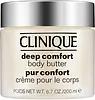 Key Ingredients
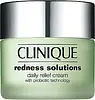
Benefits
Concerns
Ingredients Side-by-side
Water
Skin ConditioningButyrospermum Parkii Butter
Skin Conditioning



Glycerin
Humectant


Octyldodecyl Myristate
EmollientCetearyl Alcohol
Emollient
Butylene Glycol
Humectant
Dimethicone
Emollient
Cetyl Alcohol
Emollient
Myristyl Myristate
Emollient
Cetyl Esters
Emollient
Isostearyl Neopentanoate
Emollient
Polymethyl Methacrylate
Cetearyl Glucoside
EmulsifyingSodium Hyaluronate
Humectant
Cholesterol
Emollient
Tocopheryl Acetate
Antioxidant

Methyl Glucose Sesquistearate
Emollient
Trisiloxane
Skin Conditioning
Phenyl Trimethicone
Skin Conditioning
Stearic Acid
Cleansing
Aminomethyl Propanol
BufferingAcrylates/C10-30 Alkyl Acrylate Crosspolymer
Emulsion StabilisingCaprylyl Glycol
Emollient
Xanthan Gum
EmulsifyingHexylene Glycol
EmulsifyingDisodium EDTA
Sodium Dehydroacetate
Preservative
Phenoxyethanol
Preservative
Myristyl Laurate
Myristyl Alcohol
Emollient
CI 19140
Cosmetic ColorantCI 15985
Cosmetic ColorantWater, Butyrospermum Parkii Butter, Glycerin, Octyldodecyl Myristate, Cetearyl Alcohol, Butylene Glycol, Dimethicone, Cetyl Alcohol, Myristyl Myristate, Cetyl Esters, Isostearyl Neopentanoate, Polymethyl Methacrylate, Cetearyl Glucoside, Sodium Hyaluronate, Cholesterol, Tocopheryl Acetate, Methyl Glucose Sesquistearate, Trisiloxane, Phenyl Trimethicone, Stearic Acid, Aminomethyl Propanol, Acrylates/C10-30 Alkyl Acrylate Crosspolymer, Caprylyl Glycol, Xanthan Gum, Hexylene Glycol, Disodium EDTA, Sodium Dehydroacetate, Phenoxyethanol, Myristyl Laurate, Myristyl Alcohol, CI 19140, CI 15985
Water
Skin ConditioningDimethicone
Emollient
Butyrospermum Parkii Butter
Skin Conditioning
Cetearyl Alcohol
Emollient
Hydrogenated Polyisobutene
EmollientTrisiloxane
Skin Conditioning
Butylene Glycol
Humectant
Glycerin
Humectant
Sucrose
Humectant
Isostearyl Palmitate
Emollient
PEG-100 Stearate
Camellia Sinensis Leaf Extract
Antimicrobial



Polygonum Cuspidatum Root Extract
Antioxidant
Hordeum Vulgare Extract
EmollientTriticum Vulgare Germ Extract
Skin ConditioningCetearyl Glucoside
EmulsifyingAspalathus Linearis Leaf Extract
Skin ConditioningSaccharomyces Lysate Extract
Humectant
Ascophyllum Nodosum Extract
Skin ConditioningAsparagopsis Armata Extract
Skin ProtectingAlgae Extract
Emollient
Caffeine
Skin Conditioning
Lactobacillus Ferment
Skin Conditioning
Sodium Lauroyl Oat Amino Acids
CleansingHydrogenated Lecithin
Emulsifying
Polyethylene
Abrasive
Glyceryl Stearate
Emollient
Salicylic Acid
Masking





Sorbitol
Humectant
Methyl Glucose Sesquistearate
Emollient
Cholesterol
Emollient
Linoleic Acid
Cleansing
Glycine
Buffering
Inulin
Skin ConditioningTromethamine
BufferingDecarboxy Carnosine Hcl
Skin ConditioningPhytosphingosine
Skin Conditioning
Cetyl Alcohol
Emollient
Tocopheryl Acetate
Antioxidant
Bisabolol
Masking
Squalane
Emollient
Hdi/Trimethylol Hexyllactone Crosspolymer
Behenyl Alcohol
Emollient
Sodium Hyaluronate
Humectant
Carbomer
Emulsion StabilisingSilica
Abrasive
Disodium EDTA
Potassium Sorbate
Preservative
Phenoxyethanol
Preservative
CI 42090
Cosmetic ColorantCI 19140
Cosmetic ColorantCI 77289
Cosmetic ColorantCI 77891
Cosmetic ColorantMica
Cosmetic Colorant
Water, Dimethicone, Butyrospermum Parkii Butter, Cetearyl Alcohol, Hydrogenated Polyisobutene, Trisiloxane, Butylene Glycol, Glycerin, Sucrose, Isostearyl Palmitate, PEG-100 Stearate, Camellia Sinensis Leaf Extract, Polygonum Cuspidatum Root Extract, Hordeum Vulgare Extract, Triticum Vulgare Germ Extract, Cetearyl Glucoside, Aspalathus Linearis Leaf Extract, Saccharomyces Lysate Extract, Ascophyllum Nodosum Extract, Asparagopsis Armata Extract, Algae Extract, Caffeine, Lactobacillus Ferment, Sodium Lauroyl Oat Amino Acids, Hydrogenated Lecithin, Polyethylene, Glyceryl Stearate, Salicylic Acid, Sorbitol, Methyl Glucose Sesquistearate, Cholesterol, Linoleic Acid, Glycine, Inulin, Tromethamine, Decarboxy Carnosine Hcl, Phytosphingosine, Cetyl Alcohol, Tocopheryl Acetate, Bisabolol, Squalane, Hdi/Trimethylol Hexyllactone Crosspolymer, Behenyl Alcohol, Sodium Hyaluronate, Carbomer, Silica, Disodium EDTA, Potassium Sorbate, Phenoxyethanol, CI 42090, CI 19140, CI 77289, CI 77891, Mica
Reviews
Ingredients Explained
These ingredients are found in both products.
Ingredients higher up in an ingredient list are typically present in a larger amount.
Butylene Glycol (or BG) is used within cosmetic products for a few different reasons:
Overall, Butylene Glycol is a safe and well-rounded ingredient that works well with other ingredients.
Though this ingredient works well with most skin types, some people with sensitive skin may experience a reaction such as allergic rashes, closed comedones, or itchiness.
Learn more about Butylene GlycolThis ingredient is also known as shea butter. It is an effective skin hydrator and emollient.
Emollients help soothe and soften your skin. It does this by creating a protective film on your skin. This barrier helps trap moisture and keeps your skin hydrated. Emollients may be effective at treating dry or itchy skin.
Shea butter is rich in antioxidants. Antioxidants help fight free-radicals, or molecules that may harm the body. It is also full of fatty acids including stearic acid and linoleic acid. These acids help replenish the skin and keep skin moisturized.
While Shea Butter has an SPF rating of about 3-4, it is not a sunscreen replacement.
Shea butter may not be fungal acne safe. We recommend speaking with a professional if you have any concerns.
Learn more about Butyrospermum Parkii ButterCetearyl alcohol is a mixture of two fatty alcohols: cetyl alcohol and stearyl alcohol. It is mainly used as an emulsifier. Emulsifiers help prevent the separation of oils and products. Due to its composition, it can also be used to thicken a product or help create foam.
Cetearyl alcohol is an emollient. Emollients help soothe and hydrate the skin by trapping moisture.
Studies show Cetearyl alcohol is non-toxic and non-irritating. The FDA allows products labeled "alcohol-free" to have fatty alcohols.
This ingredient is usually derived from plant oils such as palm, vegetable, or coconut oils. There is debate on whether this ingredient will cause acne.
Due to the fatty acid base, this ingredient may not be Malassezia folliculitis safe.
Learn more about Cetearyl AlcoholCetearyl Glucoside is a surfactant and emulsifier. It can be produced from synthetic of natural sources of cetearyl alcohol and glucose.
Emulsifiers help prevent ingredients from separating, such as oils and waters. It can also be used to enhance the texture of products.
As a surfactant, Cetearyl Glucoside helps during the cleansing process. By gathering all the dirt and oils, it allows these molecules to be washed away easily.
Learn more about Cetearyl GlucosideCetyl Alcohol is a fatty alcohol. Fatty Alcohols are most often used as an emollient or to thicken a product.
Its main roles are:
Though it has "alcohol" in the name, it is not related to denatured alcohol or ethyl alcohol.
The FDA allows products labeled "alcohol-free" to have fatty alcohols.
Learn more about Cetyl AlcoholCholesterol is a class of organic molecules called lipids. It helps hydrate your skin and is essential to having a healthy skin barrier.
Our skin naturally contains cholesterol in the outermost layer. Besides cholesterol, it also contains ceramides and fatty acids. Cholesterol makes up about 1/4 of your skin's outer layer and barrier. Your skin barrier is responsible for keeping allergens and microbes out. Having a healthy skin barrier is also responsible for keeping your skin firm and plump.
Our bodies use cholestrol to create vitamin D, steroid hormones, and more.
Learn more about CholesterolCI 19140 is also known as Tartrazine. Tartrazine is a synthetic dye used in cosmetics, foods, and medicine to add a yellow color.
Tartrazine is created from petroleum and is water-soluble.
Some people may experience allergies from this dye, especially asthmatics and those with an aspirin intolerance.
Learn more about CI 19140Dimethicone is a type of synthetic silicone created from natural materials such as quartz.
What it does:
Dimethicone comes in different viscosities:
Depending on the viscosity, dimethicone has different properties.
Ingredients lists don't always show which type is used, so we recommend reaching out to the brand if you have questions about the viscosity.
This ingredient is unlikely to cause irritation because it does not get absorbed into skin. However, people with silicone allergies should be careful about using this ingredient.
Note: Dimethicone may contribute to pilling. This is because it is not oil or water soluble, so pilling may occur when layered with products. When mixed with heavy oils in a formula, the outcome is also quite greasy.
Learn more about DimethiconeDisodium EDTA plays a role in making products more stable by aiding other preservatives.
It is a chelating agent, meaning it neutralizes metal ions that may be found in a product.
Disodium EDTA is a salt of edetic acid and is found to be safe in cosmetic ingredients.
Learn more about Disodium EDTAGlycerin is already naturally found in your skin. It helps moisturize and protect your skin.
A study from 2016 found glycerin to be more effective as a humectant than AHAs and hyaluronic acid.
As a humectant, it helps the skin stay hydrated by pulling moisture to your skin. The low molecular weight of glycerin allows it to pull moisture into the deeper layers of your skin.
Hydrated skin improves your skin barrier; Your skin barrier helps protect against irritants and bacteria.
Glycerin has also been found to have antimicrobial and antiviral properties. Due to these properties, glycerin is often used in wound and burn treatments.
In cosmetics, glycerin is usually derived from plants such as soybean or palm. However, it can also be sourced from animals, such as tallow or animal fat.
This ingredient is organic, colorless, odorless, and non-toxic.
Glycerin is the name for this ingredient in American English. British English uses Glycerol/Glycerine.
Learn more about GlycerinMethyl Glucose Sesquistearate isn't fungal acne safe.
Phenoxyethanol is a preservative that has germicide, antimicrobial, and aromatic properties. Studies show that phenoxyethanol can prevent microbial growth. By itself, it has a scent that is similar to that of a rose.
It's often used in formulations along with Caprylyl Glycol to preserve the shelf life of products.
Sodium Hyaluronate is hyaluronic acid's salt form. It is commonly derived from the sodium salt of hyaluronic acid.
Like hyaluronic acid, it is great at holding water and acts as a humectant. This makes it a great skin hydrating ingredient.
Sodium Hyaluronate is naturally occurring in our bodies and is mostly found in eye fluid and joints.
These are some other common types of Hyaluronic Acid:
Learn more about Sodium HyaluronateTocopheryl Acetate is AKA Vitamin E. It is an antioxidant and protects your skin from free radicals. Free radicals damage the skin by breaking down collagen.
One study found using Tocopheryl Acetate with Vitamin C decreased the number of sunburned cells.
Tocopheryl Acetate is commonly found in both skincare and dietary supplements.
Learn more about Tocopheryl AcetateTrisiloxane is a type of silicone.
Water. It's the most common cosmetic ingredient of all. You'll usually see it at the top of ingredient lists, meaning that it makes up the largest part of the product.
So why is it so popular? Water most often acts as a solvent - this means that it helps dissolve other ingredients into the formulation.
You'll also recognize water as that liquid we all need to stay alive. If you see this, drink a glass of water. Stay hydrated!
Learn more about Water
