
What's inside
What's inside
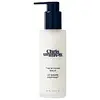 Key Ingredients
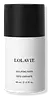
No key ingredients
Benefits
Concerns
Ingredients Side-by-side
Water
Skin ConditioningPolyhydroxystearic Acid
Emulsifying

Dimethicone
Emollient

Vp/Va Copolymer
Glycerin
Humectant

Pvp
Emulsion StabilisingAmmonium Acryloyldimethyltaurate/Vp Copolymer
Dipropylene Glycol
HumectantEthylhexylglycerin
Skin ConditioningParfum
Masking



Fructose
Humectant
Isohexadecane
EmollientPanthenol
Skin Conditioning

Pentylene Glycol
Skin Conditioning
Phenoxyethanol
Preservative
Phenyl Trimethicone
Skin Conditioning
Pinus Sylvestris Cone Extract
Masking
Polyporus Umbellatus Extract
Skin ProtectingPolyquaternium-70
Polysorbate 80
Emulsifying
Sodium Acrylate/Sodium Acryloyldimethyl Taurate Copolymer
Emulsion StabilisingSodium Citrate
BufferingSodium Hyaluronate
Humectant

Tetrasodium Glutamate Diacetate
Citric Acid
Buffering

Sodium Benzoate
Masking
Sorbitan Oleate
Emulsifying
Tocopherol
Antioxidant


Water, Polyhydroxystearic Acid, Dimethicone, Vp/Va Copolymer, Glycerin, Pvp, Ammonium Acryloyldimethyltaurate/Vp Copolymer, Dipropylene Glycol, Ethylhexylglycerin, Parfum, Fructose, Isohexadecane, Panthenol, Pentylene Glycol, Phenoxyethanol, Phenyl Trimethicone, Pinus Sylvestris Cone Extract, Polyporus Umbellatus Extract, Polyquaternium-70, Polysorbate 80, Sodium Acrylate/Sodium Acryloyldimethyl Taurate Copolymer, Sodium Citrate, Sodium Hyaluronate, Tetrasodium Glutamate Diacetate, Citric Acid, Sodium Benzoate, Sorbitan Oleate, Tocopherol
Lactobacillus/Arundinaria Gigantea Ferment Filtrate
Skin ConditioningPolyhydroxystearic Acid
Emulsifying
Glycerin
Humectant
Caprylic/Capric Triglyceride
Masking
Helianthus Annuus Seed Oil
Emollient
Euphorbia Cerifera Wax
Behenyl Behenate
EmollientCetyl Esters
Emollient
Copernicia Cerifera Wax
Cetearyl Alcohol
Emollient
Lactobacillus
Skin Conditioning2,3-Butanediol
HumectantCladonia Rangiferina Extract
Skin ConditioningLeuconostoc/Radish Root Ferment Filtrate
Antimicrobial
Punica Granatum Sterols
Skin Conditioning
Salvia Hispanica Seed Extract
Emollient
Phyllostachys Bambusoides Extract
Skin ConditioningPrunus Armeniaca Kernel Oil
Masking
Cocos Nucifera Fruit Extract
Emollient
Coconut Alkanes
Emollient
Polyglyceryl-10 Stearate
Skin Conditioning
Squalane
Emollient
Acer Saccharum Extract
Skin ConditioningBambusa Vulgaris Sap Extract
EmollientBetula Alba Juice
AstringentGlyceryl Dibehenate
Emollient
Helianthus Annuus Seed Wax
Skin Conditioning
Parfum
Masking
Hydroxyethylcellulose
Emulsion StabilisingSodium Stearoyl Lactylate
EmulsifyingHydrogenated Castor Oil
Emollient
Euterpe Oleracea Sterols
Skin ConditioningDaucus Carota Sativa Extract
Perfuming
Brassica Oleracea Acephala Leaf Extract
HumectantCitrus Limon Fruit Extract
Masking
Stearalkonium Hectorite
Gel FormingCoco-Caprylate/Caprate
Emollient
Chlorella Vulgaris Extract
Skin ConditioningOlea Europaea Leaf Extract
Perfuming
Propylene Carbonate
SolventLens Esculenta Seed Extract
Skin ProtectingHydrolyzed Cicer Seed Extract
Skin ProtectingChenopodium Quinoa Seed Extract
Skin Conditioning
Bambusa Vulgaris Extract
Skin Conditioning
Linoleic Acid
Cleansing
Oleic Acid
Emollient
Linolenic Acid
Cleansing
Linalool
Perfuming
Limonene
Perfuming
Citric Acid
Buffering
Lactobacillus/Arundinaria Gigantea Ferment Filtrate, Polyhydroxystearic Acid, Glycerin, Caprylic/Capric Triglyceride, Helianthus Annuus Seed Oil, Euphorbia Cerifera Wax, Behenyl Behenate, Cetyl Esters, Copernicia Cerifera Wax, Cetearyl Alcohol, Lactobacillus, 2,3-Butanediol, Cladonia Rangiferina Extract, Leuconostoc/Radish Root Ferment Filtrate, Punica Granatum Sterols, Salvia Hispanica Seed Extract, Phyllostachys Bambusoides Extract, Prunus Armeniaca Kernel Oil, Cocos Nucifera Fruit Extract, Coconut Alkanes, Polyglyceryl-10 Stearate, Squalane, Acer Saccharum Extract, Bambusa Vulgaris Sap Extract, Betula Alba Juice, Glyceryl Dibehenate, Helianthus Annuus Seed Wax, Parfum, Hydroxyethylcellulose, Sodium Stearoyl Lactylate, Hydrogenated Castor Oil, Euterpe Oleracea Sterols, Daucus Carota Sativa Extract, Brassica Oleracea Acephala Leaf Extract, Citrus Limon Fruit Extract, Stearalkonium Hectorite, Coco-Caprylate/Caprate, Chlorella Vulgaris Extract, Olea Europaea Leaf Extract, Propylene Carbonate, Lens Esculenta Seed Extract, Hydrolyzed Cicer Seed Extract, Chenopodium Quinoa Seed Extract, Bambusa Vulgaris Extract, Linoleic Acid, Oleic Acid, Linolenic Acid, Linalool, Limonene, Citric Acid
Alternatives
Ingredients Explained
These ingredients are found in both products.
Ingredients higher up in an ingredient list are typically present in a larger amount.
Citric Acid is an alpha hydroxy acid (AHA) naturally found in citrus fruits like oranges, lemons, and limes.
Like other AHAs, citric acid can exfoliate skin by breaking down the bonds that hold dead skin cells together. This helps reveal smoother and brighter skin underneath.
However, this exfoliating effect only happens at high concentrations (20%) which can be hard to find in cosmetic products.
Due to this, citric acid is usually included in small amounts as a pH adjuster. This helps keep products slightly more acidic and compatible with skin's natural pH.
In skincare formulas, citric acid can:
While it can provide some skin benefits, research shows lactic acid and glycolic acid are generally more effective and less irritating exfoliants.
Most citric acid used in skincare today is made by fermenting sugars (usually from molasses). This synthetic version is identical to the natural citrus form but easier to stabilize and use in formulations.
Rosacea skin has a lower threshold for acids generally, with 62.5% of rosacea subjects in one study reacting to lactic acid in a sting test. This is why we mark citric acid as a potential rosacea trigger.
However, this ingredient shows up as a pH adjuster or chelator at roughly 0.1-1% in many products. These low levels are unlikely to be an issue for rosacea skin and becomes a potential trigger at exfoliating concentrations (20%). Because everybody's skin is unique, we recommend a patch test if you are unsure.
Learn more about Citric AcidGlycerin (or glycerol) is a compound naturally found in your skin. It's a powerhouse humectant that pulls water into the stratum corneum.
Topically, glycerin does several things at once:
Your skin makes glycerin on its own (mostly from sebaceous oil breakdown) and shuttles it to your outermost layer of skin, or your epidermis, via aquaporin-3.
Aquaporin-3 is a transporter that is essential for normal skin hydration, elasticity, and repair. Interestingly, mice lacking in AQP3 have dry and less elastic skin that can be fully corrected with glycerin.
This ingredient is non-irritating, plays well with almost every ingredient, and works across all skin types. Typical use is anywhere between 3-10% but can go up to 79% in some leave-on products.
Just know very high concentrations (>40%) can feel tacky in low humidity.
Glycerin is the name for this ingredient in American English. British English uses Glycerol/Glycerine.
Learn more about GlycerinParfum is a catch-all term for an ingredient or more that is used to give a scent to products.
Also called "fragrance", this ingredient can be a blend of hundreds of chemicals or plant oils. This means every product with "fragrance" or "parfum" in the ingredients list is a different mixture.
For instance, Habanolide is a proprietary trade name for a specific aroma chemical. When used as a fragrance ingredient in cosmetics, most aroma chemicals fall under the broad labeling category of “FRAGRANCE” or “PARFUM” according to EU and US regulations.
The term 'parfum' or 'fragrance' is not regulated in many countries. In many cases, it is up to the brand to define this term.
For instance, many brands choose to label themselves as "fragrance-free" because they are not using synthetic fragrances. However, their products may still contain ingredients such as essential oils that are considered a fragrance by INCI standards.
One example is Calendula flower extract. Calendula is an essential oil that still imparts a scent or 'fragrance'.
Depending on the blend, the ingredients in the mixture can cause allergies and sensitivities on the skin. Some ingredients that are known EU allergens include linalool and citronellol.
Parfum can also be used to mask or cover an unpleasant scent.
The bottom line is: not all fragrances/parfum/ingredients are created equally. If you are worried about fragrances, we recommend taking a closer look at an ingredient. And of course, we always recommend speaking with a professional.
Learn more about ParfumPolyhydroxystearic Acid is a vegetable-derived soft wax made from castor oil. It's an emulsion stabilizer, thickener, and film former.
You'll likely see it in sunscreens because it helps disperse pigments and UV-reflecting minerals like titanium dioxide and zinc oxide evenly.
Depending on the concentration, it can drastically change the texture of a product from pasty solid (like lipstick) to sprayable liquid.
The CIR Expert Panel for Cosmetic Ingredient Safety has concluded this ingredient to be safe in cosmetics. The highest reported use concentration is 14.2% in lipsticks.
Learn more about Polyhydroxystearic Acid

