
What's inside
What's inside
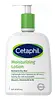 Key Ingredients
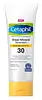
Benefits
Concerns
Ingredients Side-by-side
Water
Skin ConditioningGlycerin
Humectant


Isopropyl Palmitate
Emollient


Cetearyl Alcohol
Emollient

Ceteareth-20
CleansingPanthenol
Skin Conditioning

Niacinamide
Smoothing







Tocopheryl Acetate
Antioxidant

Dimethicone
Emollient
Persea Gratissima Oil
Skin Conditioning
Helianthus Annuus Seed Oil
Emollient
Pantolactone
Humectant
Glyceryl Stearate
Emollient
Sodium Benzoate
Masking
Benzyl Alcohol
Perfuming




Citric Acid
Buffering

Titanium Dioxide 4.9%
Cosmetic Colorant

Zinc Oxide 4.7%
Cosmetic Colorant
Alumina
Abrasive
Arachidyl Alcohol
Emollient
Arachidyl Glucoside
EmulsifyingAscorbic Acid
Antioxidant
Avena Sativa Kernel Extract
Abrasive
Beeswax
Emulsion Stabilising
Behenyl Alcohol
Emollient
Benzyl Alcohol
Perfuming
Bisabolol
Antioxidant
Butylene Glycol
Humectant
Butyloctyl Salicylate
Skin Conditioning
Calendula Officinalis Flower Extract
Masking
Camellia Sinensis Leaf Extract
Antimicrobial
Carbomer
Emulsion StabilisingCeramide AP
Skin Conditioning
Ceramide EOP
Skin Conditioning
Ceramide NP
Skin Conditioning
Cetyl Dimethicone
Emollient
Chamomilla Recutita Flower Extract
Masking
Cholesterol
Emollient
Dimethicone
Emollient
Dimethicone PEG-8 Laurate
Skin Conditioning
Dipotassium Glycyrrhizate
Humectant
Disodium EDTA
Ethylhexylglycerin
Skin ConditioningGlycerin
Humectant
Glyceryl Stearate
Emollient
Hydrated Silica
Abrasive
Hydroxyethyl Acrylate/Sodium Acryloyldimethyl Taurate Copolymer
Emulsion StabilisingIsohexadecane
EmollientMaltodextrin
Absorbent
Methicone
Emollient
Panthenol
Skin Conditioning
Pantothenic Acid
Skin ConditioningPEG-100 Stearate
PEG-8
HumectantPhytosphingosine
Skin Conditioning
Polyaminopropyl Biguanide
Preservative
Polymethyl Methacrylate
Polysorbate 60
Emulsifying
Potassium Sorbate
Preservative
Propylene Glycol
Humectant
Sodium Lauroyl Lactylate
EmulsifyingStearic Acid
Cleansing
Styrene/Acrylates Copolymer
Tocopheryl Acetate
Antioxidant
Triethoxycaprylylsilane
Trimethylsiloxysilicate
Emollient
Trisiloxane
Skin Conditioning
Vp/Eicosene Copolymer
Water
Skin ConditioningXanthan Gum
EmulsifyingTitanium Dioxide 4.9%, Zinc Oxide 4.7%, Alumina, Arachidyl Alcohol, Arachidyl Glucoside, Ascorbic Acid, Avena Sativa Kernel Extract, Beeswax, Behenyl Alcohol, Benzyl Alcohol, Bisabolol, Butylene Glycol, Butyloctyl Salicylate, Calendula Officinalis Flower Extract, Camellia Sinensis Leaf Extract, Carbomer, Ceramide AP, Ceramide EOP, Ceramide NP, Cetyl Dimethicone, Chamomilla Recutita Flower Extract, Cholesterol, Dimethicone, Dimethicone PEG-8 Laurate, Dipotassium Glycyrrhizate, Disodium EDTA, Ethylhexylglycerin, Glycerin, Glyceryl Stearate, Hydrated Silica, Hydroxyethyl Acrylate/Sodium Acryloyldimethyl Taurate Copolymer, Isohexadecane, Maltodextrin, Methicone, Panthenol, Pantothenic Acid, PEG-100 Stearate, PEG-8, Phytosphingosine, Polyaminopropyl Biguanide, Polymethyl Methacrylate, Polysorbate 60, Potassium Sorbate, Propylene Glycol, Sodium Lauroyl Lactylate, Stearic Acid, Styrene/Acrylates Copolymer, Tocopheryl Acetate, Triethoxycaprylylsilane, Trimethylsiloxysilicate, Trisiloxane, Vp/Eicosene Copolymer, Water, Xanthan Gum
Reviews
Ingredients Explained
These ingredients are found in both products.
Ingredients higher up in an ingredient list are typically present in a larger amount.
Benzyl Alcohol is most commonly used as a preservative. It also has a subtle, sweet smell. Small amounts of Benzyl Alcohol is not irritating and safe to use in skincare products. Most Benzyl Alcohol is derived from fruits such as apricots.
Benzyl Alcohol has both antibacterial and antioxidant properties. These properties help lengthen the shelf life of products. Benzyl Alcohol is a solvent and helps dissolve other ingredients. It can also improve the texture and spreadability.
Alcohol comes in many different forms. Different types of alcohol will have different effects on skin. This ingredient is an astringent alcohol.
Using high concentrations of these alcohols are drying on the skin. They may strip away your skin's natural oils and even damage your skin barrier. Astringent alcohols may also irritate skin.
Other types of astringent alcohols include:
According to the National Rosacea Society based in the US, you should be mindful of products with these alcohols in the top half of ingredients.
Any type of sanitizing product will have high amounts of alcohol to help kill bacteria and viruses.
Learn more about Benzyl AlcoholDimethicone is a type of synthetic silicone created from natural materials such as quartz. It is also known as polydimethylsiloxane.
What it does:
Dimethicone comes in different viscosities:
Depending on the viscosity, dimethicone has different properties.
Ingredients lists don't always show which type is used, so we recommend reaching out to the brand if you have questions about the viscosity.
This ingredient is unlikely to cause irritation because it does not get absorbed into skin. However, people with silicone allergies should be careful about using this ingredient.
Note: Dimethicone may contribute to pilling. This is because it is not oil or water soluble, so pilling may occur when layered with products. When mixed with heavy oils in a formula, the outcome is also quite greasy.
Learn more about DimethiconeGlycerin (or glycerol) is a compound naturally found in your skin. It's a powerhouse humectant that pulls water into the stratum corneum.
Topically, glycerin does several things at once:
Your skin makes glycerin on its own (mostly from sebaceous oil breakdown) and shuttles it to your outermost layer of skin, or your epidermis, via aquaporin-3.
Aquaporin-3 is a transporter that is essential for normal skin hydration, elasticity, and repair. Interestingly, mice lacking in AQP3 have dry and less elastic skin that can be fully corrected with glycerin.
This ingredient is non-irritating, plays well with almost every ingredient, and works across all skin types. Typical use is anywhere between 3-10% but can go up to 79% in some leave-on products.
Just know very high concentrations (>40%) can feel tacky in low humidity.
Glycerin is the name for this ingredient in American English. British English uses Glycerol/Glycerine.
Learn more about GlycerinGlyceryl Stearate is made by reacting glycerin with stearic acid (typically sourced from plant oils like palm or coconut). It's an emulsifier, emollient, and mild occlusive.
Emulsifiers help ingredients like oil and water stay mixed so your formula stays nicely blended and uniform in texture.
This ingredient is typically used in concentrations between 1-10%. Studies have found it to be non-sensitizing, non-phototoxic, and non-photoallergenic.
A close cousin of this ingredient is Glyceryl Stearate SE ("self-emulsifying"). This just has a small amount of sodium or potassium stearate added so it can emulsify without a co-emulsifier.
Since this ingredient is an ester of a C18 fatty acid, it may not be fungal acne safe. The Malassezia yeast can potentially metabolize within the C11-C24 range.
Fun fact: The human body also creates Glyceryl Stearate naturally.
Learn more about Glyceryl StearatePanthenol is a common ingredient that helps hydrate and soothe the skin. It is found naturally in our skin and hair.
There are two forms of panthenol: D and L.
D-panthenol is also known as dexpanthenol. Most cosmetics use dexpanthenol or a mixture of D and L-panthenol.
Panthenol is famous due to its ability to go deeper into the skin's layers. Using this ingredient has numerous pros (and no cons):
Like hyaluronic acid, panthenol is a humectant. Humectants are able to bind and hold large amounts of water to keep skin hydrated.
This ingredient works well for wound healing. It works by increasing tissue in the wound and helps close open wounds.
Once oxidized, panthenol converts to pantothenic acid. Panthothenic acid is found in all living cells.
This ingredient is also referred to as pro-vitamin B5.
Learn more about PanthenolTocopheryl Acetate is AKA Vitamin E. It is an antioxidant and protects your skin from free radicals. Free radicals damage the skin by breaking down collagen.
One study found using Tocopheryl Acetate with Vitamin C decreased the number of sunburned cells.
Tocopheryl Acetate is commonly found in both skincare and dietary supplements.
Learn more about Tocopheryl AcetateWater. It's the most common cosmetic ingredient of all. You'll usually see it at the top of ingredient lists, meaning that it makes up the largest part of the product.
So why is it so popular? Water most often acts as a solvent - this means that it helps dissolve other ingredients into the formulation.
You'll also recognize water as that liquid we all need to stay alive. If you see this, drink a glass of water. Remember to stay hydrated!
Learn more about Water
