

What's inside
What's inside
 Key Ingredients
Benefits
Concerns
Ingredients Side-by-side
Water
Skin ConditioningCaprylic/Capric Triglyceride
Masking


Cetyl Ethylhexanoate
EmollientCoco-Caprylate/Caprate
Emollient
Polyglyceryl-4 Diisostearate/Polyhydroxystearate/Sebacate
Emulsifying
Glycerin
Humectant
Butylene Glycol
Humectant
Diphenylsiloxy Phenyl Trimethicone
Skin Conditioning
Dicaprylyl Carbonate
EmollientDisteardimonium Hectorite
StabilisingPhenyl Trimethicone
Skin Conditioning
Glyceryl Behenate/Eicosadioate
Emollient
Polyglyceryl-3 Oleate
Emulsifying
Acrylates/Dimethicone Copolymer
Skin Conditioning
Sorbitan Sesquioleate
Emulsifying
Magnesium Sulfate
Silica
Abrasive


Polymethylsilsesquioxane
Diisostearoyl Polyglyceryl-3 Dimer Dilinoleate
Emollient
Triethoxycaprylylsilane
Caprylyl Glycol
Emollient
Aluminum Hydroxide
EmollientSilica Silylate
Emollient
Hydrolyzed Hyaluronic Acid
Humectant

Ethylhexylglycerin
Skin ConditioningBetaine
Humectant
Tocopheryl Acetate
Antioxidant


Tranexamic Acid
Astringent


Hydrogenated Lecithin
Emulsifying
Adenosine
Skin Conditioning
Cetearyl Alcohol
Emollient
Stearic Acid
Cleansing
1,2-Hexanediol
Skin Conditioning
Tocopherol
Antioxidant
Leontopodium Alpinum Callus Culture Extract
Antioxidant
Ceramide NP
Skin Conditioning
Glycine Soja Oil
Emollient
Ceramide Ns
Skin Conditioning
Phytosphingosine
Skin Conditioning
Cholesterol
Emollient
Ceramide As
Skin Conditioning
Ceramide AP
Skin Conditioning
Acetyl Hexapeptide-8
Humectant
Copper Tripeptide-1
Skin Conditioning
Palmitoyl Pentapeptide-4
Skin Conditioning
Oligopeptide-1
Skin Conditioning
Dipeptide-2
Skin Conditioning
Ceramide EOP
Skin Conditioning
Tripeptide-1
Skin Conditioning
Stearalkonium Hectorite
Gel FormingPropylene Carbonate
SolventTitanium Dioxide
Cosmetic Colorant

CI 77491
Cosmetic ColorantCI 77492
Cosmetic ColorantCI 77499
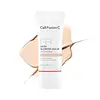
Cosmetic ColorantWater, Caprylic/Capric Triglyceride, Cetyl Ethylhexanoate, Coco-Caprylate/Caprate, Polyglyceryl-4 Diisostearate/Polyhydroxystearate/Sebacate, Glycerin, Butylene Glycol, Diphenylsiloxy Phenyl Trimethicone, Dicaprylyl Carbonate, Disteardimonium Hectorite, Phenyl Trimethicone, Glyceryl Behenate/Eicosadioate, Polyglyceryl-3 Oleate, Acrylates/Dimethicone Copolymer, Sorbitan Sesquioleate, Magnesium Sulfate, Silica, Polymethylsilsesquioxane, Diisostearoyl Polyglyceryl-3 Dimer Dilinoleate, Triethoxycaprylylsilane, Caprylyl Glycol, Aluminum Hydroxide, Silica Silylate, Hydrolyzed Hyaluronic Acid, Ethylhexylglycerin, Betaine, Tocopheryl Acetate, Tranexamic Acid, Hydrogenated Lecithin, Adenosine, Cetearyl Alcohol, Stearic Acid, 1,2-Hexanediol, Tocopherol, Leontopodium Alpinum Callus Culture Extract, Ceramide NP, Glycine Soja Oil, Ceramide Ns, Phytosphingosine, Cholesterol, Ceramide As, Ceramide AP, Acetyl Hexapeptide-8, Copper Tripeptide-1, Palmitoyl Pentapeptide-4, Oligopeptide-1, Dipeptide-2, Ceramide EOP, Tripeptide-1, Stearalkonium Hectorite, Propylene Carbonate, Titanium Dioxide, CI 77491, CI 77492, CI 77499
Titanium Dioxide 9%
Cosmetic Colorant
Zinc Oxide 6.3%
Cosmetic Colorant
Water
Skin ConditioningPhenyl Trimethicone
Skin Conditioning
Dimethicone
Emollient
Butylene Glycol
Humectant
Butylene Glycol Dicaprylate/Dicaprate
EmollientOrbignya Oleifera Seed Oil
Emollient
Butyloctyl Salicylate
Skin Conditioning
Cetyl PEG/PPG-10/1 Dimethicone
Emulsifying
Cyclopentasiloxane
Emollient
Snail Secretion Filtrate
Skin Conditioning
Aluminum Hydroxide
EmollientMagnesium Sulfate
Polyglyceryl-4 Isostearate
Emulsifying
Stearic Acid
Cleansing
Cyclohexasiloxane
Emollient
Dimethicone/Vinyl Dimethicone Crosspolymer
Skin Conditioning
Hexyl Laurate
Emollient
Calcium Stearate
Cosmetic ColorantTriethoxycaprylylsilane
Caprylyl Glycol
Emollient
Ethyl Hexanediol
SolventEthylhexylglycerin
Skin ConditioningLimonene
Perfuming




Citrus Limon Peel Oil
Masking

Sorbitan Isostearate
Emulsifying
Tocopheryl Acetate
Antioxidant
Phenoxyethanol
Preservative
Citrus Aurantium Bergamia Fruit Oil
Masking
1,2-Hexanediol
Skin Conditioning
Adenosine
Skin Conditioning
Citrus Aurantium Dulcis Peel Oil
Masking
Citrus Aurantifolia Oil
Cleansing
Pinus Sylvestris Leaf Oil
Masking
Linalool
Perfuming
Eucalyptus Globulus Leaf Oil
Perfuming
Glycerin
Humectant
Citral
Perfuming
Niacinamide
Smoothing

Hyaluronic Acid
Humectant
Colloidal Oatmeal
Absorbent
Hydrolyzed Collagen
Emollient
Steareth-20
CleansingPentaerythrityl Tetra-Di-T-Butyl Hydroxyhydrocinnamate
Antioxidant
Camellia Sinensis Leaf Extract
Antimicrobial
Olea Europaea Leaf Extract
Perfuming
Chlorhexidine Digluconate
Antimicrobial
N-Hydroxysuccinimide
Skin ConditioningSilk Extract
Skin ConditioningHydrolyzed Silk
Humectant
Sodium Citrate
BufferingPotassium Sorbate
Preservative
Palmitoyl Tripeptide-1
Skin Conditioning
Chrysin
Skin ConditioningPalmitoyl Tetrapeptide-7
Skin Conditioning
Citric Acid
Buffering
Biotin
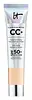
AntiseborrhoeicTitanium Dioxide 9%, Zinc Oxide 6.3%, Water, Phenyl Trimethicone, Dimethicone, Butylene Glycol, Butylene Glycol Dicaprylate/Dicaprate, Orbignya Oleifera Seed Oil, Butyloctyl Salicylate, Cetyl PEG/PPG-10/1 Dimethicone, Cyclopentasiloxane, Snail Secretion Filtrate, Aluminum Hydroxide, Magnesium Sulfate, Polyglyceryl-4 Isostearate, Stearic Acid, Cyclohexasiloxane, Dimethicone/Vinyl Dimethicone Crosspolymer, Hexyl Laurate, Calcium Stearate, Triethoxycaprylylsilane, Caprylyl Glycol, Ethyl Hexanediol, Ethylhexylglycerin, Limonene, Citrus Limon Peel Oil, Sorbitan Isostearate, Tocopheryl Acetate, Phenoxyethanol, Citrus Aurantium Bergamia Fruit Oil, 1,2-Hexanediol, Adenosine, Citrus Aurantium Dulcis Peel Oil, Citrus Aurantifolia Oil, Pinus Sylvestris Leaf Oil, Linalool, Eucalyptus Globulus Leaf Oil, Glycerin, Citral, Niacinamide, Hyaluronic Acid, Colloidal Oatmeal, Hydrolyzed Collagen, Steareth-20, Pentaerythrityl Tetra-Di-T-Butyl Hydroxyhydrocinnamate, Camellia Sinensis Leaf Extract, Olea Europaea Leaf Extract, Chlorhexidine Digluconate, N-Hydroxysuccinimide, Silk Extract, Hydrolyzed Silk, Sodium Citrate, Potassium Sorbate, Palmitoyl Tripeptide-1, Chrysin, Palmitoyl Tetrapeptide-7, Citric Acid, Biotin
Reviews
Ingredients Explained
These ingredients are found in both products.
Ingredients higher up in an ingredient list are typically present in a larger amount.
1,2-Hexanediol is a synthetic liquid and another multi-functional powerhouse.
It is a:
- Humectant, drawing moisture into the skin
- Emollient, helping to soften skin
- Solvent, dispersing and stabilizing formulas
- Preservative booster, enhancing the antimicrobial activity of other preservatives
Adenosine is in every living organism. It is one of four components in nucleic acids that helps store our DNA.
Adenosine has many benefits when used. These benefits include hydrating the skin, smoothing skin, and reducing wrinkles. Once applied, adenosine increases collagen production. It also helps with improving firmness and tissue repair.
Studies have found adenosine may also help with wound healing.
In skincare products, Adenosine is usually derived from yeast.
Learn more about AdenosineAluminum Hydroxide is a form of aluminum. It can be naturally found in nature as the mineral gibbsite. In cosmetics, Aluminum Hydroxide is used as a colorant, pH adjuster, and absorbent.
As a colorant, Aluminum Hydroxide may add opacity, or reduce the transparency. Aluminum hydroxide is contains both basic and acidic properties.
According to manufacturers, this ingredient is an emollient and humectant. This means it helps hydrate the skin.
In medicine, this ingredient is used to help relieve heartburn and help heal ulcers.
There is currently no credible scientific evidence linking aluminum hydroxide in cosmetics to increased cancer risk.
Major health organizations allow the use of aluminum hydroxide in personal care products and have not flagged it as a carcinogenic risk at typical usage levels.
Learn more about Aluminum HydroxideButylene Glycol (or BG) is used within cosmetic products for a few different reasons:
Overall, Butylene Glycol is a safe and well-rounded ingredient that works well with other ingredients.
Though this ingredient works well with most skin types, some people with sensitive skin may experience a reaction such as allergic rashes, closed comedones, or itchiness.
Learn more about Butylene GlycolCaprylyl Glycol is a humectant, skin conditioner, emollient, and preservative booster derived from either caprylic acid or synthetically created.
Typical use levels vary from 0.3-1% as a preservative booster and go up to 2% to condition skin.
Because it is not a free-fatty acid, this ingredient is fungal acne safe (there's nothing for Malassezia to feed on).
Learn more about Caprylyl GlycolEthylhexylglycerin is created from glycerin. It is a multitasker ingredient that:
The CIR Expert Panel found minimal skin absorption or sensitization of any kind in a safety assessment. Though this ingredient is considered well-tolerated, a small number of cases of allergic dermatitis have been published since 2002. Just be sure to patch test if you are unsure.
Industry-reported use ranges from 8% in rinse-off products and 2% in leave-on formulations.
Learn more about EthylhexylglycerinGlycerin (or glycerol) is a compound naturally found in your skin. It's a powerhouse humectant that pulls water into the stratum corneum.
Topically, glycerin does several things at once:
Your skin makes glycerin on its own (mostly from sebaceous oil breakdown) and shuttles it to your outermost layer of skin, or your epidermis, via aquaporin-3.
Aquaporin-3 is a transporter that is essential for normal skin hydration, elasticity, and repair. Interestingly, mice lacking in AQP3 have dry and less elastic skin that can be fully corrected with glycerin.
This ingredient is non-irritating, plays well with almost every ingredient, and works across all skin types. Typical use is anywhere between 3-10% but can go up to 79% in some leave-on products.
Just know very high concentrations (>40%) can feel tacky in low humidity.
Glycerin is the name for this ingredient in American English. British English uses Glycerol/Glycerine.
Learn more about GlycerinMagnesium Sulfate is a salt. More specifically, it is an epsom salt, or the bath salt used to help relieve muscle aches.
Despite having ‘sulfate’ in the name, it isn’t a surfactant or cleansing agent like sodium lauryl sulfate. Unlike those sulfates, magnesium sulfate doesn’t have the same cleansing or foaming properties (it's simply a type of salt).
In cosmetics, Magnesium Sulfate is used to thicken a product or help dilute other solids. It is a non-reactive and non-irritating ingredient.
One study shows magnesium deficiency may lead to inflammation of the skin. Applying magnesium topically may help reduce inflammation.
You can find this ingredient in sea water or mineral deposits.
Learn more about Magnesium SulfatePhenyl Trimethicone is a silicon-based polymer. It is derived from silica.
Phenyl Trimethicone is used as an emollient and prevents products from foaming.
As an emollient, it helps trap moisture in the skin. It is considered an occlusive.
Learn more about Phenyl TrimethiconeStearic Acid is a fatty acid that is already found in your skin. It's one of the free fatty acids that works alongside ceramides and cholesterols to maintain your barrier.
In cosmetics, it is a multitasker:
Safety-wise, the CIR Expert Panel has concluded it to be safe in cosmetics when formulated to be non-irritating and non-sensitizing.
Free stearic acid is a C18 fatty acid that the Malassezia yeast can substrate, so this ingredient may not be fungal acne safe.
Learn more about Stearic AcidTitanium dioxide is a mineral UV filter widely used in sunscreens and cosmetics.
It is one of only two UV filters officially classified as “mineral” by regulatory agencies, the other being zinc oxide.
Titanium dioxide provides broad-spectrum protection mostly in the UVB and UVAII range, with some protection in the UVAI range.
While its UVA protection isn’t as strong as zinc oxide’s, the difference is minor.
A common myth is that mineral UV filters reflect UV light. However, modern research shows titanium dioxide absorbs UV radiation like chemical filters (~95% absorption & 5% reflection).
Thanks to its non-irritating nature, titanium dioxide is suitable for sensitive, acne-prone, or redness-prone skin. It is unlikely to cause "eye sting" like other sunscreen ingredients.
A major drawback of this ingredient is its white cast and thick texture. This is why mineral sunscreens often leave a white cast and are less cosmetically elegant than chemical/hybrid sunscreens.
To improve white cast and spreadability, micronized or nano-sized titanium dioxide is often used.
There are ongoing concerns surrounding nano-titanium oxide's impact on marine ecosystems.
There is no conclusive evidence that any form of titanium oxide (or any other sunscreen ingredients) will cause harm to marine ecosystems or coral reefs. The science is still developing but many consumers are keeping a close eye on this issue.
Please note, many destinations have reef-safety sunscreen rules. For instance, the U.S. Virgin Islands advises all visitors to use non-nano mineral sunscreens.
Nano mineral sunscreens once raised safety concerns about absorption into skin.
Extensive research has shown that they do not penetrate healthy or damaged skin; they remain safely on the surface and the top layer of dead skin (stratum corneum).
You'll likely find titanium dioxide bundled with alumina, silica, or dimethicone. These ingredients help make titanium dioxide highly photostable; this prevents it from interacting with other formula components under UV light.
Learn more about Titanium DioxideTocopheryl Acetate is AKA Vitamin E. It is an antioxidant and protects your skin from free radicals. Free radicals damage the skin by breaking down collagen.
One study found using Tocopheryl Acetate with Vitamin C decreased the number of sunburned cells.
Tocopheryl Acetate is commonly found in both skincare and dietary supplements.
Learn more about Tocopheryl AcetateTriethoxycaprylylsilane is a silicon-based surface modifier that makes sunscreens feel silky and makeup stay put.
Its main job is to coat mineral particles like titanium dioxide, zinc oxide, and color pigments in a thin, oily layer so they spread smoothly, don't clump, and stick to skin better.
This ingredient is typically used at low levels (up to 2.5% in eyeshadow and 1% in lipstick).
Learn more about TriethoxycaprylylsilaneWater. It's the most common cosmetic ingredient of all. You'll usually see it at the top of ingredient lists, meaning that it makes up the largest part of the product.
So why is it so popular? Water most often acts as a solvent - this means that it helps dissolve other ingredients into the formulation.
You'll also recognize water as that liquid we all need to stay alive. If you see this, drink a glass of water. Remember to stay hydrated!
Learn more about Water
