Caudalie Resveratrol Lift Firming Cashmere Cream Versus Dermalogica Intensive Moisture Balance Moisturizer
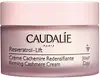
This anti-aging day moisturizer is formulated around Palmitoyl Grapevine Shoot Extract and Hydrolyzed Hyaluronic Acid to soften the look of wrinkles and hydrate skin.
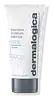
This barrier-repair moisturizer is formulated around Sodium Hyaluronate and Ceramide NP to strengthen the skin barrier and hydrate skin.


What's inside
What's inside
 Key Ingredients
Benefits
Concerns
Ingredients Side-by-side
Water
Skin ConditioningCoco-Caprylate/Caprate
Emollient
Caprylic/Capric Triglyceride
Masking

Butylene Glycol
Humectant
Octyldodecyl Myristate
EmollientGlycerin
Humectant
Butyrospermum Parkii Butter Extract
Skin Conditioning

Cetearyl Alcohol
Emollient



C12-16 Alcohols
EmollientMicrocrystalline Cellulose
AbsorbentVitis Vinifera Seed Oil
Emollient

Palmitoyl Grapevine Shoot Extract
Antioxidant


Cetearyl Glucoside
Emulsifying
CI 77891
Cosmetic ColorantHydrogenated Lecithin
Emulsifying
Palmitic Acid
Emollient
Potassium Cetyl Phosphate
EmulsifyingMica
Cosmetic ColorantCaprylyl Glycol
Emollient
Polyacrylate Crosspolymer-6
Emulsion StabilisingBenzyl Alcohol
Perfuming





Tocopherol
Antioxidant

Helianthus Annuus Seed Oil
Emollient
Xanthan Gum
EmulsifyingHydrolyzed Hyaluronic Acid
Humectant
Lecithin
Emollient
Adenosine
Skin Conditioning
Sodium Phytate
ChelatingAcetyl Dipeptide-1 Cetyl Ester
Skin Conditioning
Hyaluronic Acid
Humectant
Dehydroacetic Acid
Preservative
Silica
Abrasive


Khaya Senegalensis Bark Extract
Skin ProtectingMaltodextrin
Absorbent
Tin Oxide
Abrasive
Sodium Hydroxide
BufferingPaeonia Lactiflora Root Extract
Skin ConditioningCitric Acid
Buffering
Parfum
Masking
Linalool
Perfuming
Limonene
Perfuming
Coumarin
Perfuming
Water, Coco-Caprylate/Caprate, Caprylic/Capric Triglyceride, Butylene Glycol, Octyldodecyl Myristate, Glycerin, Butyrospermum Parkii Butter Extract, Cetearyl Alcohol, C12-16 Alcohols, Microcrystalline Cellulose, Vitis Vinifera Seed Oil, Palmitoyl Grapevine Shoot Extract, Cetearyl Glucoside, CI 77891, Hydrogenated Lecithin, Palmitic Acid, Potassium Cetyl Phosphate, Mica, Caprylyl Glycol, Polyacrylate Crosspolymer-6, Benzyl Alcohol, Tocopherol, Helianthus Annuus Seed Oil, Xanthan Gum, Hydrolyzed Hyaluronic Acid, Lecithin, Adenosine, Sodium Phytate, Acetyl Dipeptide-1 Cetyl Ester, Hyaluronic Acid, Dehydroacetic Acid, Silica, Khaya Senegalensis Bark Extract, Maltodextrin, Tin Oxide, Sodium Hydroxide, Paeonia Lactiflora Root Extract, Citric Acid, Parfum, Linalool, Limonene, Coumarin
Water
Skin ConditioningEthylhexyl Hydroxystearate
Emollient
Butylene Glycol
Humectant
Cetearyl Ethylhexanoate
Emollient
Cetyl Caprylate
EmollientStearic Acid
Cleansing
PEG-8
HumectantOctyldodecanol
Emollient
Dimethicone
Emollient
Glyceryl Stearate Se
Emulsifying
PEG-100 Stearate
Surfactant
Sodium Hyaluronate
Humectant
Hydrolyzed Sodium Hyaluronate
Skin Conditioning
Sodium Ascorbyl Phosphate
Antioxidant

Chlorella Vulgaris Extract
Skin ConditioningCeramide NP
Skin Conditioning
Phytosterols
Skin Conditioning
Centella Asiatica Extract
Cleansing
Linoleic Acid
Cleansing
Echinacea Purpurea Extract
MoisturisingAloe Barbadensis Extract
Skin Conditioning
Palmitic Acid
Emollient
Myristic Acid
Cleansing
Rosa Centifolia Extract
Skin ConditioningLactic Acid
Buffering
Linolenic Acid
Cleansing
Propanediol
Solvent
Tocopherol
Antioxidant
Potassium Cetyl Phosphate
EmulsifyingHelianthus Annuus Seed Oil
Emollient
Tetrasodium Glutamate Diacetate
ChelatingEthylhexylglycerin
Skin ConditioningCetyl Alcohol
Emollient
Carbomer
Emulsion StabilisingHydroxystearic Acid
Cleansing
Aminomethyl Propanol
BufferingSodium Hydroxide
BufferingPhenoxyethanol
Preservative
Water, Ethylhexyl Hydroxystearate, Butylene Glycol, Cetearyl Ethylhexanoate, Cetyl Caprylate, Stearic Acid, PEG-8, Octyldodecanol, Dimethicone, Glyceryl Stearate Se, PEG-100 Stearate, Sodium Hyaluronate, Hydrolyzed Sodium Hyaluronate, Sodium Ascorbyl Phosphate, Chlorella Vulgaris Extract, Ceramide NP, Phytosterols, Centella Asiatica Extract, Linoleic Acid, Echinacea Purpurea Extract, Aloe Barbadensis Extract, Palmitic Acid, Myristic Acid, Rosa Centifolia Extract, Lactic Acid, Linolenic Acid, Propanediol, Tocopherol, Potassium Cetyl Phosphate, Helianthus Annuus Seed Oil, Tetrasodium Glutamate Diacetate, Ethylhexylglycerin, Cetyl Alcohol, Carbomer, Hydroxystearic Acid, Aminomethyl Propanol, Sodium Hydroxide, Phenoxyethanol
Reviews
Ingredients Explained
These ingredients are found in both products.
Ingredients higher up in an ingredient list are typically present in a larger amount.
Butylene Glycol (or BG) is used within cosmetic products for a few different reasons:
Overall, Butylene Glycol is a safe and well-rounded ingredient that works well with other ingredients.
Though this ingredient works well with most skin types, some people with sensitive skin may experience a reaction such as allergic rashes, closed comedones, or itchiness.
Learn more about Butylene GlycolHelianthus Annuus Seed Oil is a plant oil derived from the seeds of a sunflower.
It is rich in fatty acids, primarily linoleic acid and oleic acid. This gives it emollient and skin conditioning properties.
The reason this ingredient is so effective is because it forms a thin film on the skin that reduces transepidermal water loss (TEWL) while supplying linoleic acid to the stratum corneum to improve barrier strength.
The high linoleic acid content is particularly noteworthy for acne-prone skin.
Research suggests that acne-prone skin tends to be deficient in linoleic acid in sebum. Topical application may help replenish this to support a healthier follicular environment and less comedone-promoting sebum.
One randomized study found sunflower seed oil preserved skin barrier integrity in adult volunteers with and without atopic dermatitis (outperforming olive oil).
This ingredient is well-studied, gentle, and an effective emollient suitable for most skin types.
On fungal acne: This ingredient may not be Fungal acne (Malassezia folliculitis) safe. This is because it contains fatty acids with carbon chain lengths in the C11-C24 range.
Learn more about Helianthus Annuus Seed OilPalmitic Acid is a fatty acid naturally found in our skin and in many plant and animal sources.
In cosmetics, it is usually derived from palm oil. It serves many purposes in skincare, acting as a cleanser, emollient, and emulsifier.
Interestingly, topically applied Palmitic Acid can be elongated into longer chain fatty acids and ceramides. A 2019 study found low levels of Palmitic Acid lead to slower development of cells, suggesting it plays a role in keeping your skin's renewal process on track.
The CIR (Cosmetic Ingredient Review) panel determined it safe as used in cosmetics at concentrations up to 13%. It is non-irritating and non-sensitizing in clinical studies.
The culprit behind fungal acne, the Malassezia yeast, feeds on fatty acids with carbon chain lengths between C11-C24. Palmitic Acid, at C16, falls right into that sweet spot.
In vitro studies have shown that Palmitic Acid is one of the fatty acids that induce rapid Malassezia growth in lab settings.
It's worth noting that what feeds yeast in a lab doesn't necessarily feed it on your face since formulation and your skin's chemistry play a bigger role.
Learn more about Palmitic AcidPotassium Cetyl Phosphate is the potassium salt of a mixture. This mixture consists of the esters from phosphoricacid and cetyl alcohol.
Potassium Cetyl Phosphate is an emulsifier and cleansing agent. Emulsifiers help stabilize a product. It does this by preventing certain ingredients from separating.
As a cleansing agent, Potassium Cetyl Phosphate helps gather oils, dirts, and pollutants from your skin. This makes it easier to rinse them away with water.
Learn more about Potassium Cetyl PhosphateSodium Hydroxide is also known as lye or caustic soda. It is used to adjust the pH of products; many ingredients require a specific pH to be effective.
In small amounts, sodium hydroxide is considered safe to use. However, large amounts may cause chemical burns due to its high alkaline.
Your skin has a natural pH and acid mantle. This acid mantle helps prevent harmful bacteria from breaking through. The acid mantle also helps keep your skin hydrated.
"Alkaline" refers to a high pH level. A low pH level would be considered acidic.
Learn more about Sodium HydroxideTocopherol is a fat-soluble antioxidant known as Vitamin E.
You'll find this ingredient in the vast majority of skincare (for good reason). It works to neutralize free radicals, or unstable molecules generated by UV exposure, pollution, and other environmental stressors, before they can cause oxidative damage to your skin cells.
Topically applied tocopherol has been shown to protect against UV damage by ramping up the skin's own natural defense enzymes.
It also acts as a skin conditioning agent; some studies show that regular topical use can improve the skin's water-binding capacity over 2-4 weeks.
This ingredient is especially loved for being a team player. When combined with Vitamin C, the photoprotective effect of both ingredients roughly doubles and the combo also helps reduce UV-induced DNA damage.
This ingredient has some brightening potential but it's more of a prevention ingredient than spot-fader. Cell studies show it can slow down melanin production but it's worth noting that it's not the most powerful brightener out there.
In formulations, it also serves as a stabilizer that helps protect other oxidation-prone ingredients from degrading.
Concentrations usually range from 0.1-1% in most leave-on products.
Learn more about TocopherolWater. It's the most common cosmetic ingredient of all. You'll usually see it at the top of ingredient lists, meaning that it makes up the largest part of the product.
So why is it so popular? Water most often acts as a solvent - this means that it helps dissolve other ingredients into the formulation.
You'll also recognize water as that liquid we all need to stay alive. If you see this, drink a glass of water. Remember to stay hydrated!
Learn more about Water

