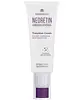
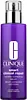
Neoretin Discrom Control Transition Cream Versus Clinique Smart Clinical Repair Wrinkle Correcting Serum
This brightening treatment is formulated around Niacinamide and Retinol to fade the look of dark spots and refine skin texture.
This anti-aging serum is formulated around Acetyl Hexapeptide-8 and Palmitoyl Tripeptide-1 to soften the look of wrinkles and refine skin texture.


What's inside
What's inside
 Key Ingredients
Benefits
Concerns
Ingredients Side-by-side
Water
Skin ConditioningUndecane
EmollientPentylene Glycol
Skin Conditioning
Isostearyl Isostearate
Emollient




Trisiloxane
Skin Conditioning
Glycerin
Humectant

Steareth-21
CleansingSteareth-2
EmulsifyingNiacinamide
Smoothing









Sodium Hyaluronate Crosspolymer
Humectant
Tridecane
Perfuming

Butylene Glycol
Humectant
Ceteareth-20
Cleansing
Cetyl Alcohol
Emollient

Bisabolol
Antioxidant
3-O-Ethyl Ascorbic Acid
Skin Conditioning
Deschampsia Antarctica Leaf Extract
Antioxidant
Retinol
Skin Conditioning

Hydroxypinacolone Retinoate
Skin Conditioning
Dipotassium Glycyrrhizate
Humectant
Zea Mays Starch
Absorbent
Titanium Dioxide
Cosmetic Colorant

Phenylpropanol
Masking
Trisodium Ethylenediamine Disuccinate
ChelatingCaprylyl Glycol
Emollient
Propanediol
Solvent
Sodium Hydroxide
BufferingMica
Cosmetic ColorantUrea
Buffering
Yeast Amino Acids
HumectantTocopheryl Acetate
Antioxidant
Xanthan Gum
EmulsifyingTrehalose
Humectant
Inositol
Humectant
Taurine
BufferingBetaine
Humectant
Silica
Abrasive
Palmitoyl Hydroxypropyltrimonium Amylopectin/Glycerin Crosspolymer
Skin ConditioningTin Oxide
Abrasive
1,2-Hexanediol
Skin Conditioning
Polysorbate 20
Emulsifying
Dimethyl Isosorbide
SolventHydrogenated Lecithin
Emulsifying
Acrylates/C10-30 Alkyl Acrylate Crosspolymer
Emulsion StabilisingBHA
Antioxidant
BHT
Antioxidant
Parfum
Masking
Water, Undecane, Pentylene Glycol, Isostearyl Isostearate, Trisiloxane, Glycerin, Steareth-21, Steareth-2, Niacinamide, Sodium Hyaluronate Crosspolymer, Tridecane, Butylene Glycol, Ceteareth-20, Cetyl Alcohol, Bisabolol, 3-O-Ethyl Ascorbic Acid, Deschampsia Antarctica Leaf Extract, Retinol, Hydroxypinacolone Retinoate, Dipotassium Glycyrrhizate, Zea Mays Starch, Titanium Dioxide, Phenylpropanol, Trisodium Ethylenediamine Disuccinate, Caprylyl Glycol, Propanediol, Sodium Hydroxide, Mica, Urea, Yeast Amino Acids, Tocopheryl Acetate, Xanthan Gum, Trehalose, Inositol, Taurine, Betaine, Silica, Palmitoyl Hydroxypropyltrimonium Amylopectin/Glycerin Crosspolymer, Tin Oxide, 1,2-Hexanediol, Polysorbate 20, Dimethyl Isosorbide, Hydrogenated Lecithin, Acrylates/C10-30 Alkyl Acrylate Crosspolymer, BHA, BHT, Parfum
Water
Skin ConditioningDimethicone
Emollient
Isododecane
EmollientButylene Glycol
Humectant
Glycerin
Humectant
Polysilicone-11
Ascorbyl Glucoside
Antioxidant
Sodium Hyaluronate
Humectant
Tocopheryl Acetate
Antioxidant
Squalane
Emollient
Hypnea Musciformis Extract
Skin Protecting
Gelidiella Acerosa Extract
Skin Protecting
Sigesbeckia Orientalis Extract
Skin ConditioningHelianthus Annuus Seed Extract
Skin Conditioning
Hordeum Vulgare Extract
EmollientTriticum Vulgare Germ Extract
Skin ConditioningCucumis Sativus Fruit Extract
Emollient
Caffeine
Skin Conditioning
Acetyl Hexapeptide-8
Humectant
Palmitoyl Tripeptide-1
Skin Conditioning
Palmitoyl Tetrapeptide-7
Skin Conditioning
Palmitoyl Hexapeptide-12
Skin Conditioning
PEG-10 Dimethicone
Skin Conditioning
Glycyrrhetinic Acid
Skin Conditioning
Whey Protein
Skin ConditioningIsohexadecane
EmollientPropylene Glycol Dicaprate
EmollientCaprylyl Glycol
Emollient
Hydroxypinacolone Retinoate
Skin Conditioning
Acetyl Glucosamine
Skin Conditioning
Cholesterol
Emollient
PEG-8
HumectantFaex Extract
Skin ConditioningPEG-6
HumectantDimethyl Isosorbide
SolventGlyceryl Polymethacrylate
Polysorbate 20
Emulsifying
Sodium Phosphate
BufferingSynthetic Fluorphlogopite
Polysorbate 80
Emulsifying
Carbomer
Emulsion StabilisingHexylene Glycol
EmulsifyingAmmonium Acryloyldimethyltaurate/Vp Copolymer
Acrylamide/Sodium Acryloyldimethyltaurate Copolymer
Emulsion StabilisingPotassium Hydroxide
BufferingTin Oxide
Abrasive
Disodium Phosphate
BufferingCitric Acid
Buffering
Disodium EDTA
ChelatingSodium Citrate
BufferingPhenoxyethanol
Preservative
Potassium Sorbate
Preservative
CI 77891
Cosmetic ColorantWater, Dimethicone, Isododecane, Butylene Glycol, Glycerin, Polysilicone-11, Ascorbyl Glucoside, Sodium Hyaluronate, Tocopheryl Acetate, Squalane, Hypnea Musciformis Extract, Gelidiella Acerosa Extract, Sigesbeckia Orientalis Extract, Helianthus Annuus Seed Extract, Hordeum Vulgare Extract, Triticum Vulgare Germ Extract, Cucumis Sativus Fruit Extract, Caffeine, Acetyl Hexapeptide-8, Palmitoyl Tripeptide-1, Palmitoyl Tetrapeptide-7, Palmitoyl Hexapeptide-12, PEG-10 Dimethicone, Glycyrrhetinic Acid, Whey Protein, Isohexadecane, Propylene Glycol Dicaprate, Caprylyl Glycol, Hydroxypinacolone Retinoate, Acetyl Glucosamine, Cholesterol, PEG-8, Faex Extract, PEG-6, Dimethyl Isosorbide, Glyceryl Polymethacrylate, Polysorbate 20, Sodium Phosphate, Synthetic Fluorphlogopite, Polysorbate 80, Carbomer, Hexylene Glycol, Ammonium Acryloyldimethyltaurate/Vp Copolymer, Acrylamide/Sodium Acryloyldimethyltaurate Copolymer, Potassium Hydroxide, Tin Oxide, Disodium Phosphate, Citric Acid, Disodium EDTA, Sodium Citrate, Phenoxyethanol, Potassium Sorbate, CI 77891
Reviews
Ingredients Explained
These ingredients are found in both products.
Ingredients higher up in an ingredient list are typically present in a larger amount.
Butylene Glycol (or BG) is used within cosmetic products for a few different reasons:
Overall, Butylene Glycol is a safe and well-rounded ingredient that works well with other ingredients.
Though this ingredient works well with most skin types, some people with sensitive skin may experience a reaction such as allergic rashes, closed comedones, or itchiness.
Learn more about Butylene GlycolCaprylyl Glycol is a humectant, skin conditioner, emollient, and preservative booster derived from either caprylic acid or synthetically created.
Typical use levels vary from 0.3-1% as a preservative booster and go up to 2% to condition skin.
Because it is not a free-fatty acid, this ingredient is fungal acne safe (there's nothing for Malassezia to feed on).
Learn more about Caprylyl GlycolDimethyl Isosorbide (often shortened to DMI) is a sugar-derived solvent made from sorbitol. It's used to dissolve tricky ingredients and help them mix smoothly into a formula.
Many actives sit as gritty crystals when undissolved, so DMI swoops in to full dissolve them. This helps improve texture, stability, and how evenly an active is distributed.
It does have a penetration-enhancing reputation that is a bit more nuanced than marketing suggests; a cell study on human skin found that 10% DMI didn't significantly boost the permeation of Hydroquinone, Salicylic Acid, or Octadecenedioic Acid compared to controls (though it did improve their solubility in the formula itself).
Typical usage concentrations usually range from 1-10% depending on the formula's needs; this ingredient is also well tolerated at these levels.
Learn more about Dimethyl IsosorbideGlycerin (or glycerol) is a compound naturally found in your skin. It's a powerhouse humectant that pulls water into the stratum corneum.
Topically, glycerin does several things at once:
Your skin makes glycerin on its own (mostly from sebaceous oil breakdown) and shuttles it to your outermost layer of skin, or your epidermis, via aquaporin-3.
Aquaporin-3 is a transporter that is essential for normal skin hydration, elasticity, and repair. Interestingly, mice lacking in AQP3 have dry and less elastic skin that can be fully corrected with glycerin.
This ingredient is non-irritating, plays well with almost every ingredient, and works across all skin types. Typical use is anywhere between 3-10% but can go up to 79% in some leave-on products.
Just know very high concentrations (>40%) can feel tacky in low humidity.
Glycerin is the name for this ingredient in American English. British English uses Glycerol/Glycerine.
Learn more about GlycerinHydroxypinacolone Retinoate (aka Granactive Retinoid or HPR) is a retinoid that is part of the same vitamin A family as retinol.
It is an ester of retinoic acid that binds directly to your skin's retinoic acid receptors so it doesn't need your skin to convert it through several steps before it can do anything.
In practice, this means it does the classic retinoid jobs in a formula:
The best part is that it can do all this with noticeably less redness, flaking, and stinging than traditional retinoids.
That gentle reputation is backed by lab work as well; a 2018 study on skin models found that HPR triggered higher retinoid-gene activity than retinol, retinal, or retinyl propionate at the same concentrations while being less irritating to cells.
It also boosted procollagen production to levels similar to retinoic acid itself.
A 2023 study showed HPR works synergistically with retinyl propionate to switch on collagen-building pathways and a 2025 clinical serum study in women with mild photoaging saw improvements in wrinkles and elasticity (though that formula also contained retinol, peptides, and Silybin).
One naming quirk worth mentioning:
You'll likely see this ingredient sold under the trade name "Granactive Retinoid", which is actually only 10% HPR blended with 90% Dimethyl Isosorbide solvent. This means a 5% Granactive Retinoid really only means about 0.5% HPR.
Finished products typically land somewhere between 0.05-1% and it's happiest formulated at a mildly acidic to neutral pH (~5.5-6.5).
Another perk is that this is one of the more light- and temperature-stable retinoids which is a nice bonus for shelf life.
Learn more about Hydroxypinacolone RetinoatePolysorbate 20 is a gentle, water-soluble emulsifier and mild surfactant. It stops oil and water from separating to keep your formulas blended and stable.
It also acts as a mild penetration enhancer by helping active ingredients absorb slightly better.
The common safety discussion around this ingredient involves a manufacturing byproduct called 1,4-dioxane.
Trace amounts can form during production but the EU's Scientific Committee on Consumer Safety has concluded that levels at/below 10 ppm in finished products are safe (commercial products consistently fall within acceptable margins).
True allergic reactions are uncommon and the CIR Expert Panel has confirmed this ingredient to be safe as used in cosmetics.
Because it is derived from lauric acid, it may not be fungal acne safe.
Learn more about Polysorbate 20Tin Oxide is an inorganic oxide used to add opacity and volume to a product. In nature, it is already found in mineral form. The main ore of tin is an opaque and shiny mineral called casseterite.
Tin Oxide helps remove translucency in a product, or make it more opaque. Besides adding opacity, tin oxide is used for bulking to add volume.
Tocopheryl Acetate is a stable, shelf-friendly form of vitamin E.
Formulators love it because plain vitamin E oxidizes quickly once it hits air. This acetate version stays stable and resists going off, helping to extend a product's shelf life.
It's actually inactive on its own and works like a slow-release "storage" form; the enzymes in your skin called esterases gradually convert it into active vitamin E over time.
One in vivo study showed 5% of the acetate in the living layer of the epidermis converted to vitamin E after 5 days of application. This study also found the skin gained protection against UV damage even though the conversion was slow and small.
Once converted, vitamin E acts as a skin's main fat-soluble antioxidant that fights free radicals to protect skin from damage.
Topical vitamin E generally boosts the skin's photoprotection, and it reduced UV-damage in animal models.
This ingredient has some brightening potential but it's more of a prevention ingredient than spot-fader. Cell studies show it can slow down melanin production but it's worth noting that it's not the most powerful brightener out there.
Overall, it has a pretty solid safety profile and has been found to be non-irritating and non-comedogenic. Allergic reactions may happen but stay rare due to how widely the ingredient gets used.
The concentration will vary depending on the formula; industry data shows 0.1% in baby lotions, 3% in lipsticks, and 5% in foot powders. You can also find this ingredient at 100% in a pure vitamin E oil.
Most leave-on skincare keeps it at the lower end, often between 0.5-1%.
Learn more about Tocopheryl AcetateWater. It's the most common cosmetic ingredient of all. You'll usually see it at the top of ingredient lists, meaning that it makes up the largest part of the product.
So why is it so popular? Water most often acts as a solvent - this means that it helps dissolve other ingredients into the formulation.
You'll also recognize water as that liquid we all need to stay alive. If you see this, drink a glass of water. Remember to stay hydrated!
Learn more about Water

