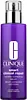
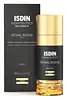
Clinique Smart Clinical Repair Wrinkle Correcting Serum Versus ISDIN Isdinceutics Retinal Intense Serum
This anti-aging serum is formulated around Acetyl Hexapeptide-8 and Palmitoyl Tripeptide-1 to soften the look of wrinkles and refine skin texture.


What's inside
What's inside
 Key Ingredients
Benefits
Concerns
Ingredients Side-by-side
Water
Skin ConditioningDimethicone
Emollient

Isododecane
EmollientButylene Glycol
Humectant

Glycerin
Humectant
Polysilicone-11

Ascorbyl Glucoside
Antioxidant



Sodium Hyaluronate
Humectant

Tocopheryl Acetate
Antioxidant
Squalane
Emollient
Hypnea Musciformis Extract
Skin Protecting

Gelidiella Acerosa Extract
Skin Protecting
Sigesbeckia Orientalis Extract
Skin ConditioningHelianthus Annuus Seed Extract
Skin Conditioning
Hordeum Vulgare Extract
EmollientTriticum Vulgare Germ Extract
Skin ConditioningCucumis Sativus Fruit Extract
Emollient
Caffeine
Skin Conditioning
Acetyl Hexapeptide-8
Humectant
Palmitoyl Tripeptide-1
Skin Conditioning
Palmitoyl Tetrapeptide-7
Skin Conditioning
Palmitoyl Hexapeptide-12
Skin Conditioning
PEG-10 Dimethicone
Skin Conditioning
Glycyrrhetinic Acid
Skin Conditioning
Whey Protein
Skin ConditioningIsohexadecane
EmollientPropylene Glycol Dicaprate
EmollientCaprylyl Glycol
Emollient
Hydroxypinacolone Retinoate
Skin Conditioning


Acetyl Glucosamine
Skin Conditioning
Cholesterol
Emollient
PEG-8
HumectantFaex Extract
Skin ConditioningPEG-6
HumectantDimethyl Isosorbide
SolventGlyceryl Polymethacrylate
Polysorbate 20
Emulsifying

Sodium Phosphate
BufferingSynthetic Fluorphlogopite
Polysorbate 80
Emulsifying
Carbomer
Emulsion StabilisingHexylene Glycol
EmulsifyingAmmonium Acryloyldimethyltaurate/Vp Copolymer
Acrylamide/Sodium Acryloyldimethyltaurate Copolymer
Emulsion StabilisingPotassium Hydroxide
BufferingTin Oxide
Abrasive
Disodium Phosphate
BufferingCitric Acid
Buffering
Disodium EDTA
ChelatingSodium Citrate
BufferingPhenoxyethanol
Preservative
Potassium Sorbate
Preservative
CI 77891
Cosmetic ColorantWater, Dimethicone, Isododecane, Butylene Glycol, Glycerin, Polysilicone-11, Ascorbyl Glucoside, Sodium Hyaluronate, Tocopheryl Acetate, Squalane, Hypnea Musciformis Extract, Gelidiella Acerosa Extract, Sigesbeckia Orientalis Extract, Helianthus Annuus Seed Extract, Hordeum Vulgare Extract, Triticum Vulgare Germ Extract, Cucumis Sativus Fruit Extract, Caffeine, Acetyl Hexapeptide-8, Palmitoyl Tripeptide-1, Palmitoyl Tetrapeptide-7, Palmitoyl Hexapeptide-12, PEG-10 Dimethicone, Glycyrrhetinic Acid, Whey Protein, Isohexadecane, Propylene Glycol Dicaprate, Caprylyl Glycol, Hydroxypinacolone Retinoate, Acetyl Glucosamine, Cholesterol, PEG-8, Faex Extract, PEG-6, Dimethyl Isosorbide, Glyceryl Polymethacrylate, Polysorbate 20, Sodium Phosphate, Synthetic Fluorphlogopite, Polysorbate 80, Carbomer, Hexylene Glycol, Ammonium Acryloyldimethyltaurate/Vp Copolymer, Acrylamide/Sodium Acryloyldimethyltaurate Copolymer, Potassium Hydroxide, Tin Oxide, Disodium Phosphate, Citric Acid, Disodium EDTA, Sodium Citrate, Phenoxyethanol, Potassium Sorbate, CI 77891
Water
Skin ConditioningDimethicone
Emollient
Dibutyl Adipate
EmollientNiacinamide
Smoothing
Isoamyl Laurate
Emollient
Lauryl PEG/PPG-18/18 Methicone
Skin Conditioning
Glycerin
Humectant
Propanediol
Solvent
Dimethicone/Vinyl Dimethicone Crosspolymer
Skin Conditioning
Alcohol Denat.
Antimicrobial


Bakuchiol
Antimicrobial
1,2-Hexanediol
Skin Conditioning
Pentylene Glycol
Skin Conditioning
Caprylic/Capric Triglyceride
Masking
Ethylcellulose
Hydroxyacetophenone
Antioxidant
Pentaerythrityl Tetra-Di-T-Butyl Hydroxyhydrocinnamate
Antioxidant
4-T-Butylcyclohexanol
Masking

Caprylyl Glycol
Emollient
Parfum
Masking
Sodium Acrylates Crosspolymer-2
AbsorbentPolyacrylate Crosspolymer-6
Emulsion StabilisingVigna Aconitifolia Seed Extract
Skin ConditioningTocopheryl Acetate
Antioxidant
Tocopherol
Antioxidant
Citric Acid
Buffering
Xanthan Gum
EmulsifyingMaltodextrin
Absorbent
Melatonin
Antioxidant
Retinal
Skin Conditioning
Silica
Abrasive
Disodium EDTA
ChelatingPhospholipids
Skin Conditioning
Synthetic Fluorphlogopite
CI 77891
Cosmetic ColorantAscorbic Acid
Antioxidant
T-Butyl Alcohol
Perfuming
Rosmarinus Officinalis Leaf Extract
AntimicrobialPalmitoyl Tetrapeptide-7
Skin Conditioning
Tin Oxide
Abrasive
Chrysin
Skin ConditioningWater, Dimethicone, Dibutyl Adipate, Niacinamide, Isoamyl Laurate, Lauryl PEG/PPG-18/18 Methicone, Glycerin, Propanediol, Dimethicone/Vinyl Dimethicone Crosspolymer, Alcohol Denat., Bakuchiol, 1,2-Hexanediol, Pentylene Glycol, Caprylic/Capric Triglyceride, Ethylcellulose, Hydroxyacetophenone, Pentaerythrityl Tetra-Di-T-Butyl Hydroxyhydrocinnamate, 4-T-Butylcyclohexanol, Caprylyl Glycol, Parfum, Sodium Acrylates Crosspolymer-2, Polyacrylate Crosspolymer-6, Vigna Aconitifolia Seed Extract, Tocopheryl Acetate, Tocopherol, Citric Acid, Xanthan Gum, Maltodextrin, Melatonin, Retinal, Silica, Disodium EDTA, Phospholipids, Synthetic Fluorphlogopite, CI 77891, Ascorbic Acid, T-Butyl Alcohol, Rosmarinus Officinalis Leaf Extract, Palmitoyl Tetrapeptide-7, Tin Oxide, Chrysin
Reviews
Ingredients Explained
These ingredients are found in both products.
Ingredients higher up in an ingredient list are typically present in a larger amount.
Caprylyl Glycol is a humectant, skin conditioner, emollient, and preservative booster derived from either caprylic acid or synthetically created.
Typical use levels vary from 0.3-1% as a preservative booster and go up to 2% to condition skin.
Because it is not a free-fatty acid, this ingredient is fungal acne safe (there's nothing for Malassezia to feed on).
Learn more about Caprylyl GlycolCi 77891 is a white pigment from Titanium dioxide. It is naturally found in minerals such as rutile and ilmenite.
It's main function is to add a white color to cosmetics. It can also be mixed with other colors to create different shades.
Ci 77891 is commonly found in sunscreens due to its ability to block UV rays.
Learn more about CI 77891Citric Acid is an alpha hydroxy acid (AHA) naturally found in citrus fruits like oranges, lemons, and limes.
Like other AHAs, citric acid can exfoliate skin by breaking down the bonds that hold dead skin cells together. This helps reveal smoother and brighter skin underneath.
However, this exfoliating effect only happens at high concentrations (20%) which can be hard to find in cosmetic products.
Due to this, citric acid is usually included in small amounts as a pH adjuster. This helps keep products slightly more acidic and compatible with skin's natural pH.
In skincare formulas, citric acid can:
While it can provide some skin benefits, research shows lactic acid and glycolic acid are generally more effective and less irritating exfoliants.
Most citric acid used in skincare today is made by fermenting sugars (usually from molasses). This synthetic version is identical to the natural citrus form but easier to stabilize and use in formulations.
Rosacea skin has a lower threshold for acids generally, with 62.5% of rosacea subjects in one study reacting to lactic acid in a sting test. This is why we mark citric acid as a potential rosacea trigger.
However, this ingredient shows up as a pH adjuster or chelator at roughly 0.1-1% in many products. These low levels are unlikely to be an issue for rosacea skin and becomes a potential trigger at exfoliating concentrations (20%). Because everybody's skin is unique, we recommend a patch test if you are unsure.
Learn more about Citric AcidDimethicone is a type of synthetic silicone created from natural materials such as quartz. It is also known as polydimethylsiloxane.
What it does:
Dimethicone comes in different viscosities:
Depending on the viscosity, dimethicone has different properties.
Ingredients lists don't always show which type is used, so we recommend reaching out to the brand if you have questions about the viscosity.
This ingredient is unlikely to cause irritation because it does not get absorbed into skin. However, people with silicone allergies should be careful about using this ingredient.
Note: Dimethicone may contribute to pilling. This is because it is not oil or water soluble, so pilling may occur when layered with products. When mixed with heavy oils in a formula, the outcome is also quite greasy.
Learn more about DimethiconeDisodium EDTA is a chelating agent. It grabs onto and deactivates metal ions that sneak into your products from water, packaging, or air.
This ingredient mainly works behind the scenes and helps with:
On top of that, this ingredient can counteract the effects of hard water by binding to the minerals in it.
One thing worth knowing is that Disodium EDTA has been shown to be a mild penetration enhancer. It can help other ingredients absorb into skin more effectively which can be a double-edged sword (great for actives, but can also make the active too strong if you have sensitive skin).
Clinical patch testing showed no significant skin irritation at typical use concentrations and minimal dermal absorption.
You'll most likely see this ingredient near the end of an ingredient list. It's typically found in concentrations less than 1%.
Learn more about Disodium EDTAGlycerin (or glycerol) is a compound naturally found in your skin. It's a powerhouse humectant that pulls water into the stratum corneum.
Topically, glycerin does several things at once:
Your skin makes glycerin on its own (mostly from sebaceous oil breakdown) and shuttles it to your outermost layer of skin, or your epidermis, via aquaporin-3.
Aquaporin-3 is a transporter that is essential for normal skin hydration, elasticity, and repair. Interestingly, mice lacking in AQP3 have dry and less elastic skin that can be fully corrected with glycerin.
This ingredient is non-irritating, plays well with almost every ingredient, and works across all skin types. Typical use is anywhere between 3-10% but can go up to 79% in some leave-on products.
Just know very high concentrations (>40%) can feel tacky in low humidity.
Glycerin is the name for this ingredient in American English. British English uses Glycerol/Glycerine.
Learn more about GlycerinPalmitoyl Tetrapeptide-7 (formerly Palmitoyl Tetrapeptide-3) is a synthetic peptide. Its main job is to fight what researchers call "inflammaging".
"Inflammaging" is the slow, low-grade chronic inflammation that quietly breaks down collagen as we age.
This ingredient calms down a specific inflammation signal in your skin cells (called IL-6). When left unchecked, this signal triggers enzymes that break down collagen and elastin.
Clinical testing showed statistically significant improvements in:
Studies also found the more of this ingredient used, the more your skin produces Collagen I, fibronectin, and hyaluronic acid.
You'll likely see this ingredient paired with Palmitoyl Tripeptide-1 in the well-known Matrixyl 3000 complex for enhanced anti-aging effects.
A 3% concentration applied twice daily for two months showed meaningful skin rejuvenation results in clinical panels.
Fungal acne note:
Usually a palmitic acid component can feed Malassezia in unbound form, but here is is covalently bonded to the peptide. This means it is very difficult for Malassezia to access, and therefore very unlikely to cause fungal acne.
Synthetic Fluorphlogopite is the synthethic version of mica. It consists of fluorine, aluminum and silicate.
Synthetic Fluorphlogopite is used to add volume to products.
It is considered non-irritating on the skin.
Learn more about Synthetic FluorphlogopiteTin Oxide is an inorganic oxide used to add opacity and volume to a product. In nature, it is already found in mineral form. The main ore of tin is an opaque and shiny mineral called casseterite.
Tin Oxide helps remove translucency in a product, or make it more opaque. Besides adding opacity, tin oxide is used for bulking to add volume.
Tocopheryl Acetate is a stable, shelf-friendly form of vitamin E.
Formulators love it because plain vitamin E oxidizes quickly once it hits air. This acetate version stays stable and resists going off, helping to extend a product's shelf life.
It's actually inactive on its own and works like a slow-release "storage" form; the enzymes in your skin called esterases gradually convert it into active vitamin E over time.
One in vivo study showed 5% of the acetate in the living layer of the epidermis converted to vitamin E after 5 days of application. This study also found the skin gained protection against UV damage even though the conversion was slow and small.
Once converted, vitamin E acts as a skin's main fat-soluble antioxidant that fights free radicals to protect skin from damage.
Topical vitamin E generally boosts the skin's photoprotection, and it reduced UV-damage in animal models.
This ingredient has some brightening potential but it's more of a prevention ingredient than spot-fader. Cell studies show it can slow down melanin production but it's worth noting that it's not the most powerful brightener out there.
Overall, it has a pretty solid safety profile and has been found to be non-irritating and non-comedogenic. Allergic reactions may happen but stay rare due to how widely the ingredient gets used.
The concentration will vary depending on the formula; industry data shows 0.1% in baby lotions, 3% in lipsticks, and 5% in foot powders. You can also find this ingredient at 100% in a pure vitamin E oil.
Most leave-on skincare keeps it at the lower end, often between 0.5-1%.
Learn more about Tocopheryl AcetateWater. It's the most common cosmetic ingredient of all. You'll usually see it at the top of ingredient lists, meaning that it makes up the largest part of the product.
So why is it so popular? Water most often acts as a solvent - this means that it helps dissolve other ingredients into the formulation.
You'll also recognize water as that liquid we all need to stay alive. If you see this, drink a glass of water. Remember to stay hydrated!
Learn more about Water

