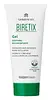
This acne moisturizer is formulated around Hydroxypinacolone Retinoate and Retinol to clear breakouts and calm redness.
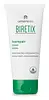
This barrier-repair moisturizer is formulated around Squalane and Snail Secretion Filtrate to strengthen the skin barrier and hydrate skin.

What's inside
What's inside
 Key Ingredients
Benefits
Concerns
Ingredients Side-by-side
Water
Skin ConditioningGlycerin
Humectant


Sodium Acrylate/Sodium Acryloyldimethyl Taurate Copolymer
Emulsion StabilisingPolysorbate 80
Emulsifying

Hydrogenated Lecithin
Emulsifying
Dimethyl Isosorbide
SolventIsohexadecane
EmollientTocopherol
Antioxidant





Bisabolol
Antioxidant
Trehalose
Humectant
Betaine
Humectant
Sodium PCA
Humectant
Urea
Buffering

Palmitoyl Hydroxypropyltrimonium Amylopectin/Glycerin Crosspolymer
Skin ConditioningHydroxypinacolone Retinoate
Skin Conditioning



Aloe Barbadensis Extract
Skin Conditioning
Butylene Glycol
Humectant
Lecithin
Emollient
Papain
Skin Conditioning
Retinol
Skin Conditioning
Dehydroacetic Acid
Preservative
Glucose
Humectant
Glycine Soja Oil
Emollient



Sorbitol
Humectant
Polysorbate 20
Emulsifying
Fructose
Humectant
Ascorbyl Palmitate
Antioxidant
Maltodextrin
Absorbent
Glycine
Buffering
Citric Acid
Buffering
Phenoxyethanol
Preservative
Lactic Acid
Buffering
Sodium Hydroxide
BufferingPotassium Hydroxide
BufferingHydrolyzed Wheat Protein
Skin ConditioningBenzyl Alcohol
Perfuming



Sodium Glutamate
MaskingBeta-Sitosterol
Emulsion Stabilising
Squalane
Emollient
Malic Acid
Buffering
Glycolic Acid
Buffering
Tartaric Acid
Buffering
Lysine
Skin ConditioningMethylparaben
Preservative

Ethylparaben
Preservative
Butylparaben
Masking
Water, Glycerin, Sodium Acrylate/Sodium Acryloyldimethyl Taurate Copolymer, Polysorbate 80, Hydrogenated Lecithin, Dimethyl Isosorbide, Isohexadecane, Tocopherol, Bisabolol, Trehalose, Betaine, Sodium PCA, Urea, Palmitoyl Hydroxypropyltrimonium Amylopectin/Glycerin Crosspolymer, Hydroxypinacolone Retinoate, Aloe Barbadensis Extract, Butylene Glycol, Lecithin, Papain, Retinol, Dehydroacetic Acid, Glucose, Glycine Soja Oil, Sorbitol, Polysorbate 20, Fructose, Ascorbyl Palmitate, Maltodextrin, Glycine, Citric Acid, Phenoxyethanol, Lactic Acid, Sodium Hydroxide, Potassium Hydroxide, Hydrolyzed Wheat Protein, Benzyl Alcohol, Sodium Glutamate, Beta-Sitosterol, Squalane, Malic Acid, Glycolic Acid, Tartaric Acid, Lysine, Methylparaben, Ethylparaben, Butylparaben
Water
Skin ConditioningC12-20 Acid PEG-8 Ester
Emulsifying
Squalane
Emollient
Snail Secretion Filtrate
Skin Conditioning
C12-15 Alkyl Benzoate
AntimicrobialHexylene Glycol
EmulsifyingSaccharide Isomerate
Humectant
PPG-20 Methyl Glucose Ether
Skin ConditioningDipropylene Glycol
HumectantAmmonium Acryloyldimethyltaurate/Vp Copolymer
Propanediol
Solvent
Fructose
Humectant
Glucose
Humectant
Cetyl Alcohol
Emollient

Tocopheryl Acetate
Antioxidant
Arginine
Masking
Gluconolactone
Chelating
Boswellia Serrata Gum Extract
Skin ConditioningGlucosyl Ceramide
Skin Conditioning
Phospholipids
Skin Conditioning
Cholesterol
Emollient
Calcium Gluconate
HumectantSodium Hyaluronate
Humectant
Sucrose
Humectant
Urea
Buffering
Dextrin
AbsorbentAlanine
Masking
Glutamic Acid
Humectant
Aspartic Acid
Masking
Hexyl Nicotinate
EmollientMaltodextrin
Absorbent
Phenoxyethanol
Preservative
Disodium EDTA
ChelatingSodium Citrate
BufferingCitric Acid
Buffering
Sodium Benzoate
Masking
Parfum
Masking
Water, C12-20 Acid PEG-8 Ester, Squalane, Snail Secretion Filtrate, C12-15 Alkyl Benzoate, Hexylene Glycol, Saccharide Isomerate, PPG-20 Methyl Glucose Ether, Dipropylene Glycol, Ammonium Acryloyldimethyltaurate/Vp Copolymer, Propanediol, Fructose, Glucose, Cetyl Alcohol, Tocopheryl Acetate, Arginine, Gluconolactone, Boswellia Serrata Gum Extract, Glucosyl Ceramide, Phospholipids, Cholesterol, Calcium Gluconate, Sodium Hyaluronate, Sucrose, Urea, Dextrin, Alanine, Glutamic Acid, Aspartic Acid, Hexyl Nicotinate, Maltodextrin, Phenoxyethanol, Disodium EDTA, Sodium Citrate, Citric Acid, Sodium Benzoate, Parfum
Reviews
Ingredients Explained
These ingredients are found in both products.
Ingredients higher up in an ingredient list are typically present in a larger amount.
Citric Acid is an alpha hydroxy acid (AHA) naturally found in citrus fruits like oranges, lemons, and limes.
Like other AHAs, citric acid can exfoliate skin by breaking down the bonds that hold dead skin cells together. This helps reveal smoother and brighter skin underneath.
However, this exfoliating effect only happens at high concentrations (20%) which can be hard to find in cosmetic products.
Due to this, citric acid is usually included in small amounts as a pH adjuster. This helps keep products slightly more acidic and compatible with skin's natural pH.
In skincare formulas, citric acid can:
While it can provide some skin benefits, research shows lactic acid and glycolic acid are generally more effective and less irritating exfoliants.
Most citric acid used in skincare today is made by fermenting sugars (usually from molasses). This synthetic version is identical to the natural citrus form but easier to stabilize and use in formulations.
Rosacea skin has a lower threshold for acids generally, with 62.5% of rosacea subjects in one study reacting to lactic acid in a sting test. This is why we mark citric acid as a potential rosacea trigger.
However, this ingredient shows up as a pH adjuster or chelator at roughly 0.1-1% in many products. These low levels are unlikely to be an issue for rosacea skin and becomes a potential trigger at exfoliating concentrations (20%). Because everybody's skin is unique, we recommend a patch test if you are unsure.
Learn more about Citric AcidGlucose is a simple sugar (a monosaccharide). In skincare, it is mostly a humectant and skin conditioning agent.
Mechanistically, it has multiple hydroxyl groups that hydrogen-bond to water. This pulls moisture into the upper layers of skin to keep the surface soft and hydrated.
It's worth knowing sugars are already a natural component of the skin's NMF (natural moisturizing factor) so it's a molecule that your stratum corneum is well-acquainted with.
Just so you know, glucose is hydrophilic (water-loving) and the stratum corneum is a strong barrier to hydrophilic compounds. This just means penetration is slow and most of the action is happening on the surface.
Gram-to-gram, glucose is not as efficient as a humectant as glycerin. This is why you'll likely see glycose paired with stronger humectants for a bigger hydration payoff.
In skincare, glucose is typically derived from corn or other starch sources.
Learn more about GlucoseMaltodextrin is a plant-derived carbohydrate made by breaking down starch (usually from corn, potato, or rice). In cosmetic formulas, it's a multitasking absorbent, emulsion stabilizer, and skin conditioner.
This ingredient is mostly used to stabilize emulsions and improve the powdery, non-greasy feel of products (like dry shampoos).
Safety-wise, this ingredient is pretty solid; it's even recognized as a food additive. Both animal and clinical studies found no adverse effects at the levels used in cosmetics.
Industry data shows this ingredient is used up to 45.7% in spray products and up to 33% in powder products.
Learn more about MaltodextrinPhenoxyethanol is one of the most widely used preservatives in skincare (and for good reason!).
It has a large spectrum of antimicrobial activity and especially effective bacteria, yeast, and mold while only having a weak effect on your skin's natural microbiome.
On a cellular level, it disrupts the cell membranes of microbes by poking holes that make the cell leak. This shuts down the chemical reactions the microbe needs to make energy so it can no longer survive.
Another perk of this ingredient is that it stays functional across a wide pH range (3-10).
You'll often see it paired with boosters like Ethylhexylglycerin; one study showed that a 1:9 ratio of Ethylhexylglycerin to Phenoxyethanol damages bacterial membranes as effectively as doubling the Phenoxyethanol concentration on its own.
Typical use concentrations range from 0.3-1% depending on the formula, and this ingredient is capped at 1% int the EU.
Safety-wise, the fear mongering does not hold up to the evidence. The EU's Scientific Committee on Consumer Safety and FDA consider it safe as a preservative at up to 1%, including for children of all ages.
Adverse systemic effects only showed up in animal studies at exposures roughly 200x higher than what people get from cosmetics. And despite its very widespread use, this ingredient is a rare sensitizer and allergic reactions are uncommon.
Learn more about PhenoxyethanolSqualane is the hydrogenated and shelf-stable form of squalene (a lipid that naturally occurs in human sebum).
It is an emollient and skin conditioning agent that is able to integrate seamlessly into the skin's lipid barrier without clogging pores.
This is due to how structurally similar it is to what your skin already produces.
Though it is mostly an emollient that helps soften and hydrate skin, it also has some humectant and occlusive action. Humectants help the skin retain moisture while occlusives seal it in, making squalane a triple-threat moisturizer.
Research shows it has antioxidant capabilities that help protect against stressors like UV exposure, specifically UVA induced oxidative stress. This study also found that it supports collagen biosynthesis in human dermal fibroblasts.
No clinical study has reported significant adverse effects and irritation reactions are very rare from this ingredient (even at 100% concentration).
Overall, it's a fantastic ingredient for hydration and is suitable for all skin types.
This depends on the source. Squalane can be derived from both plants and animals. Most squalane used in skincare comes from plants.
Please note: the source of squalane is only known if disclosed by the brand. We recommend reaching out to the brand if you have any questions about their squalane.
Read more about squalene with an "e".
Though squalane is often called an oil, it’s technically not one. It is a hydrocarbon, meaning it is only made of carbon and hydrogen. True oils are triglycerides and made of fatty acids and glycerol.
The term “oil-free” isn’t regulated so companies can define it however they want. Some exclude all oils, while others just avoid mineral oil or comedogenic oils.
Squalane has a comedogenic rating of 1 from the original 1972 study that tested raw ingredients under occlusion on rabbit ears. This system is not standardized or peer-reviewed, and using the raw ingredients is very different from how diluted cosmetic formulations are used on human skin.
A comedogenic rating of 1 means it is "unlikely to clog pores" according to the original rating system.
The overall formula of a product matters more than the individual ingredients on whether or not it will cause clogged pores.
Learn more about SqualaneUrea is also called carbamide and is the diamide of carbonic acid. In cosmetics, urea is used to hydrate the skin. It also provides exfoliation in higher concentrations.
As a humectant, urea helps draw moisture from the air and from deep within the skin. This helps hydrate your skin. Studies show urea is an effective moisturizer for dry skin conditions. 40% urea is typical in medications for treating eczema and other skin conditions.
Urea has the strongest exfoliation effect in concentrations higher than 10%. It is a keratolytic agent, meaning it breaks down the keratin protein in the top layer of skin. This helps remove dead skin cells and flaking skin.
In medicine, urea has been shown to help increase the potency of other ingredients, such as fungal treatments.
Humans and animals use urea to metabolize nitrogen-containing compounds. Urea is highly soluble in water. Once dissolved, it is neither acidic nor alkaline.
Urea is actually one of the more well-studied and well-supported ingredients out there if you have eczema.
Clinical trials have shown that urea creams in the 5 - 10% range can:
Higher concentrations (20 -30%) can also help with thickened, scaly patches but is also more likely to sting on active flares.
Skip urea if you have rosacea. The AAD (American Academy of Dermatology) lists it alongside alcohol, menthol, and fragrance as a potential irritant for rosacea-prone skin. Urea's keratolytic and penetration-enhancing properties can trigger stinging, burning, and redness.
As always, your skin is unique, so definitely check in with your dermatologist.
Learn more about UreaWater. It's the most common cosmetic ingredient of all. You'll usually see it at the top of ingredient lists, meaning that it makes up the largest part of the product.
So why is it so popular? Water most often acts as a solvent - this means that it helps dissolve other ingredients into the formulation.
You'll also recognize water as that liquid we all need to stay alive. If you see this, drink a glass of water. Remember to stay hydrated!
Learn more about Water

