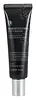
This anti-aging eye moisturizer is formulated around Galactomyces Ferment Filtrate and Lactobacillus/Collagen Ferment Filtrate to soften the look of wrinkles and hydrate skin.
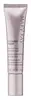
This anti-aging eye moisturizer is formulated around Tetrahexyldecyl Ascorbate and Centella Asiatica Extract to soften the look of wrinkles.


What's inside
What's inside
 Key Ingredients
Benefits
Concerns
Ingredients Side-by-side
Galactomyces Ferment Filtrate
Humectant







Lactobacillus/Collagen Ferment Filtrate
Humectant
Butylene Glycol
Humectant
Caprylic/Capric Triglyceride
Masking
Glycerin
Humectant
Cetearyl Alcohol
Emollient



Cetyl Ethylhexanoate
EmollientMacadamia Integrifolia Seed Oil
Skin Conditioning
Water
Skin Conditioning1,2-Hexanediol
Skin Conditioning
Cetearyl Olivate
Pentylene Glycol
Skin Conditioning
Bifida Ferment Lysate
Skin Conditioning
Ceramide NP
Skin Conditioning
Sorbitan Olivate
Emulsifying
Sorbitan Stearate
Emulsifying
Propanediol
Solvent
Betaine
Humectant
Panthenol
Skin Conditioning
Sodium Hyaluronate
Humectant
Aloe Barbadensis Leaf Extract
Emollient
Althaea Rosea Root Extract
HumectantBeta-Glucan
Skin Conditioning
Copper Tripeptide-1
Skin Conditioning
Palmitoyl Pentapeptide-4
Skin Conditioning
Palmitoyl Tripeptide-1
Skin Conditioning
Hexapeptide-11
Skin Conditioning
Hexapeptide-9
Skin Conditioning
Tripeptide-1
Skin Conditioning
Allantoin
Skin Conditioning
Acrylates/C10-30 Alkyl Acrylate Crosspolymer
Emulsion StabilisingIsopentyldiol
Humectant
Arginine
Masking
Sucrose Palmitate
EmollientSodium Surfactin
CleansingAdenosine
Skin Conditioning
Caprylyl Glycol
Emollient
Citrus Paradisi Fruit Extract
Skin ConditioningTocopherol
Antioxidant


Schisandra Chinensis Fruit Extract
Skin Conditioning
Perilla Ocymoides Leaf Extract
TonicAcorus Calamus Root Extract
Perfuming
Polyglyceryl-10 Laurate
Skin Conditioning
Galactomyces Ferment Filtrate, Lactobacillus/Collagen Ferment Filtrate, Butylene Glycol, Caprylic/Capric Triglyceride, Glycerin, Cetearyl Alcohol, Cetyl Ethylhexanoate, Macadamia Integrifolia Seed Oil, Water, 1,2-Hexanediol, Cetearyl Olivate, Pentylene Glycol, Bifida Ferment Lysate, Ceramide NP, Sorbitan Olivate, Sorbitan Stearate, Propanediol, Betaine, Panthenol, Sodium Hyaluronate, Aloe Barbadensis Leaf Extract, Althaea Rosea Root Extract, Beta-Glucan, Copper Tripeptide-1, Palmitoyl Pentapeptide-4, Palmitoyl Tripeptide-1, Hexapeptide-11, Hexapeptide-9, Tripeptide-1, Allantoin, Acrylates/C10-30 Alkyl Acrylate Crosspolymer, Isopentyldiol, Arginine, Sucrose Palmitate, Sodium Surfactin, Adenosine, Caprylyl Glycol, Citrus Paradisi Fruit Extract, Tocopherol, Schisandra Chinensis Fruit Extract, Perilla Ocymoides Leaf Extract, Acorus Calamus Root Extract, Polyglyceryl-10 Laurate
Water
Skin ConditioningGlycerin
Humectant
Petrolatum
Emollient
Paraffinum Liquidum
Emollient
Hydrogenated Polydecene
EmollientCetyl Esters
Emollient
Bis-Diglyceryl Polyacyladipate-2
Emollient
Butylene Glycol
Humectant
Hydrogenated Polyisobutene
EmollientSorbitan Olivate
Emulsifying
Cetearyl Olivate
Hexyldecanol
Emollient
Cetyl Palmitate
Emollient
Tetrahexyldecyl Ascorbate
Antioxidant

Magnolia Grandiflora Bark Extract
Antimicrobial
Centella Asiatica Extract
Cleansing
Bisabolol
Antioxidant
Hesperidin Methyl Chalcone
Antioxidant
Pisum Sativum Extract
Skin ConditioningCitrus Grandis Peel Extract
Astringent
Magnolia Biondii Flower Extract
Skin ConditioningTetradecyl Aminobutyroylvalylaminobutyric Urea Trifluoroacetate
Skin ConditioningCentella Asiatica Meristem Cell Culture
Antioxidant
Dipeptide-2
Skin Conditioning
Palmitoyl Tetrapeptide-7
Skin Conditioning
Tripeptide-1
Skin Conditioning
Brassica Campestris Sterols
EmollientTocopheryl Acetate
Antioxidant
Steareth-20
CleansingStearic Acid
Cleansing
Propylene Glycol
Humectant
Cetylhydroxyproline Palmitamide
Skin ConditioningSorbitan Palmitate
Emulsifying
Acrylates/C10-30 Alkyl Acrylate Crosspolymer
Emulsion StabilisingCetearyl Alcohol
Emollient
Ceteareth-20
Cleansing
Triethanolamine
BufferingDisodium EDTA
Silica
Abrasive

Ethylene/Methacrylate Copolymer
Isopropyl Titanium Triisostearate
Emollient
Hydroxypropyl Cyclodextrin
MaskingSodium Citrate
BufferingPotassium Benzoate
Preservative
Chlorhexidine Digluconate
Antimicrobial
Phenoxyethanol
Preservative
Diazolidinyl Urea
Preservative
Iodopropynyl Butylcarbamate
Preservative
Magnesium Chloride
Water, Glycerin, Petrolatum, Paraffinum Liquidum, Hydrogenated Polydecene, Cetyl Esters, Bis-Diglyceryl Polyacyladipate-2, Butylene Glycol, Hydrogenated Polyisobutene, Sorbitan Olivate, Cetearyl Olivate, Hexyldecanol, Cetyl Palmitate, Tetrahexyldecyl Ascorbate, Magnolia Grandiflora Bark Extract, Centella Asiatica Extract, Bisabolol, Hesperidin Methyl Chalcone, Pisum Sativum Extract, Citrus Grandis Peel Extract, Magnolia Biondii Flower Extract, Tetradecyl Aminobutyroylvalylaminobutyric Urea Trifluoroacetate, Centella Asiatica Meristem Cell Culture, Dipeptide-2, Palmitoyl Tetrapeptide-7, Tripeptide-1, Brassica Campestris Sterols, Tocopheryl Acetate, Steareth-20, Stearic Acid, Propylene Glycol, Cetylhydroxyproline Palmitamide, Sorbitan Palmitate, Acrylates/C10-30 Alkyl Acrylate Crosspolymer, Cetearyl Alcohol, Ceteareth-20, Triethanolamine, Disodium EDTA, Silica, Ethylene/Methacrylate Copolymer, Isopropyl Titanium Triisostearate, Hydroxypropyl Cyclodextrin, Sodium Citrate, Potassium Benzoate, Chlorhexidine Digluconate, Phenoxyethanol, Diazolidinyl Urea, Iodopropynyl Butylcarbamate, Magnesium Chloride
Reviews
Ingredients Explained
These ingredients are found in both products.
Ingredients higher up in an ingredient list are typically present in a larger amount.
Acrylates/C10-30 Alkyl Acrylate Crosspolymer is a synthetic polymer. It is used to thicken, emulsify, and improve the texture of products.
As an emulsifier, it helps stabilize oil-in-water emulsions to give products an elegant feel when applied.
It can also form a thin protective film on skin. One study found that a formula using this polymer helped slow down how quickly other ingredients (like DEET) were absorbed through skin.
A 2024 study of over 1,300 patients confirmed that sensitization to this ingredient is rare. It is also non-mutagenic and has a clean track record.
Learn more about Acrylates/C10-30 Alkyl Acrylate CrosspolymerButylene Glycol (or BG) is used within cosmetic products for a few different reasons:
Overall, Butylene Glycol is a safe and well-rounded ingredient that works well with other ingredients.
Though this ingredient works well with most skin types, some people with sensitive skin may experience a reaction such as allergic rashes, closed comedones, or itchiness.
Learn more about Butylene GlycolCetearyl alcohol is a waxy mixture of two fatty alcohols: cetyl alcohol and stearyl alcohol. It is an emollient and emulsifier.
Despite having "alcohol" in its name, it has nothing to do with drying solvent alcohols; the FDA also allows "alcohol-free" products to contain fatty alcohols like this ingredient.
It plays several roles in a formula:
Typical use levels for this ingredient sit around 1-10% and the Cosmetic Ingredient Review Expert Panel has affirmed safety at concentrations up to 25% in leave-on products.
Multiple assessments have found it to be non-irritating and non-sensitizing to most people.
However, there have been some cases of allergic contact dermatitis in patients with chronically compromised skin barriers.
Cetearyl alcohol has a comedogenic rating of 2 and irritancy rating of 1. Both of these numbers come from the 1989 study that used rabbit ears; a "2" means mildly comedogenic and a "1" means low irritancy.
Here's the catch: rabbit skin is more sensitive than human skin and throws a lot of false positives. A 1996 reappraisal found that ingredients rated 1-2 in the rabbit ear tests are generally safe for humans.
Remember comedogenic ratings are unable to assess the entire formula of a product or how it will react on your skin. Just be sure to patch test if you are unsure about certain ingredients.
This ingredient is not fungal acne safe. Cetearyl alcohol is a fatty alcohol with chain lengths that fall within the range that Malassezia can metabolize.
A 2019 study has also observed Malassezia growth in the presence of this ingredient, confirming it to be not-fungal acne safe.
Learn more about Cetearyl AlcoholCetearyl Olivate is a plant-derived emulsifier and texture enhancer. It helps keep the oil and water phases from separating so your formulas stay stable.
You'll likely see it combined with Sorbitan Olivate (together sold as the trade name Olivem 1000). This combination generates a liquid crystal structure that closely resemble the lipid organization of the stratum corneum.
These "skin-like" liquid crystals improve skin barrier integrity and promote the delivery of actives into the skin.
This ingredient is well-tolerated and has no significant sensitization data.
Because it is derived from the fatty acids in olive oil, this ingredient may not be fungal acne safe.
Learn more about Cetearyl OlivateGlycerin (or glycerol) is a compound naturally found in your skin. It's a powerhouse humectant that pulls water into the stratum corneum.
Topically, glycerin does several things at once:
Your skin makes glycerin on its own (mostly from sebaceous oil breakdown) and shuttles it to your outermost layer of skin, or your epidermis, via aquaporin-3.
Aquaporin-3 is a transporter that is essential for normal skin hydration, elasticity, and repair. Interestingly, mice lacking in AQP3 have dry and less elastic skin that can be fully corrected with glycerin.
This ingredient is non-irritating, plays well with almost every ingredient, and works across all skin types. Typical use is anywhere between 3-10% but can go up to 79% in some leave-on products.
Just know very high concentrations (>40%) can feel tacky in low humidity.
Glycerin is the name for this ingredient in American English. British English uses Glycerol/Glycerine.
Learn more about GlycerinSorbitan Olivate is created from the fatty acids in olive oil and sorbitol.
This ingredient is an oil in water emulsifier. It helps stabilize a product by preventing oils and waters from separating. Sorbitan Olivate also helps hydrate the skin.
This ingredient is also known as part of Olivem 1000, with Cetearyl Olivate being the other part.
According to a manufacturer, this ingredient helps preserve the natural microbiome of skin. Having a healthy microbiome helps keep our skin healthy and protects against harmful bacteria.
Please note, having a healthy microbiome is different from fungal acne; a healthy microbiome includes small amounts of yeast that normally live on your skin without causing problems.
Fungal acne happens when one type of yeast (Malassezia) grows out of control. This is usually because it's feeding on certain oils or fatty acids. Due to the olive oil base, this ingredient may not be fungal acne safe.
Learn more about Sorbitan OlivateTripeptide-1, also known as GHK), is a small, three-amino-acid peptide made up of glycine, histidine, and lysine.
This ingredient is a signal peptide and tell your skin to start producing fresh collagen, elastin, and other key structural proteins. This helps maintain firmness and reduces the look of fine-lines/wrinkles.
GHK is also unique because is also acts as a carrier peptide. It binds to and transports copper ions (forming the complex GHK-Cu). This form has been studied for decades and is known to stimulate wound healing, boost antioxidant defenses, and promote collagen/elastin synthesis.
In-vitro studies show both GHK and GHK-CU increase fibroblast activity that enhances the production of collagen, elastin, fibronectin, and other extracellular matrix components.
Both of these compounds also help balance enzymes that control collagen breakdown.
Human studies (in-vivo) using GHK-Cu creams have reported visible improvements to skin density, elasticity, and wrinkle depth after several weeks of use.
A small clinical study also found topical collagen tripeptide improved wrinkle appearance and skin elasticity in women after four weeks.
While these results are promising, most research is based on GHK-Cu or its derivatives rather than Tripeptide-1 alone (Palmitoyl Tripeptide-1 is a famous derivative of GHK). However, the consensus still supports GHK as a potent skin-signaling molecule that can encourage regeneration and maintain youthful looking skin.
Fun fact: GHK is a naturally occurring fragment of type 1 collagen that can be found in human plasma, saliva, and urine.
Learn more about Tripeptide-1Water. It's the most common cosmetic ingredient of all. You'll usually see it at the top of ingredient lists, meaning that it makes up the largest part of the product.
So why is it so popular? Water most often acts as a solvent - this means that it helps dissolve other ingredients into the formulation.
You'll also recognize water as that liquid we all need to stay alive. If you see this, drink a glass of water. Remember to stay hydrated!
Learn more about Water

