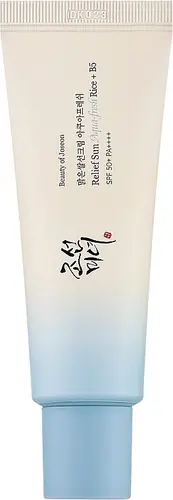


What's inside
What's inside
 Key Ingredients
Benefits
Concerns
Ingredients Side-by-side
Water
Skin ConditioningOryza Sativa Seed Water
Antimicrobial
Dibutyl Adipate
EmollientButyloctyl Salicylate
Skin Conditioning
Ethylhexyl Triazone
UV Absorber
1,2-Hexanediol
Skin Conditioning
Drometrizole Trisiloxane
UV Absorber
Polyglyceryl-3 Distearate
Emulsifying

Terephthalylidene Dicamphor Sulfonic Acid
UV Absorber
Diethylamino Hydroxybenzoyl Hexyl Benzoate
UV Filter
Polymethylsilsesquioxane
Tromethamine
BufferingPanthenol
Skin Conditioning



Pentylene Glycol
Skin Conditioning
Glyceryl Stearate
Emollient
Silica
Abrasive


Caprylyl Methicone
Skin Conditioning
Avena Sativa Kernel Extract
Abrasive
Cynara Scolymus Leaf Extract
Skin ConditioningCamellia Sinensis Leaf Water
Masking
Hydrogenated Lecithin
Emulsifying
Oryza Sativa Bran Oil
Emollient
Sodium Hyaluronate
Humectant

Bis-Ethylhexyloxyphenol Methoxyphenyl Triazine
Skin Conditioning
Propanediol
Solvent
Potassium Cetyl Phosphate
EmulsifyingPoly C10-30 Alkyl Acrylate
Emulsion StabilisingMethylpropanediol
SolventCarbomer
Emulsion StabilisingAcrylates/C10-30 Alkyl Acrylate Crosspolymer
Emulsion StabilisingEthylhexylglycerin
Skin ConditioningXanthan Gum
EmulsifyingGlycerin
Humectant
Polyether-1
Polyquaternium-51
Skin Conditioning
Beta-Glucan
Skin Conditioning
Biosaccharide Gum-1
Humectant
Inositol
Humectant
Tocopherol
Antioxidant


Ferulic Acid
Antimicrobial
Citric Acid
Buffering
Ceramide NP
Skin Conditioning
Phytosphingosine
Skin Conditioning
Rice Amino Acids
Skin Conditioning
Rice Sh-Oligopeptide-1
Skin Conditioning
Water, Oryza Sativa Seed Water, Dibutyl Adipate, Butyloctyl Salicylate, Ethylhexyl Triazone, 1,2-Hexanediol, Drometrizole Trisiloxane, Polyglyceryl-3 Distearate, Terephthalylidene Dicamphor Sulfonic Acid, Diethylamino Hydroxybenzoyl Hexyl Benzoate, Polymethylsilsesquioxane, Tromethamine, Panthenol, Pentylene Glycol, Glyceryl Stearate, Silica, Caprylyl Methicone, Avena Sativa Kernel Extract, Cynara Scolymus Leaf Extract, Camellia Sinensis Leaf Water, Hydrogenated Lecithin, Oryza Sativa Bran Oil, Sodium Hyaluronate, Bis-Ethylhexyloxyphenol Methoxyphenyl Triazine, Propanediol, Potassium Cetyl Phosphate, Poly C10-30 Alkyl Acrylate, Methylpropanediol, Carbomer, Acrylates/C10-30 Alkyl Acrylate Crosspolymer, Ethylhexylglycerin, Xanthan Gum, Glycerin, Polyether-1, Polyquaternium-51, Beta-Glucan, Biosaccharide Gum-1, Inositol, Tocopherol, Ferulic Acid, Citric Acid, Ceramide NP, Phytosphingosine, Rice Amino Acids, Rice Sh-Oligopeptide-1
Water
Skin ConditioningEthylhexyl Methoxycinnamate
UV Absorber
Butyl Methoxydibenzoylmethane
UV Absorber
Benzophenone-3
UV Absorber
Phospholipids
Skin Conditioning
Butylene Glycol
Humectant
Niacinamide
Smoothing


Behenyl Alcohol
Emollient
Propylene Glycol
Humectant
Dimethicone/Vinyl Dimethicone Crosspolymer
Skin Conditioning
Isododecane
EmollientC13-15 Alkane
SolventCyclopentasiloxane
Emollient
Cetearyl Dimethicone/Vinyl Dimethicone Crosspolymer
Emollient
Alpha-Arbutin
Antioxidant
Mangifera Indica Fruit Extract
Skin ConditioningMethylene Bis-Benzotriazolyl Tetramethylbutylphenol
UV Filter
Decyl Glucoside
Cleansing
Xanthan Gum
EmulsifyingTitanium Dioxide
Cosmetic Colorant
Silica
Abrasive
Bisabolol
Antioxidant
Tocopheryl Acetate
Antioxidant
Panthenol
Skin Conditioning
Cetyl Palmitate
Emollient
Cetearyl Alcohol
Emollient

Potassium Cetyl Phosphate
EmulsifyingSodium Stearoyl Glutamate
CleansingDimethicone
Emollient
Polysilicone-11
Ammonium Acryloyldimethyltaurate/Vp Copolymer
Zea Mays Starch
Absorbent
Disodium EDTA
Phenoxyethanol
Preservative
Ethylhexylglycerin
Skin ConditioningWater, Ethylhexyl Methoxycinnamate, Butyl Methoxydibenzoylmethane, Benzophenone-3, Phospholipids, Butylene Glycol, Niacinamide, Behenyl Alcohol, Propylene Glycol, Dimethicone/Vinyl Dimethicone Crosspolymer, Isododecane, C13-15 Alkane, Cyclopentasiloxane, Cetearyl Dimethicone/Vinyl Dimethicone Crosspolymer, Alpha-Arbutin, Mangifera Indica Fruit Extract, Methylene Bis-Benzotriazolyl Tetramethylbutylphenol, Decyl Glucoside, Xanthan Gum, Titanium Dioxide, Silica, Bisabolol, Tocopheryl Acetate, Panthenol, Cetyl Palmitate, Cetearyl Alcohol, Potassium Cetyl Phosphate, Sodium Stearoyl Glutamate, Dimethicone, Polysilicone-11, Ammonium Acryloyldimethyltaurate/Vp Copolymer, Zea Mays Starch, Disodium EDTA, Phenoxyethanol, Ethylhexylglycerin
Reviews
Ingredients Explained
These ingredients are found in both products.
Ingredients higher up in an ingredient list are typically present in a larger amount.
Ethylhexylglycerin is created from glycerin. It is a multitasker ingredient that:
The CIR Expert Panel found minimal skin absorption or sensitization of any kind in a safety assessment. Though this ingredient is considered well-tolerated, a small number of cases of allergic dermatitis have been published since 2002. Just be sure to patch test if you are unsure.
Industry-reported use ranges from 8% in rinse-off products and 2% in leave-on formulations.
Learn more about EthylhexylglycerinPanthenol is a common ingredient that helps hydrate and soothe the skin. It is found naturally in our skin and hair.
There are two forms of panthenol: D and L.
D-panthenol is also known as dexpanthenol. Most cosmetics use dexpanthenol or a mixture of D and L-panthenol.
Panthenol is famous due to its ability to go deeper into the skin's layers. Using this ingredient has numerous pros (and no cons):
Like hyaluronic acid, panthenol is a humectant. Humectants are able to bind and hold large amounts of water to keep skin hydrated.
This ingredient works well for wound healing. It works by increasing tissue in the wound and helps close open wounds.
Once oxidized, panthenol converts to pantothenic acid. Panthothenic acid is found in all living cells.
This ingredient is also referred to as pro-vitamin B5.
Learn more about PanthenolPotassium Cetyl Phosphate is the potassium salt of a mixture. This mixture consists of the esters from phosphoricacid and cetyl alcohol.
Potassium Cetyl Phosphate is an emulsifier and cleansing agent. Emulsifiers help stabilize a product. It does this by preventing certain ingredients from separating.
As a cleansing agent, Potassium Cetyl Phosphate helps gather oils, dirts, and pollutants from your skin. This makes it easier to rinse them away with water.
Learn more about Potassium Cetyl PhosphateSilica, also known as silicon dioxide, is a naturally occurring mineral. It is used as a fine, spherical, and porous powder in cosmetics.
Though it has exfoliant properties, the function of silica varies depending on the product.
The unique structure of silica enhances the spreadability and adds smoothness, making it a great texture enhancer.
It is also used as an active carrier, emulsifier, and mattifier due to its ability to absorb excess oil.
In some products, tiny microneedles called spicules are made from silica or hydrolyzed sponge. When you rub them in, they lightly polish away dead skin layers and enhance the penetration of active ingredients.
Learn more about SilicaWater. It's the most common cosmetic ingredient of all. You'll usually see it at the top of ingredient lists, meaning that it makes up the largest part of the product.
So why is it so popular? Water most often acts as a solvent - this means that it helps dissolve other ingredients into the formulation.
You'll also recognize water as that liquid we all need to stay alive. If you see this, drink a glass of water. Remember to stay hydrated!
Learn more about WaterXanthan gum is used as a stabilizer and thickener within cosmetic products. It helps give products a sticky, thick feeling - preventing them from being too runny.
On the technical side of things, xanthan gum is a polysaccharide - a combination consisting of multiple sugar molecules bonded together.
Xanthan gum is a pretty common and great ingredient. It is a natural, non-toxic, non-irritating ingredient that is also commonly used in food products.
Learn more about Xanthan Gum

