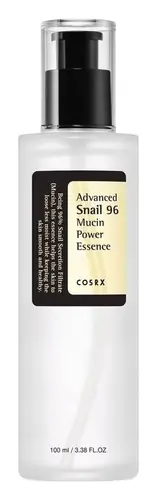
This anti-aging eye moisturizer is formulated around Caffeine and Palmitoyl Tripeptide-5 to soften the look of wrinkles and calm redness.
This anti-aging eye moisturizer is formulated around Palmitoyl Tetrapeptide-7 and Nicotiana Benthamiana Octapeptide-30 Sh-Oligopeptide-2 to soften the look of wrinkles and refine skin texture.

What's inside
What's inside
 Key Ingredients
Benefits
Concerns
Ingredients Side-by-side
Water
Skin ConditioningC12-15 Alkyl Benzoate
AntimicrobialCetearyl Alcohol
Emollient






Glycerin
Humectant


Polymethylsilsesquioxane

Dimethicone
Emollient
Hdi/Trimethylol Hexyllactone Crosspolymer
Mangifera Indica Seed Butter
Skin Conditioning
Pentylene Glycol
Skin Conditioning
Butyrospermum Parkii Butter
Skin Conditioning
Ammonium Acryloyldimethyltaurate/Vp Copolymer
Mica
Cosmetic ColorantCaffeine
Skin Conditioning

Chrysanthellum Indicum Extract
Skin Conditioning
Dunaliella Salina Extract
Skin ConditioningAscophyllum Nodosum Extract
Skin Conditioning
Avena Sativa Kernel Extract
Abrasive

Panthenol
Skin Conditioning
Saccharide Isomerate
Humectant
Cetearyl Glucoside
Emulsifying
Glyceryl Stearate
Emollient
PEG-100 Stearate
Surfactant
Butylene Glycol
Humectant
Coconut Alkanes
Emollient
Dilinoleic Acid/Propanediol Copolymer
EmollientPolysorbate 60
Emulsifying
Sorbitol
Humectant
Tocopheryl Acetate
Antioxidant

Chlorphenesin
Antimicrobial
Jojoba Alcohol
Emollient
Potassium Jojobate
Skin ConditioningSteareth-20
CleansingHesperidin Methyl Chalcone
Antioxidant
Bisabolol
Antioxidant
Sodium Phytate
ChelatingCoco-Caprylate/Caprate
Emollient
Citric Acid
Buffering
Asparagopsis Armata Extract
Skin Protecting
Silica
Abrasive

Palmitoyl Tripeptide-5
Skin Conditioning

Sodium Hyaluronate
Humectant
N-Hydroxysuccinimide
Skin ConditioningDipeptide-2
Skin Conditioning
Palmitoyl Tetrapeptide-7
Skin Conditioning
Chrysin
Skin ConditioningPalmitoyl Tripeptide-1
Skin Conditioning
Phenoxyethanol
Preservative
Ethylhexylglycerin
Skin ConditioningCaprylyl Glycol
Emollient
T-Butyl Alcohol
Perfuming



Glucose
Humectant
Chlorhexidine Digluconate
Antimicrobial
Sodium Citrate
BufferingPantolactone
Humectant
Sodium Benzoate
Masking
Potassium Sorbate
Preservative
Biotin
AntiseborrhoeicCI 77891
Cosmetic ColorantCI 77491
Cosmetic ColorantCI 16035
Cosmetic ColorantCI 19140
Cosmetic ColorantWater, C12-15 Alkyl Benzoate, Cetearyl Alcohol, Glycerin, Polymethylsilsesquioxane, Dimethicone, Hdi/Trimethylol Hexyllactone Crosspolymer, Mangifera Indica Seed Butter, Pentylene Glycol, Butyrospermum Parkii Butter, Ammonium Acryloyldimethyltaurate/Vp Copolymer, Mica, Caffeine, Chrysanthellum Indicum Extract, Dunaliella Salina Extract, Ascophyllum Nodosum Extract, Avena Sativa Kernel Extract, Panthenol, Saccharide Isomerate, Cetearyl Glucoside, Glyceryl Stearate, PEG-100 Stearate, Butylene Glycol, Coconut Alkanes, Dilinoleic Acid/Propanediol Copolymer, Polysorbate 60, Sorbitol, Tocopheryl Acetate, Chlorphenesin, Jojoba Alcohol, Potassium Jojobate, Steareth-20, Hesperidin Methyl Chalcone, Bisabolol, Sodium Phytate, Coco-Caprylate/Caprate, Citric Acid, Asparagopsis Armata Extract, Silica, Palmitoyl Tripeptide-5, Sodium Hyaluronate, N-Hydroxysuccinimide, Dipeptide-2, Palmitoyl Tetrapeptide-7, Chrysin, Palmitoyl Tripeptide-1, Phenoxyethanol, Ethylhexylglycerin, Caprylyl Glycol, T-Butyl Alcohol, Glucose, Chlorhexidine Digluconate, Sodium Citrate, Pantolactone, Sodium Benzoate, Potassium Sorbate, Biotin, CI 77891, CI 77491, CI 16035, CI 19140
Water
Skin ConditioningPropanediol
Solvent
Glycerin
Humectant
Myristyl Nicotinate
Skin ConditioningDimethicone
Emollient
Pullulan
Maris Aqua
HumectantC12-15 Alkyl Benzoate
AntimicrobialDextrin
AbsorbentPalmitoyl Tetrapeptide-7
Skin Conditioning
Nicotiana Benthamiana Octapeptide-30 Sh-Oligopeptide-2
Skin Conditioning
Dipeptide-2
Skin Conditioning
Caffeine
Skin Conditioning
Terminalia Ferdinandiana Fruit Extract
Antioxidant
Hydrolyzed Rhodophyceae Extract
Nannochloropsis Oculata Extract
HumectantPerilla Ocymoides Leaf Extract
Tonic1,2-Hexanediol
Skin Conditioning
Phospholipids
Skin Conditioning
Sodium Acrylates Copolymer
Bacillus Ferment
Skin Conditioning
Silica
Abrasive
Polymethyl Methacrylate
Polyglyceryl-10 Stearate
Skin Conditioning
Hydrogenated Polydecene
EmollientSteareth-20
CleansingAdenosine
Skin Conditioning
Aloe Barbadensis Leaf Juice
Skin Conditioning
Helianthus Annuus Seed Oil
Emollient
Tetrasodium Glutamate Diacetate
ChelatingHesperidin Methyl Chalcone
Antioxidant
Butylene Glycol
Humectant
Caprylhydroxamic Acid
ChelatingChlorhexidine Digluconate
Antimicrobial
Glyceryl Caprylate
EmollientTocopherol
Antioxidant
Ethylhexylglycerin
Skin ConditioningXanthan Gum
EmulsifyingMica
Cosmetic ColorantCitric Acid
Buffering
Phenoxyethanol
Preservative
Sodium Citrate
BufferingBenzoic Acid
Masking
Sodium Benzoate
Masking
Potassium Sorbate
Preservative
Sodium Hydroxide
BufferingCI 77891
Cosmetic ColorantWater, Propanediol, Glycerin, Myristyl Nicotinate, Dimethicone, Pullulan, Maris Aqua, C12-15 Alkyl Benzoate, Dextrin, Palmitoyl Tetrapeptide-7, Nicotiana Benthamiana Octapeptide-30 Sh-Oligopeptide-2, Dipeptide-2, Caffeine, Terminalia Ferdinandiana Fruit Extract, Hydrolyzed Rhodophyceae Extract, Nannochloropsis Oculata Extract, Perilla Ocymoides Leaf Extract, 1,2-Hexanediol, Phospholipids, Sodium Acrylates Copolymer, Bacillus Ferment, Silica, Polymethyl Methacrylate, Polyglyceryl-10 Stearate, Hydrogenated Polydecene, Steareth-20, Adenosine, Aloe Barbadensis Leaf Juice, Helianthus Annuus Seed Oil, Tetrasodium Glutamate Diacetate, Hesperidin Methyl Chalcone, Butylene Glycol, Caprylhydroxamic Acid, Chlorhexidine Digluconate, Glyceryl Caprylate, Tocopherol, Ethylhexylglycerin, Xanthan Gum, Mica, Citric Acid, Phenoxyethanol, Sodium Citrate, Benzoic Acid, Sodium Benzoate, Potassium Sorbate, Sodium Hydroxide, CI 77891
Reviews
Ingredients Explained
These ingredients are found in both products.
Ingredients higher up in an ingredient list are typically present in a larger amount.
Butylene Glycol (or BG) is used within cosmetic products for a few different reasons:
Overall, Butylene Glycol is a safe and well-rounded ingredient that works well with other ingredients.
Though this ingredient works well with most skin types, some people with sensitive skin may experience a reaction such as allergic rashes, closed comedones, or itchiness.
Learn more about Butylene GlycolC12-15 Alkyl Benzoate is a lightweight emollient made by combinig benzoic acid with fatty alcohols that are 12-15 carbons long.
In cosmetics, it plays several roles:
The Cosmetic Review Expert Panel has concluded the alkyl benzoate group to be safe as used in cosmetics; it wasn't found to be a skin irritant and unlikely to be absorbed due to its low water solubility.
This report recorded almost 1000 reported uses with concentrations up to 59% in leave-on products but your cosmetics will typically use 0.5-15% depending on the product.
It's often called a "SPF booster": this is because it keeps UV filters properly dissolved and evenly distributed to support a sunscreen's performance. It doesn't actually raise SPF on its own.
Overall, this ingredient is well tolerated.
This ingredient is fungal acne safe because it is an ester of benzoic acid.
Think of this ingredient as two parts stuck together: an oily part and an acid part. Malassezia only gets a meal when it can snip off a fatty acid to eat. With C12-15 Alkyl Benzoate, the acid part is benzoic acid, which isn't a fatty acid and which the yeast can't use as food.
Benzoic acid is actually used as a preservative to stop yeast from growing.
The oily part is a blend of C12-15 fatty alcohols but fatty alcohols in this size range can support only a little Malassezia growth (mostly for one species of Malassezia as well).
In the ingredient, those alcohols stay locked inside the molecule. The yeast can only reach them by snipping the benzoate bond, and that type of bond is harder for it to cut than a normal fatty bond.
So not much gets released. And whatever does get snipped comes packaged with benzoic acid, which discourages yeast growth.
Learn more about C12-15 Alkyl BenzoateCaffeine is a naturally occurring plant compound found in coffee beans, tea leaves, cocoa pods, and guarana.
As an antioxidant, caffeine protects your skin from free radical damage caused by UV exposure and envionrmnetal stressors.
Early research also shows that caffeine can help calm redness, soothe irritated skin, and support hair growth by stimulating microcirculation in the scalp.
You might have seen eye creams marketing caffeine as a depuffing ingredient. This is because it is a vasoconstrictor meaning it can temporarily constrict blood vessels, though clinical evidence for this specific use is still limited.
Most skincare products contain this ingredient at concentrations between 1-6%. It is able to penetrate skin easily regardless of skin type or thickness.
Just so you know, a very small number of case reports describe caffeine-induced allergy. This ingredient is generally well-tolerated, non-irritating, and non-sensitizing for the majority of people.
Learn more about CaffeineChlorhexidine Digluconate is a preservative.
Ci 77891 is a white pigment from Titanium dioxide. It is naturally found in minerals such as rutile and ilmenite.
It's main function is to add a white color to cosmetics. It can also be mixed with other colors to create different shades.
Ci 77891 is commonly found in sunscreens due to its ability to block UV rays.
Learn more about CI 77891Citric Acid is an alpha hydroxy acid (AHA) naturally found in citrus fruits like oranges, lemons, and limes.
Like other AHAs, citric acid can exfoliate skin by breaking down the bonds that hold dead skin cells together. This helps reveal smoother and brighter skin underneath.
However, this exfoliating effect only happens at high concentrations (20%) which can be hard to find in cosmetic products.
Due to this, citric acid is usually included in small amounts as a pH adjuster. This helps keep products slightly more acidic and compatible with skin's natural pH.
In skincare formulas, citric acid can:
While it can provide some skin benefits, research shows lactic acid and glycolic acid are generally more effective and less irritating exfoliants.
Most citric acid used in skincare today is made by fermenting sugars (usually from molasses). This synthetic version is identical to the natural citrus form but easier to stabilize and use in formulations.
Rosacea skin has a lower threshold for acids generally, with 62.5% of rosacea subjects in one study reacting to lactic acid in a sting test. This is why we mark citric acid as a potential rosacea trigger.
However, this ingredient shows up as a pH adjuster or chelator at roughly 0.1-1% in many products. These low levels are unlikely to be an issue for rosacea skin and becomes a potential trigger at exfoliating concentrations (20%). Because everybody's skin is unique, we recommend a patch test if you are unsure.
Learn more about Citric AcidDimethicone is a type of synthetic silicone created from natural materials such as quartz. It is also known as polydimethylsiloxane.
What it does:
Dimethicone comes in different viscosities:
Depending on the viscosity, dimethicone has different properties.
Ingredients lists don't always show which type is used, so we recommend reaching out to the brand if you have questions about the viscosity.
This ingredient is unlikely to cause irritation because it does not get absorbed into skin. However, people with silicone allergies should be careful about using this ingredient.
Note: Dimethicone may contribute to pilling. This is because it is not oil or water soluble, so pilling may occur when layered with products. When mixed with heavy oils in a formula, the outcome is also quite greasy.
Learn more about DimethiconeDipeptide-2 is a peptide. It can help to reduce the effects of aging.
Ethylhexylglycerin is created from glycerin. It is a multitasker ingredient that:
The CIR Expert Panel found minimal skin absorption or sensitization of any kind in a safety assessment. Though this ingredient is considered well-tolerated, a small number of cases of allergic dermatitis have been published since 2002. Just be sure to patch test if you are unsure.
Industry-reported use ranges from 8% in rinse-off products and 2% in leave-on formulations.
Learn more about EthylhexylglycerinGlycerin (or glycerol) is a compound naturally found in your skin. It's a powerhouse humectant that pulls water into the stratum corneum.
Topically, glycerin does several things at once:
Your skin makes glycerin on its own (mostly from sebaceous oil breakdown) and shuttles it to your outermost layer of skin, or your epidermis, via aquaporin-3.
Aquaporin-3 is a transporter that is essential for normal skin hydration, elasticity, and repair. Interestingly, mice lacking in AQP3 have dry and less elastic skin that can be fully corrected with glycerin.
This ingredient is non-irritating, plays well with almost every ingredient, and works across all skin types. Typical use is anywhere between 3-10% but can go up to 79% in some leave-on products.
Just know very high concentrations (>40%) can feel tacky in low humidity.
Glycerin is the name for this ingredient in American English. British English uses Glycerol/Glycerine.
Learn more about GlycerinHesperidin Methyl Chalcone (HMC) is a modified form of hesperidin, a citrus flavonoid. It has antioxidant properties.
In preclinical research, HMC has been studied for its ability to reduce oxidative stress and inflammation related to UVB exposure. Outside of cosmetics, HMC has been looked at for its effects on capillary leakage and swelling. This is why you'll often see this ingredient in eye creams.
Overall, HMC is a gentle and supportive ingredient. Further research is needed on the claims that this ingredient can "erase dark circles".
Learn more about Hesperidin Methyl ChalconeMica is a naturally occurring mineral used to add shimmer and color in cosmetics. It can also help improve the texture of a product or give it an opaque, white/silver color.
Serecite is the name for very fine but ragged grains of mica.
This ingredient is often coated with metal oxides like titanium dioxide. Trace amounts of heavy metals may be found in mica, but these metals are not harmful in our personal products.
Mica has been used since prehistoric times throughout the world. Ancient Egyptian, Indian, Greek, Roman, Aztec, and Chinese civilizations have used mica.
Learn more about MicaPalmitoyl Tetrapeptide-7 (formerly Palmitoyl Tetrapeptide-3) is a synthetic peptide. Its main job is to fight what researchers call "inflammaging".
"Inflammaging" is the slow, low-grade chronic inflammation that quietly breaks down collagen as we age.
This ingredient calms down a specific inflammation signal in your skin cells (called IL-6). When left unchecked, this signal triggers enzymes that break down collagen and elastin.
Clinical testing showed statistically significant improvements in:
Studies also found the more of this ingredient used, the more your skin produces Collagen I, fibronectin, and hyaluronic acid.
You'll likely see this ingredient paired with Palmitoyl Tripeptide-1 in the well-known Matrixyl 3000 complex for enhanced anti-aging effects.
A 3% concentration applied twice daily for two months showed meaningful skin rejuvenation results in clinical panels.
Fungal acne note:
Usually a palmitic acid component can feed Malassezia in unbound form, but here is is covalently bonded to the peptide. This means it is very difficult for Malassezia to access, and therefore very unlikely to cause fungal acne.
Phenoxyethanol is one of the most widely used preservatives in skincare (and for good reason!).
It has a large spectrum of antimicrobial activity and especially effective bacteria, yeast, and mold while only having a weak effect on your skin's natural microbiome.
On a cellular level, it disrupts the cell membranes of microbes by poking holes that make the cell leak. This shuts down the chemical reactions the microbe needs to make energy so it can no longer survive.
Another perk of this ingredient is that it stays functional across a wide pH range (3-10).
You'll often see it paired with boosters like Ethylhexylglycerin; one study showed that a 1:9 ratio of Ethylhexylglycerin to Phenoxyethanol damages bacterial membranes as effectively as doubling the Phenoxyethanol concentration on its own.
Typical use concentrations range from 0.3-1% depending on the formula, and this ingredient is capped at 1% int the EU.
Safety-wise, the fear mongering does not hold up to the evidence. The EU's Scientific Committee on Consumer Safety and FDA consider it safe as a preservative at up to 1%, including for children of all ages.
Adverse systemic effects only showed up in animal studies at exposures roughly 200x higher than what people get from cosmetics. And despite its very widespread use, this ingredient is a rare sensitizer and allergic reactions are uncommon.
Learn more about PhenoxyethanolPotassium Sorbate is a preservative used to prevent yeast and mold in products. It is commonly found in both cosmetic and food products.
This ingredient comes from potassium salt derived from sorbic acid. Sorbic acid is a natural antibiotic and effective against fungus.
Both potassium sorbate and sorbic acid can be found in baked goods, cheeses, dried meats, dried fruit, ice cream, pickles, wine, yogurt, and more.
You'll often find this ingredient used with other preservatives.
Learn more about Potassium SorbateSilica, also known as silicon dioxide, is a naturally occurring mineral. It is used as a fine, spherical, and porous powder in cosmetics.
Though it has exfoliant properties, the function of silica varies depending on the product.
The unique structure of silica enhances the spreadability and adds smoothness, making it a great texture enhancer.
It is also used as an active carrier, emulsifier, and mattifier due to its ability to absorb excess oil.
In some products, tiny microneedles called spicules are made from silica or hydrolyzed sponge. When you rub them in, they lightly polish away dead skin layers and enhance the penetration of active ingredients.
Learn more about SilicaSodium Benzoate is a preservative. It's used in both cosmetic and food products to inhibit the growth of mold and bacteria. It is typically produced synthetically.
Both the US FDA and EU Health Committee have approved the use of sodium benzoate. In the US, levels of 0.1% (of the total product) are allowed.
Sodium benzoate works as a preservative by inhibiting the growth of bacteria inside of cells. It prevents the cell from fermenting a type of sugar using an enzyme called phosphofructokinase.
It is the salt of benzoic acid. Foods containing sodium benzoate include soda, salad dressings, condiments, fruit juices, wines, and snack foods.
Studies for using ascorbic acid and sodium benzoate in cosmetics are lacking, especially in skincare routines with multiple steps.
We always recommend speaking with a professional, such as a dermatologist, if you have any concerns.
Learn more about Sodium BenzoateSodium Citrate is the sodium salts of citric acid. In skincare, it is used to alter pH levels and acts as a preservative.
Its main functions are to maintain the pH of a product and neutralize metal ions.
The acidity of our skin is maintained by our glands and skin biome; normal pH level of skin is slightly acidic (~4.75-5.5).
Being slightly acidic allows our skin to create an "acid mantle". This acid mantle is a thin barrier that protects our skin from bacteria and contaminants.
Learn more about Sodium CitrateSteareth-20 is an emulsifier and solubilizer. It is created from stearyl alcohol with ~20 units of ethylene oxide to give it a strong preference for water.
As an emulsifier, it helps oil-in-water emulsions like lotions, creams, and cleansers stay stable. It also solubilizes small amounts of oil-loving ingredients (like fragrance) into water-based formulas.
You'll likely find this ingredient with steareth-2 (it's oil-loving sister) where the two work together to give products a cushiony feel.
Typical use levels sit at around 1-5% and this ingredient has been found to be non-irritating by the CIR Expert Panel.
Learn more about Steareth-20Water. It's the most common cosmetic ingredient of all. You'll usually see it at the top of ingredient lists, meaning that it makes up the largest part of the product.
So why is it so popular? Water most often acts as a solvent - this means that it helps dissolve other ingredients into the formulation.
You'll also recognize water as that liquid we all need to stay alive. If you see this, drink a glass of water. Remember to stay hydrated!
Learn more about Water