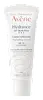
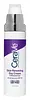
Avène Hydrance UV Rich Hydrating Cream SPF 30 Versus CeraVe Skin Renewing Day Cream With Broad Spectrum SPF 30
This barrier-repair day moisturizer is formulated around Butyrospermum Parkii Butter and Phytosterols to strengthen the skin barrier and hydrate skin.
This anti-aging day moisturizer is formulated around Ceramide NP and Retinol to soften the look of wrinkles and strengthen the skin barrier.


What's inside
What's inside
 Key Ingredients
Benefits
Concerns
Ingredients Side-by-side
Water
Skin ConditioningC12-15 Alkyl Benzoate
AntimicrobialDicaprylyl Carbonate
EmollientDiisopropyl Adipate
EmollientGlycerin
Humectant


Methylene Bis-Benzotriazolyl Tetramethylbutylphenol
UV Filter
Bis-Ethylhexyloxyphenol Methoxyphenyl Triazine
Skin Conditioning
Diethylhexyl Butamido Triazone
UV Absorber
Polymethyl Methacrylate

Butyl Methoxydibenzoylmethane
UV Absorber
Butyrospermum Parkii Butter
Skin Conditioning




Methyl Gluceth-20
Humectant
Isocetyl Stearoyl Stearate
Emollient
Triethylhexanoin
MaskingHydrogenated Starch Hydrolysate
HumectantC10-18 Triglycerides
Emollient
Glyceryl Stearate
Emollient
PEG-100 Stearate
Surfactant
Potassium Cetyl Phosphate
EmulsifyingBenzoic Acid
Masking
Caprylic/Capric Triglyceride
Masking
Caprylyl Glycol
Emollient
Decyl Glucoside
Cleansing
Disodium EDTA
Parfum
Masking


Glyceryl Behenate
Emollient
Glyceryl Dibehenate
Emollient
Phytosterols
Skin Conditioning
Polyacrylate-13
Polyisobutene
Polysorbate 20
Emulsifying
Propylene Glycol
Humectant
Sorbitan Isostearate
Emulsifying
Stearyl Alcohol
Emollient
Tocopherol
Antioxidant





Tocopheryl Glucoside
EmollientTribehenin
Emollient
Xanthan Gum
EmulsifyingWater, C12-15 Alkyl Benzoate, Dicaprylyl Carbonate, Diisopropyl Adipate, Glycerin, Methylene Bis-Benzotriazolyl Tetramethylbutylphenol, Bis-Ethylhexyloxyphenol Methoxyphenyl Triazine, Diethylhexyl Butamido Triazone, Polymethyl Methacrylate, Butyl Methoxydibenzoylmethane, Butyrospermum Parkii Butter, Methyl Gluceth-20, Isocetyl Stearoyl Stearate, Triethylhexanoin, Hydrogenated Starch Hydrolysate, C10-18 Triglycerides, Glyceryl Stearate, PEG-100 Stearate, Potassium Cetyl Phosphate, Benzoic Acid, Caprylic/Capric Triglyceride, Caprylyl Glycol, Decyl Glucoside, Disodium EDTA, Parfum, Glyceryl Behenate, Glyceryl Dibehenate, Phytosterols, Polyacrylate-13, Polyisobutene, Polysorbate 20, Propylene Glycol, Sorbitan Isostearate, Stearyl Alcohol, Tocopherol, Tocopheryl Glucoside, Tribehenin, Xanthan Gum
Ethylhexyl Methoxycinnamate 7.5%
UV Absorber
Zinc Oxide 10.5%
Cosmetic Colorant
Water
Skin ConditioningCyclomethicone
Emollient
Pentylene Glycol
Skin Conditioning
Phenyl Trimethicone
Skin Conditioning
Cetearyl Alcohol
Emollient
PEG-40 Stearate
Emulsifying
Dimethicone
Emollient
Glycerin
Humectant
Stearyl Alcohol
Emollient
Phenoxyethanol
Preservative
BHT
Antioxidant
Squalane
Emollient
Potassium Cetyl Phosphate
EmulsifyingPotassium Phosphate
BufferingCeramide NP
Skin Conditioning
Ceramide AP
Skin Conditioning
Ceramide EOP
Skin Conditioning
Sorbitan Isostearate
Emulsifying
Carbomer
Emulsion StabilisingDimethicone Crosspolymer
Emulsion Stabilising
Behentrimonium Methosulfate
SurfactantCeteareth-20
CleansingSodium Polyacrylate
Absorbent
Lecithin
Emollient
Retinol
Skin Conditioning



Sodium Lauroyl Lactylate
EmulsifyingCholesterol
Emollient
Disodium EDTA
Chlorphenesin
Antimicrobial
Alcohol
Antimicrobial

Hydroxyethyl Acrylate/Sodium Acryloyldimethyl Taurate Copolymer
Emulsion StabilisingCitric Acid
Buffering
Hydrogenated Palm Glycerides
Emollient
Tetrahexyldecyl Ascorbate
Antioxidant
Hydrolyzed Hyaluronic Acid
Humectant
Iris Florentina Root Extract
MaskingXanthan Gum
EmulsifyingPhytosphingosine
Skin Conditioning
Butylene Glycol
Humectant
Polysilicone-11
Polysorbate 60
Emulsifying
Ethylhexylglycerin
Skin ConditioningPolysorbate 20
Emulsifying
Ethylhexyl Methoxycinnamate 7.5%, Zinc Oxide 10.5%, Water, Cyclomethicone, Pentylene Glycol, Phenyl Trimethicone, Cetearyl Alcohol, PEG-40 Stearate, Dimethicone, Glycerin, Stearyl Alcohol, Phenoxyethanol, BHT, Squalane, Potassium Cetyl Phosphate, Potassium Phosphate, Ceramide NP, Ceramide AP, Ceramide EOP, Sorbitan Isostearate, Carbomer, Dimethicone Crosspolymer, Behentrimonium Methosulfate, Ceteareth-20, Sodium Polyacrylate, Lecithin, Retinol, Sodium Lauroyl Lactylate, Cholesterol, Disodium EDTA, Chlorphenesin, Alcohol, Hydroxyethyl Acrylate/Sodium Acryloyldimethyl Taurate Copolymer, Citric Acid, Hydrogenated Palm Glycerides, Tetrahexyldecyl Ascorbate, Hydrolyzed Hyaluronic Acid, Iris Florentina Root Extract, Xanthan Gum, Phytosphingosine, Butylene Glycol, Polysilicone-11, Polysorbate 60, Ethylhexylglycerin, Polysorbate 20
Reviews
Ingredients Explained
These ingredients are found in both products.
Ingredients higher up in an ingredient list are typically present in a larger amount.
Disodium EDTA is a chelating agent. It grabs onto and deactivates metal ions that sneak into your products from water, packaging, or air.
This ingredient mainly works behind the scenes and helps with:
On top of that, this ingredient can counteract the effects of hard water by binding to the minerals in it.
One thing worth knowing is that Disodium EDTA has been shown to be a mild penetration enhancer. It can help other ingredients absorb into skin more effectively which can be a double-edged sword (great for actives, but can also make the active too strong if you have sensitive skin).
Clinical patch testing showed no significant skin irritation at typical use concentrations and minimal dermal absorption.
You'll most likely see this ingredient near the end of an ingredient list. It's typically found in concentrations less than 1%.
Learn more about Disodium EDTAGlycerin (or glycerol) is a compound naturally found in your skin. It's a powerhouse humectant that pulls water into the stratum corneum.
Topically, glycerin does several things at once:
Your skin makes glycerin on its own (mostly from sebaceous oil breakdown) and shuttles it to your outermost layer of skin, or your epidermis, via aquaporin-3.
Aquaporin-3 is a transporter that is essential for normal skin hydration, elasticity, and repair. Interestingly, mice lacking in AQP3 have dry and less elastic skin that can be fully corrected with glycerin.
This ingredient is non-irritating, plays well with almost every ingredient, and works across all skin types. Typical use is anywhere between 3-10% but can go up to 79% in some leave-on products.
Just know very high concentrations (>40%) can feel tacky in low humidity.
Glycerin is the name for this ingredient in American English. British English uses Glycerol/Glycerine.
Learn more about GlycerinPolysorbate 20 is a gentle, water-soluble emulsifier and mild surfactant. It stops oil and water from separating to keep your formulas blended and stable.
It also acts as a mild penetration enhancer by helping active ingredients absorb slightly better.
The common safety discussion around this ingredient involves a manufacturing byproduct called 1,4-dioxane.
Trace amounts can form during production but the EU's Scientific Committee on Consumer Safety has concluded that levels at/below 10 ppm in finished products are safe (commercial products consistently fall within acceptable margins).
True allergic reactions are uncommon and the CIR Expert Panel has confirmed this ingredient to be safe as used in cosmetics.
Because it is derived from lauric acid, it may not be fungal acne safe.
Learn more about Polysorbate 20Potassium Cetyl Phosphate is the potassium salt of a mixture. This mixture consists of the esters from phosphoricacid and cetyl alcohol.
Potassium Cetyl Phosphate is an emulsifier and cleansing agent. Emulsifiers help stabilize a product. It does this by preventing certain ingredients from separating.
As a cleansing agent, Potassium Cetyl Phosphate helps gather oils, dirts, and pollutants from your skin. This makes it easier to rinse them away with water.
Learn more about Potassium Cetyl PhosphateSorbitan Isostearate is an emulsifer. It is created from isostearic acid and sorbitol.
As an emulsifier, it keeps the water and oil ingredients from separating. This keeps formulas stable and smooth.
In a 24 hour occlusive patch test on 56 subjects, 10% sorbitan isostearate was completely non-irritating. Most formulas use less than 10%.
Because it's a fatty acid ester, it may not be fungal acne safe since the Malassezia yeast can utilize it as a nutrient source.
Learn more about Sorbitan IsostearateStearyl Alcohol is a type of fatty alcohol from stearic acid. It is a white, waxy compound used to emulsify ingredients used as an emollient or to thicken a product.
Emollients help soothe and hydrate the skin by trapping moisture.
Fatty alcohols are usually derived from natural fats and oils and therefore do not have the same drying or irritating effect as solvent (ethanol) alcohols.
The FDA allows products labeled "alcohol-free" to have fatty alcohols.
This ingredient may not be fungal acne safe. It is a primary fatty alcohol with a chain length above 12 carbons. A study from 2019 show Malassezia can feed on fatty alcohols in this range, so it may trigger fungal acne in those prone to it.
Learn more about Stearyl AlcoholWater. It's the most common cosmetic ingredient of all. You'll usually see it at the top of ingredient lists, meaning that it makes up the largest part of the product.
So why is it so popular? Water most often acts as a solvent - this means that it helps dissolve other ingredients into the formulation.
You'll also recognize water as that liquid we all need to stay alive. If you see this, drink a glass of water. Remember to stay hydrated!
Learn more about WaterXanthan gum is used as a stabilizer and thickener within cosmetic products. It helps give products a sticky, thick feeling - preventing them from being too runny.
On the technical side of things, xanthan gum is a polysaccharide - a combination consisting of multiple sugar molecules bonded together.
Xanthan gum is a pretty common and great ingredient. It is a natural, non-toxic, non-irritating ingredient that is also commonly used in food products.
Learn more about Xanthan Gum

