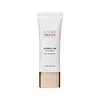
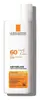
Atomy Absolute Essence Sun SPF 50+ Versus La Roche-Posay Anthelios Ultra Light Face Sunscreen-SPF 60
This hybrid sunscreen covers the full UV range and blocks ~98% of UVB at SPF 50.
This chemical sunscreen covers most of the UV range, lighter on the deep UVA that drives aging.


What's inside
What's inside
 Key Ingredients
Benefits
Concerns
Ingredients Side-by-side
C9-15 Alkyl Phosphate
CleansingC20-22 Alcohols
Emulsion Stabilising
Silica
Abrasive


Caprylyl Methicone
Skin Conditioning
Curcuma Longa Root Water
MaskingEthylhexyl Methoxycinnamate
UV Absorber


Ethylhexyl Salicylate
UV Absorber
Butylene Glycol
Humectant

C12-15 Alkyl Benzoate
AntimicrobialDiethylamino Hydroxybenzoyl Hexyl Benzoate
UV Filter
Homosalate
Skin Conditioning
Octocrylene
UV Absorber
Titanium Dioxide
Cosmetic Colorant
1,2-Hexanediol
Skin Conditioning
Niacinamide
Smoothing








Alcohol
Antimicrobial


Hylocereus Undatus Fruit Extract
Skin ConditioningSalvia Hispanica Seed Extract
Emollient
Portulaca Oleracea Extract
Skin Conditioning
Centella Asiatica Extract
Cleansing
Houttuynia Cordata Extract
Skin Conditioning
Pichia Ferment Lysate Filtrate
HumectantCamellia Sinensis Leaf Water
Masking
Diospyros Kaki Leaf Extract
Skin Protecting
Echium Plantagineum Seed Oil
Skin Conditioning

Cardiospermum Halicacabum Flower/Leaf/Vine Extract
Skin ConditioningHelianthus Annuus Seed Oil Unsaponifiables
Emollient
Glyceryl Stearate
Emollient
Behenyl Alcohol
Emollient
Aluminum Stearate
Cosmetic ColorantPolyhydroxystearic Acid
Emulsifying
Sodium Acrylate/Sodium Acryloyldimethyl Taurate Copolymer
Emulsion StabilisingTromethamine
BufferingIsohexadecane
EmollientPolysorbate 80
Emulsifying
Propanediol
Solvent
Saccharide Hydrolysate
HumectantPolyacrylate Crosspolymer-6
Emulsion StabilisingAlumina
Abrasive
Ethylhexylglycerin
Skin ConditioningGlyceryl Caprylate
EmollientOctyldodecanol
Emollient
Xanthan Gum
EmulsifyingAdenosine
Skin Conditioning
Glycerin
Humectant
Hydrogenated Lecithin
Emulsifying
Raffinose
Skin ConditioningPentylene Glycol
Skin Conditioning
Panthenol
Skin Conditioning
Cholesterol
Emollient
Hydrolyzed Lupine Protein
Skin ConditioningCeramide NP
Skin Conditioning
Lactic Acid/Glycolic Acid Copolymer
Skin ConditioningPolyvinyl Alcohol
Glycine
Buffering
Glutamic Acid
Humectant
Glutamine
Skin ConditioningLysine
Skin ConditioningLeucine
Skin ConditioningValine
MaskingSerine
Masking
Aspartic Acid
Masking
Alanine
Masking
Arginine
Masking
Isoleucine
Skin ConditioningTyrosine
MaskingTryptophan
MaskingPalmitic Acid
Emollient

Phenylalanine
Masking
Proline
Skin Conditioning
Histidine
Humectant
Parfum
Masking
CI 77492
Cosmetic ColorantCI 77491
Cosmetic ColorantC9-15 Alkyl Phosphate, C20-22 Alcohols, Silica, Caprylyl Methicone, Curcuma Longa Root Water, Ethylhexyl Methoxycinnamate, Ethylhexyl Salicylate, Butylene Glycol, C12-15 Alkyl Benzoate, Diethylamino Hydroxybenzoyl Hexyl Benzoate, Homosalate, Octocrylene, Titanium Dioxide, 1,2-Hexanediol, Niacinamide, Alcohol, Hylocereus Undatus Fruit Extract, Salvia Hispanica Seed Extract, Portulaca Oleracea Extract, Centella Asiatica Extract, Houttuynia Cordata Extract, Pichia Ferment Lysate Filtrate, Camellia Sinensis Leaf Water, Diospyros Kaki Leaf Extract, Echium Plantagineum Seed Oil, Cardiospermum Halicacabum Flower/Leaf/Vine Extract, Helianthus Annuus Seed Oil Unsaponifiables, Glyceryl Stearate, Behenyl Alcohol, Aluminum Stearate, Polyhydroxystearic Acid, Sodium Acrylate/Sodium Acryloyldimethyl Taurate Copolymer, Tromethamine, Isohexadecane, Polysorbate 80, Propanediol, Saccharide Hydrolysate, Polyacrylate Crosspolymer-6, Alumina, Ethylhexylglycerin, Glyceryl Caprylate, Octyldodecanol, Xanthan Gum, Adenosine, Glycerin, Hydrogenated Lecithin, Raffinose, Pentylene Glycol, Panthenol, Cholesterol, Hydrolyzed Lupine Protein, Ceramide NP, Lactic Acid/Glycolic Acid Copolymer, Polyvinyl Alcohol, Glycine, Glutamic Acid, Glutamine, Lysine, Leucine, Valine, Serine, Aspartic Acid, Alanine, Arginine, Isoleucine, Tyrosine, Tryptophan, Palmitic Acid, Phenylalanine, Proline, Histidine, Parfum, CI 77492, CI 77491
Butyl Methoxydibenzoylmethane 3%
UV Absorber
Homosalate 10%
Skin Conditioning
Ethylhexyl Salicylate 5%
UV Absorber
Octocrylene 7%
UV Absorber
Water
Skin ConditioningCyclopentasiloxane
Emollient
Alcohol Denat.
Antimicrobial
Silica
Abrasive
Dicaprylyl Ether
Emollient
Styrene/Acrylates Copolymer
PEG-30 Dipolyhydroxystearate
Emulsifying
Dimethicone
Emollient
Cyclohexasiloxane
Emollient
Polymethylsilsesquioxane
Nylon-12
Dicaprylyl Carbonate
EmollientDiethylhexyl Syringylidenemalonate
Skin Protecting
Phenoxyethanol
Preservative
Lauryl PEG/PPG-18/18 Methicone
Skin Conditioning
Sodium Chloride
MaskingCaprylyl Glycol
Emollient
PEG-8 Laurate
Emulsifying
Isostearyl Alcohol
Emollient
Poly C10-30 Alkyl Acrylate
Emulsion StabilisingDisteardimonium Hectorite
StabilisingP-Anisic Acid
MaskingCaprylic/Capric Triglyceride
Masking
Disodium EDTA
ChelatingCassia Alata Leaf Extract
AstringentPropylene Carbonate
SolventSodium Dodecylbenzenesulfonate
CleansingTocopherol
Antioxidant

Butyl Methoxydibenzoylmethane 3%, Homosalate 10%, Ethylhexyl Salicylate 5%, Octocrylene 7%, Water, Cyclopentasiloxane, Alcohol Denat., Silica, Dicaprylyl Ether, Styrene/Acrylates Copolymer, PEG-30 Dipolyhydroxystearate, Dimethicone, Cyclohexasiloxane, Polymethylsilsesquioxane, Nylon-12, Dicaprylyl Carbonate, Diethylhexyl Syringylidenemalonate, Phenoxyethanol, Lauryl PEG/PPG-18/18 Methicone, Sodium Chloride, Caprylyl Glycol, PEG-8 Laurate, Isostearyl Alcohol, Poly C10-30 Alkyl Acrylate, Disteardimonium Hectorite, P-Anisic Acid, Caprylic/Capric Triglyceride, Disodium EDTA, Cassia Alata Leaf Extract, Propylene Carbonate, Sodium Dodecylbenzenesulfonate, Tocopherol
Reviews
Ingredients Explained
These ingredients are found in both products.
Ingredients higher up in an ingredient list are typically present in a larger amount.
Ethylhexyl Salicylate (also called Octisalate or Octyl Salicylate) is an oil-soluble organic UV filter that's been used in sunscreen since the 1950's.
It absorbs UVB light in the 280-320 nm range with a peak absorbance around 306 nm.
You'll often see it paired with other UV filters to boost overall SPF because octisalate is a fairly week filter on its own.
The reason you'll see it so often is because it can help solubilize and stabilize the trickier filters like oxybenzone and avobenzone.
Unlike these filters, octisalate has pretty good photostability and doesn't create skin-damaging free radicals when exposed to sunlight.
The fatty-alcohol part of the molecule also gives it a light, emollient feel so it doubles as a nice texture enhancer.
Usage levels vary around the world:
Safety-wise, this ingredient has a pretty reassuring track record. The EU's Scientific Committee on Consumer Products (SCCP) found very low skin penetration in human skin tests and negative results for irritation, phototoxicity, and photoallergy.
The real-world allergy risk is pretty low too; a 2012 European study of 1,031 people recorded only 2 reactions to it (a rate of 0.19%).
You might have seen scary headlines about sunscreen getting into your blood.
In 2019, the FDA found that several chemical filters can absorb through the skin and show up in the bloodstream at small but measurable levels.
Here's the important part: these tiny levels are just a cutoff the FDA uses to decide which ingredients need more testing and doesn't mean anything harmful was found.
The researchers were clear that the results are no reason to stop wearing sunscreen.
Learn more about Ethylhexyl SalicylateHomosalate is an oil-soluble organic UVB filter that has been a sunscreen staple for decades. Its job is to absorb UVB rays (~295-315 nm) and protect your skin against sunburn,
This is one of the more photostable organic UV filters; it holds up pretty well under UV and a 2022 quantum-chemistry study found it stays stable in sunlight.
It's actually so reliable that formulators often pair it with shakier ingredients like oxybenzone and avobenzone. Formulators also use it to help dissolve the other UV filters into the oil phase.
One thing to keep in mind: "stable" isn't the same as "strong". On its own, homosalate is actually a pretty weak UV filter so it's better off as a helpful team player that helps boost overall SPF protection.
The safety picture is a bit nuanced but not scary.
This ingredient has a long track record of being gentle and regulators agree it isn't an irritant; EU's Scientific Committee on Consumer Safety found that homosalate is not considered a skin irritant and doesn't raise eye-irritation flags either.
There's talk about homosalate because your skin absorbs a little bit of it into your bloodstream. A 2020 FDA-backed study found homosalate showed up in people's blood levels at the level where the FDA decides to double check.
The EU's Scientific Committee on Consumer Safety (SCCS) also found small amounts in blood and breast milk. They estimated that about 5% of what you apply gets absorbed through the skin.
Due to the debate about whether it might mess with hormones, the SCCS recommended a maximum limit of 0.5% in most products of 7.3% in face creams/pump sprays.
One important thing to keep in mind: in the US, Homosalate is currently labeled "non-GRASE" by the FDA. This sounds alarming but really just means the FDA wants more data to confirm it's safe. It's not confidently saying this ingredient is harmful.
As of now, homosalate is still completely legal and widely used while that research gets done.
The current maximum limits are:
Learn more about HomosalateOctocrylene is an oil-soluble organic UV filter that mainly absorbs UVB and short wave UVA II light.
Its real superpower is teamwork: octocrylene is remarkably photostable and is most famous for stabilizing avobenzone (the workhorse UVA filter).
This ingredient is commonly used to enhance both UVB and UVA protection due to its unique property in stabilizing avobenzone. It also pulls double duty by boosting water resistance and giving formulas a smooth, spreadable feel.
The EU's Scientific Committee on Consumer Safety (SCCS) has deemed octocrylene to be safe as a UV-filter at concentrations up to 10% (capped at 9% in propellant sprays). The US also permits it up to 10%.
Two things worth knowing:
You'll usually see this ingredient used in concentrations between 2-10% (higher amounts when used as a stabilizer for avobenzone).
Learn more about OctocryleneSilica, also known as silicon dioxide, is a naturally occurring mineral. It is used as a fine, spherical, and porous powder in cosmetics.
Though it has exfoliant properties, the function of silica varies depending on the product.
The unique structure of silica enhances the spreadability and adds smoothness, making it a great texture enhancer.
It is also used as an active carrier, emulsifier, and mattifier due to its ability to absorb excess oil.
In some products, tiny microneedles called spicules are made from silica or hydrolyzed sponge. When you rub them in, they lightly polish away dead skin layers and enhance the penetration of active ingredients.
Learn more about Silica

