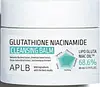
APLB Glutathione Niacinamide Cleansing Balm Versus Farm Stay Ginseng & Niacinamide Grinding Cleansing Balm
This oil-based makeup remover is made to dissolve makeup, sunscreen, and daily buildup.
This oil-based cleanser is made to cleanse without leaving your skin tight or dry.

What's inside
What's inside
 Key Ingredients
Benefits
Concerns
Ingredients Side-by-side
Glycine Soja Oil 68.6%
Emollient








Sorbeth-30 Tetraoleate
Emulsifying
Polyethylene
Abrasive
Trihydroxystearin
Skin Conditioning
Mentha Arvensis Leaf Oil
Masking
Melaleuca Alternifolia Leaf Oil
Antioxidant




Tocopheryl Acetate
Antioxidant

Helianthus Annuus Seed Oil
Emollient
Olea Europaea Fruit Oil
Masking
Simmondsia Chinensis Seed Oil
Emollient

Oenothera Biennis Oil
Emollient
Glutathione
Niacinamide
Smoothing



Water
Skin ConditioningLimonene
Perfuming
Glycerin
Humectant
Dipropylene Glycol
Humectant1,2-Hexanediol
Skin Conditioning
Butylene Glycol
Humectant
Squalane
Emollient
Asiaticoside
Antioxidant
Madecassic Acid
Skin Conditioning
Asiatic Acid
Skin Conditioning
Hippophae Rhamnoides Fruit Extract
Skin Conditioning
Hydrolyzed Collagen
Emollient
Beta-Glucan
Skin Conditioning
Artemisia Annua Extract
Masking
Oryza Sativa Extract
Absorbent
Nelumbo Nucifera Extract
Skin ConditioningSaccharomyces Ferment
Skin Conditioning
Solanum Melongena Fruit Extract
Skin ConditioningMelaleuca Alternifolia Leaf Extract
Perfuming
Glycine Soja Oil 68.6%, Sorbeth-30 Tetraoleate, Polyethylene, Trihydroxystearin, Mentha Arvensis Leaf Oil, Melaleuca Alternifolia Leaf Oil, Tocopheryl Acetate, Helianthus Annuus Seed Oil, Olea Europaea Fruit Oil, Simmondsia Chinensis Seed Oil, Oenothera Biennis Oil, Glutathione, Niacinamide, Water, Limonene, Glycerin, Dipropylene Glycol, 1,2-Hexanediol, Butylene Glycol, Squalane, Asiaticoside, Madecassic Acid, Asiatic Acid, Hippophae Rhamnoides Fruit Extract, Hydrolyzed Collagen, Beta-Glucan, Artemisia Annua Extract, Oryza Sativa Extract, Nelumbo Nucifera Extract, Saccharomyces Ferment, Solanum Melongena Fruit Extract, Melaleuca Alternifolia Leaf Extract
Cetyl Ethylhexanoate
EmollientCaprylic/Capric Triglyceride
Masking
PEG-20 Glyceryl Triisostearate
Emollient
Synthetic Wax
Abrasive
PEG-10 Isostearate
Emulsifying
Sorbitan Sesquioleate
Emulsifying
Panax Ginseng Seed Oil
Emollient
Panax Ginseng Root Extract
Emollient
Niacinamide
Smoothing
Citrus Limon Peel Oil
Masking
Water
Skin ConditioningCananga Odorata Flower Oil
Masking
Citrus Aurantium Bergamia Fruit Oil
Masking
Helianthus Annuus Seed Oil
Emollient
Prunus Armeniaca Kernel Oil
Masking
Argania Spinosa Kernel Oil
Emollient
Persea Gratissima Oil
Skin Conditioning
Simmondsia Chinensis Seed Oil
Emollient
Prunus Amygdalus Dulcis Oil
Skin Conditioning
Olea Europaea Fruit Oil
Masking
Macadamia Integrifolia Seed Oil
Skin Conditioning
Glycine Soja Oil
Emollient
Vitis Vinifera Seed Oil
Emollient
Glycerin
Humectant
Butylene Glycol
Humectant
1,2-Hexanediol
Skin Conditioning
Pinus Palustris Leaf Extract
TonicUlmus Davidiana Root Extract
Skin Conditioning
Oenothera Biennis Flower Extract
AstringentPueraria Lobata Root Extract
HumectantGlucose
Humectant
Dipropylene Glycol
HumectantPolyglutamic Acid
Skin Conditioning
Pantothenic Acid
Skin ConditioningSodium Hyaluronate
Humectant
Hydrolyzed Sodium Hyaluronate
Skin Conditioning
Hydrolyzed Hyaluronic Acid
Humectant
Pentaerythrityl Tetra-Di-T-Butyl Hydroxyhydrocinnamate
Antioxidant
Ethylhexylglycerin
Skin ConditioningCaprylyl Glycol
Emollient
Limonene
Perfuming
Cetyl Ethylhexanoate, Caprylic/Capric Triglyceride, PEG-20 Glyceryl Triisostearate, Synthetic Wax, PEG-10 Isostearate, Sorbitan Sesquioleate, Panax Ginseng Seed Oil, Panax Ginseng Root Extract, Niacinamide, Citrus Limon Peel Oil, Water, Cananga Odorata Flower Oil, Citrus Aurantium Bergamia Fruit Oil, Helianthus Annuus Seed Oil, Prunus Armeniaca Kernel Oil, Argania Spinosa Kernel Oil, Persea Gratissima Oil, Simmondsia Chinensis Seed Oil, Prunus Amygdalus Dulcis Oil, Olea Europaea Fruit Oil, Macadamia Integrifolia Seed Oil, Glycine Soja Oil, Vitis Vinifera Seed Oil, Glycerin, Butylene Glycol, 1,2-Hexanediol, Pinus Palustris Leaf Extract, Ulmus Davidiana Root Extract, Oenothera Biennis Flower Extract, Pueraria Lobata Root Extract, Glucose, Dipropylene Glycol, Polyglutamic Acid, Pantothenic Acid, Sodium Hyaluronate, Hydrolyzed Sodium Hyaluronate, Hydrolyzed Hyaluronic Acid, Pentaerythrityl Tetra-Di-T-Butyl Hydroxyhydrocinnamate, Ethylhexylglycerin, Caprylyl Glycol, Limonene
Reviews
Ingredients Explained
These ingredients are found in both products.
Ingredients higher up in an ingredient list are typically present in a larger amount.
1,2-Hexanediol is a synthetic liquid and another multi-functional powerhouse.
It is a:
- Humectant, drawing moisture into the skin
- Emollient, helping to soften skin
- Solvent, dispersing and stabilizing formulas
- Preservative booster, enhancing the antimicrobial activity of other preservatives
Butylene Glycol (or BG) is used within cosmetic products for a few different reasons:
Overall, Butylene Glycol is a safe and well-rounded ingredient that works well with other ingredients.
Though this ingredient works well with most skin types, some people with sensitive skin may experience a reaction such as allergic rashes, closed comedones, or itchiness.
Learn more about Butylene GlycolDipropylene Glycol is a synthetically created humectant, stabilizer, and solvent.
This ingredient helps:
Dipropylene glycol is technically an alcohol, but it belongs to the glycol family (often considered part of the ‘good’ alcohols). This means it is hydrating and gentle on skin unlike drying solvent alcohols like denatured alcohol.
As a masking agent, Dipropylene Glycol can be used to cover the smell of other ingredients. However, it does not have a scent.
Studies show Dipropylene Glycol is considered safe to use in skincare.
Learn more about Dipropylene GlycolGlycerin (or glycerol) is a compound naturally found in your skin. It's a powerhouse humectant that pulls water into the stratum corneum.
Topically, glycerin does several things at once:
Your skin makes glycerin on its own (mostly from sebaceous oil breakdown) and shuttles it to your outermost layer of skin, or your epidermis, via aquaporin-3.
Aquaporin-3 is a transporter that is essential for normal skin hydration, elasticity, and repair. Interestingly, mice lacking in AQP3 have dry and less elastic skin that can be fully corrected with glycerin.
This ingredient is non-irritating, plays well with almost every ingredient, and works across all skin types. Typical use is anywhere between 3-10% but can go up to 79% in some leave-on products.
Just know very high concentrations (>40%) can feel tacky in low humidity.
Glycerin is the name for this ingredient in American English. British English uses Glycerol/Glycerine.
Learn more about GlycerinGlycine Soja Oil is a plant-derived oil from soybean seeds. Like other oils, it is rich in essential fatty acids (mostly linoleic and oleic) that support skin hydration and barrier function.
The fatty acids are able to integrate into the lipid matrix of the stratum corneum to help soften skin and reduce water loss.
On top of that, soybean oil is rich in vitamins like vitamin E, a potent antioxidant.
Research on soybean's active components also point to anti-inflammatory, collagen-stimulating, antioxidant activity, and protection against UV-induced oxidative damage.
Most of this research applies to the broader soybean plant and not just the oil fraction alone.
This ingredient does carry a comedogenic rating of 3 from the old rabbit-ear assay. Just remember testing finished products in humans showed that formulas built with "comedogenic" ingredients are not necessarily comedogenic themselves. It's worth patch testing if you're breakout prone, and always listen to your skin.
Because this ingredient is a saturated triglyceride, it may not be fungal acne safe. This is because Malassezia breaks down sebum triglycerides into fatty acids it can consume, making this ingredient a possible source for the yeast.
Learn more about Glycine Soja OilHelianthus Annuus Seed Oil is a plant oil derived from the seeds of a sunflower.
It is rich in fatty acids, primarily linoleic acid and oleic acid. This gives it emollient and skin conditioning properties.
The reason this ingredient is so effective is because it forms a thin film on the skin that reduces transepidermal water loss (TEWL) while supplying linoleic acid to the stratum corneum to improve barrier strength.
The high linoleic acid content is particularly noteworthy for acne-prone skin.
Research suggests that acne-prone skin tends to be deficient in linoleic acid in sebum. Topical application may help replenish this to support a healthier follicular environment and less comedone-promoting sebum.
One randomized study found sunflower seed oil preserved skin barrier integrity in adult volunteers with and without atopic dermatitis (outperforming olive oil).
This ingredient is well-studied, gentle, and an effective emollient suitable for most skin types.
On fungal acne: This ingredient may not be Fungal acne (Malassezia folliculitis) safe. This is because it contains fatty acids with carbon chain lengths in the C11-C24 range.
Learn more about Helianthus Annuus Seed OilLimonene is the compound that gives citrus peel its smell.
In skincare, it shows up as a standalone fragrance ingredient or as a natural compound of citrus and other essential oils.
You'll typically see this ingredient used in very small amounts; anything above 0.001% in a leave-on product or 0.01% in a rinse-off has to be named on the label in the EU. The citrus oils that carry it sit around 0.5-1% in a finished formula.
Fresh limonene is a weak allergen; the real issue is that it slowly reacts with air and then breaks down from oxidation to create hydroperoxides (which are strong sensitizers). This is why suppliers are required to keep the peroxide value below 20 mmol.
Positive reactions in people being investigated for eczema vary:
It's worth skipping if you have a known fragrance allergy or a compromised barrier, but the risk is low for most people.
Older or long-opened products are also more likely to bother you than fresh ones due to oxidation.
Learn more about LimoneneNiacinamide is a multitasking form of vitamin B3 that strengthens the skin barrier, reduces pores and dark spots, regulates oil, and improves signs of aging.
And the best part? It's gentle and well-tolerated by most skin types, including sensitive and reactive skin.
You might have heard of "niacin flush", or the reddening of skin that causes itchiness. Niacinamide has not been found to cause this.
In very rare cases, some individuals may not be able to tolerate niacinamide at all or experience an allergic reaction to it.
If you are experiencing flaking, irritation, and dryness with this ingredient, be sure to double check all your products as this ingredient can be found in all categories of skincare.
When incorporating niacinamide into your routine, look out for concentration amounts. Typically, 5% niacinamide provides benefits such as fading dark spots. However, if you have sensitive skin, it is better to begin with a smaller concentration.
When you apply niacinamide to your skin, your body converts it into nicotinamide adenine dinucleotide (NAD). NAD is an essential coenzyme that is already found in your cells as "fuel" and powers countless biological processes.
In your skin, NAD helps repair cell damage, produce new healthy cells, support collagen production, strengthen the skin barrier, and fight environmental stressors (like UV and pollution).
Our natural NAD levels start to decline with age, leading to slower skin repair, visible aging, and a weaker skin barrier. By providing your skin niacinamide, you're recharging your skin's NAD levels. This leads to stronger, healthier, and younger looking skin.
Another name for vitamin B3 is nicotinamide. This vitamin is water-soluble and our bodies don't store it. We obtain Vitamin B3 from either food or skincare. Meat, fish, wheat, yeast, and leafy greens contain vitamin B3.
The type of niacinamide used in skincare is synthetically created.
Learn more about NiacinamideThis ingredient is also known as olive oil. It has been used in skincare for centuries and science largely backs up its reputation as a nourishing emollient.
The main components of olive oil are oleic acid (55-83%), linoleic acid (3.5-20%), and palmitic acid (7-20%). Oleic acid promotes skin regeneration and helps regulate inflammatory responses.
Squalene is also naturally present in olive oil and exhibits moisturizing and antioxidant properties.
The polyphenols in olive oil also show anti-aging promise; one clinical study found a measurable improvement in skin appearance after 30 days of topical serum use.
Just be aware that applying olive oil directly to skin can weaken the barrier and cause redness. One study with volunteers found even people without sensitive skin experienced a significant reduction in stratum corneum integrity and induced mild erythema.
It's best to use this ingredient as part of a carefully crafted formula (instead of putting it on skin directly from the bottle).
Because it has a 0-2 on the comedogenic scale, it is low risk for acne-prone skin. Just remember the overall formulation of a product matters more than a few ingredients with comedogenic ratings.
This ingredient may not be fungal acne safe because of the oleic and palmitic acid content. These fall within the C11-24 fatty acid range that the Malassezia yeast can metabolize to grow.
Overall, olive oil is a well-studied and nourishing skincare ingredient.
Learn more about Olea Europaea Fruit OilJojoba oil is one of the most well-studied plant-derived ingredients in cosmetics. It is an emollient with a special structure.
Because it is made up of 97-98% wax esters, it closely mirrors the linear monoesters found in human sebum. This makes it skin compatible, non-greasy, and lightweight.
Unlike other plant oils, jojoba wax doesn't easily penetrate skin. It mostly works in the uppermost layers as an emollient. This just means it forms a light barrier on the skin to help retain moisture.
Formulations with jojoba esters up to 90% reduced transepidermal water loss (TEWL) and increased barrier recovery by 81% (outperforming bisabolol at 47%).
Besides barrier support, the science also suggests jojoba to have anti-inflammatory effects and potential applications for skin infections, aging, and wound healing.
Fun fact: Indigenous cultures have used jojoba as a moisturizer and to help treat burns for centuries.
Fungal acne: The Malassezia yeast is known to metabolize fatty acids in the C11-24 range and jojoba's dominant fatty acid components fall into this range. This ingredient may not be fungal acne safe.
Learn more about Simmondsia Chinensis Seed OilWater. It's the most common cosmetic ingredient of all. You'll usually see it at the top of ingredient lists, meaning that it makes up the largest part of the product.
So why is it so popular? Water most often acts as a solvent - this means that it helps dissolve other ingredients into the formulation.
You'll also recognize water as that liquid we all need to stay alive. If you see this, drink a glass of water. Remember to stay hydrated!
Learn more about Water

