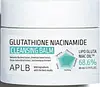
This oil-based makeup remover is made to dissolve makeup, sunscreen, and daily buildup.
This oil-based makeup remover is made to dissolve makeup, sunscreen, and daily buildup.

What's inside
What's inside
 Key Ingredients
Benefits
Concerns
Ingredients Side-by-side
Glycine Soja Oil 68.6%
Emollient








Sorbeth-30 Tetraoleate
Emulsifying
Polyethylene
Abrasive
Trihydroxystearin
Skin Conditioning
Mentha Arvensis Leaf Oil
Masking
Melaleuca Alternifolia Leaf Oil
Antioxidant




Tocopheryl Acetate
Antioxidant

Helianthus Annuus Seed Oil
Emollient
Olea Europaea Fruit Oil
Masking
Simmondsia Chinensis Seed Oil
Emollient

Oenothera Biennis Oil
Emollient
Glutathione
Niacinamide
Smoothing



Water
Skin ConditioningLimonene
Perfuming
Glycerin
Humectant
Dipropylene Glycol
Humectant1,2-Hexanediol
Skin Conditioning
Butylene Glycol
Humectant
Squalane
Emollient
Asiaticoside
Antioxidant
Madecassic Acid
Skin Conditioning
Asiatic Acid
Skin Conditioning
Hippophae Rhamnoides Fruit Extract
Skin Conditioning
Hydrolyzed Collagen
Emollient
Beta-Glucan
Skin Conditioning
Artemisia Annua Extract
Masking
Oryza Sativa Extract
Absorbent
Nelumbo Nucifera Extract
Skin ConditioningSaccharomyces Ferment
Skin Conditioning
Solanum Melongena Fruit Extract
Skin ConditioningMelaleuca Alternifolia Leaf Extract
Perfuming
Glycine Soja Oil 68.6%, Sorbeth-30 Tetraoleate, Polyethylene, Trihydroxystearin, Mentha Arvensis Leaf Oil, Melaleuca Alternifolia Leaf Oil, Tocopheryl Acetate, Helianthus Annuus Seed Oil, Olea Europaea Fruit Oil, Simmondsia Chinensis Seed Oil, Oenothera Biennis Oil, Glutathione, Niacinamide, Water, Limonene, Glycerin, Dipropylene Glycol, 1,2-Hexanediol, Butylene Glycol, Squalane, Asiaticoside, Madecassic Acid, Asiatic Acid, Hippophae Rhamnoides Fruit Extract, Hydrolyzed Collagen, Beta-Glucan, Artemisia Annua Extract, Oryza Sativa Extract, Nelumbo Nucifera Extract, Saccharomyces Ferment, Solanum Melongena Fruit Extract, Melaleuca Alternifolia Leaf Extract
Cetyl Ethylhexanoate
EmollientPEG-20 Glyceryl Triisostearate
Emollient
Caprylic/Capric Triglyceride
Masking
Synthetic Wax
Abrasive
PEG-10 Isostearate
Emulsifying
Guaiazulene
Antimicrobial
Platycodon Grandiflorus Root Extract
Antioxidant
Panthenol
Skin Conditioning
Tocopherol
Antioxidant
Sorbitan Sesquioleate
Emulsifying
Caprylyl Glycol
Emollient
Eclipta Prostrata Extract
Skin Conditioning
Melia Azadirachta Leaf Extract
Skin ConditioningMoringa Oleifera Seed Oil
Emollient
Water
Skin ConditioningGlycerin
Humectant
1,2-Hexanediol
Skin Conditioning
Brassica Oleracea Capitata Leaf Extract
Skin ConditioningSolanum Melongena Fruit Extract
Skin ConditioningViola Mandshurica Flower Extract
Antioxidant
Ethylhexylglycerin
Skin ConditioningPantolactone
Humectant
Cetyl Ethylhexanoate, PEG-20 Glyceryl Triisostearate, Caprylic/Capric Triglyceride, Synthetic Wax, PEG-10 Isostearate, Guaiazulene, Platycodon Grandiflorus Root Extract, Panthenol, Tocopherol, Sorbitan Sesquioleate, Caprylyl Glycol, Eclipta Prostrata Extract, Melia Azadirachta Leaf Extract, Moringa Oleifera Seed Oil, Water, Glycerin, 1,2-Hexanediol, Brassica Oleracea Capitata Leaf Extract, Solanum Melongena Fruit Extract, Viola Mandshurica Flower Extract, Ethylhexylglycerin, Pantolactone
Reviews
Ingredients Explained
These ingredients are found in both products.
Ingredients higher up in an ingredient list are typically present in a larger amount.
1,2-Hexanediol is a synthetic liquid and another multi-functional powerhouse.
It is a:
- Humectant, drawing moisture into the skin
- Emollient, helping to soften skin
- Solvent, dispersing and stabilizing formulas
- Preservative booster, enhancing the antimicrobial activity of other preservatives
Glycerin (or glycerol) is a compound naturally found in your skin. It's a powerhouse humectant that pulls water into the stratum corneum.
Topically, glycerin does several things at once:
Your skin makes glycerin on its own (mostly from sebaceous oil breakdown) and shuttles it to your outermost layer of skin, or your epidermis, via aquaporin-3.
Aquaporin-3 is a transporter that is essential for normal skin hydration, elasticity, and repair. Interestingly, mice lacking in AQP3 have dry and less elastic skin that can be fully corrected with glycerin.
This ingredient is non-irritating, plays well with almost every ingredient, and works across all skin types. Typical use is anywhere between 3-10% but can go up to 79% in some leave-on products.
Just know very high concentrations (>40%) can feel tacky in low humidity.
Glycerin is the name for this ingredient in American English. British English uses Glycerol/Glycerine.
Learn more about GlycerinThis ingredient comes from eggplant (or aubergine). It has skin conditioning properties due to its abundance of antioxidants like Chlorogenic Acid, Caffeic Acid, and Nasunin.
Nasunin is the pigment concentrated in the purple peel and has demonstrated the abilityu to neutralize free radicals and bind excess iron in lab studies.
Lab studies have shown that eggplant extracts can lower oxidative stress and protect skin cell membranes from damage. A 2025 study found that specific compounds in eggplant (particularly a phenolamide called N-Trans-Feruloylputrescine) may support skin health by neutralizing 2-nonenal, a byproduct linked to aging skin.
Overall, this is a gentle, well-tolerated ingredient that adds a little extra antioxidant support to your routine.
Those with nighshade vegetable allergies (tomatoes, peppers, potatoes) should patch test as eggplant is part of the same family.
Learn more about Solanum Melongena Fruit ExtractWater. It's the most common cosmetic ingredient of all. You'll usually see it at the top of ingredient lists, meaning that it makes up the largest part of the product.
So why is it so popular? Water most often acts as a solvent - this means that it helps dissolve other ingredients into the formulation.
You'll also recognize water as that liquid we all need to stay alive. If you see this, drink a glass of water. Remember to stay hydrated!
Learn more about Water

