

What's inside
What's inside
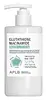 Key Ingredients
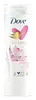
No key ingredients
Benefits
Concerns
Ingredients Side-by-side
Water
Skin ConditioningCentella Asiatica Extract 12.3%
Cleansing





Glycerin
Humectant
Cetyl Ethylhexanoate
EmollientCetearyl Alcohol
Emollient






Glyceryl Stearate
Emollient
Glutathione


Niacinamide
Smoothing



Madecassic Acid
Skin Conditioning
Asiaticoside
Antioxidant
Asiatic Acid
Skin Conditioning
Solanum Melongena Fruit Extract
Skin ConditioningMelaleuca Alternifolia Leaf Extract
Perfuming
Hydrolyzed Collagen
Emollient
Beta-Glucan
Skin Conditioning
Hippophae Rhamnoides Fruit Extract
Skin Conditioning
Nelumbo Nucifera Extract
Skin ConditioningArtemisia Annua Extract
Masking
Oryza Sativa Extract
Absorbent
Saccharomyces Ferment
Skin Conditioning
Squalane
Emollient
Sodium Hyaluronate
Humectant
Dipropylene Glycol
HumectantButylene Glycol
Humectant
Hydrogenated Lecithin
Emulsifying
Cholesterol
Emollient
Xanthan Gum
EmulsifyingPotassium Hydroxide
BufferingDisodium EDTA
ChelatingCaprylic/Capric Triglyceride
Masking
Cyclopentasiloxane
Emollient
Cyclohexasiloxane
Emollient
Saccharide Hydrolysate
HumectantSorbitan Stearate
Emulsifying
Dimethicone
Emollient
PEG-100 Stearate
Surfactant
Stearic Acid
Cleansing
1,2-Hexanediol
Skin Conditioning
Chlorphenesin
Antimicrobial
Carbomer
Emulsion StabilisingCaprylyl Glycol
Emollient
Water, Centella Asiatica Extract 12.3%, Glycerin, Cetyl Ethylhexanoate, Cetearyl Alcohol, Glyceryl Stearate, Glutathione, Niacinamide, Madecassic Acid, Asiaticoside, Asiatic Acid, Solanum Melongena Fruit Extract, Melaleuca Alternifolia Leaf Extract, Hydrolyzed Collagen, Beta-Glucan, Hippophae Rhamnoides Fruit Extract, Nelumbo Nucifera Extract, Artemisia Annua Extract, Oryza Sativa Extract, Saccharomyces Ferment, Squalane, Sodium Hyaluronate, Dipropylene Glycol, Butylene Glycol, Hydrogenated Lecithin, Cholesterol, Xanthan Gum, Potassium Hydroxide, Disodium EDTA, Caprylic/Capric Triglyceride, Cyclopentasiloxane, Cyclohexasiloxane, Saccharide Hydrolysate, Sorbitan Stearate, Dimethicone, PEG-100 Stearate, Stearic Acid, 1,2-Hexanediol, Chlorphenesin, Carbomer, Caprylyl Glycol
Water
Skin ConditioningGlycerin
Humectant
Stearic Acid
Cleansing
Octyldodecanol
Emollient
Ethylhexyl Cocoate
Emollient
Petrolatum
Emollient

Dimethicone
Emollient
Glycol Stearate
Emollient
Glyceryl Stearate
Emollient
Triethanolamine
BufferingCaprylyl Glycol
Emollient
Cetyl Alcohol
Emollient
Phenoxyethanol
Preservative
Parfum
Masking
Acrylates/C10-30 Alkyl Acrylate Crosspolymer
Emulsion StabilisingSodium Acrylate/Sodium Acryloyldimethyl Taurate Copolymer
Emulsion StabilisingIsohexadecane
EmollientDisodium EDTA
ChelatingStearamide Amp
Foam BoostingPolysorbate 80
Emulsifying
Dimethiconol
Emollient
Sorbitan Oleate
Emulsifying
Butylene Glycol
Humectant
Helianthus Annuus Seed Oil
Emollient
PEG-40 Hydrogenated Castor Oil
Emulsifying
Lactic Acid
Buffering
Sodium Benzoate
Masking
Oryza Sativa Bran Extract
Skin Conditioning
Oryza Sativa Germ Oil
Emollient
Nelumbo Nucifera Flower Extract
Skin ConditioningPotassium Sorbate
Preservative
Maltodextrin
Absorbent
Alpha-Isomethyl Ionone
Perfuming
Benzyl Alcohol
Perfuming
Benzyl Salicylate
Perfuming
Coumarin
Perfuming
Geraniol
Perfuming
Hexyl Cinnamal
Perfuming
Hydroxycitronellal
Perfuming
Limonene
Perfuming
Linalool
Perfuming
Water, Glycerin, Stearic Acid, Octyldodecanol, Ethylhexyl Cocoate, Petrolatum, Dimethicone, Glycol Stearate, Glyceryl Stearate, Triethanolamine, Caprylyl Glycol, Cetyl Alcohol, Phenoxyethanol, Parfum, Acrylates/C10-30 Alkyl Acrylate Crosspolymer, Sodium Acrylate/Sodium Acryloyldimethyl Taurate Copolymer, Isohexadecane, Disodium EDTA, Stearamide Amp, Polysorbate 80, Dimethiconol, Sorbitan Oleate, Butylene Glycol, Helianthus Annuus Seed Oil, PEG-40 Hydrogenated Castor Oil, Lactic Acid, Sodium Benzoate, Oryza Sativa Bran Extract, Oryza Sativa Germ Oil, Nelumbo Nucifera Flower Extract, Potassium Sorbate, Maltodextrin, Alpha-Isomethyl Ionone, Benzyl Alcohol, Benzyl Salicylate, Coumarin, Geraniol, Hexyl Cinnamal, Hydroxycitronellal, Limonene, Linalool
Reviews
Ingredients Explained
These ingredients are found in both products.
Ingredients higher up in an ingredient list are typically present in a larger amount.
Butylene Glycol (or BG) is used within cosmetic products for a few different reasons:
Overall, Butylene Glycol is a safe and well-rounded ingredient that works well with other ingredients.
Though this ingredient works well with most skin types, some people with sensitive skin may experience a reaction such as allergic rashes, closed comedones, or itchiness.
Learn more about Butylene GlycolCaprylyl Glycol is a humectant, skin conditioner, emollient, and preservative booster derived from either caprylic acid or synthetically created.
Typical use levels vary from 0.3-1% as a preservative booster and go up to 2% to condition skin.
Because it is not a free-fatty acid, this ingredient is fungal acne safe (there's nothing for Malassezia to feed on).
Learn more about Caprylyl GlycolDimethicone is a type of synthetic silicone created from natural materials such as quartz. It is also known as polydimethylsiloxane.
What it does:
Dimethicone comes in different viscosities:
Depending on the viscosity, dimethicone has different properties.
Ingredients lists don't always show which type is used, so we recommend reaching out to the brand if you have questions about the viscosity.
This ingredient is unlikely to cause irritation because it does not get absorbed into skin. However, people with silicone allergies should be careful about using this ingredient.
Note: Dimethicone may contribute to pilling. This is because it is not oil or water soluble, so pilling may occur when layered with products. When mixed with heavy oils in a formula, the outcome is also quite greasy.
Learn more about DimethiconeDisodium EDTA is a chelating agent. It grabs onto and deactivates metal ions that sneak into your products from water, packaging, or air.
This ingredient mainly works behind the scenes and helps with:
On top of that, this ingredient can counteract the effects of hard water by binding to the minerals in it.
One thing worth knowing is that Disodium EDTA has been shown to be a mild penetration enhancer. It can help other ingredients absorb into skin more effectively which can be a double-edged sword (great for actives, but can also make the active too strong if you have sensitive skin).
Clinical patch testing showed no significant skin irritation at typical use concentrations and minimal dermal absorption.
You'll most likely see this ingredient near the end of an ingredient list. It's typically found in concentrations less than 1%.
Learn more about Disodium EDTAGlycerin (or glycerol) is a compound naturally found in your skin. It's a powerhouse humectant that pulls water into the stratum corneum.
Topically, glycerin does several things at once:
Your skin makes glycerin on its own (mostly from sebaceous oil breakdown) and shuttles it to your outermost layer of skin, or your epidermis, via aquaporin-3.
Aquaporin-3 is a transporter that is essential for normal skin hydration, elasticity, and repair. Interestingly, mice lacking in AQP3 have dry and less elastic skin that can be fully corrected with glycerin.
This ingredient is non-irritating, plays well with almost every ingredient, and works across all skin types. Typical use is anywhere between 3-10% but can go up to 79% in some leave-on products.
Just know very high concentrations (>40%) can feel tacky in low humidity.
Glycerin is the name for this ingredient in American English. British English uses Glycerol/Glycerine.
Learn more about GlycerinGlyceryl Stearate is made by reacting glycerin with stearic acid (typically sourced from plant oils like palm or coconut). It's an emulsifier, emollient, and mild occlusive.
Emulsifiers help ingredients like oil and water stay mixed so your formula stays nicely blended and uniform in texture.
This ingredient is typically used in concentrations between 1-10%. Studies have found it to be non-sensitizing, non-phototoxic, and non-photoallergenic.
A close cousin of this ingredient is Glyceryl Stearate SE ("self-emulsifying"). This just has a small amount of sodium or potassium stearate added so it can emulsify without a co-emulsifier.
Since this ingredient is an ester of a C18 fatty acid, it may not be fungal acne safe. The Malassezia yeast can potentially metabolize within the C11-C24 range.
Fun fact: The human body also creates Glyceryl Stearate naturally.
Learn more about Glyceryl StearateStearic Acid is a fatty acid that is already found in your skin. It's one of the free fatty acids that works alongside ceramides and cholesterols to maintain your barrier.
In cosmetics, it is a multitasker:
Safety-wise, the CIR Expert Panel has concluded it to be safe in cosmetics when formulated to be non-irritating and non-sensitizing.
Free stearic acid is a C18 fatty acid that the Malassezia yeast can substrate, so this ingredient may not be fungal acne safe.
This ingredient does have a comedogenic rating of 2-3, but this doesn't mean a formula with this ingredient will clog pores.
Human testing has proved that any finished product with this ingredient won't automatically make you break out; it really comes down to concentration, formula, and your skin.
Learn more about Stearic AcidWater. It's the most common cosmetic ingredient of all. You'll usually see it at the top of ingredient lists, meaning that it makes up the largest part of the product.
So why is it so popular? Water most often acts as a solvent - this means that it helps dissolve other ingredients into the formulation.
You'll also recognize water as that liquid we all need to stay alive. If you see this, drink a glass of water. Remember to stay hydrated!
Learn more about Water

