This hydrating emulsion is formulated around Galactomyces Ferment Filtrate to hydrate skin and strengthen the skin barrier.
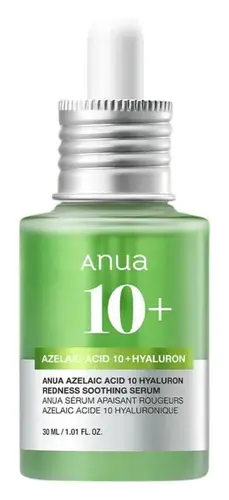
This calming moisturizer is formulated around Azelaic Acid and Squalane to calm redness and strengthen the skin barrier.

What's inside
What's inside
 Key Ingredients
Benefits
Concerns
Ingredients Side-by-side
Prunus Persica Fruit Extract 77%
Abrasive
Glycerin
Humectant


Ethylhexyl Stearate
Emollient




Dipropylene Glycol
HumectantMethyl Niacinamide Chloride 2%
Skin Conditioning
1,2-Hexanediol
Skin Conditioning
Lactobacillus/Rice Ferment
Skin Conditioning
Polyglyceryl-3 Distearate
Emulsifying
Cetearyl Alcohol
Emollient

Hydrogenated Poly(C6-14 Olefin)
EmollientSodium Hyaluronate
Humectant


Glyceryl Stearate
Emollient
Sodium Stearoyl Glutamate
CleansingCarbomer
Emulsion StabilisingGalactomyces Ferment Filtrate
Humectant

Bifida Ferment Lysate
Skin Conditioning
Water
Skin ConditioningArginine
Masking
Glyceryl Stearate Citrate
Emollient
Disodium EDTA
ChelatingAdenosine
Skin Conditioning
Methylpropanediol
SolventBetaine Salicylate
Antimicrobial




Panthenol
Skin Conditioning
Cyanocobalamin
Skin ConditioningCeramide NP
Skin Conditioning
Saccharomyces Ferment Filtrate
Humectant
Hydrolyzed Hyaluronic Acid
Humectant
Sodium Acetylated Hyaluronate
Humectant
Parfum
Masking

Hydroxyacetophenone
Antioxidant
Ethylhexylglycerin
Skin ConditioningPrunus Persica Fruit Extract 77%, Glycerin, Ethylhexyl Stearate, Dipropylene Glycol, Methyl Niacinamide Chloride 2%, 1,2-Hexanediol, Lactobacillus/Rice Ferment, Polyglyceryl-3 Distearate, Cetearyl Alcohol, Hydrogenated Poly(C6-14 Olefin), Sodium Hyaluronate, Glyceryl Stearate, Sodium Stearoyl Glutamate, Carbomer, Galactomyces Ferment Filtrate, Bifida Ferment Lysate, Water, Arginine, Glyceryl Stearate Citrate, Disodium EDTA, Adenosine, Methylpropanediol, Betaine Salicylate, Panthenol, Cyanocobalamin, Ceramide NP, Saccharomyces Ferment Filtrate, Hydrolyzed Hyaluronic Acid, Sodium Acetylated Hyaluronate, Parfum, Hydroxyacetophenone, Ethylhexylglycerin
Water
Skin ConditioningButylene Glycol
Humectant
Squalane
Emollient
Azelaic Acid
Buffering


Pentylene Glycol
Skin Conditioning
1,2-Hexanediol
Skin Conditioning
Caprylic/Capric Triglyceride
Masking
Hydroxypropyl Cyclodextrin
MaskingDisodium Phosphate
BufferingAmmonium Polyacryloyldimethyl Taurate
Emulsion StabilisingCetearyl Olivate
PEG-150 Distearate
Emulsifying
Polyglyceryl-3 Methylglucose Distearate
Emulsifying
Vinyldimethicone

Behenyl Alcohol
Emollient
Sorbitan Olivate
Emulsifying
Maltodextrin
Absorbent
Glyceryl Stearate
Emollient
Sodium Hyaluronate
Humectant
Erythritol
Humectant
Ethylhexylglycerin
Skin ConditioningRosmarinus Officinalis Leaf Oil
Masking
Dimethiconol
Emollient
Limonene
Perfuming
Citrus Aurantium Bergamia Fruit Oil
Masking
Pelargonium Graveolens Flower Oil
Masking
Citronellol
Perfuming
Geraniol
Perfuming
Linalool
Perfuming
Citrus Grandis Peel Oil
Masking
Tocopherol
Antioxidant
Zinc Hydrolyzed Hyaluronate
HumectantDipropylene Glycol
HumectantTotarol
Antioxidant
Dimethylsilanol Hyaluronate
Humectant
Hydrolyzed Hyaluronic Acid
Humectant
Hydrolyzed Sodium Hyaluronate
Skin Conditioning
Centella Asiatica Extract
Cleansing
Centella Asiatica Leaf Extract
Skin Conditioning
Centella Asiatica Root Extract
Skin Conditioning
Hyaluronic Acid
Humectant
Potassium Hyaluronate
Skin ConditioningHydroxypropyltrimonium Hyaluronate
Sodium Hyaluronate Crosspolymer
Humectant
Sodium Hyaluronate Dimethylsilanol
HumectantSodium Acetylated Hyaluronate
Humectant
Madecassoside
Antioxidant
Asiaticoside
Antioxidant
Asiatic Acid
Skin Conditioning
Madecassic Acid
Skin Conditioning
Water, Butylene Glycol, Squalane, Azelaic Acid, Pentylene Glycol, 1,2-Hexanediol, Caprylic/Capric Triglyceride, Hydroxypropyl Cyclodextrin, Disodium Phosphate, Ammonium Polyacryloyldimethyl Taurate, Cetearyl Olivate, PEG-150 Distearate, Polyglyceryl-3 Methylglucose Distearate, Vinyldimethicone, Behenyl Alcohol, Sorbitan Olivate, Maltodextrin, Glyceryl Stearate, Sodium Hyaluronate, Erythritol, Ethylhexylglycerin, Rosmarinus Officinalis Leaf Oil, Dimethiconol, Limonene, Citrus Aurantium Bergamia Fruit Oil, Pelargonium Graveolens Flower Oil, Citronellol, Geraniol, Linalool, Citrus Grandis Peel Oil, Tocopherol, Zinc Hydrolyzed Hyaluronate, Dipropylene Glycol, Totarol, Dimethylsilanol Hyaluronate, Hydrolyzed Hyaluronic Acid, Hydrolyzed Sodium Hyaluronate, Centella Asiatica Extract, Centella Asiatica Leaf Extract, Centella Asiatica Root Extract, Hyaluronic Acid, Potassium Hyaluronate, Hydroxypropyltrimonium Hyaluronate, Sodium Hyaluronate Crosspolymer, Sodium Hyaluronate Dimethylsilanol, Sodium Acetylated Hyaluronate, Madecassoside, Asiaticoside, Asiatic Acid, Madecassic Acid
Reviews
Ingredients Explained
These ingredients are found in both products.
Ingredients higher up in an ingredient list are typically present in a larger amount.
1,2-Hexanediol is a synthetic liquid and another multi-functional powerhouse.
It is a:
- Humectant, drawing moisture into the skin
- Emollient, helping to soften skin
- Solvent, dispersing and stabilizing formulas
- Preservative booster, enhancing the antimicrobial activity of other preservatives
Dipropylene Glycol is a synthetically created humectant, stabilizer, and solvent.
This ingredient helps:
Dipropylene glycol is technically an alcohol, but it belongs to the glycol family (often considered part of the ‘good’ alcohols). This means it is hydrating and gentle on skin unlike drying solvent alcohols like denatured alcohol.
As a masking agent, Dipropylene Glycol can be used to cover the smell of other ingredients. However, it does not have a scent.
Studies show Dipropylene Glycol is considered safe to use in skincare.
Learn more about Dipropylene GlycolEthylhexylglycerin is created from glycerin. It is a multitasker ingredient that:
The CIR Expert Panel found minimal skin absorption or sensitization of any kind in a safety assessment. Though this ingredient is considered well-tolerated, a small number of cases of allergic dermatitis have been published since 2002. Just be sure to patch test if you are unsure.
Industry-reported use ranges from 8% in rinse-off products and 2% in leave-on formulations.
Learn more about EthylhexylglycerinGlyceryl Stearate is made by reacting glycerin with stearic acid (typically sourced from plant oils like palm or coconut). It's an emulsifier, emollient, and mild occlusive.
Emulsifiers help ingredients like oil and water stay mixed so your formula stays nicely blended and uniform in texture.
This ingredient is typically used in concentrations between 1-10%. Studies have found it to be non-sensitizing, non-phototoxic, and non-photoallergenic.
A close cousin of this ingredient is Glyceryl Stearate SE ("self-emulsifying"). This just has a small amount of sodium or potassium stearate added so it can emulsify without a co-emulsifier.
Since this ingredient is an ester of a C18 fatty acid, it may not be fungal acne safe. The Malassezia yeast can potentially metabolize within the C11-C24 range.
Fun fact: The human body also creates Glyceryl Stearate naturally.
Learn more about Glyceryl StearateHydrolyzed Hyaluronic Acid is hyaluronic acid (HA) that is broken down into lower molecular weight fragments.
It's a humectant that pulls and holds water in the skin to help with hydration, plumpness, and reduce transepidermal water loss.
Because hydrolyzed hyaluronic acid is smaller in size, it can slip past your outermost layer of skin more easily than full-sized HA.
Most formulations will combine all sizes to get the best of both worlds.
Typical usage levels range from 0.01-1%. Any percentage higher than 2% might become goopy and tacky.
Learn more about Hydrolyzed Hyaluronic AcidSodium Acetylated Hyaluronate is a type of Hyaluronic Acid.
Hyaluronic Acids help moisturize, soothe, and protect the skin.
Read about common types of Hyaluronic Acid here:
Learn more about Sodium Acetylated HyaluronateSodium Hyaluronate is the salt form of hyaluronic acid. It is a long sugar chain that is naturally found in your skin, joints, and connective tissue that maintains hydration and elasticity.
In skincare, it works as a humectant. It pulls water from the environment and deeper layers of skin and binds it to the surface.
Interestingly, the size of the molecule affects its behavior:
Some clinical evidence links low molecular weight versions to improved wrinkle depth, elasticity, anti-inflammatory effects, and barrier repair.
Many serums use a blend of both weights so you can get surface hydration plus longer-lasting and deeper effects.
You'll typically see concentrations between 0.1-2% for this ingredient.
Learn more about Sodium HyaluronateWater. It's the most common cosmetic ingredient of all. You'll usually see it at the top of ingredient lists, meaning that it makes up the largest part of the product.
So why is it so popular? Water most often acts as a solvent - this means that it helps dissolve other ingredients into the formulation.
You'll also recognize water as that liquid we all need to stay alive. If you see this, drink a glass of water. Remember to stay hydrated!
Learn more about Water