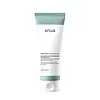
This salicylic acid foaming cleanser is formulated around Salicylic Acid to clear breakouts and unclog pores.
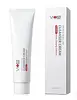
This glycolic acid cream cleanser is formulated around Glycolic Acid to exfoliate and smooth skin.

What's inside
What's inside
 Key Ingredients
Benefits
Concerns
Ingredients Side-by-side
Water
Skin ConditioningDisodium Cocoamphodiacetate
CleansingSodium Cocoyl Alaninate
Surfactant
Sodium Methyl Cocoyl Taurate
Cleansing
Acrylates/C10-30 Alkyl Acrylate Crosspolymer
Emulsion StabilisingDisodium 2-Sulfolaurate
CleansingSodium Chloride
MaskingGlycerin
Humectant


Methylpropanediol
SolventHouttuynia Cordata Flower/Leaf/Stem Water
Antimicrobial
Houttuynia Cordata Extract
Skin Conditioning

Quillaja Saponaria Bark Extract
CleansingVincetoxicum Atratum Extract
Skin ConditioningAlthaea Rosea Flower Extract
Skin ConditioningChitosan
1,2-Hexanediol
Skin Conditioning
Caprylyl Glycol
Emollient
Tromethamine
BufferingCoco-Glucoside
Cleansing
Panthenol
Skin Conditioning
Salicylic Acid
Masking










Succinic Acid
BufferingLauryl Hydroxysultaine
CleansingPolyglyceryl-4 Caprate
EmulsifyingEthylhexylglycerin
Skin ConditioningSodium Cocoyl Isethionate
Cleansing
Sodium Citrate
BufferingSodium Phytate
ChelatingHexylene Glycol
EmulsifyingButylene Glycol
Humectant
Citric Acid
Buffering
Protease
Exfoliating
Caprylic/Capric Triglyceride
Masking
Hydrogenated Lecithin
Emulsifying
Tocopherol
Antioxidant


Ceramide NP
Skin Conditioning
Dipropylene Glycol
HumectantPentylene Glycol
Skin Conditioning
Cholesterol
Emollient
Parfum
Masking

Water, Disodium Cocoamphodiacetate, Sodium Cocoyl Alaninate, Sodium Methyl Cocoyl Taurate, Acrylates/C10-30 Alkyl Acrylate Crosspolymer, Disodium 2-Sulfolaurate, Sodium Chloride, Glycerin, Methylpropanediol, Houttuynia Cordata Flower/Leaf/Stem Water, Houttuynia Cordata Extract, Quillaja Saponaria Bark Extract, Vincetoxicum Atratum Extract, Althaea Rosea Flower Extract, Chitosan, 1,2-Hexanediol, Caprylyl Glycol, Tromethamine, Coco-Glucoside, Panthenol, Salicylic Acid, Succinic Acid, Lauryl Hydroxysultaine, Polyglyceryl-4 Caprate, Ethylhexylglycerin, Sodium Cocoyl Isethionate, Sodium Citrate, Sodium Phytate, Hexylene Glycol, Butylene Glycol, Citric Acid, Protease, Caprylic/Capric Triglyceride, Hydrogenated Lecithin, Tocopherol, Ceramide NP, Dipropylene Glycol, Pentylene Glycol, Cholesterol, Parfum
Water
Skin ConditioningSodium Lauroyl Glutamate
SurfactantPropanediol
Solvent
Sodium Cocoyl Isethionate
Cleansing
PEG-32
HumectantPEG-6
HumectantPEG-40 Hydrogenated Castor Oil
Emulsifying

PEG-7 Glyceryl Cocoate
Emulsifying
Coconut Acid
Cleansing
Sodium Methyl Cocoyl Taurate
Cleansing
Lauric Acid
Cleansing

Myristic Acid
Cleansing
Phenoxyethanol
Preservative
Chlorphenesin
Antimicrobial
Sodium Chloride
MaskingSodium Hydroxide
BufferingDecyl Glucoside
Cleansing
Disodium Cocoyl Glutamate
Cleansing
Glycerin
Humectant
Betaine
Humectant
Lactobacillus/Rye Flour Ferment
Skin ConditioningLactobacillus/Soymilk Ferment Filtrate
Skin ConditioningBacillus/Soybean Ferment Extract
Skin ConditioningSodium Lactate
Buffering
Glycolic Acid
Buffering
Sodium PCA
Humectant
Propylene Glycol
Humectant
Sucrose
Humectant
PCA
Humectant
Urea
Buffering
1,2-Hexanediol
Skin Conditioning
Sodium Citrate
BufferingMoringa Oleifera Seed Extract
Skin Conditioning
Serine
Masking
Alanine
Masking
Hydrolyzed Hyaluronic Acid
Humectant
Glycine
Buffering
Malic Acid
Buffering
Maltodextrin
Absorbent
Tartaric Acid
Buffering
Uncaria Tomentosa Extract
Skin ConditioningGlutamic Acid
Humectant
Butylene Glycol
Humectant
Lysine Hcl
Skin Conditioning
Threonine
Arginine
Masking
Niacinamide
Smoothing
Alteromonas Ferment Extract
Skin Conditioning
Folic Acid
Skin ConditioningPantothenic Acid
Skin ConditioningProline
Skin Conditioning
Pyridoxine
Skin ConditioningThiamine Hcl
MaskingCyanocobalamin
Skin ConditioningRiboflavin
Cosmetic ColorantWater, Sodium Lauroyl Glutamate, Propanediol, Sodium Cocoyl Isethionate, PEG-32, PEG-6, PEG-40 Hydrogenated Castor Oil, PEG-7 Glyceryl Cocoate, Coconut Acid, Sodium Methyl Cocoyl Taurate, Lauric Acid, Myristic Acid, Phenoxyethanol, Chlorphenesin, Sodium Chloride, Sodium Hydroxide, Decyl Glucoside, Disodium Cocoyl Glutamate, Glycerin, Betaine, Lactobacillus/Rye Flour Ferment, Lactobacillus/Soymilk Ferment Filtrate, Bacillus/Soybean Ferment Extract, Sodium Lactate, Glycolic Acid, Sodium PCA, Propylene Glycol, Sucrose, PCA, Urea, 1,2-Hexanediol, Sodium Citrate, Moringa Oleifera Seed Extract, Serine, Alanine, Hydrolyzed Hyaluronic Acid, Glycine, Malic Acid, Maltodextrin, Tartaric Acid, Uncaria Tomentosa Extract, Glutamic Acid, Butylene Glycol, Lysine Hcl, Threonine, Arginine, Niacinamide, Alteromonas Ferment Extract, Folic Acid, Pantothenic Acid, Proline, Pyridoxine, Thiamine Hcl, Cyanocobalamin, Riboflavin
Reviews
Ingredients Explained
These ingredients are found in both products.
Ingredients higher up in an ingredient list are typically present in a larger amount.
1,2-Hexanediol is a synthetic liquid and another multi-functional powerhouse.
It is a:
- Humectant, drawing moisture into the skin
- Emollient, helping to soften skin
- Solvent, dispersing and stabilizing formulas
- Preservative booster, enhancing the antimicrobial activity of other preservatives
Butylene Glycol (or BG) is used within cosmetic products for a few different reasons:
Overall, Butylene Glycol is a safe and well-rounded ingredient that works well with other ingredients.
Though this ingredient works well with most skin types, some people with sensitive skin may experience a reaction such as allergic rashes, closed comedones, or itchiness.
Learn more about Butylene GlycolGlycerin (or glycerol) is a compound naturally found in your skin. It's a powerhouse humectant that pulls water into the stratum corneum.
Topically, glycerin does several things at once:
Your skin makes glycerin on its own (mostly from sebaceous oil breakdown) and shuttles it to your outermost layer of skin, or your epidermis, via aquaporin-3.
Aquaporin-3 is a transporter that is essential for normal skin hydration, elasticity, and repair. Interestingly, mice lacking in AQP3 have dry and less elastic skin that can be fully corrected with glycerin.
This ingredient is non-irritating, plays well with almost every ingredient, and works across all skin types. Typical use is anywhere between 3-10% but can go up to 79% in some leave-on products.
Just know very high concentrations (>40%) can feel tacky in low humidity.
Glycerin is the name for this ingredient in American English. British English uses Glycerol/Glycerine.
Learn more about GlycerinChances are, you eat sodium chloride every day. Sodium Chloride is also known as table salt. This ingredient has many purposes in skincare: thickener, emulsifier, and exfoliator.
You'll most likely find this ingredient in cleansers where it is used to create a gel-like texture. As an emulsifier, it also prevents ingredients from separating.
You might see people debate whether Sodium Chloride is comedogenic, but there actually haven't been any comedogenic tests done on it. Either way, the overall formulation of a product matters a lot more than any single ingredient.
You might see this ingredient used in scrubs as a primary exfoliating ingredient.
Learn more about Sodium ChlorideSodium Citrate is the sodium salts of citric acid. In skincare, it is used to alter pH levels and acts as a preservative.
Its main functions are to maintain the pH of a product and neutralize metal ions.
The acidity of our skin is maintained by our glands and skin biome; normal pH level of skin is slightly acidic (~4.75-5.5).
Being slightly acidic allows our skin to create an "acid mantle". This acid mantle is a thin barrier that protects our skin from bacteria and contaminants.
Learn more about Sodium CitrateSodium cocoyl isethionate is a natural ingredient from coconut oil. It is an ultra gentle cleanser that gives a nice foam without drying the skin or impacting the skin barrier.
The amount of foam created depends on the amount of sodium cocoyl isethionate used in the product.
This ingredient also helps improve the spreadability of a product.
This ingredient hasn’t been shown in studies to feed fungal acne yeast.
Learn more about Sodium Cocoyl IsethionateSodium Methyl Cocoyl Taurate is a gentle, coconut-derived cleansing surfactant. It's most commonly found in "sulfate-free" cleansers.
As a taurate, it belongs to a class of anionic surfactants prized for being efficient at cleansing without harshness, good performance in hard water, stability across a wide pH range, and easily biodegradable.
It is able to lift away oil and grime and make a nice lather without stripping your skin, so it's a good pick for sensitive skin.
Safety-wise, it has a good record. The CIR Expert Panel has concluded this ingredient to be safe in cosmetics and concentrations go up to 11% in leave-on products or 13% in rinse-off products.
Despite being derived from coconut oil, this ingredient is fungal acne safe. It's a water-soluble surfactant with no fatty oils or esters left intact on skin for the Malassezia yeast to feed.
Learn more about Sodium Methyl Cocoyl TaurateWater. It's the most common cosmetic ingredient of all. You'll usually see it at the top of ingredient lists, meaning that it makes up the largest part of the product.
So why is it so popular? Water most often acts as a solvent - this means that it helps dissolve other ingredients into the formulation.
You'll also recognize water as that liquid we all need to stay alive. If you see this, drink a glass of water. Remember to stay hydrated!
Learn more about Water

