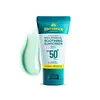
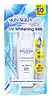
Amaterasun 100% Physical Soothing Sunscreen SPF50+ PA++++ Versus Skin Aqua UV Whitening Milk SPF 50 PA++++
This hybrid sunscreen covers the full UV range and blocks ~98% of UVB at SPF 50.
This hybrid sunscreen covers the full UV range and blocks ~98% of UVB at SPF 50.


What's inside
What's inside
 Key Ingredients
Benefits
Concerns
Ingredients Side-by-side
Water
Skin ConditioningZinc Oxide
Cosmetic Colorant


Cyclopentasiloxane
Emollient
Propanediol
Solvent

Dicaprylyl Carbonate
EmollientDisiloxane
Skin Conditioning
Propylheptyl Caprylate
EmollientNiacinamide
Smoothing









Lauryl Polyglyceryl-3 Polydimethylsiloxyethyl Dimethicone
Skin Conditioning
1,2-Hexanediol
Skin Conditioning
Nymphaea Alba Flower Extract
Skin ConditioningCeramide NP
Skin Conditioning
Panthenol
Skin Conditioning
Glycyrrhiza Glabra Root Extract
Bleaching
Phospholipids
Skin Conditioning
Rosmarinus Officinalis Leaf Extract
AntimicrobialHelianthus Annuus Seed Oil
Emollient


Lactobacillus Ferment
Skin Conditioning
Cholesterol
Emollient
Tocopheryl Acetate
Antioxidant

Solanum Lycopersicum Fruit Extract
Antioxidant
Dipotassium Glycyrrhizate
Humectant
Glycerin
Humectant
Tremella Fuciformis Extract
Humectant
Tocopherol
Antioxidant
Ethyl Ferulate
Antioxidant
Isododecane
EmollientAscorbyl Glucoside
Antioxidant
Ethylhexyl Palmitate
Emollient


Hydrogenated Lecithin
Emulsifying
Sodium Palmitoyl Proline
Skin Conditioning3-O-Ethyl Ascorbic Acid
Skin Conditioning
Disteardimonium Hectorite
StabilisingMagnesium Sulfate
Polyglyceryl-2 Dipolyhydroxystearate
Skin Conditioning
Dipropylene Glycol
HumectantIsopropyl Myristate
Emollient
Chitosan
Butylene Glycol
Humectant
Trimethylsiloxysilicate
Emollient
Acrylates/Polytrimethylsiloxymethacrylate Copolymer
Skin ConditioningYeast Extract
Skin ConditioningPentylene Glycol
Skin Conditioning
Cyanocobalamin
Skin ConditioningPolyhydroxystearic Acid
Emulsifying
Dimethicone
Emollient
Hydroxyacetophenone
Antioxidant
Triethoxycaprylylsilane
Polyglyceryl-4 Diisostearate/Polyhydroxystearate/Sebacate
Emulsifying
Lecithin
Emollient
Octyldodecanol
Emollient
Isostearic Acid
Cleansing
CI 77288
Cosmetic ColorantPolyglyceryl-3 Polyricinoleate
Emulsifying
Neopentyl Glycol Diethylhexanoate
Emollient
Ethyl Hexanediol
SolventMagnesium Chloride
Calcium Gluconate
HumectantPyridoxine Hcl
Skin ConditioningPolyglyceryl-10 Laurate
Skin Conditioning
Ethylhexylglycerin
Skin ConditioningWater, Zinc Oxide, Cyclopentasiloxane, Propanediol, Dicaprylyl Carbonate, Disiloxane, Propylheptyl Caprylate, Niacinamide, Lauryl Polyglyceryl-3 Polydimethylsiloxyethyl Dimethicone, 1,2-Hexanediol, Nymphaea Alba Flower Extract, Ceramide NP, Panthenol, Glycyrrhiza Glabra Root Extract, Phospholipids, Rosmarinus Officinalis Leaf Extract, Helianthus Annuus Seed Oil, Lactobacillus Ferment, Cholesterol, Tocopheryl Acetate, Solanum Lycopersicum Fruit Extract, Dipotassium Glycyrrhizate, Glycerin, Tremella Fuciformis Extract, Tocopherol, Ethyl Ferulate, Isododecane, Ascorbyl Glucoside, Ethylhexyl Palmitate, Hydrogenated Lecithin, Sodium Palmitoyl Proline, 3-O-Ethyl Ascorbic Acid, Disteardimonium Hectorite, Magnesium Sulfate, Polyglyceryl-2 Dipolyhydroxystearate, Dipropylene Glycol, Isopropyl Myristate, Chitosan, Butylene Glycol, Trimethylsiloxysilicate, Acrylates/Polytrimethylsiloxymethacrylate Copolymer, Yeast Extract, Pentylene Glycol, Cyanocobalamin, Polyhydroxystearic Acid, Dimethicone, Hydroxyacetophenone, Triethoxycaprylylsilane, Polyglyceryl-4 Diisostearate/Polyhydroxystearate/Sebacate, Lecithin, Octyldodecanol, Isostearic Acid, CI 77288, Polyglyceryl-3 Polyricinoleate, Neopentyl Glycol Diethylhexanoate, Ethyl Hexanediol, Magnesium Chloride, Calcium Gluconate, Pyridoxine Hcl, Polyglyceryl-10 Laurate, Ethylhexylglycerin
Water
Skin ConditioningEthylhexyl Methoxycinnamate
UV Absorber
Butylene Glycol
Humectant
Methylene Bis-Benzotriazolyl Tetramethylbutylphenol
UV Filter
Polymethylsilsesquioxane
Cyclopentasiloxane
Emollient
Tranexamic Acid
Astringent
Diethylamino Hydroxybenzoyl Hexyl Benzoate
UV Filter
Polysorbate 60
Emulsifying
Cetearyl Alcohol
Emollient
Silica
Abrasive
Bis-Ethylhexyloxyphenol Methoxyphenyl Triazine
UV Absorber
Decyl Glucoside
Cleansing
Titanium Dioxide
Cosmetic Colorant
Phenoxyethanol
Preservative
Triethanolamine
BufferingAcrylates/C10-30 Alkyl Acrylate Crosspolymer
Emulsion StabilisingHexylglycerin
HumectantDisodium EDTA
Propylene Glycol
Humectant
Xanthan Gum
EmulsifyingSodium Acetylated Hyaluronate
Humectant
Water, Ethylhexyl Methoxycinnamate, Butylene Glycol, Methylene Bis-Benzotriazolyl Tetramethylbutylphenol, Polymethylsilsesquioxane, Cyclopentasiloxane, Tranexamic Acid, Diethylamino Hydroxybenzoyl Hexyl Benzoate, Polysorbate 60, Cetearyl Alcohol, Silica, Bis-Ethylhexyloxyphenol Methoxyphenyl Triazine, Decyl Glucoside, Titanium Dioxide, Phenoxyethanol, Triethanolamine, Acrylates/C10-30 Alkyl Acrylate Crosspolymer, Hexylglycerin, Disodium EDTA, Propylene Glycol, Xanthan Gum, Sodium Acetylated Hyaluronate
Reviews
Ingredients Explained
These ingredients are found in both products.
Ingredients higher up in an ingredient list are typically present in a larger amount.
Butylene Glycol (or BG) is used within cosmetic products for a few different reasons:
Overall, Butylene Glycol is a safe and well-rounded ingredient that works well with other ingredients.
Though this ingredient works well with most skin types, some people with sensitive skin may experience a reaction such as allergic rashes, closed comedones, or itchiness.
Learn more about Butylene GlycolCyclopentasiloxane (D5) is a lightweight silicone that mostly acts as an emollient and solvent in cosmetics. Its the reason your products feel silky, fast-spreading, and non-greasy.
Since D5 is volatile, it does its thing and then evaporates off the skin quickly.
The safety profile of this ingredient is reassuring; the US CIR Expert Panel concluded D5 is safe as used in cosmetics and Health Canada concluded that D5 is not harmful to human health or the environment as currently used in cosmetics
There's a study that people mention about D5 in a rat study showing tumors. This study is related to long-term inhalation of high D5 levels.
Regulatory bodies have judged this study to be not applicable in topical skincare since skin absorption of D5 is very low and we're not really inhaling huge amounts of D5.
The only restriction for this ingredient is environmental. The European Chemicals Agency (ECHA) restricted D5 in wash-off cosmetics at or above 0.1% due to their persistence in water.
Learn more about CyclopentasiloxaneWater. It's the most common cosmetic ingredient of all. You'll usually see it at the top of ingredient lists, meaning that it makes up the largest part of the product.
So why is it so popular? Water most often acts as a solvent - this means that it helps dissolve other ingredients into the formulation.
You'll also recognize water as that liquid we all need to stay alive. If you see this, drink a glass of water. Remember to stay hydrated!
Learn more about Water

