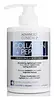
This hydrating body lotion is formulated around Palmitoyl Tetrapeptide-7 and Palmitoyl Oligopeptide to hydrate skin and soften the look of wrinkles.

What's inside
What's inside
 Key Ingredients
Benefits
Concerns
Ingredients Side-by-side
Water
Skin ConditioningGlycerin
Humectant


Cetyl Alcohol
Emollient



Caprylic/Capric Triglyceride
Masking
C13-15 Alkane
SolventButyrospermum Parkii Butter
Skin Conditioning


C18-21 Alkane
SolventSoluble Collagen
Humectant
Aloe Barbadensis Leaf Juice
Skin Conditioning

Palmitoyl Tetrapeptide-7
Skin Conditioning

Palmitoyl Oligopeptide
Cleansing
Glyceryl Stearate
Emollient
Cetearyl Phosphate
Skin Conditioning
Synthetic Beeswax
Emulsion Stabilising
Oryza Sativa Bran Extract
Skin Conditioning
Helianthus Annuus Extract
Emollient
Rosmarinus Officinalis Leaf Extract
AntimicrobialButylene Glycol
Humectant
Xanthan Gum
EmulsifyingTocopherol
Antioxidant



Polysorbate 20
Emulsifying
Carbomer
Emulsion StabilisingTetrasodium Glutamate Diacetate
ChelatingPhenoxyethanol
Preservative
Caprylyl Glycol
Emollient
Ethylhexylglycerin
Skin ConditioningHexylene Glycol
EmulsifyingSodium Hydroxide
BufferingWater, Glycerin, Cetyl Alcohol, Caprylic/Capric Triglyceride, C13-15 Alkane, Butyrospermum Parkii Butter, C18-21 Alkane, Soluble Collagen, Aloe Barbadensis Leaf Juice, Palmitoyl Tetrapeptide-7, Palmitoyl Oligopeptide, Glyceryl Stearate, Cetearyl Phosphate, Synthetic Beeswax, Oryza Sativa Bran Extract, Helianthus Annuus Extract, Rosmarinus Officinalis Leaf Extract, Butylene Glycol, Xanthan Gum, Tocopherol, Polysorbate 20, Carbomer, Tetrasodium Glutamate Diacetate, Phenoxyethanol, Caprylyl Glycol, Ethylhexylglycerin, Hexylene Glycol, Sodium Hydroxide
Water
Skin ConditioningCaprylic/Capric Triglyceride
Masking
Glyceryl Stearate
Emollient
Octyldodecanol
Emollient
Glycerin
Humectant
Behenyl Alcohol
Emollient
Butylene Glycol
Humectant
Squalane
Emollient
Propanediol
Solvent
Polyglyceryl-3 Stearate
Emulsifying
Stearic Acid
Cleansing
Cetyl Alcohol
Emollient
Olea Europaea Fruit Oil
Masking

Theobroma Cacao Seed Butter
Emollient
Fructose
Humectant
Hydrolyzed Rice Protein
Skin ConditioningHydrolyzed Soy Flour
Skin ConditioningNelumbo Nucifera Leaf Extract
Skin ConditioningButyrospermum Parkii Butter Extract
Skin Conditioning
Persea Gratissima Fruit Extract
EmollientWithania Somnifera Root Extract
Skin Conditioning
Citrullus Lanatus Fruit Extract
Skin Conditioning
Pyrus Malus Fruit Extract
Skin Conditioning
Lens Esculenta Fruit Extract
Skin ConditioningAvena Sativa Kernel Extract
Abrasive
Hydrolyzed Jojoba Esters
Skin Conditioning
Helianthus Annuus Extract
Emollient
1,2-Hexanediol
Skin Conditioning
Diheptyl Succinate
EmollientCapryloyl Glycerin/Sebacic Acid Copolymer
Skin ConditioningBentonite
Absorbent

Potassium Cetyl Phosphate
EmulsifyingOryza Sativa Bran Extract
Skin Conditioning
Sodium PCA
Humectant
Acrylates/C10-30 Alkyl Acrylate Crosspolymer
Emulsion StabilisingAllantoin
Skin Conditioning
Chlorphenesin
Antimicrobial
Tocopherol
Antioxidant
Citrus Aurantium Bergamia Fruit Oil
Masking

Caprylhydroxamic Acid
ChelatingTrisodium Ethylenediamine Disuccinate
ChelatingRosmarinus Officinalis Leaf Extract
AntimicrobialPentylene Glycol
Skin Conditioning
Sodium Lactate
Buffering
Menthoxypropanediol
Masking
Sodium Hydroxide
BufferingCitric Acid
Buffering
Sodium Benzoate
Masking
Potassium Sorbate
Preservative
Water, Caprylic/Capric Triglyceride, Glyceryl Stearate, Octyldodecanol, Glycerin, Behenyl Alcohol, Butylene Glycol, Squalane, Propanediol, Polyglyceryl-3 Stearate, Stearic Acid, Cetyl Alcohol, Olea Europaea Fruit Oil, Theobroma Cacao Seed Butter, Fructose, Hydrolyzed Rice Protein, Hydrolyzed Soy Flour, Nelumbo Nucifera Leaf Extract, Butyrospermum Parkii Butter Extract, Persea Gratissima Fruit Extract, Withania Somnifera Root Extract, Citrullus Lanatus Fruit Extract, Pyrus Malus Fruit Extract, Lens Esculenta Fruit Extract, Avena Sativa Kernel Extract, Hydrolyzed Jojoba Esters, Helianthus Annuus Extract, 1,2-Hexanediol, Diheptyl Succinate, Capryloyl Glycerin/Sebacic Acid Copolymer, Bentonite, Potassium Cetyl Phosphate, Oryza Sativa Bran Extract, Sodium PCA, Acrylates/C10-30 Alkyl Acrylate Crosspolymer, Allantoin, Chlorphenesin, Tocopherol, Citrus Aurantium Bergamia Fruit Oil, Caprylhydroxamic Acid, Trisodium Ethylenediamine Disuccinate, Rosmarinus Officinalis Leaf Extract, Pentylene Glycol, Sodium Lactate, Menthoxypropanediol, Sodium Hydroxide, Citric Acid, Sodium Benzoate, Potassium Sorbate
Ingredients Explained
These ingredients are found in both products.
Ingredients higher up in an ingredient list are typically present in a larger amount.
Butylene Glycol (or BG) is used within cosmetic products for a few different reasons:
Overall, Butylene Glycol is a safe and well-rounded ingredient that works well with other ingredients.
Though this ingredient works well with most skin types, some people with sensitive skin may experience a reaction such as allergic rashes, closed comedones, or itchiness.
Learn more about Butylene GlycolCaprylic/Capric Triglyceride (aka MCT Oil) is a lightweight emollient, solvent, and texture enhancer. It is considered a skin-softener by helping to prevent moisture loss.
Though it behaves like an oil, it is not technically one due to its chemical composition. One perk of this ingredient is that it is very stable, resistant to oxidation, and unlikely to go rancid.
In practice, that translates to a long shelf life and a consistently elegant skin feel.
While there is an assumption Caprylic Triglyceride can clog pores due to it being derived from coconut oil, there is no research supporting this. Just patch test if you have concerns.
Fractionated coconut oil and MCT Oil are both listed as Caprylic/Capric Triglyceride according to INCI. This is because INCI names are based on the ingredient’s final chemical composition and not its marketing name or source.
This ingredient is treated as the gold standard fungal acne safe oil. Even though it is coconut derived, the problematic lauric acid is stripped out.
This leaves just caprylic (C8) and capric (C10) acid. These chain lengths actually trend antifungal; a 2020 study found caprylic acid was enough to disrupt Malassezia furfur cell membrane, with a caprylic acid derivative damaging membrane structures at concentrations as low as 0.2%.
Learn more about Caprylic/Capric TriglycerideCetyl Alcohol is a fatty alcohol. Fatty Alcohols are most often used as an emollient or to thicken a product.
Its main roles are:
Though it has "alcohol" in the name, it is not related to denatured alcohol or ethyl alcohol.
The FDA allows products labeled "alcohol-free" to have fatty alcohols.
This ingredient may not be fungal acne safe. It is a primary fatty alcohol with a chain length above 12 carbons. A study from 2019 show Malassezia can feed on fatty alcohols in this range, so it may trigger fungal acne in those prone to it.
Learn more about Cetyl AlcoholGlycerin (or glycerol) is a compound naturally found in your skin. It's a powerhouse humectant that pulls water into the stratum corneum.
Topically, glycerin does several things at once:
Your skin makes glycerin on its own (mostly from sebaceous oil breakdown) and shuttles it to your outermost layer of skin, or your epidermis, via aquaporin-3.
Aquaporin-3 is a transporter that is essential for normal skin hydration, elasticity, and repair. Interestingly, mice lacking in AQP3 have dry and less elastic skin that can be fully corrected with glycerin.
This ingredient is non-irritating, plays well with almost every ingredient, and works across all skin types. Typical use is anywhere between 3-10% but can go up to 79% in some leave-on products.
Just know very high concentrations (>40%) can feel tacky in low humidity.
Glycerin is the name for this ingredient in American English. British English uses Glycerol/Glycerine.
Learn more about GlycerinGlyceryl Stearate is made by reacting glycerin with stearic acid (typically sourced from plant oils like palm or coconut). It's an emulsifier, emollient, and mild occlusive.
Emulsifiers help ingredients like oil and water stay mixed so your formula stays nicely blended and uniform in texture.
This ingredient is typically used in concentrations between 1-10%. Studies have found it to be non-sensitizing, non-phototoxic, and non-photoallergenic.
A close cousin of this ingredient is Glyceryl Stearate SE ("self-emulsifying"). This just has a small amount of sodium or potassium stearate added so it can emulsify without a co-emulsifier.
Since this ingredient is an ester of a C18 fatty acid, it may not be fungal acne safe. The Malassezia yeast can potentially metabolize within the C11-C24 range.
Fun fact: The human body also creates Glyceryl Stearate naturally.
Learn more about Glyceryl StearateHelianthus Annuus Extract comes from the common sunflower.
Sunflowers are rich in vitamin E. Studies show sunflowers contain antimicrobial and antioxidant properties.
The fatty acids found in sunflowers include (from highest amount to least): linoleic acid, myristic acid, palmitic acid, stearic acid, arachidic acid, oleic acid, and linolenic acid.
These fatty acids hydrate your skin. Emollients create a film on the skin to prevent moisture from escaping.
Learn more about Helianthus Annuus ExtractOryza Sativa Bran Extract comes from the outer layer of a rice kernel. It is a byproduct of milling rice, or the operation to produce a whole grain rice product.
This ingredient has moisturizing properties due to its components of polysaccharides and omega-3 fatty acids. It also contains calcium, selenium, phosphorus, iron, and zinc.
Oryza Sativa Bran Extract contains numerous antioxidants such as ferulic acid. Antioxidants help fight free-radical molecules. Free-radical molecules are capable of damaging our cells and other genetic material.
Learn more about Oryza Sativa Bran ExtractThis is a botanical extract from the rosemary plant (the same one you cook with). In skincare, it mostly works as a skin conditioning agent.
Its activity comes from a handful of polyphenols, carnosic acid, carnosol, and rosmarinic acid. Almost 90% of the antioxidant activity of this ingredient can be attributed to canosol and carnosic acid.
These compounds protect your skin two ways:
1) They fight off free radicals, or the unstable molecules from things like sun and pollution that age and damage skin.
2) They help calm inflammation by switching off the chemical signals that tell skin to get red and irritated.
Lab studies also suggest that rosmarinic acid may help protect collagen and slow sugar-related damage to it.
The Cosmetic Ingredient Review has concluded rosemary-derived ingredients to be safe when formulated to be non-sensitizing.
Rosemary can occasionally cause allergic contact dermatitis (due to carnosol), so be sure to patch test if you have reactive or fragrance-sensitive skin.
Learn more about Rosmarinus Officinalis Leaf ExtractSodium Hydroxide is also known as lye or caustic soda. It is used to adjust the pH of products; many ingredients require a specific pH to be effective.
In small amounts, sodium hydroxide is considered safe to use. However, large amounts may cause chemical burns due to its high alkaline.
Your skin has a natural pH and acid mantle. This acid mantle helps prevent harmful bacteria from breaking through. The acid mantle also helps keep your skin hydrated.
"Alkaline" refers to a high pH level. A low pH level would be considered acidic.
Learn more about Sodium HydroxideTocopherol is a fat-soluble antioxidant known as Vitamin E.
You'll find this ingredient in the vast majority of skincare (for good reason). It works to neutralize free radicals, or unstable molecules generated by UV exposure, pollution, and other environmental stressors, before they can cause oxidative damage to your skin cells.
Topically applied tocopherol has been shown to protect against UV damage by ramping up the skin's own natural defense enzymes.
It also acts as a skin conditioning agent; some studies show that regular topical use can improve the skin's water-binding capacity over 2-4 weeks.
This ingredient is especially loved for being a team player. When combined with Vitamin C, the photoprotective effect of both ingredients roughly doubles and the combo also helps reduce UV-induced DNA damage.
This ingredient has some brightening potential but it's more of a prevention ingredient than spot-fader. Cell studies show it can slow down melanin production but it's worth noting that it's not the most powerful brightener out there.
In formulations, it also serves as a stabilizer that helps protect other oxidation-prone ingredients from degrading.
Concentrations usually range from 0.1-1% in most leave-on products.
Learn more about TocopherolWater. It's the most common cosmetic ingredient of all. You'll usually see it at the top of ingredient lists, meaning that it makes up the largest part of the product.
So why is it so popular? Water most often acts as a solvent - this means that it helps dissolve other ingredients into the formulation.
You'll also recognize water as that liquid we all need to stay alive. If you see this, drink a glass of water. Remember to stay hydrated!
Learn more about Water

