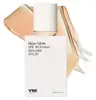
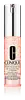
YSE Beauty Skin Glow SPF 30 Primer Versus Clinique Moisture Surge Eye 96-Hour Hydro-Filler Concentrate
This anti-aging eye moisturizer is formulated around Caffeine and Acetyl Hexapeptide-8 to soften the look of wrinkles.

What's inside
What's inside
 Key Ingredients
Benefits
Concerns
Ingredients Side-by-side
Water
Skin ConditioningPropanediol
Solvent

Butyloctyl Salicylate
Skin Conditioning

Cetearyl Alcohol
Emollient






Polymethylsilsesquioxane

Dimethicone
Emollient
Dicaprylyl Carbonate
EmollientCI 77163
Cosmetic Colorant
Glyceryl Stearate
Emollient
Jojoba Esters
Emollient
Sodium Stearoyl Glutamate
CleansingPhenoxyethanol
Preservative
Dimethicone Crosspolymer
Emulsion Stabilising
Mica
Cosmetic ColorantEthylhexyl Hydroxystearate
Emollient
Xanthan Gum
EmulsifyingIron Oxides
Helianthus Annuus Seed Wax
Skin Conditioning
Oryza Sativa Bran Extract
Skin Conditioning
Chlorphenesin
Antimicrobial
Acrylates/C10-30 Alkyl Acrylate Crosspolymer
Emulsion StabilisingCaprylyl Glycol
Emollient
Niacinamide
Smoothing









CI 77891
Cosmetic ColorantEthylhexylglycerin
Skin ConditioningHexylene Glycol
EmulsifyingStearyl Glycyrrhetinate
Skin ConditioningTetrasodium Glutamate Diacetate
Helianthus Annuus Extract
Emollient
Sucrose
Humectant
Glycyrrhiza Glabra Root Extract
Bleaching
Sodium Hydroxide
BufferingPolyglycerin-3
Humectant
Tocopherol
Antioxidant

Rosmarinus Officinalis Leaf Extract
AntimicrobialSpirulina Maxima Extract
SmoothingSodium Hyaluronate
Humectant
Lecithin
Emollient
Butyl Methoxydibenzoylmethane
UV Absorber
Homosalate
Skin Conditioning
Ethylhexyl Salicylate
UV Absorber
Octocrylene
UV Absorber
Water, Propanediol, Butyloctyl Salicylate, Cetearyl Alcohol, Polymethylsilsesquioxane, Dimethicone, Dicaprylyl Carbonate, CI 77163, Glyceryl Stearate, Jojoba Esters, Sodium Stearoyl Glutamate, Phenoxyethanol, Dimethicone Crosspolymer, Mica, Ethylhexyl Hydroxystearate, Xanthan Gum, Iron Oxides, Helianthus Annuus Seed Wax, Oryza Sativa Bran Extract, Chlorphenesin, Acrylates/C10-30 Alkyl Acrylate Crosspolymer, Caprylyl Glycol, Niacinamide, CI 77891, Ethylhexylglycerin, Hexylene Glycol, Stearyl Glycyrrhetinate, Tetrasodium Glutamate Diacetate, Helianthus Annuus Extract, Sucrose, Glycyrrhiza Glabra Root Extract, Sodium Hydroxide, Polyglycerin-3, Tocopherol, Rosmarinus Officinalis Leaf Extract, Spirulina Maxima Extract, Sodium Hyaluronate, Lecithin, Butyl Methoxydibenzoylmethane, Homosalate, Ethylhexyl Salicylate, Octocrylene
Water
Skin ConditioningGlycerin
Humectant
Butylene Glycol
Humectant
Propanediol
Solvent
Phenyl Trimethicone
Skin Conditioning
Sucrose
Humectant
Hydroxyethyl Urea
Humectant
Camellia Sinensis Leaf Extract
Antimicrobial
Hypnea Musciformis Extract
Skin Protecting
Trehalose
Humectant
Algae Extract
Emollient
Alteromonas Ferment Extract
Skin Conditioning
Acetyl Glucosamine
Skin Conditioning
Gelidiella Acerosa Extract
Skin Protecting
Chlorella Vulgaris Extract
Skin ConditioningAloe Barbadensis Leaf Water
MaskingSorbitol
Humectant
Cholesterol
Emollient
Niacinamide
Smoothing
Pentaerythrityl Tetraethylhexanoate
Emollient
Sodium Polyaspartate
HumectantAloe Barbadensis Leaf Extract
Emollient
Cocos Nucifera Oil
Masking

Hydrolyzed Rice Extract
Skin Conditioning
Caffeine
Skin Conditioning
Acetyl Hexapeptide-8
Humectant
Tocopheryl Acetate
Antioxidant
Cucumis Sativus Fruit Extract
Emollient
Palmitoyl Hexapeptide-12
Skin Conditioning
Glyceryl Acrylate/Acrylic Acid Copolymer
HumectantGlyceryl Polymethacrylate
Acrylates/C10-30 Alkyl Acrylate Crosspolymer
Emulsion StabilisingPEG-7m
Emulsion StabilisingDextrin Palmitate
Emulsifying
Dehydroxanthan Gum
Emulsion StabilisingSodium Hyaluronate
Humectant
Pentaerythrityl Adipate/Caprate/Caprylate/Heptanoate
EmollientTetrahexyldecyl Ascorbate
Antioxidant
Carbomer
Emulsion StabilisingPEG-8
HumectantSodium Hydroxide
BufferingCitric Acid
Buffering
Triethoxycaprylylsilane
Disodium EDTA
Sodium Citrate
BufferingPentaerythrityl Tetra-Di-T-Butyl Hydroxyhydrocinnamate
Antioxidant
BHT
Antioxidant
Phenoxyethanol
Preservative
Chlorphenesin
Antimicrobial
CI 42090
Cosmetic ColorantCI 19140
Cosmetic ColorantCI 77491
Cosmetic ColorantWater, Glycerin, Butylene Glycol, Propanediol, Phenyl Trimethicone, Sucrose, Hydroxyethyl Urea, Camellia Sinensis Leaf Extract, Hypnea Musciformis Extract, Trehalose, Algae Extract, Alteromonas Ferment Extract, Acetyl Glucosamine, Gelidiella Acerosa Extract, Chlorella Vulgaris Extract, Aloe Barbadensis Leaf Water, Sorbitol, Cholesterol, Niacinamide, Pentaerythrityl Tetraethylhexanoate, Sodium Polyaspartate, Aloe Barbadensis Leaf Extract, Cocos Nucifera Oil, Hydrolyzed Rice Extract, Caffeine, Acetyl Hexapeptide-8, Tocopheryl Acetate, Cucumis Sativus Fruit Extract, Palmitoyl Hexapeptide-12, Glyceryl Acrylate/Acrylic Acid Copolymer, Glyceryl Polymethacrylate, Acrylates/C10-30 Alkyl Acrylate Crosspolymer, PEG-7m, Dextrin Palmitate, Dehydroxanthan Gum, Sodium Hyaluronate, Pentaerythrityl Adipate/Caprate/Caprylate/Heptanoate, Tetrahexyldecyl Ascorbate, Carbomer, PEG-8, Sodium Hydroxide, Citric Acid, Triethoxycaprylylsilane, Disodium EDTA, Sodium Citrate, Pentaerythrityl Tetra-Di-T-Butyl Hydroxyhydrocinnamate, BHT, Phenoxyethanol, Chlorphenesin, CI 42090, CI 19140, CI 77491
Ingredients Explained
These ingredients are found in both products.
Ingredients higher up in an ingredient list are typically present in a larger amount.
Acrylates/C10-30 Alkyl Acrylate Crosspolymer is a synthetic polymer. It is used to thicken, emulsify, and improve the texture of products.
As an emulsifier, it helps stabilize oil-in-water emulsions to give products an elegant feel when applied.
It can also form a thin protective film on skin. One study found that a formula using this polymer helped slow down how quickly other ingredients (like DEET) were absorbed through skin.
A 2024 study of over 1,300 patients confirmed that sensitization to this ingredient is rare. It is also non-mutagenic and has a clean track record.
Learn more about Acrylates/C10-30 Alkyl Acrylate CrosspolymerChlorphenesin is a synthetic preservative. It helps protect a product against bacteria in order to extend shelf life. In most cases, Chlorphenesin is paired with other preservatives such as phenoxyethanol and caprylyl glycol.
Chlorphenesin is a biocide. This means it is able to help fight the microorganisms on our skin. It is also able to fight odor-releasing bacteria.
Chlorphenesin is soluble in both water and glycerin.
Studies show Chlorphenesin is easily absorbed by our skin. You should speak with a skincare professional if you have concerns about using Chlorphenesin.
Learn more about ChlorphenesinNiacinamide is a multitasking form of vitamin B3 that strengthens the skin barrier, reduces pores and dark spots, regulates oil, and improves signs of aging.
And the best part? It's gentle and well-tolerated by most skin types, including sensitive and reactive skin.
You might have heard of "niacin flush", or the reddening of skin that causes itchiness. Niacinamide has not been found to cause this.
In very rare cases, some individuals may not be able to tolerate niacinamide at all or experience an allergic reaction to it.
If you are experiencing flaking, irritation, and dryness with this ingredient, be sure to double check all your products as this ingredient can be found in all categories of skincare.
When incorporating niacinamide into your routine, look out for concentration amounts. Typically, 5% niacinamide provides benefits such as fading dark spots. However, if you have sensitive skin, it is better to begin with a smaller concentration.
When you apply niacinamide to your skin, your body converts it into nicotinamide adenine dinucleotide (NAD). NAD is an essential coenzyme that is already found in your cells as "fuel" and powers countless biological processes.
In your skin, NAD helps repair cell damage, produce new healthy cells, support collagen production, strengthen the skin barrier, and fight environmental stressors (like UV and pollution).
Our natural NAD levels start to decline with age, leading to slower skin repair, visible aging, and a weaker skin barrier. By providing your skin niacinamide, you're recharging your skin's NAD levels. This leads to stronger, healthier, and younger looking skin.
Another name for vitamin B3 is nicotinamide. This vitamin is water-soluble and our bodies don't store it. We obtain Vitamin B3 from either food or skincare. Meat, fish, wheat, yeast, and leafy greens contain vitamin B3.
The type of niacinamide used in skincare is synthetically created.
Learn more about NiacinamidePhenoxyethanol is one of the most widely used preservatives in skincare (and for good reason!).
It has a large spectrum of antimicrobial activity and especially effective bacteria, yeast, and mold while only having a weak effect on your skin's natural microbiome.
On a cellular level, it disrupts the cell membranes of microbes by poking holes that make the cell leak. This shuts down the chemical reactions the microbe needs to make energy so it can no longer survive.
Another perk of this ingredient is that it stays functional across a wide pH range (3-10).
You'll often see it paired with boosters like Ethylhexylglycerin; one study showed that a 1:9 ratio of Ethylhexylglycerin to Phenoxyethanol damages bacterial membranes as effectively as doubling the Phenoxyethanol concentration on its own.
Typical use concentrations range from 0.3-1% depending on the formula, and this ingredient is capped at 1% int the EU.
Safety-wise, the fear mongering does not hold up to the evidence. The EU's Scientific Committee on Consumer Safety and FDA consider it safe as a preservative at up to 1%, including for children of all ages.
Adverse systemic effects only showed up in animal studies at exposures roughly 200x higher than what people get from cosmetics. And despite its very widespread use, this ingredient is a rare sensitizer and allergic reactions are uncommon.
Learn more about PhenoxyethanolPropanediol is an all-star ingredient. It softens, hydrates, and smooths the skin.
It’s often used to:
Propanediol is not likely to cause sensitivity and considered safe to use. It is derived from corn or petroleum with a clear color and no scent.
Learn more about PropanediolSodium Hyaluronate is the salt form of hyaluronic acid. It is a long sugar chain that is naturally found in your skin, joints, and connective tissue that maintains hydration and elasticity.
In skincare, it works as a humectant. It pulls water from the environment and deeper layers of skin and binds it to the surface.
Interestingly, the size of the molecule affects its behavior:
Some clinical evidence links low molecular weight versions to improved wrinkle depth, elasticity, anti-inflammatory effects, and barrier repair.
Many serums use a blend of both weights so you can get surface hydration plus longer-lasting and deeper effects.
You'll typically see concentrations between 0.1-2% for this ingredient.
Learn more about Sodium HyaluronateSodium Hydroxide is also known as lye or caustic soda. It is used to adjust the pH of products; many ingredients require a specific pH to be effective.
In small amounts, sodium hydroxide is considered safe to use. However, large amounts may cause chemical burns due to its high alkaline.
Your skin has a natural pH and acid mantle. This acid mantle helps prevent harmful bacteria from breaking through. The acid mantle also helps keep your skin hydrated.
"Alkaline" refers to a high pH level. A low pH level would be considered acidic.
Learn more about Sodium HydroxideSucrose is a natural sugar found in fruits, vegetables, and nuts. It is the main constituent of white sugar.
In skincare, sucrose is a humectant and can be a mild exfoliant.
Sucrose is hydrophilic, meaning it attracts water. This makes it an effective humectant and helps hydrate the skin.
Studies show sugars may worsen acne-prone skin due to it disrupting the skin's natural biome. We recommend speaking with a professional if you have any concerns.
In some products such as body scrubs, sucrose is used as an gentle exfoliant.
The term 'sucrose' comes from the french word for sugar, 'sucre'.
Learn more about SucroseWater. It's the most common cosmetic ingredient of all. You'll usually see it at the top of ingredient lists, meaning that it makes up the largest part of the product.
So why is it so popular? Water most often acts as a solvent - this means that it helps dissolve other ingredients into the formulation.
You'll also recognize water as that liquid we all need to stay alive. If you see this, drink a glass of water. Remember to stay hydrated!
Learn more about Water

