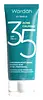
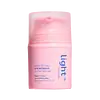
Wardah UV Shield Acne Calming Sunscreen Moisturizer SPF 35 PA+++ Versus Wardah HPR Retinoid Bright + Acne Serum Moisturizer
This chemical sunscreen covers most of the UV range, lighter on the deep UVA that drives aging.
This acne moisturizer is formulated around Niacinamide and Hydroxypinacolone Retinoate to clear breakouts and brighten dull-looking skin.

What's inside
What's inside
 Key Ingredients
Benefits
Concerns
Ingredients Side-by-side
Water
Skin ConditioningEthylhexyl Methoxycinnamate
UV Absorber


Niacinamide
Smoothing











Butyl Methoxydibenzoylmethane
UV Absorber
Aluminum Starch Octenylsuccinate
Absorbent
Phenoxyethanol
Preservative
Cetearyl Olivate


Propanediol
Solvent
Butylene Glycol
Humectant
Octocrylene
UV Absorber
Acrylates/C10-30 Alkyl Acrylate Crosspolymer
Emulsion StabilisingSorbitan Olivate
Emulsifying
Polymethyl Methacrylate
Aminomethyl Propanol
BufferingAllantoin
Skin Conditioning
Panthenol
Skin Conditioning
Salicylic Acid
Masking

Xanthan Gum
EmulsifyingTriethylene Glycol
Masking

Ethylhexyl Triazone
UV Absorber
Tetrasodium EDTA
Lecithin
Emollient
BHT
Antioxidant
Water, Ethylhexyl Methoxycinnamate, Niacinamide, Butyl Methoxydibenzoylmethane, Aluminum Starch Octenylsuccinate, Phenoxyethanol, Cetearyl Olivate, Propanediol, Butylene Glycol, Octocrylene, Acrylates/C10-30 Alkyl Acrylate Crosspolymer, Sorbitan Olivate, Polymethyl Methacrylate, Aminomethyl Propanol, Allantoin, Panthenol, Salicylic Acid, Xanthan Gum, Triethylene Glycol, Ethylhexyl Triazone, Tetrasodium EDTA, Lecithin, BHT
Water
Skin ConditioningNiacinamide
Smoothing
Dimethicone
Emollient
Glycerin
Humectant
Methyl Gluceth-20
Humectant
Butylene Glycol
Humectant
Hydroxypinacolone Retinoate
Skin Conditioning
Cysteine
Antioxidant
Glutathione
Retinol
Skin Conditioning
Biosaccharide Gum-1
Humectant
Isohexadecane
EmollientCentella Asiatica Extract
Cleansing
Sodium Polyacryloyldimethyl Taurate
Emulsion StabilisingCetearyl Olivate
Camellia Sinensis Leaf Extract
Antimicrobial
Polysorbate 20
Emulsifying
Allantoin
Skin Conditioning
Bisabolol
Antioxidant
Ceramide NP
Skin Conditioning
Tocopherol
Antioxidant
Chlorphenesin
Antimicrobial
Sorbitan Olivate
Emulsifying
Dimethicone/Vinyl Dimethicone Crosspolymer
Skin Conditioning
Xanthan Gum
EmulsifyingHydroxyapatite
Abrasive
Disodium EDTA
Caprylic/Capric Triglyceride
Masking
Propylene Glycol
Humectant
Cetyl Palmitate
Emollient
Mentha Piperita Leaf Extract
Skin ConditioningCeteareth-12
EmulsifyingDeoxyphytantriyl Palmitamide Mea
Skin ConditioningHydrogenated Lecithin
Emulsifying
Polysorbate 60
Emulsifying
Glyceryl Stearate
Emollient
Titanium Dioxide
Cosmetic Colorant
Hydroxyacetophenone
Antioxidant
Cholesterol
Emollient
Zeolite
AbsorbentPentylene Glycol
Skin Conditioning
Ceteareth-20
Cleansing
Sodium Chloride
MaskingDimethyl Isosorbide
SolventPentaerythrityl Tetra-Di-T-Butyl Hydroxyhydrocinnamate
Antioxidant
Cetearyl Alcohol
Emollient

Potassium Sorbate
Preservative
Sodium Benzoate
Masking
Trideceth-9
EmulsifyingPEG-40 Hydrogenated Castor Oil
Emulsifying
Citric Acid
Buffering
Ethylhexylglycerin
Skin ConditioningTalc
Abrasive
Phenoxyethanol
Preservative
CI 19140
Cosmetic ColorantWater, Niacinamide, Dimethicone, Glycerin, Methyl Gluceth-20, Butylene Glycol, Hydroxypinacolone Retinoate, Cysteine, Glutathione, Retinol, Biosaccharide Gum-1, Isohexadecane, Centella Asiatica Extract, Sodium Polyacryloyldimethyl Taurate, Cetearyl Olivate, Camellia Sinensis Leaf Extract, Polysorbate 20, Allantoin, Bisabolol, Ceramide NP, Tocopherol, Chlorphenesin, Sorbitan Olivate, Dimethicone/Vinyl Dimethicone Crosspolymer, Xanthan Gum, Hydroxyapatite, Disodium EDTA, Caprylic/Capric Triglyceride, Propylene Glycol, Cetyl Palmitate, Mentha Piperita Leaf Extract, Ceteareth-12, Deoxyphytantriyl Palmitamide Mea, Hydrogenated Lecithin, Polysorbate 60, Glyceryl Stearate, Titanium Dioxide, Hydroxyacetophenone, Cholesterol, Zeolite, Pentylene Glycol, Ceteareth-20, Sodium Chloride, Dimethyl Isosorbide, Pentaerythrityl Tetra-Di-T-Butyl Hydroxyhydrocinnamate, Cetearyl Alcohol, Potassium Sorbate, Sodium Benzoate, Trideceth-9, PEG-40 Hydrogenated Castor Oil, Citric Acid, Ethylhexylglycerin, Talc, Phenoxyethanol, CI 19140
Reviews
Ingredients Explained
These ingredients are found in both products.
Ingredients higher up in an ingredient list are typically present in a larger amount.
Allantoin is a soothing ingredient known for its protective and moisturizing properties; it's basically a quiet workhorse ingredient you can find in a huge range of cosmetics.
Though it can be derived from the comfrey plant, allantoin is produced synthetically for cosmetic products to ensure purity.
Research shows it can encourage your skin cells to turn over and renew by stimulating keratinocyte and fibroblast proliferation.
It also has mild keratolytic properties to help loosen and shed dead skin cells without being harsh.
Studies also suggest allantoin can help calm inflammation by dialing down some of the chemical signals your skin sends out when it is irritated.
This ingredient is typically used in the 0.1-0.5% range, and the FDA recognizes it as a skin protectant in OTC products up to 2%.
Overall, allantoin is a wonderful addition to most routines; it is stable across a wide pH range (~4-8), works well with other ingredients, and is considered non-sensitizing/non-irritating.
Fun fact: Allantoin is naturally occurring in comfrey root, beets, chamomile, and wheat sprouts. Our bodies even produce it as a byproduct of uric acid metabolism.
Learn more about AllantoinButylene Glycol (or BG) is used within cosmetic products for a few different reasons:
Overall, Butylene Glycol is a safe and well-rounded ingredient that works well with other ingredients.
Though this ingredient works well with most skin types, some people with sensitive skin may experience a reaction such as allergic rashes, closed comedones, or itchiness.
Learn more about Butylene GlycolCetearyl Olivate is a plant-derived emulsifier and texture enhancer. It helps keep the oil and water phases from separating so your formulas stay stable.
You'll likely see it combined with Sorbitan Olivate (together sold as the trade name Olivem 1000). This combination generates a liquid crystal structure that closely resemble the lipid organization of the stratum corneum.
These "skin-like" liquid crystals improve skin barrier integrity and promote the delivery of actives into the skin.
This ingredient is well-tolerated and has no significant sensitization data.
Because it is derived from the fatty acids in olive oil, this ingredient may not be fungal acne safe.
Learn more about Cetearyl OlivateNiacinamide is a multitasking form of vitamin B3 that strengthens the skin barrier, reduces pores and dark spots, regulates oil, and improves signs of aging.
And the best part? It's gentle and well-tolerated by most skin types, including sensitive and reactive skin.
You might have heard of "niacin flush", or the reddening of skin that causes itchiness. Niacinamide has not been found to cause this.
In very rare cases, some individuals may not be able to tolerate niacinamide at all or experience an allergic reaction to it.
If you are experiencing flaking, irritation, and dryness with this ingredient, be sure to double check all your products as this ingredient can be found in all categories of skincare.
When incorporating niacinamide into your routine, look out for concentration amounts. Typically, 5% niacinamide provides benefits such as fading dark spots. However, if you have sensitive skin, it is better to begin with a smaller concentration.
When you apply niacinamide to your skin, your body converts it into nicotinamide adenine dinucleotide (NAD). NAD is an essential coenzyme that is already found in your cells as "fuel" and powers countless biological processes.
In your skin, NAD helps repair cell damage, produce new healthy cells, support collagen production, strengthen the skin barrier, and fight environmental stressors (like UV and pollution).
Our natural NAD levels start to decline with age, leading to slower skin repair, visible aging, and a weaker skin barrier. By providing your skin niacinamide, you're recharging your skin's NAD levels. This leads to stronger, healthier, and younger looking skin.
Another name for vitamin B3 is nicotinamide. This vitamin is water-soluble and our bodies don't store it. We obtain Vitamin B3 from either food or skincare. Meat, fish, wheat, yeast, and leafy greens contain vitamin B3.
The type of niacinamide used in skincare is synthetically created.
Learn more about NiacinamidePhenoxyethanol is one of the most widely used preservatives in skincare (and for good reason!).
It has a large spectrum of antimicrobial activity and especially effective bacteria, yeast, and mold while only having a weak effect on your skin's natural microbiome.
On a cellular level, it disrupts the cell membranes of microbes by poking holes that make the cell leak. This shuts down the chemical reactions the microbe needs to make energy so it can no longer survive.
Another perk of this ingredient is that it stays functional across a wide pH range (3-10).
You'll often see it paired with boosters like Ethylhexylglycerin; one study showed that a 1:9 ratio of Ethylhexylglycerin to Phenoxyethanol damages bacterial membranes as effectively as doubling the Phenoxyethanol concentration on its own.
Typical use concentrations range from 0.3-1% depending on the formula, and this ingredient is capped at 1% int the EU.
Safety-wise, the fear mongering does not hold up to the evidence. The EU's Scientific Committee on Consumer Safety and FDA consider it safe as a preservative at up to 1%, including for children of all ages.
Adverse systemic effects only showed up in animal studies at exposures roughly 200x higher than what people get from cosmetics. And despite its very widespread use, this ingredient is a rare sensitizer and allergic reactions are uncommon.
Learn more about PhenoxyethanolSorbitan Olivate is created from the fatty acids in olive oil and sorbitol.
This ingredient is an oil in water emulsifier. It helps stabilize a product by preventing oils and waters from separating. Sorbitan Olivate also helps hydrate the skin.
This ingredient is also known as part of Olivem 1000, with Cetearyl Olivate being the other part.
According to a manufacturer, this ingredient helps preserve the natural microbiome of skin. Having a healthy microbiome helps keep our skin healthy and protects against harmful bacteria.
Please note, having a healthy microbiome is different from fungal acne; a healthy microbiome includes small amounts of yeast that normally live on your skin without causing problems.
Fungal acne happens when one type of yeast (Malassezia) grows out of control. This is usually because it's feeding on certain oils or fatty acids. Due to the olive oil base, this ingredient may not be fungal acne safe.
Learn more about Sorbitan OlivateWater. It's the most common cosmetic ingredient of all. You'll usually see it at the top of ingredient lists, meaning that it makes up the largest part of the product.
So why is it so popular? Water most often acts as a solvent - this means that it helps dissolve other ingredients into the formulation.
You'll also recognize water as that liquid we all need to stay alive. If you see this, drink a glass of water. Remember to stay hydrated!
Learn more about WaterXanthan gum is used as a stabilizer and thickener within cosmetic products. It helps give products a sticky, thick feeling - preventing them from being too runny.
On the technical side of things, xanthan gum is a polysaccharide - a combination consisting of multiple sugar molecules bonded together.
Xanthan gum is a pretty common and great ingredient. It is a natural, non-toxic, non-irritating ingredient that is also commonly used in food products.
Learn more about Xanthan Gum

