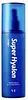
This hydrating essence is formulated around Hyaluronic Acid and Hydrolyzed Hyaluronic Acid to hydrate skin and strengthen the skin barrier.
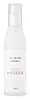
This hydrating essence is formulated around Betula Platyphylla Japonica Juice and Niacinamide to hydrate skin and strengthen the skin barrier.

What's inside
What's inside
 Key Ingredients
Benefits
Concerns
Ingredients Side-by-side
Water
Skin ConditioningMethylpropanediol
SolventPropanediol
Solvent

Glycerin
Humectant
Methyl Gluceth-20
Humectant
Cetearyl Alcohol
Emollient






Pentaerythrityl Tetraethylhexanoate
Emollient
Butylene Glycol
Humectant
Hyaluronic Acid
Humectant

Hydrolyzed Hyaluronic Acid
Humectant
Sodium Hyaluronate
Humectant
Dipentaerythrityl Hexahydroxystearate/Hexastearate/Hexarosinate
Skin Conditioning1,2-Hexanediol
Skin Conditioning
Butyrospermum Parkii Butter
Skin Conditioning
Hydroxyacetophenone
Antioxidant
Tromethamine
BufferingBehenyl Alcohol
Emollient
Melia Azadirachta Leaf Extract
Skin ConditioningMelia Azadirachta Flower Extract
Skin ConditioningCoccinia Indica Fruit Extract
Skin Conditioning
Solanum Melongena Fruit Extract
Skin ConditioningOcimum Sanctum Leaf Extract
Skin ConditioningCorallina Officinalis Extract
Skin Conditioning
Curcuma Longa Root Extract
Antioxidant
Acrylates/C10-30 Alkyl Acrylate Crosspolymer
Emulsion StabilisingOenothera Biennis Flower Extract
AstringentPinus Palustris Leaf Extract
TonicPueraria Lobata Root Extract
HumectantUlmus Davidiana Root Extract
Skin Conditioning
Actinidia Chinensis Fruit Extract
EmollientAlchemilla Vulgaris Extract
AstringentAnanas Sativus Fruit Extract
Skin ConditioningArnica Montana Flower Extract
Masking
Eclipta Prostrata Extract
Skin Conditioning
Polyglutamic Acid
Skin Conditioning
Hydrolyzed Sodium Hyaluronate
Skin Conditioning
Hydroxypropyltrimonium Hyaluronate
Potassium Hyaluronate
Skin ConditioningSodium Hyaluronate Crosspolymer
Humectant
Pentylene Glycol
Skin Conditioning
Sodium Acetylated Hyaluronate
Humectant
Carbomer
Emulsion StabilisingXanthan Gum
EmulsifyingEthylhexylglycerin
Skin ConditioningDisodium EDTA
ChelatingParfum
Masking

Apium Graveolens Extract
Skin ConditioningPrunus Avium Fruit Extract
Skin ConditioningHydrogenated Lecithin
Emulsifying
Polyquaternium-51
Skin Conditioning
Ceramide NP
Skin Conditioning
Water, Methylpropanediol, Propanediol, Glycerin, Methyl Gluceth-20, Cetearyl Alcohol, Pentaerythrityl Tetraethylhexanoate, Butylene Glycol, Hyaluronic Acid, Hydrolyzed Hyaluronic Acid, Sodium Hyaluronate, Dipentaerythrityl Hexahydroxystearate/Hexastearate/Hexarosinate, 1,2-Hexanediol, Butyrospermum Parkii Butter, Hydroxyacetophenone, Tromethamine, Behenyl Alcohol, Melia Azadirachta Leaf Extract, Melia Azadirachta Flower Extract, Coccinia Indica Fruit Extract, Solanum Melongena Fruit Extract, Ocimum Sanctum Leaf Extract, Corallina Officinalis Extract, Curcuma Longa Root Extract, Acrylates/C10-30 Alkyl Acrylate Crosspolymer, Oenothera Biennis Flower Extract, Pinus Palustris Leaf Extract, Pueraria Lobata Root Extract, Ulmus Davidiana Root Extract, Actinidia Chinensis Fruit Extract, Alchemilla Vulgaris Extract, Ananas Sativus Fruit Extract, Arnica Montana Flower Extract, Eclipta Prostrata Extract, Polyglutamic Acid, Hydrolyzed Sodium Hyaluronate, Hydroxypropyltrimonium Hyaluronate, Potassium Hyaluronate, Sodium Hyaluronate Crosspolymer, Pentylene Glycol, Sodium Acetylated Hyaluronate, Carbomer, Xanthan Gum, Ethylhexylglycerin, Disodium EDTA, Parfum, Apium Graveolens Extract, Prunus Avium Fruit Extract, Hydrogenated Lecithin, Polyquaternium-51, Ceramide NP
Betula Platyphylla Japonica Juice
Skin Conditioning
Glycerin
Humectant
Cyclopentasiloxane
Emollient
Glycereth-26
Humectant
Dimethicone
Emollient
Niacinamide
Smoothing






Water
Skin ConditioningPyrus Malus Fruit Water
MaskingCitrus Aurantium Bergamia Fruit Oil
Masking

Hydrolyzed Viola Tricolor Extract
Skin ProtectingGoat Milk Extract
Hydrolyzed Collagen
Emollient
Nymphaea Alba Flower Extract
Skin ConditioningXylitol
Humectant
Lactobacillus Ferment
Skin Conditioning
Lactococcus Ferment Lysate
Skin Conditioning
Bifida Ferment Lysate
Skin Conditioning
Streptococcus Thermophilus Ferment
Humectant
Pentylene Glycol
Skin Conditioning
Polyglyceryl-6 Distearate
Emulsifying
Butylene Glycol
Humectant
Propanediol
Solvent
Triethylhexanoin
Masking1,2-Hexanediol
Skin Conditioning
Dimethicone/Vinyl Dimethicone Crosspolymer
Skin Conditioning
Glyceryl Stearate
Emollient
PEG-40 Stearate
Emulsifying
Panthenol
Skin Conditioning
Jojoba Esters
Emollient
Cetearyl Olivate
Sorbitan Olivate
Emulsifying
Acrylates/C10-30 Alkyl Acrylate Crosspolymer
Emulsion StabilisingAmmonium Acryloyldimethyltaurate/Vp Copolymer
Glyceryl Caprylate
EmollientTromethamine
BufferingSodium Polyacrylate
Absorbent
Polyglyceryl-3 Beeswax
Emulsifying
Adenosine
Skin Conditioning
Biosaccharide Gum-1
Humectant
Sodium Hyaluronate
Humectant
Hyaluronic Acid
Humectant
Hydrolyzed Hyaluronic Acid
Humectant
Polyglutamic Acid
Skin Conditioning
Ethylhexylglycerin
Skin ConditioningDipropylene Glycol
HumectantXylitylglucoside
Humectant
Anhydroxylitol
Humectant
Sodium Palmitoyl Proline
Skin ConditioningCaprylic/Capric Triglyceride
Masking
Phospholipids
Skin Conditioning
Ceramide NP
Skin Conditioning
Protease
Exfoliating
Cholesterol
Emollient
Arginine
Masking
Phytosterols
Skin Conditioning
Cetyl Alcohol
Emollient
Disodium EDTA
ChelatingPhenoxyethanol
Preservative
Betula Platyphylla Japonica Juice, Glycerin, Cyclopentasiloxane, Glycereth-26, Dimethicone, Niacinamide, Water, Pyrus Malus Fruit Water, Citrus Aurantium Bergamia Fruit Oil, Hydrolyzed Viola Tricolor Extract, Goat Milk Extract, Hydrolyzed Collagen, Nymphaea Alba Flower Extract, Xylitol, Lactobacillus Ferment, Lactococcus Ferment Lysate, Bifida Ferment Lysate, Streptococcus Thermophilus Ferment, Pentylene Glycol, Polyglyceryl-6 Distearate, Butylene Glycol, Propanediol, Triethylhexanoin, 1,2-Hexanediol, Dimethicone/Vinyl Dimethicone Crosspolymer, Glyceryl Stearate, PEG-40 Stearate, Panthenol, Jojoba Esters, Cetearyl Olivate, Sorbitan Olivate, Acrylates/C10-30 Alkyl Acrylate Crosspolymer, Ammonium Acryloyldimethyltaurate/Vp Copolymer, Glyceryl Caprylate, Tromethamine, Sodium Polyacrylate, Polyglyceryl-3 Beeswax, Adenosine, Biosaccharide Gum-1, Sodium Hyaluronate, Hyaluronic Acid, Hydrolyzed Hyaluronic Acid, Polyglutamic Acid, Ethylhexylglycerin, Dipropylene Glycol, Xylitylglucoside, Anhydroxylitol, Sodium Palmitoyl Proline, Caprylic/Capric Triglyceride, Phospholipids, Ceramide NP, Protease, Cholesterol, Arginine, Phytosterols, Cetyl Alcohol, Disodium EDTA, Phenoxyethanol
Reviews
Ingredients Explained
These ingredients are found in both products.
Ingredients higher up in an ingredient list are typically present in a larger amount.
1,2-Hexanediol is a synthetic liquid and another multi-functional powerhouse.
It is a:
- Humectant, drawing moisture into the skin
- Emollient, helping to soften skin
- Solvent, dispersing and stabilizing formulas
- Preservative booster, enhancing the antimicrobial activity of other preservatives
Acrylates/C10-30 Alkyl Acrylate Crosspolymer is a synthetic polymer. It is used to thicken, emulsify, and improve the texture of products.
As an emulsifier, it helps stabilize oil-in-water emulsions to give products an elegant feel when applied.
It can also form a thin protective film on skin. One study found that a formula using this polymer helped slow down how quickly other ingredients (like DEET) were absorbed through skin.
A 2024 study of over 1,300 patients confirmed that sensitization to this ingredient is rare. It is also non-mutagenic and has a clean track record.
Learn more about Acrylates/C10-30 Alkyl Acrylate CrosspolymerButylene Glycol (or BG) is used within cosmetic products for a few different reasons:
Overall, Butylene Glycol is a safe and well-rounded ingredient that works well with other ingredients.
Though this ingredient works well with most skin types, some people with sensitive skin may experience a reaction such as allergic rashes, closed comedones, or itchiness.
Learn more about Butylene GlycolCeramide NP (formerly known as Ceramide 3) is one of the skin's naturally occurring lipids.
Since ceramides are the major lipid components of the skin, they are crucial for maintaining skin barrier and hydration. Ceramide NP most closely mirrors the dominant kind in human skin amongst ceramide subtypes.
This ceramide works by slotting into gaps within the stratum corneum's lipid matrix to limit trans-epidermal water loss (TEWL) and shield the skin against external irritants.
A study with 312 patients found that using a ceramide-containing routine for 4 weeks reduced the severity of atopic dermatitis by over 61%.
Another clinical study in subjects aged 60 and older found that a ceramide body wash and moisturizer improved skin dryness and itchy skin in 15 days.
Overall, ceramides are considered non-irritating and safety tests have found little to no observable adverse effects from using this ingredient.
Ceramide NP is usually sourced from plants (like soybean or rice bran), or produced synthetically.
Learn more about Ceramide NPDisodium EDTA is a chelating agent. It grabs onto and deactivates metal ions that sneak into your products from water, packaging, or air.
This ingredient mainly works behind the scenes and helps with:
On top of that, this ingredient can counteract the effects of hard water by binding to the minerals in it.
One thing worth knowing is that Disodium EDTA has been shown to be a mild penetration enhancer. It can help other ingredients absorb into skin more effectively which can be a double-edged sword (great for actives, but can also make the active too strong if you have sensitive skin).
Clinical patch testing showed no significant skin irritation at typical use concentrations and minimal dermal absorption.
You'll most likely see this ingredient near the end of an ingredient list. It's typically found in concentrations less than 1%.
Learn more about Disodium EDTAEthylhexylglycerin is created from glycerin. It is a multitasker ingredient that:
The CIR Expert Panel found minimal skin absorption or sensitization of any kind in a safety assessment. Though this ingredient is considered well-tolerated, a small number of cases of allergic dermatitis have been published since 2002. Just be sure to patch test if you are unsure.
Industry-reported use ranges from 8% in rinse-off products and 2% in leave-on formulations.
Learn more about EthylhexylglycerinGlycerin (or glycerol) is a compound naturally found in your skin. It's a powerhouse humectant that pulls water into the stratum corneum.
Topically, glycerin does several things at once:
Your skin makes glycerin on its own (mostly from sebaceous oil breakdown) and shuttles it to your outermost layer of skin, or your epidermis, via aquaporin-3.
Aquaporin-3 is a transporter that is essential for normal skin hydration, elasticity, and repair. Interestingly, mice lacking in AQP3 have dry and less elastic skin that can be fully corrected with glycerin.
This ingredient is non-irritating, plays well with almost every ingredient, and works across all skin types. Typical use is anywhere between 3-10% but can go up to 79% in some leave-on products.
Just know very high concentrations (>40%) can feel tacky in low humidity.
Glycerin is the name for this ingredient in American English. British English uses Glycerol/Glycerine.
Learn more about GlycerinHyaluronic acid (HA) is a glycosaminoglycan (basically a long sugar chain) that your skin already makes on its own. In your skin, HA lives in the extracellular matrix and acts as the body's moisture reservoir.
Topically, HA is a humectant that binds water and helps skin look more plump, smooth, and hydrated.
The only catch is that HA isn't a single thing; it actually comes in a wide range of molecular weights (~50 - 2,000+ kDA) and size matters.
Some clinical evidence links low molecular weight versions to improved wrinkle depth, elasticity, anti-inflammatory effects, and barrier repair.
This is why the best HA serums blend the two sizes together so you get the best of both worlds.
The majority of cosmetic HA is produced by bacterial fermentation, typically using Streptococcus or Bacillus strains. Typical use levels in skincare sit around 0.1-2%.
A clinical study using a 0.2% low-molecular weight HA gel showed improvement in facial seborrheic dermatitis with excellent tolerance.
These are some other common types of Hyaluronic Acid:
Learn more about Hyaluronic AcidHydrolyzed Hyaluronic Acid is hyaluronic acid (HA) that is broken down into lower molecular weight fragments.
It's a humectant that pulls and holds water in the skin to help with hydration, plumpness, and reduce transepidermal water loss.
Because hydrolyzed hyaluronic acid is smaller in size, it can slip past your outermost layer of skin more easily than full-sized HA.
Most formulations will combine all sizes to get the best of both worlds.
Typical usage levels range from 0.01-1%. Any percentage higher than 2% might become goopy and tacky.
Learn more about Hydrolyzed Hyaluronic AcidPentylene Glycol (1,2-pentanediol) is a multitasking little diol with three main roles in a formula:
Research on alkanediols (the family pentylene glycol belongs to) show they work by disrupting microbial cell membranes. This disruption helps the primary preservative system in a product work more effectively at lower doses.
On the safety side, the Cosmetic Ingredient Review Expert Panel has concluded this ingredient to be safe as used in current cosmetic practices + concentrations.
Typical use levels in a formula run about 1-5%.
Learn more about Pentylene GlycolPolyglutamic Acid is made up many glutamic acids chained together. It is created from bacterial fermentation.
This ingredient is an effective skin hydrator and may help speed up wound healing. As a humectant, it draws and holds water to the skin. This ingredient is often compared to hyaluronic acid or glycerin. Similarly to hyaluronic acid, it can vary in molecular weights. This means polyglutamic acid is capable of bringing hydration to lower levels of the skin.
Fun fact: Polyglutamic Acid is found in the Japanese food, natto. It is also being used in cancer treatment studies.
Learn more about Polyglutamic AcidPropanediol is an all-star ingredient. It softens, hydrates, and smooths the skin.
It’s often used to:
Propanediol is not likely to cause sensitivity and considered safe to use. It is derived from corn or petroleum with a clear color and no scent.
Learn more about PropanediolSodium Hyaluronate is the salt form of hyaluronic acid. It is a long sugar chain that is naturally found in your skin, joints, and connective tissue that maintains hydration and elasticity.
In skincare, it works as a humectant. It pulls water from the environment and deeper layers of skin and binds it to the surface.
Interestingly, the size of the molecule affects its behavior:
Some clinical evidence links low molecular weight versions to improved wrinkle depth, elasticity, anti-inflammatory effects, and barrier repair.
Many serums use a blend of both weights so you can get surface hydration plus longer-lasting and deeper effects.
You'll typically see concentrations between 0.1-2% for this ingredient.
Learn more about Sodium HyaluronateTromethamine (aka THAM) is a synthetic amino acid that shows up in skincare as a helper ingredient.
It functions as a pH adjuster to help neutralize acidic ingredients and set a formula's pH to the right spot.
This matters a lot because a lot of actives (like vitamin C) needs a specific pH to work well and feel comfortable on skin.
Concentration use ranges from 0.1-1.0% depending on the formula.
Learn more about TromethamineWater. It's the most common cosmetic ingredient of all. You'll usually see it at the top of ingredient lists, meaning that it makes up the largest part of the product.
So why is it so popular? Water most often acts as a solvent - this means that it helps dissolve other ingredients into the formulation.
You'll also recognize water as that liquid we all need to stay alive. If you see this, drink a glass of water. Remember to stay hydrated!
Learn more about Water

