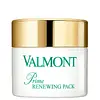
This wash off mask is made with Palmitoyl Tetrapeptide-7 and Palmitoyl Tripeptide-1 for a rinse-off smoothing boost.
This anti-aging eye moisturizer is formulated around Sodium DNA and Sodium Hyaluronate to soften the look of wrinkles and hydrate skin.

What's inside
What's inside
 Key Ingredients
Benefits
Concerns
Ingredients Side-by-side
Water
Skin ConditioningParaffinum Liquidum
Emollient


Propylene Glycol
Humectant


Calcium DNA
Skin ConditioningGynostemma Pentaphyllum Extract
AstringentLecithin
Emollient
Magnesium DNA
Skin ConditioningPalmitoyl Tetrapeptide-7
Skin Conditioning



Palmitoyl Tripeptide-1
Skin Conditioning
Panax Ginseng Root Extract
Emollient

Rna
Skin ConditioningSodium DNA
Skin Conditioning
Urea
Buffering
Acrylates/C10-30 Alkyl Acrylate Crosspolymer
Emulsion StabilisingButylene Glycol
Humectant
C12-20 Acid PEG-8 Ester
Emulsifying
C13-14 Isoparaffin
Emollient
Caprylyl Glycol
Emollient
Carbomer
Emulsion StabilisingCoco-Glucoside
Cleansing
Disodium EDTA
ChelatingGlycerin
Humectant
Hexylene Glycol
EmulsifyingLaureth-7
EmulsifyingMenthyl Lactate
Masking
Polyacrylamide
Potassium Cetyl Phosphate
EmulsifyingSodium Carboxymethyl Beta-Glucan
CleansingSodium Hydroxide
BufferingSodium Lactate
Buffering
CI 77891
Cosmetic ColorantEthylhexylglycerin
Skin ConditioningPhenoxyethanol
Preservative
Parfum
Masking

Benzyl Benzoate
Antimicrobial
Cinnamyl Alcohol
Perfuming
Citronellol
Perfuming
Eugenol
Perfuming
Geraniol
Perfuming
Hexyl Cinnamal
Perfuming
Hydroxycitronellal
Perfuming
Limonene
Perfuming
Linalool
Perfuming
Water, Paraffinum Liquidum, Propylene Glycol, Calcium DNA, Gynostemma Pentaphyllum Extract, Lecithin, Magnesium DNA, Palmitoyl Tetrapeptide-7, Palmitoyl Tripeptide-1, Panax Ginseng Root Extract, Rna, Sodium DNA, Urea, Acrylates/C10-30 Alkyl Acrylate Crosspolymer, Butylene Glycol, C12-20 Acid PEG-8 Ester, C13-14 Isoparaffin, Caprylyl Glycol, Carbomer, Coco-Glucoside, Disodium EDTA, Glycerin, Hexylene Glycol, Laureth-7, Menthyl Lactate, Polyacrylamide, Potassium Cetyl Phosphate, Sodium Carboxymethyl Beta-Glucan, Sodium Hydroxide, Sodium Lactate, CI 77891, Ethylhexylglycerin, Phenoxyethanol, Parfum, Benzyl Benzoate, Cinnamyl Alcohol, Citronellol, Eugenol, Geraniol, Hexyl Cinnamal, Hydroxycitronellal, Limonene, Linalool
Water
Skin ConditioningPropylene Glycol
Humectant
C15-19 Alkane
SolventPentylene Glycol
Skin Conditioning
Methyl Gluceth-20
Humectant
Dicaprylyl Carbonate
EmollientSilica
Abrasive


Acetyl Glutamine
Skin ConditioningAcetyl Tetrapeptide-3
Skin Protecting
Ascorbic Acid
Antioxidant



Ascorbyl Palmitate
Antioxidant
Bacillus/Soybean Ferment Extract
Skin ConditioningBiosaccharide Gum-1
Humectant
Calcium DNA
Skin ConditioningChondrus Crispus
Masking
Dimethylsilanol Hyaluronate
Humectant
Folic Acid
Skin ConditioningGlucose
Humectant
Hexapeptide-11
Skin Conditioning
Lecithin
Emollient
Magnesium DNA
Skin ConditioningMaltodextrin
Absorbent
Methylsilanol Mannuronate
Skin ConditioningOligopeptide-1
Skin Conditioning
Oligopeptide-2
Skin Conditioning
Oligopeptide-3
Skin Conditioning
Saccharide Isomerate
Humectant
Sodium DNA
Skin Conditioning
Sodium Hyaluronate
Humectant
Tocopherol
Antioxidant
Trehalose
Humectant
1,2-Hexanediol
Skin Conditioning
Algin
MaskingBoron Nitride
Absorbent
Butylene Glycol
Humectant
Caprylyl Glycol
Emollient
Carbomer
Emulsion StabilisingCitric Acid
Buffering
Disodium EDTA
ChelatingGalactoarabinan
Glyceryl Caprylate
EmollientGlyceryl Stearate Citrate
Emollient
Hydrogenated Lecithin
Emulsifying
Methylpropanediol
SolventPEG-8
HumectantPolyacrylate Crosspolymer-6
Emulsion StabilisingPropanediol
Solvent
Sodium Acrylates Copolymer
Sodium Citrate
BufferingSodium Hydroxide
BufferingSodium Phosphate
BufferingStearyl Caprylate
EmollientStearyl Heptanoate
Emollient
T-Butyl Alcohol
Perfuming

Triethoxycaprylylsilane

Mica
Cosmetic ColorantCI 77891
Cosmetic ColorantPhenoxyethanol
Preservative
Sorbic Acid
Preservative
Ethylhexylglycerin
Skin ConditioningParfum
Masking
Cinnamyl Alcohol
Perfuming
Citronellol
Perfuming
Eugenol
Perfuming
Geraniol
Perfuming
Hexyl Cinnamal
Perfuming
Hydroxycitronellal
Perfuming
Limonene
Perfuming
Linalool
Perfuming
Water, Propylene Glycol, C15-19 Alkane, Pentylene Glycol, Methyl Gluceth-20, Dicaprylyl Carbonate, Silica, Acetyl Glutamine, Acetyl Tetrapeptide-3, Ascorbic Acid, Ascorbyl Palmitate, Bacillus/Soybean Ferment Extract, Biosaccharide Gum-1, Calcium DNA, Chondrus Crispus, Dimethylsilanol Hyaluronate, Folic Acid, Glucose, Hexapeptide-11, Lecithin, Magnesium DNA, Maltodextrin, Methylsilanol Mannuronate, Oligopeptide-1, Oligopeptide-2, Oligopeptide-3, Saccharide Isomerate, Sodium DNA, Sodium Hyaluronate, Tocopherol, Trehalose, 1,2-Hexanediol, Algin, Boron Nitride, Butylene Glycol, Caprylyl Glycol, Carbomer, Citric Acid, Disodium EDTA, Galactoarabinan, Glyceryl Caprylate, Glyceryl Stearate Citrate, Hydrogenated Lecithin, Methylpropanediol, PEG-8, Polyacrylate Crosspolymer-6, Propanediol, Sodium Acrylates Copolymer, Sodium Citrate, Sodium Hydroxide, Sodium Phosphate, Stearyl Caprylate, Stearyl Heptanoate, T-Butyl Alcohol, Triethoxycaprylylsilane, Mica, CI 77891, Phenoxyethanol, Sorbic Acid, Ethylhexylglycerin, Parfum, Cinnamyl Alcohol, Citronellol, Eugenol, Geraniol, Hexyl Cinnamal, Hydroxycitronellal, Limonene, Linalool
Ingredients Explained
These ingredients are found in both products.
Ingredients higher up in an ingredient list are typically present in a larger amount.
Butylene Glycol (or BG) is used within cosmetic products for a few different reasons:
Overall, Butylene Glycol is a safe and well-rounded ingredient that works well with other ingredients.
Though this ingredient works well with most skin types, some people with sensitive skin may experience a reaction such as allergic rashes, closed comedones, or itchiness.
Learn more about Butylene GlycolWe don't have a description for Calcium Dna yet.
Caprylyl Glycol is a humectant, skin conditioner, emollient, and preservative booster derived from either caprylic acid or synthetically created.
Typical use levels vary from 0.3-1% as a preservative booster and go up to 2% to condition skin.
Because it is not a free-fatty acid, this ingredient is fungal acne safe (there's nothing for Malassezia to feed on).
Learn more about Caprylyl GlycolCarbomer is a synthetic thickening and gelling agent. It's basically the ingredient that gives a lot of serums, gels, creams, and sunscreens their smooth, non-sticky texture.
Although legally permitted at very high levels, carbomers are normally used at concentrations below 1%.
It also needs to be neutralized to actually thicken, and because it is a large molecule, it doesn't really penetrate the skin barrier.
Allergy-wise, the risk is very low. Clinical studies show carbomers have low potential for skin irritation/sensitization even at concentrations up to 100%.
A 2024 UK study patch-tested 1,302 patients and found true allergy to the parent group of carbomer to be rare with no confirmed relevant reactions.
Learn more about CarbomerCi 77891 is a white pigment from Titanium dioxide. It is naturally found in minerals such as rutile and ilmenite.
It's main function is to add a white color to cosmetics. It can also be mixed with other colors to create different shades.
Ci 77891 is commonly found in sunscreens due to its ability to block UV rays.
Learn more about CI 77891Cinnamyl Alcohol is derived from cinnamon and balsam. It oxidizes quickly when exposed to air.
Cinnamyl Alcohol is a known EU allergen. This means it may cause an allergic reaction when applied to the skin. The EU requires this ingredient to be labeled separately on an ingredients list.
Citronellol is used to add fragrance/parfum to a product. It is often derived from plants such as roses. In fact, it can be found in many essential oils including geranium, lavender, neroli, and more. The scent of Citronellol is often described as "fresh, grassy, and citrus-like".
Since the Citronellol molecule is already unstable, Citronellol becomes irritating on the skin when exposed to air.
Citronellol is a modified terpene. Terpenes are unsaturated hydrocarbons found in plants. They make up the primary part of essential oils.
Citronellol is not able to be absorbed into deeper layers of the skin. It has low permeability,
Citronellol is also a natural insect repellent.
Learn more about CitronellolDisodium EDTA is a chelating agent. It grabs onto and deactivates metal ions that sneak into your products from water, packaging, or air.
This ingredient mainly works behind the scenes and helps with:
On top of that, this ingredient can counteract the effects of hard water by binding to the minerals in it.
One thing worth knowing is that Disodium EDTA has been shown to be a mild penetration enhancer. It can help other ingredients absorb into skin more effectively which can be a double-edged sword (great for actives, but can also make the active too strong if you have sensitive skin).
Clinical patch testing showed no significant skin irritation at typical use concentrations and minimal dermal absorption.
You'll most likely see this ingredient near the end of an ingredient list. It's typically found in concentrations less than 1%.
Learn more about Disodium EDTAEthylhexylglycerin is created from glycerin. It is a multitasker ingredient that:
The CIR Expert Panel found minimal skin absorption or sensitization of any kind in a safety assessment. Though this ingredient is considered well-tolerated, a small number of cases of allergic dermatitis have been published since 2002. Just be sure to patch test if you are unsure.
Industry-reported use ranges from 8% in rinse-off products and 2% in leave-on formulations.
Learn more about EthylhexylglycerinEugenol is the phenylpropanoid that gives cloves their smell, and it makes up roughly 78% of clove essential oil. It also shows up in cinnamon leaf, bay, nutmeg, and basil, or made synthetically.
Officially, its CosIng functions are perfuming and tonic. So its job in a formula is almost always scent rather than skin benefit.
There's some lab work behind its reputation; in one study, it acted as an antioxidant and calmed inflammation in human immune cells. But it also killed skin cells (keratinocytes) in a dish.
It stopped damaging those cells and still reduced swelling in mice when the researchers wrapped it in tiny capsules to slow its release.
One study that is quoted out of context frequently: clove oil killed human skin and blood vessel cells at levels as low as 0.03%, and about 73% of that came down to eugenol. Keep in mind those were bare cells sitting in a dish with no skin barrier in the way (which is a lot harsher than what happens on your actual face).
On concentrations, it is restricted to 0.64% in leave-on products + body products, 0.21% in baby + lip products, 2.5% in fine fragrance and 4.9% in rinse-off. Real formulas usually land far below those caps.
Allergy is the actual story with this ingredient. It is one of the eight markers dermatologists use for allergy testing, and the EU requires it to be named on the label above 0.001% in leave-on and 0.01% in rinse-off products.
It is also a prohapten, meaning it needs enzymatic activation in skin to become allergenic, so sensitivity varies between people.
Rates are modest but not trivial: in a classic EECDRG multicentre study, 13 of about 1,300 patch-tested patients reacted to eugenol, and in eugenol-allergic subjects the lowest positive patch test concentration was 0.031%, with 56% reacting in a 21-day repeated open application test at 0.5% to 2.7%.
Normal use levels are generally fine if you are not already sensitized.
Learn more about EugenolGeraniol is used to add fragrance/parfum to a product. It is the main component of citronellol. It is a monoterpenoid and an alcohol.
Monoterpenes are naturally found in many parts of different plants.
Geraniol can be found in many essential oils including Rose Oil and Citronella Oil. The scent of Geraniol is often described as "rose-like". Many foods also contain Geraniol for fruit flavoring.
Geraniol can irritate the skin when exposed to air. However, irritation depends on the ability of geraniol to penetrate into the skin. In general, geraniol is not able to penetrate skin easily.
Geraniol is colorless and has low water-solubility. However, it is soluble in common organic solvents.
Like citronellol, it is a natural insect repellent.
2,6-Octadien-1-ol, 3,7-dimethyl-, (2E)-
Learn more about GeraniolHexyl Cinnamal is a fragrance ingredient with a similar scent to jasmine. It can be naturally found in chamomile essential oil.
This ingredient is a known EU allergen and may sensitize the skin. The EU requires this ingredient to be listed separately on an ingredients list.
Hexyl Cinnamal is not water soluble but is soluble in oils.
Learn more about Hexyl CinnamalHydroxycitronellal is a fragrance created from citronellal. The smell of hydroxycitronellal is often described as "citrus-like" or "melon-like".
Hydroxycitronellal is a known EU allergen and may cause irritation when applied to the skin.
Lecithin is a term for a group of substances found in the cell membranes of plants, animals, and humans. They are made up of phospholipids.
Thanks to its amphiphilic structure (water-loving head and oil-loving tail), it is a true multitasker:
It plays well with most ingredients and is typically used at 0.1-1%. However, concentrations up to 50% have been reported in moisturizers.
Learn more about LecithinLimonene is the compound that gives citrus peel its smell.
In skincare, it shows up as a standalone fragrance ingredient or as a natural compound of citrus and other essential oils.
You'll typically see this ingredient used in very small amounts; anything above 0.001% in a leave-on product or 0.01% in a rinse-off has to be named on the label in the EU. The citrus oils that carry it sit around 0.5-1% in a finished formula.
Fresh limonene is a weak allergen; the real issue is that it slowly reacts with air and then breaks down from oxidation to create hydroperoxides (which are strong sensitizers). This is why suppliers are required to keep the peroxide value below 20 mmol.
Positive reactions in people being investigated for eczema vary:
It's worth skipping if you have a known fragrance allergy or a compromised barrier, but the risk is low for most people.
Older or long-opened products are also more likely to bother you than fresh ones due to oxidation.
Learn more about LimoneneLinalool is a small, naturally occurring scent molecule found in plants like lavender, coriander, bergamot, and more.
It is one of the two most-used fragrance ingredients in cosmetics and added purely for smell. Since it's not used for a skin benefit, there's no "effective dose". Concentration depends on the fragrance load of the product.
The EU requires it to be named on the label above 0.001% in leave-on and 0.01% in rinse-off products.
Fresh linalool is a weak sensitizer but air exposure turns some of it into hydroperoxides, which are strong sensitizers. Those oxidation products are the actual allergy concern.
Patch-test clinics see positive reactions to linalool hydroperoxides in about 4% to 12% of dermatitis patients depending on country and test concentration.
Resassuringly, one analytical study found hydroperoxide levels in real fragranced products to be orders of magnitude below what induced sensitization in animal studies with no evidence of oxidation building up during normal storage.
The practical takeaway is that linalool is fine for most people but worth avoiding if you have a confirmed fragrance contact allergy or a badly compromised barrier.
Products stored a long time after opening are also the high-risk scenario since that is when oxidation happens.
The scent of linalool is described as floral, spicy tropical, and citrus-like.
Learn more about LinaloolWe don't have a description for Magnesium Dna yet.
Parfum is a catch-all term for an ingredient or more that is used to give a scent to products.
Also called "fragrance", this ingredient can be a blend of hundreds of chemicals or plant oils. This means every product with "fragrance" or "parfum" in the ingredients list is a different mixture.
For instance, Habanolide is a proprietary trade name for a specific aroma chemical. When used as a fragrance ingredient in cosmetics, most aroma chemicals fall under the broad labeling category of “FRAGRANCE” or “PARFUM” according to EU and US regulations.
The term 'parfum' or 'fragrance' is not regulated in many countries. In many cases, it is up to the brand to define this term.
For instance, many brands choose to label themselves as "fragrance-free" because they are not using synthetic fragrances. However, their products may still contain ingredients such as essential oils that are considered a fragrance by INCI standards.
One example is Calendula flower extract. Calendula is an essential oil that still imparts a scent or 'fragrance'.
Depending on the blend, the ingredients in the mixture can cause allergies and sensitivities on the skin. Some ingredients that are known EU allergens include linalool and citronellol.
Parfum can also be used to mask or cover an unpleasant scent.
The bottom line is: not all fragrances/parfum/ingredients are created equally. If you are worried about fragrances, we recommend taking a closer look at an ingredient. And of course, we always recommend speaking with a professional.
Learn more about ParfumPhenoxyethanol is one of the most widely used preservatives in skincare (and for good reason!).
It has a large spectrum of antimicrobial activity and especially effective bacteria, yeast, and mold while only having a weak effect on your skin's natural microbiome.
On a cellular level, it disrupts the cell membranes of microbes by poking holes that make the cell leak. This shuts down the chemical reactions the microbe needs to make energy so it can no longer survive.
Another perk of this ingredient is that it stays functional across a wide pH range (3-10).
You'll often see it paired with boosters like Ethylhexylglycerin; one study showed that a 1:9 ratio of Ethylhexylglycerin to Phenoxyethanol damages bacterial membranes as effectively as doubling the Phenoxyethanol concentration on its own.
Typical use concentrations range from 0.3-1% depending on the formula, and this ingredient is capped at 1% int the EU.
Safety-wise, the fear mongering does not hold up to the evidence. The EU's Scientific Committee on Consumer Safety and FDA consider it safe as a preservative at up to 1%, including for children of all ages.
Adverse systemic effects only showed up in animal studies at exposures roughly 200x higher than what people get from cosmetics. And despite its very widespread use, this ingredient is a rare sensitizer and allergic reactions are uncommon.
Learn more about PhenoxyethanolPropylene Glycol is a synthetic, colorless, odorless liquid that has been a staple in cosmetics for decades. It is a skin conditioning agent, humectant, and solvent.
As a humectant, it draw water to the skin to reduce flaking and restore suppleness. It's also a solvent that helps dissolve other actives and keeps formulas stable across temperature changes.
The CIR Expert Panel has confirmed this ingredient to be nontoxic and clinical studies show no sensitization at cosmetic use concentrations.
True allergic reactions are quite rare: a 15-year retrospective study of 6,751 patients found only 0.31% had a positive reaction (and less than half were considered clinically relevant).
It seemed that when sensitization does occur, it's most commonly linked to topical medication (like corticosteroids) and not cosmetics. Allergic contact dermatitis also appears largely limited to individuals with underlying skin conditions.
Overall, propylene glycol is a well-studied ingredient that most people can tolerate without issue.
Learn more about Propylene GlycolSodium DNA is an emerging anti-aging ingredient.
It is created by taking deoxyribonucleic acid (DNA) and purifying it with sodium hydroxide.
The DNA is extracted from several different animal sources, including: calf thymus, the gonadic tissue of a male sturgeon, or herring / salmon sperm.
You have probably seen this ingredient in anti-aging skincare. But what is it?
DNA is composed of nucleotides, or chemical building blocks. Nucleotides include adenine (A), thymine (T), guanine (G), and cytosine (C). Talk about a flashback to biology! Nucleosides are formed from these nucleotides.
The science behind Sodium DNA is based on an ingredient called Polydeoxyribonucleotide or PDRN.
PDRN are DNA fragments mainly extracted from the sperm cells of trout or salmon. Meaning, PDRN can be derived from Sodium DNA.
PDRN consists of chains of nucleotides and nucleosides mentioned above. They can range anywhere from 80 - 2000 pairs.
Studies show PDRN has the following properties:
Most of the research on PDRN has been done using injectable forms. That’s important, because PDRN is a large molecule and doesn’t absorb well through the skin. So if you’re applying it topically, the effects are likely to be much milder.
Still, topical Sodium DNA is emerging as a trendy anti-aging ingredient. It’s generally well-tolerated and offers good biocompatibility with human skin, making it a low-risk addition to most routines.
Further studies are needed to truly confirm this ingredients anti-aging ability (Remember, retinol has decades of research!).
Sodium DNA may be sourced from fish, animal tissue, or plants. Since this isn’t always disclosed, we recommend asking the brand directly if the ingredient’s origin is important to you.
Learn more about Sodium DNASodium Hydroxide is also known as lye or caustic soda. It is used to adjust the pH of products; many ingredients require a specific pH to be effective.
In small amounts, sodium hydroxide is considered safe to use. However, large amounts may cause chemical burns due to its high alkaline.
Your skin has a natural pH and acid mantle. This acid mantle helps prevent harmful bacteria from breaking through. The acid mantle also helps keep your skin hydrated.
"Alkaline" refers to a high pH level. A low pH level would be considered acidic.
Learn more about Sodium HydroxideWater. It's the most common cosmetic ingredient of all. You'll usually see it at the top of ingredient lists, meaning that it makes up the largest part of the product.
So why is it so popular? Water most often acts as a solvent - this means that it helps dissolve other ingredients into the formulation.
You'll also recognize water as that liquid we all need to stay alive. If you see this, drink a glass of water. Remember to stay hydrated!
Learn more about Water


