Valmont Prime Renewing Pack Versus Biologique Recherche Crème VIP O2 Oxygenating and Anti-Pollution Cream
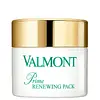
This wash off mask is made with Palmitoyl Tetrapeptide-7 and Palmitoyl Tripeptide-1 for a rinse-off smoothing boost.
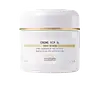
This moisturizer is formulated around Saccharide Isomerate to hydrate skin.


What's inside
What's inside
 Key Ingredients
Benefits
Concerns
Ingredients Side-by-side
Water
Skin ConditioningParaffinum Liquidum
Emollient


Propylene Glycol
Humectant


Calcium DNA
Skin ConditioningGynostemma Pentaphyllum Extract
AstringentLecithin
Emollient
Magnesium DNA
Skin ConditioningPalmitoyl Tetrapeptide-7
Skin Conditioning



Palmitoyl Tripeptide-1
Skin Conditioning
Panax Ginseng Root Extract
Emollient

Rna
Skin ConditioningSodium DNA
Skin Conditioning
Urea
Buffering
Acrylates/C10-30 Alkyl Acrylate Crosspolymer
Emulsion StabilisingButylene Glycol
Humectant
C12-20 Acid PEG-8 Ester
Emulsifying
C13-14 Isoparaffin
Emollient
Caprylyl Glycol
Emollient
Carbomer
Emulsion StabilisingCoco-Glucoside
Cleansing
Disodium EDTA
ChelatingGlycerin
Humectant
Hexylene Glycol
EmulsifyingLaureth-7
EmulsifyingMenthyl Lactate
Masking
Polyacrylamide
Potassium Cetyl Phosphate
EmulsifyingSodium Carboxymethyl Beta-Glucan
CleansingSodium Hydroxide
BufferingSodium Lactate
Buffering
CI 77891
Cosmetic ColorantEthylhexylglycerin
Skin ConditioningPhenoxyethanol
Preservative
Parfum
Masking

Benzyl Benzoate
Antimicrobial
Cinnamyl Alcohol
Perfuming
Citronellol
Perfuming
Eugenol
Perfuming
Geraniol
Perfuming
Hexyl Cinnamal
Perfuming
Hydroxycitronellal
Perfuming
Limonene
Perfuming
Linalool
Perfuming
Water, Paraffinum Liquidum, Propylene Glycol, Calcium DNA, Gynostemma Pentaphyllum Extract, Lecithin, Magnesium DNA, Palmitoyl Tetrapeptide-7, Palmitoyl Tripeptide-1, Panax Ginseng Root Extract, Rna, Sodium DNA, Urea, Acrylates/C10-30 Alkyl Acrylate Crosspolymer, Butylene Glycol, C12-20 Acid PEG-8 Ester, C13-14 Isoparaffin, Caprylyl Glycol, Carbomer, Coco-Glucoside, Disodium EDTA, Glycerin, Hexylene Glycol, Laureth-7, Menthyl Lactate, Polyacrylamide, Potassium Cetyl Phosphate, Sodium Carboxymethyl Beta-Glucan, Sodium Hydroxide, Sodium Lactate, CI 77891, Ethylhexylglycerin, Phenoxyethanol, Parfum, Benzyl Benzoate, Cinnamyl Alcohol, Citronellol, Eugenol, Geraniol, Hexyl Cinnamal, Hydroxycitronellal, Limonene, Linalool
Water
Skin ConditioningStearic Acid
Cleansing
Propylene Glycol
Humectant
Glycerin
Humectant
Palmitic Acid
Emollient
Cetyl Alcohol
Emollient
Pentylene Glycol
Skin Conditioning
Polysorbate 40
Emulsifying
PEG-2 Stearate
Emulsifying
Tea-Stearate
Cleansing
Perfluorodecalin
Skin ConditioningSaccharide Isomerate
Humectant
Taraxacum Officinale Rhizome/Root Extract
Skin ConditioningHydrolyzed Candida Saitoana Extract
Skin ProtectingYeast Extract
Skin ConditioningSodium Hyaluronate
Humectant
Citric Acid
Buffering

Polyperfluoromethylisopropyl Ether
Skin ConditioningPoloxamer 188
EmulsifyingCaprylyl Glycol
Emollient
P-Anisic Acid
MaskingPhenoxyethanol
Preservative
Ethylhexylglycerin
Skin ConditioningSodium Citrate
BufferingSodium Benzoate
Masking
Water, Stearic Acid, Propylene Glycol, Glycerin, Palmitic Acid, Cetyl Alcohol, Pentylene Glycol, Polysorbate 40, PEG-2 Stearate, Tea-Stearate, Perfluorodecalin, Saccharide Isomerate, Taraxacum Officinale Rhizome/Root Extract, Hydrolyzed Candida Saitoana Extract, Yeast Extract, Sodium Hyaluronate, Citric Acid, Polyperfluoromethylisopropyl Ether, Poloxamer 188, Caprylyl Glycol, P-Anisic Acid, Phenoxyethanol, Ethylhexylglycerin, Sodium Citrate, Sodium Benzoate
Ingredients Explained
These ingredients are found in both products.
Ingredients higher up in an ingredient list are typically present in a larger amount.
Caprylyl Glycol is a humectant, skin conditioner, emollient, and preservative booster derived from either caprylic acid or synthetically created.
Typical use levels vary from 0.3-1% as a preservative booster and go up to 2% to condition skin.
Because it is not a free-fatty acid, this ingredient is fungal acne safe (there's nothing for Malassezia to feed on).
Learn more about Caprylyl GlycolEthylhexylglycerin is created from glycerin. It is a multitasker ingredient that:
The CIR Expert Panel found minimal skin absorption or sensitization of any kind in a safety assessment. Though this ingredient is considered well-tolerated, a small number of cases of allergic dermatitis have been published since 2002. Just be sure to patch test if you are unsure.
Industry-reported use ranges from 8% in rinse-off products and 2% in leave-on formulations.
Learn more about EthylhexylglycerinGlycerin (or glycerol) is a compound naturally found in your skin. It's a powerhouse humectant that pulls water into the stratum corneum.
Topically, glycerin does several things at once:
Your skin makes glycerin on its own (mostly from sebaceous oil breakdown) and shuttles it to your outermost layer of skin, or your epidermis, via aquaporin-3.
Aquaporin-3 is a transporter that is essential for normal skin hydration, elasticity, and repair. Interestingly, mice lacking in AQP3 have dry and less elastic skin that can be fully corrected with glycerin.
This ingredient is non-irritating, plays well with almost every ingredient, and works across all skin types. Typical use is anywhere between 3-10% but can go up to 79% in some leave-on products.
Just know very high concentrations (>40%) can feel tacky in low humidity.
Glycerin is the name for this ingredient in American English. British English uses Glycerol/Glycerine.
Learn more about GlycerinPhenoxyethanol is one of the most widely used preservatives in skincare (and for good reason!).
It has a large spectrum of antimicrobial activity and especially effective bacteria, yeast, and mold while only having a weak effect on your skin's natural microbiome.
On a cellular level, it disrupts the cell membranes of microbes by poking holes that make the cell leak. This shuts down the chemical reactions the microbe needs to make energy so it can no longer survive.
Another perk of this ingredient is that it stays functional across a wide pH range (3-10).
You'll often see it paired with boosters like Ethylhexylglycerin; one study showed that a 1:9 ratio of Ethylhexylglycerin to Phenoxyethanol damages bacterial membranes as effectively as doubling the Phenoxyethanol concentration on its own.
Typical use concentrations range from 0.3-1% depending on the formula, and this ingredient is capped at 1% int the EU.
Safety-wise, the fear mongering does not hold up to the evidence. The EU's Scientific Committee on Consumer Safety and FDA consider it safe as a preservative at up to 1%, including for children of all ages.
Adverse systemic effects only showed up in animal studies at exposures roughly 200x higher than what people get from cosmetics. And despite its very widespread use, this ingredient is a rare sensitizer and allergic reactions are uncommon.
Learn more about PhenoxyethanolPropylene Glycol is a synthetic, colorless, odorless liquid that has been a staple in cosmetics for decades. It is a skin conditioning agent, humectant, and solvent.
As a humectant, it draw water to the skin to reduce flaking and restore suppleness. It's also a solvent that helps dissolve other actives and keeps formulas stable across temperature changes.
The CIR Expert Panel has confirmed this ingredient to be nontoxic and clinical studies show no sensitization at cosmetic use concentrations.
True allergic reactions are quite rare: a 15-year retrospective study of 6,751 patients found only 0.31% had a positive reaction (and less than half were considered clinically relevant).
It seemed that when sensitization does occur, it's most commonly linked to topical medication (like corticosteroids) and not cosmetics. Allergic contact dermatitis also appears largely limited to individuals with underlying skin conditions.
Overall, propylene glycol is a well-studied ingredient that most people can tolerate without issue.
Learn more about Propylene GlycolWater. It's the most common cosmetic ingredient of all. You'll usually see it at the top of ingredient lists, meaning that it makes up the largest part of the product.
So why is it so popular? Water most often acts as a solvent - this means that it helps dissolve other ingredients into the formulation.
You'll also recognize water as that liquid we all need to stay alive. If you see this, drink a glass of water. Remember to stay hydrated!
Learn more about Water

