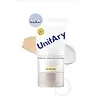
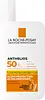
Unitary Mineral Tinted Sunscreen SPF 50+ PA++++ Versus La Roche-Posay Anthelios Invisible Fluid Facial Sunscreen SPF50+
This mineral sunscreen covers the full UV range and blocks ~98% of UVB at SPF 50.
This chemical sunscreen covers the full UV range and blocks ~98% of UVB at SPF 50.

What's inside
What's inside
 Key Ingredients
Benefits
Concerns
Ingredients Side-by-side
Water
Skin ConditioningCyclopentasiloxane
Emollient
Zinc Oxide
Cosmetic Colorant


Titanium Dioxide
Cosmetic Colorant
Glycerin
Humectant


Propylene Glycol
Humectant

Triethylhexanoin
MaskingDimethicone
Emollient
Isohexadecane
EmollientCyclohexasiloxane
Emollient
PEG-10 Dimethicone
Skin Conditioning
Sodium Chloride
MaskingBis-PEG/PPG-14/14 Dimethicone
Emollient
Trimethylsiloxysilicate
Emollient
Talc
Abrasive
Tribehenin
Emollient
1,2-Hexanediol
Skin Conditioning
Hydroxyacetophenone
Antioxidant
Disteardimonium Hectorite
StabilisingPolyglyceryl-3 Diisostearate
Emulsifying

Magnesium Stearate
Cosmetic ColorantCI 77891
Cosmetic ColorantSilica
Abrasive
Vinyl Dimethicone/Methicone Silsesquioxane Crosspolymer
CI 77492
Cosmetic ColorantTocopheryl Acetate
Antioxidant

Alumina
Abrasive
Caprylic/Capric Triglyceride
Masking
Niacinamide
Smoothing






CI 77491
Cosmetic ColorantCI 77499
Cosmetic ColorantHydrogenated Lecithin
Emulsifying
Polyvinyl Alcohol
Triethoxycaprylylsilane
Aluminum Hydroxide
EmollientPropanediol
Solvent
Butylene Glycol
Humectant
Polymethyl Methacrylate
Mannitol
Humectant
Glyceryl Glucoside
Humectant
Pentylene Glycol
Skin Conditioning
Fomes Officinalis Extract
Skin ProtectingBiosaccharide Gum-1
Humectant
Cetearyl Alcohol
Emollient
Myrothamnus Flabellifolia Leaf/Stem Extract
HumectantStearic Acid
Cleansing
Pentaerythrityl Tetra-Di-T-Butyl Hydroxyhydrocinnamate
Antioxidant
Ascorbic Acid
Antioxidant
Citric Acid
Buffering
Hydroxyphenyl Propamidobenzoic Acid
Skin ConditioningErgothioneine
Antioxidant
Fucose
Skin ConditioningCeramide NP
Skin Conditioning
PEG-40 Hydrogenated Castor Oil
Emulsifying
Ceramide Ns
Skin Conditioning
Cholesterol
Emollient
Ascorbyl Palmitate
Antioxidant
Phytosphingosine
Skin Conditioning
Ceramide AP
Skin Conditioning
Ceramide As
Skin Conditioning
Ceramide EOP
Skin Conditioning
Water, Cyclopentasiloxane, Zinc Oxide, Titanium Dioxide, Glycerin, Propylene Glycol, Triethylhexanoin, Dimethicone, Isohexadecane, Cyclohexasiloxane, PEG-10 Dimethicone, Sodium Chloride, Bis-PEG/PPG-14/14 Dimethicone, Trimethylsiloxysilicate, Talc, Tribehenin, 1,2-Hexanediol, Hydroxyacetophenone, Disteardimonium Hectorite, Polyglyceryl-3 Diisostearate, Magnesium Stearate, CI 77891, Silica, Vinyl Dimethicone/Methicone Silsesquioxane Crosspolymer, CI 77492, Tocopheryl Acetate, Alumina, Caprylic/Capric Triglyceride, Niacinamide, CI 77491, CI 77499, Hydrogenated Lecithin, Polyvinyl Alcohol, Triethoxycaprylylsilane, Aluminum Hydroxide, Propanediol, Butylene Glycol, Polymethyl Methacrylate, Mannitol, Glyceryl Glucoside, Pentylene Glycol, Fomes Officinalis Extract, Biosaccharide Gum-1, Cetearyl Alcohol, Myrothamnus Flabellifolia Leaf/Stem Extract, Stearic Acid, Pentaerythrityl Tetra-Di-T-Butyl Hydroxyhydrocinnamate, Ascorbic Acid, Citric Acid, Hydroxyphenyl Propamidobenzoic Acid, Ergothioneine, Fucose, Ceramide NP, PEG-40 Hydrogenated Castor Oil, Ceramide Ns, Cholesterol, Ascorbyl Palmitate, Phytosphingosine, Ceramide AP, Ceramide As, Ceramide EOP
Water
Skin ConditioningAlcohol Denat.
Antimicrobial


Diisopropyl Sebacate
EmollientSilica
Abrasive
Isopropyl Myristate
Emollient
Ethylhexyl Salicylate
UV Absorber
Ethylhexyl Triazone
UV Absorber
Bis-Ethylhexyloxyphenol Methoxyphenyl Triazine
UV Absorber
Butyl Methoxydibenzoylmethane
UV Absorber
Glycerin
Humectant
C12-22 Alkyl Acrylate/Hydroxyethylacrylate Copolymer
StabilisingPropanediol
Solvent
Drometrizole Trisiloxane
UV Absorber
Perlite
Absorbent
Tocopherol
Antioxidant
Caprylic/Capric Triglyceride
Masking
Acrylates/C10-30 Alkyl Acrylate Crosspolymer
Emulsion StabilisingCaprylyl Glycol
Emollient
Hydroxyethylcellulose
Emulsion StabilisingTerephthalylidene Dicamphor Sulfonic Acid
UV Absorber
Triethanolamine
BufferingTrisodium Ethylenediamine Disuccinate
ChelatingWater, Alcohol Denat., Diisopropyl Sebacate, Silica, Isopropyl Myristate, Ethylhexyl Salicylate, Ethylhexyl Triazone, Bis-Ethylhexyloxyphenol Methoxyphenyl Triazine, Butyl Methoxydibenzoylmethane, Glycerin, C12-22 Alkyl Acrylate/Hydroxyethylacrylate Copolymer, Propanediol, Drometrizole Trisiloxane, Perlite, Tocopherol, Caprylic/Capric Triglyceride, Acrylates/C10-30 Alkyl Acrylate Crosspolymer, Caprylyl Glycol, Hydroxyethylcellulose, Terephthalylidene Dicamphor Sulfonic Acid, Triethanolamine, Trisodium Ethylenediamine Disuccinate
Reviews
Ingredients Explained
These ingredients are found in both products.
Ingredients higher up in an ingredient list are typically present in a larger amount.
Caprylic/Capric Triglyceride (aka MCT Oil) is a lightweight emollient, solvent, and texture enhancer. It is considered a skin-softener by helping to prevent moisture loss.
Though it behaves like an oil, it is not technically one due to its chemical composition. One perk of this ingredient is that it is very stable, resistant to oxidation, and unlikely to go rancid.
In practice, that translates to a long shelf life and a consistently elegant skin feel.
While there is an assumption Caprylic Triglyceride can clog pores due to it being derived from coconut oil, there is no research supporting this. Just patch test if you have concerns.
Fractionated coconut oil and MCT Oil are both listed as Caprylic/Capric Triglyceride according to INCI. This is because INCI names are based on the ingredient’s final chemical composition and not its marketing name or source.
This ingredient is treated as the gold standard fungal acne safe oil. Even though it is coconut derived, the problematic lauric acid is stripped out.
This leaves just caprylic (C8) and capric (C10) acid. These chain lengths actually trend antifungal; a 2020 study found caprylic acid was enough to disrupt Malassezia furfur cell membrane, with a caprylic acid derivative damaging membrane structures at concentrations as low as 0.2%.
Learn more about Caprylic/Capric TriglycerideGlycerin (or glycerol) is a compound naturally found in your skin. It's a powerhouse humectant that pulls water into the stratum corneum.
Topically, glycerin does several things at once:
Your skin makes glycerin on its own (mostly from sebaceous oil breakdown) and shuttles it to your outermost layer of skin, or your epidermis, via aquaporin-3.
Aquaporin-3 is a transporter that is essential for normal skin hydration, elasticity, and repair. Interestingly, mice lacking in AQP3 have dry and less elastic skin that can be fully corrected with glycerin.
This ingredient is non-irritating, plays well with almost every ingredient, and works across all skin types. Typical use is anywhere between 3-10% but can go up to 79% in some leave-on products.
Just know very high concentrations (>40%) can feel tacky in low humidity.
Glycerin is the name for this ingredient in American English. British English uses Glycerol/Glycerine.
Learn more about GlycerinPropanediol is an all-star ingredient. It softens, hydrates, and smooths the skin.
It’s often used to:
Propanediol is not likely to cause sensitivity and considered safe to use. It is derived from corn or petroleum with a clear color and no scent.
Learn more about PropanediolSilica, also known as silicon dioxide, is a naturally occurring mineral. It is used as a fine, spherical, and porous powder in cosmetics.
Though it has exfoliant properties, the function of silica varies depending on the product.
The unique structure of silica enhances the spreadability and adds smoothness, making it a great texture enhancer.
It is also used as an active carrier, emulsifier, and mattifier due to its ability to absorb excess oil.
In some products, tiny microneedles called spicules are made from silica or hydrolyzed sponge. When you rub them in, they lightly polish away dead skin layers and enhance the penetration of active ingredients.
Learn more about SilicaWater. It's the most common cosmetic ingredient of all. You'll usually see it at the top of ingredient lists, meaning that it makes up the largest part of the product.
So why is it so popular? Water most often acts as a solvent - this means that it helps dissolve other ingredients into the formulation.
You'll also recognize water as that liquid we all need to stay alive. If you see this, drink a glass of water. Remember to stay hydrated!
Learn more about Water

