The Plant Base AC Clear Moisture Cica Cream Versus Some By Mi Yuja Niacin Brightening Moisture Gel Cream
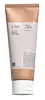
This calming moisturizer is formulated around Centella Asiatica Leaf Water and Colloidal Sulfur to calm redness and strengthen the skin barrier.
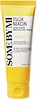
This brightening moisturizer is formulated around Niacinamide and Centella Asiatica Extract to brighten dull-looking skin and fade the look of dark spots.

What's inside
What's inside
 Key Ingredients
Benefits
Concerns
Ingredients Side-by-side
Centella Asiatica Leaf Water
Skin Conditioning


Butylene Glycol
Humectant
Glycerin
Humectant
Water
Skin ConditioningPropanediol
Solvent
1,2-Hexanediol
Skin Conditioning
Methyl Trimethicone
Skin Conditioning
Cetyl Ethylhexanoate
EmollientHydroxyethyl Acrylate/Sodium Acryloyldimethyl Taurate Copolymer
Emulsion StabilisingAmmonium Acryloyldimethyltaurate/Vp Copolymer
Sorbitol
Humectant
Microcrystalline Cellulose
AbsorbentSodium Acrylate/Sodium Acryloyldimethyl Taurate Copolymer
Emulsion StabilisingPolyisobutene
Pentylene Glycol
Skin Conditioning
Ethylhexylglycerin
Skin ConditioningXanthan Gum
EmulsifyingSorbitan Isostearate
Emulsifying

Decyl Glucoside
Cleansing
Polyglyceryl-10 Laurate
Skin Conditioning
Cellulose Gum
Emulsion StabilisingCitrus Unshiu Peel Extract
MaskingDisodium EDTA
ChelatingArtemisia Annua Extract
Masking
Brassica Oleracea Italica Extract
AstringentHyaluronic Acid
Humectant

Hydrolyzed Hyaluronic Acid
Humectant
Pyrus Malus Fruit Extract
Skin Conditioning
Sodium Hyaluronate
Humectant
Caprylyl/Capryl Glucoside
CleansingSorbitan Oleate
Emulsifying

Castanea Crenata Shell Extract
Skin ConditioningColloidal Sulfur
Antimicrobial


Diospyros Kaki Leaf Extract
Skin Protecting
Citrus Aurantium Bergamia Fruit Oil
Masking


Rosmarinus Officinalis Leaf Oil
Masking
Fomes Officinalis Extract
Skin ProtectingCananga Odorata Flower Oil
Masking
Lotus Corniculatus Flower Extract
MaskingBackhousia Citriodora Leaf Extract
AstringentMelaleuca Alternifolia Leaf Extract
Perfuming
Centella Asiatica Extract
Cleansing
Hesperidin
EmollientPortulaca Oleracea Extract
Skin Conditioning
Succinic Acid
BufferingMadecassoside
Antioxidant
Asiatic Acid
Skin Conditioning
Asiaticoside
Antioxidant
Madecassic Acid
Skin Conditioning
Centella Asiatica Leaf Water, Butylene Glycol, Glycerin, Water, Propanediol, 1,2-Hexanediol, Methyl Trimethicone, Cetyl Ethylhexanoate, Hydroxyethyl Acrylate/Sodium Acryloyldimethyl Taurate Copolymer, Ammonium Acryloyldimethyltaurate/Vp Copolymer, Sorbitol, Microcrystalline Cellulose, Sodium Acrylate/Sodium Acryloyldimethyl Taurate Copolymer, Polyisobutene, Pentylene Glycol, Ethylhexylglycerin, Xanthan Gum, Sorbitan Isostearate, Decyl Glucoside, Polyglyceryl-10 Laurate, Cellulose Gum, Citrus Unshiu Peel Extract, Disodium EDTA, Artemisia Annua Extract, Brassica Oleracea Italica Extract, Hyaluronic Acid, Hydrolyzed Hyaluronic Acid, Pyrus Malus Fruit Extract, Sodium Hyaluronate, Caprylyl/Capryl Glucoside, Sorbitan Oleate, Castanea Crenata Shell Extract, Colloidal Sulfur, Diospyros Kaki Leaf Extract, Citrus Aurantium Bergamia Fruit Oil, Rosmarinus Officinalis Leaf Oil, Fomes Officinalis Extract, Cananga Odorata Flower Oil, Lotus Corniculatus Flower Extract, Backhousia Citriodora Leaf Extract, Melaleuca Alternifolia Leaf Extract, Centella Asiatica Extract, Hesperidin, Portulaca Oleracea Extract, Succinic Acid, Madecassoside, Asiatic Acid, Asiaticoside, Madecassic Acid
Citrus Junos Fruit Extract 90%
Skin ConditioningNiacinamide 5%
Smoothing




1,2-Hexanediol
Skin Conditioning
Dipropylene Glycol
HumectantButylene Glycol
Humectant
Water
Skin ConditioningMelaleuca Alternifolia Leaf Water
Antimicrobial
Thuja Orientalis Leaf Extract
Antioxidant
Zanthoxylum Piperitum Fruit Extract
Skin ConditioningPolygonum Cuspidatum Root Extract
Antioxidant
Centella Asiatica Extract
Cleansing
Artemisia Princeps Leaf Extract
Skin ConditioningNelumbo Nucifera Flower Extract
Skin ConditioningCoptis Japonica Extract
AntimicrobialArbutin
Antioxidant
Bisabolol
Antioxidant
Glutathione
Biotin
AntiseborrhoeicAscorbic Acid
Antioxidant
Ascorbyl Glucoside
Antioxidant
Ascorbyl Tetraisopalmitate
Antioxidant
Tocopherol
Antioxidant
Panthenol
Skin Conditioning
Cyanocobalamin
Skin ConditioningMenadione
MaskingMadecassoside
Antioxidant
Madecassic Acid
Skin Conditioning
Asiaticoside
Antioxidant
Asiatic Acid
Skin Conditioning
Arginine
Masking
Adenosine
Skin Conditioning
Ethylhexyl Olivate
Skin Conditioning
Cetearyl Olivate
Sorbitan Olivate
Emulsifying
Polyglyceryl-4 Oleate
Emulsifying
C12-13 Pareth-9
EmulsifyingCarbomer
Emulsion StabilisingAmmonium Acryloyldimethyltaurate/Vp Copolymer
Sodium Acrylates Copolymer
Benzyl Glycol
SolventEthylhexylglycerin
Skin ConditioningRaspberry Ketone
Masking
Citrus Junos Peel Oil
Astringent
Melaleuca Alternifolia Leaf Oil
Antioxidant
Linalool
Perfuming
Limonene
Perfuming
Citrus Junos Fruit Extract 90%, Niacinamide 5%, 1,2-Hexanediol, Dipropylene Glycol, Butylene Glycol, Water, Melaleuca Alternifolia Leaf Water, Thuja Orientalis Leaf Extract, Zanthoxylum Piperitum Fruit Extract, Polygonum Cuspidatum Root Extract, Centella Asiatica Extract, Artemisia Princeps Leaf Extract, Nelumbo Nucifera Flower Extract, Coptis Japonica Extract, Arbutin, Bisabolol, Glutathione, Biotin, Ascorbic Acid, Ascorbyl Glucoside, Ascorbyl Tetraisopalmitate, Tocopherol, Panthenol, Cyanocobalamin, Menadione, Madecassoside, Madecassic Acid, Asiaticoside, Asiatic Acid, Arginine, Adenosine, Ethylhexyl Olivate, Cetearyl Olivate, Sorbitan Olivate, Polyglyceryl-4 Oleate, C12-13 Pareth-9, Carbomer, Ammonium Acryloyldimethyltaurate/Vp Copolymer, Sodium Acrylates Copolymer, Benzyl Glycol, Ethylhexylglycerin, Raspberry Ketone, Citrus Junos Peel Oil, Melaleuca Alternifolia Leaf Oil, Linalool, Limonene
Reviews
Ingredients Explained
These ingredients are found in both products.
Ingredients higher up in an ingredient list are typically present in a larger amount.
1,2-Hexanediol is a synthetic liquid and another multi-functional powerhouse.
It is a:
- Humectant, drawing moisture into the skin
- Emollient, helping to soften skin
- Solvent, dispersing and stabilizing formulas
- Preservative booster, enhancing the antimicrobial activity of other preservatives
Ammonium Acryloyldimethyltaurate/Vp Copolymer is a synthetically created polymer. It's used as a film-forming agent and used to thicken the consistency of products.
Think of it as a supportive ingredient that helps your gel-creams feel silky, "cloud cream-like", and spread evenly without being greasy.
The Cosmetic Ingredient Review (CIR) Expert Panel evaluated it (along with 22 other acryloyldimethyltaurate polymers) and concluded it's:
Due to its large molecular size, it sits on the surface of skin rather than penetrating it.
Learn more about Ammonium Acryloyldimethyltaurate/Vp CopolymerAsiatic Acid is one of the four main actives found in Centella Asiatica. Its headline job is stimulating collagen.
Lab tests on human skin cells show Asiatic Acid tells your skin to make more collagen, the protein that keeps skin firm and bouncy.
It also calms inflammation and acts as an antioxidant so it can help skin heal faster, rebuild itself, and repair a damaged barrier.
And on naming, even though "acid" is in the name, it's nothing like an AHA or BHA exfoliant. It's a gentle firming and soothing ingredient that supports your skin barrier.
Concentration-wise, Asiatic Acid is potent at very low doses and usually shows up as a small fraction of a broader centella extract.
Analyses of centella material put Asiatic Acid reported in the range of 0.2-3% of the extract.
This ingredient is non-sensitizing and guinea pig sensitization testing also found it to be a weak sensitizer. That means the risk of acquiring contact sensitivty is quite low.
Allergic contact dermatitis does exist but is also very rare; documented cases tend to involve prolonged use on broken skin plus co-sensitization to fragrance ingredients.
Learn more about Asiatic AcidAsiaticoside comes from the super popular skin-soothing ingredient, Centella asiatica. It's the reason centella-based products have a strong reputation for repairing and calming skin, along with its sibling compound Madecassoside.
Research from 2016-2025 supports its role in:
You'll usually find this in concentrations between 0.2-5%.
Learn more about AsiaticosideButylene Glycol (or BG) is used within cosmetic products for a few different reasons:
Overall, Butylene Glycol is a safe and well-rounded ingredient that works well with other ingredients.
Though this ingredient works well with most skin types, some people with sensitive skin may experience a reaction such as allergic rashes, closed comedones, or itchiness.
Learn more about Butylene GlycolCentella Asiatica Extract (Centella) is one of the most researched botanical extracts in skincare with decades of studies backing its effects on inflammation, collagen, and the skin barrier.
That research keeps pointing back to the same four triterpenoid saponins: Asiaticoside, Madecassoside, Asiatic Acid, and Madecassic Acid.
These compounds allow centella to dial back inflammation, encourage the skin to build and hold onto collagen, support the barrier and hydration, and bring solid antioxidant activity to protect against signs of aging.
Centella also carries a nice supporting cast of Vitamin A, vitamin C, several B vitamins, and amino acids. Put it all together and you get an ingredient that soothes, hydrates, and protects, all at once.
Most of centella's magic comes from the four big compounds (Asiaticoside, Madecassoside, Asiatic Acid, and Madecassic Acid). These are the actives doing the heavy lifting in almost every centella study.
Here is the short version of what they do in the skin:
So it is not just soothing for the sake of soothing. Centella calms the skin AND helps it rebuild.
Just FYI, not all centella on an ingredient list is the same. What you are getting actually depends on the extract:
Fun fact on the ratios: the leaves tend to be richest in Madecassoside and Asiaticoside, and lower in the two acids. The exact amounts shift with where the plant is grown and how it is processed. This means purity really does vary brand to brand.
Centella is one of the most easygoing actives out there.
It layers well with basically everything: niacinamide, hyaluronic acid, peptides, and vitamin C, and also pairs nicely with stronger actives like retinoids and exfoliating acids where it can help take the edge off irritation.
On the safety side, centella and its triterpenes are classified as weak sensitizers, meaning allergic reactions are possible but uncommon.
Patch tests at 1% and 5% came back negative in test panels, and creams at typical use levels did not cause allergic reactions across large groups of people.
But as with any new active, a patch test is still a smart move for very reactive skin.
Centella is widely used because it is effective at low percentages. For context, human safety testing found no meaningful irritation from creams containing centella extract at everyday use levels (the tested amounts were well under 1%).
The irritancy threshold in animal testing was also above 30% (so real-world formulas sit far below anything concerning).
In collagen lab studies, higher concentrations drove more collagen synthesis, so serums built around centella tend to feature it more prominently.
Bottom line: you will find centella working nicely anywhere from a fraction of a percent up to hero-ingredient levels depending on whether it is a supporting soother or the main event.
Fun fact: Centella has been used as a medicine and in food for many centuries. As a medicine, it is used to treat burns, scratches, and wounds.
Learn more about Centella Asiatica ExtractEthylhexylglycerin is created from glycerin. It is a multitasker ingredient that:
The CIR Expert Panel found minimal skin absorption or sensitization of any kind in a safety assessment. Though this ingredient is considered well-tolerated, a small number of cases of allergic dermatitis have been published since 2002. Just be sure to patch test if you are unsure.
Industry-reported use ranges from 8% in rinse-off products and 2% in leave-on formulations.
Learn more about EthylhexylglycerinMadecassic Acid is one of the four star actives in Centella Asiatica. In skincare, it earns its keep as a calming and repairing ingredient.
It works through the same core pathways as the rest of the centella family.
First, it turns down inflammation so it helps with things like redness and general upset skin.
Second, it acts as an antioxidant which means it helps protect skin from daily stress and damage.
And third, it nudges the skin to make more collagen and rebuild its support structure.
That combination is why the whole Centella family is known for calming skin, strengthening the barrier, fading redness, and giving anti-aging benefits.
It's worth being honest about the evidence here; a lot of the strongest data is on the full extract or a Madecassoside/Asiaticoside rather than Madecassic Acid alone. Reviewers also note more long-term clinical trials are needed to confirm the full potential.
Concentration-wise, this ingredient is rarely used pure and usually shows up as part of a standardized centella extract where reported content ranges from 0.02-3.06%.
Finished products typically run somewhere in the 0.1-10% range depending on the format.
In real-world tolerance tests, a repeat-insult patch test on an eye lotion with 0.2% Centella extract showed no irritation or allergic contact dermatitis in 54 subjects. And a mascara with 0.5% Madecassoside caused neither irritation nor sensitization in 109 subjects.
Allergy risk is very low, but not zero. Centella and its constituents are classified as weak contact sensitizers and some rare cases of allergic contact dermatitis exist.
Learn more about Madecassic AcidMadecassoside is one of four active compounds found in Centella asiatica and is one of the main reasons Centella is so effective at calming irritated skin and supporting the moisture barrier.
There's a solid body of peer-reviewed research backing Madecassoside for several skin benefits. Studies have found:
Madecassoside pairs well with other hydrating or antioxidant ingredients like Ascorbic Acid or Hyaluronic Acid.
Learn more about MadecassosideWater. It's the most common cosmetic ingredient of all. You'll usually see it at the top of ingredient lists, meaning that it makes up the largest part of the product.
So why is it so popular? Water most often acts as a solvent - this means that it helps dissolve other ingredients into the formulation.
You'll also recognize water as that liquid we all need to stay alive. If you see this, drink a glass of water. Remember to stay hydrated!
Learn more about Water

