Some By Mi Yuja Niacin Brightening Moisture Gel Cream Versus Garnier Vitamin C 2-In-1 Brightening Serum Cream
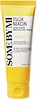
This brightening moisturizer is formulated around Niacinamide and Centella Asiatica Extract to brighten dull-looking skin and fade the look of dark spots.
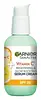
This brightening day moisturizer is formulated around Ascorbyl Glucoside and Capryloyl Salicylic Acid to brighten dull-looking skin and fade the look of dark spots.


What's inside
What's inside
 Key Ingredients
Benefits
Concerns
Ingredients Side-by-side
Citrus Junos Fruit Extract 90%
Skin ConditioningNiacinamide 5%
Smoothing











1,2-Hexanediol
Skin Conditioning
Dipropylene Glycol
HumectantButylene Glycol
Humectant
Water
Skin ConditioningMelaleuca Alternifolia Leaf Water
Antimicrobial
Thuja Orientalis Leaf Extract
Antioxidant
Zanthoxylum Piperitum Fruit Extract
Skin ConditioningPolygonum Cuspidatum Root Extract
Antioxidant
Centella Asiatica Extract
Cleansing
Artemisia Princeps Leaf Extract
Skin ConditioningNelumbo Nucifera Flower Extract
Skin ConditioningCoptis Japonica Extract
AntimicrobialArbutin
Antioxidant
Bisabolol
Antioxidant
Glutathione
Biotin
AntiseborrhoeicAscorbic Acid
Antioxidant
Ascorbyl Glucoside
Antioxidant
Ascorbyl Tetraisopalmitate
Antioxidant

Tocopherol
Antioxidant
Panthenol
Skin Conditioning
Cyanocobalamin
Skin ConditioningMenadione
MaskingMadecassoside
Antioxidant
Madecassic Acid
Skin Conditioning
Asiaticoside
Antioxidant
Asiatic Acid
Skin Conditioning
Arginine
Masking
Adenosine
Skin Conditioning
Ethylhexyl Olivate
Skin Conditioning
Cetearyl Olivate
Sorbitan Olivate
Emulsifying
Polyglyceryl-4 Oleate
Emulsifying
C12-13 Pareth-9
EmulsifyingCarbomer
Emulsion StabilisingAmmonium Acryloyldimethyltaurate/Vp Copolymer
Sodium Acrylates Copolymer
Benzyl Glycol
SolventEthylhexylglycerin
Skin ConditioningRaspberry Ketone
Masking

Citrus Junos Peel Oil
Astringent
Melaleuca Alternifolia Leaf Oil
Antioxidant


Linalool
Perfuming
Limonene
Perfuming
Citrus Junos Fruit Extract 90%, Niacinamide 5%, 1,2-Hexanediol, Dipropylene Glycol, Butylene Glycol, Water, Melaleuca Alternifolia Leaf Water, Thuja Orientalis Leaf Extract, Zanthoxylum Piperitum Fruit Extract, Polygonum Cuspidatum Root Extract, Centella Asiatica Extract, Artemisia Princeps Leaf Extract, Nelumbo Nucifera Flower Extract, Coptis Japonica Extract, Arbutin, Bisabolol, Glutathione, Biotin, Ascorbic Acid, Ascorbyl Glucoside, Ascorbyl Tetraisopalmitate, Tocopherol, Panthenol, Cyanocobalamin, Menadione, Madecassoside, Madecassic Acid, Asiaticoside, Asiatic Acid, Arginine, Adenosine, Ethylhexyl Olivate, Cetearyl Olivate, Sorbitan Olivate, Polyglyceryl-4 Oleate, C12-13 Pareth-9, Carbomer, Ammonium Acryloyldimethyltaurate/Vp Copolymer, Sodium Acrylates Copolymer, Benzyl Glycol, Ethylhexylglycerin, Raspberry Ketone, Citrus Junos Peel Oil, Melaleuca Alternifolia Leaf Oil, Linalool, Limonene
Water
Skin ConditioningGlycerin
Humectant
Ethylhexyl Salicylate
UV Absorber

Dimethicone
Emollient
Phenylbenzimidazole Sulfonic Acid
UV Absorber
Bis-Ethylhexyloxyphenol Methoxyphenyl Triazine
UV Absorber
Triethanolamine
BufferingButyl Methoxydibenzoylmethane
UV Absorber
Octyldodecanol
Emollient
Isopropyl Isostearate
Emollient

Cetyl Alcohol
Emollient
Behenyl Alcohol
Emollient
Citrus Limon Fruit Extract
Masking
Citrus Paradisi Fruit Extract
Skin ConditioningCitrus Grandis Fruit Extract
Astringent
Tin Oxide
Abrasive
Stearic Acid
Cleansing
Titanium Dioxide
Cosmetic Colorant
Cetearyl Alcohol
Emollient
Cetearyl Glucoside
Emulsifying
PEG-100 Stearate
Surfactant
Sodium Hyaluronate
Humectant
Sodium Polyacrylate Starch
AbsorbentSodium Stearoyl Glutamate
CleansingSilica
Abrasive
Myristic Acid
Cleansing
Palmitic Acid
Emollient
Adenosine
Skin Conditioning
Ascorbyl Glucoside
Antioxidant
Hydroxyacetophenone
Antioxidant
Capryloyl Salicylic Acid
Exfoliating
Citric Acid
Buffering
Trisodium Ethylenediamine Disuccinate
Poly C10-30 Alkyl Acrylate
Emulsion StabilisingChlorphenesin
Antimicrobial
Mica
Cosmetic ColorantCI 77891
Cosmetic ColorantLinalool
Perfuming
Geraniol
Perfuming
Limonene
Perfuming
Citronellol
Perfuming
Parfum
Masking
Water, Glycerin, Ethylhexyl Salicylate, Dimethicone, Phenylbenzimidazole Sulfonic Acid, Bis-Ethylhexyloxyphenol Methoxyphenyl Triazine, Triethanolamine, Butyl Methoxydibenzoylmethane, Octyldodecanol, Isopropyl Isostearate, Cetyl Alcohol, Behenyl Alcohol, Citrus Limon Fruit Extract, Citrus Paradisi Fruit Extract, Citrus Grandis Fruit Extract, Tin Oxide, Stearic Acid, Titanium Dioxide, Cetearyl Alcohol, Cetearyl Glucoside, PEG-100 Stearate, Sodium Hyaluronate, Sodium Polyacrylate Starch, Sodium Stearoyl Glutamate, Silica, Myristic Acid, Palmitic Acid, Adenosine, Ascorbyl Glucoside, Hydroxyacetophenone, Capryloyl Salicylic Acid, Citric Acid, Trisodium Ethylenediamine Disuccinate, Poly C10-30 Alkyl Acrylate, Chlorphenesin, Mica, CI 77891, Linalool, Geraniol, Limonene, Citronellol, Parfum
Reviews
Ingredients Explained
These ingredients are found in both products.
Ingredients higher up in an ingredient list are typically present in a larger amount.
Adenosine is a purine nucleoside that your body already makes in every cell. In skincare, it acts mainly as a skin conditioning and anti-aging agent.
The way it works is fairly well mapped out:
Your skin has cells called fibroblasts that build collagen (the stuff that keeps skin firm and smooth). Adenosine basically flips a switch on these cells that tells them to get to work making more collagen and other proteins. These cells slow down on their own as skin ages, so Adenosine helps give them a little nudge to keep going.
The clinical backing is pretty solid too.
A blind, randomized, placebo-controlled trial of 126 women aged 45-65 tested a 0.1% cream twice daily and found real improvements in crow's feet and frown lines using a precise 3D skin-mapping technique; these changes showed up by week 3 and held at 2 months.
A later study using Adenosine-loaded dissolving microneedle patches reported gains in wrinkle depth, dermal density, elasticity, and hydration.
On concentrations, South Korea's Ministry of Food and Drug Safety has set 0.04% as the approved functional anti-wrinkle level. You'll typically see this ingredient used somewhere in the 0.04-0.1% range since it works at low doses.
This ingredient has been found safe for cosmetics with the data showing no irritation or sensitization.
Overall, this is a great ingredient for any anti-aging routine and has no photosensitizing effect, so it suits both AM and PM use.
Learn more about AdenosineAscorbyl Glucoside (AA-2G) is one of the most stable vitamin C derivatives out there.
It's made by attaching a glucose molecule to ascorbic acid; this glucose "cap" shields the vitamin C from air, light, heat, and metal ions that normally cause pure ascorbic acid to oxidize.
Once on your skin, the enzyme alpha-glucosidase snips off the glucose and gradually releases active ascorbic acid right where it's needed. Basically, it behaves like a slow-release pro-vitamin C with less of a stinging that high-strength ascorbic acid can cause.
The research supports the classic vitamin C benefits as well. In lab and human studies, AA-2G slowed down the skin's production of melanin (the pigment behind dark spots) and helped shield skin cells against sun damage better than ascorbyl phosphate.
These studies also showed AA-2G released vitamin C over a longer period.
A frequently cited manufacturer trial found that a 2% AA-2G face cream significantly improved wrinkle depth and skin roughness after 45 days.
And in 2009, a clinical trial showed it meaningfully lightened dark patches on the gums compared to a placebo.
There's also collagen-synthesis support (since vitamin C is a required cofactor for that) and an antioxidant effect too.
Typical usage is usually between 0.5-5% and most studies/products land around 2%.
AA-2G performs best when formulated at a mildly acidic pH (~5-7) which is much gentler than the pH that pure vitamin C demands (~2.5-3.5).
Just one thing worth knowing: the in-skin conversation rate is only about 55-60% by weight. So a 5% AA-2G product delivers roughly 2.75-3% of actual active vitamin C. On top of that, skin absorption is relatively low because the ingredient is water-soluble.
Learn more about Ascorbyl GlucosideLimonene is a fragrance that adds scent and taste to a formulation.
It's found in the peel oil of citrus fruits and other plants such as lavender and eucalyptus. The scent of limonene is generally described as "sweet citrus".
Limonene acts as an antioxidant, meaning it helps neutralize free radicals.
When exposed to air, oxidized limonene may sensitize the skin. Because of this, limonene is often avoided by people with sensitive skin.
The term 'fragrance' is not regulated in many countries. In many cases, it is up to the brand to define this term. For instance, many brands choose to label themselves as "fragrance-free" because they are not using synthetic fragrances. However, their products may still contain ingredients such as essential oils that are considered a fragrance.
Learn more about LimoneneLinalool is a fragrance and helps add scent to products. It's derived from common plants such as cinnamon, mint, citrus, and lavender.
Like Limonene, this ingredient oxidizes when exposed to air. Oxidized linalool can cause allergies and skin sensitivity.
This ingredient has a scent that is floral, spicy tropical, and citrus-like.
Learn more about LinaloolWater. It's the most common cosmetic ingredient of all. You'll usually see it at the top of ingredient lists, meaning that it makes up the largest part of the product.
So why is it so popular? Water most often acts as a solvent - this means that it helps dissolve other ingredients into the formulation.
You'll also recognize water as that liquid we all need to stay alive. If you see this, drink a glass of water. Remember to stay hydrated!
Learn more about Water

