

What's inside
What's inside
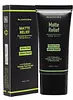 Key Ingredients
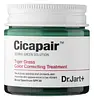
Benefits
Concerns
Ingredients Side-by-side
Water
Skin ConditioningTitanium Dioxide
Cosmetic Colorant

Zinc Oxide
Cosmetic Colorant
Glycerin
Humectant


Isononyl Isononanoate
EmollientPEG-10 Dimethicone
Skin Conditioning
Butylene Glycol
Humectant
Phenyl Trimethicone
Skin Conditioning
Sodium Hyaluronate
Humectant


Punica Granatum Extract
AstringentTriethoxycaprylylsilane
Terminalia Ferdinandiana Fruit Extract
Antioxidant
Niacinamide
Smoothing






Dimethicone
Emollient
Aluminum Hydroxide
EmollientStearic Acid
Cleansing

Olive Oil Polyglyceryl-6 Esters
Emollient
Polyglyceryl-6 Pentaoleate
Emulsifying
Magnesium Sulfate
Camellia Sinensis Leaf Extract
Antimicrobial
Inulin
Skin Conditioning
Phenoxyethanol
Preservative
Squalane
Emollient
Chamomilla Recutita Flower Extract
Masking
PEG-10 Dimethicone/Vinyl Dimethicone Crosspolymer
Stabilising
Polyacrylamide
C13-14 Isoparaffin
Emollient
Laureth-7
EmulsifyingAlpha-Glucan Oligosaccharide
Cleansing
Polymethylsilsesquioxane
Ethylhexylglycerin
Skin ConditioningPotassium Sorbate
Preservative
Sodium Benzoate
Masking
Water, Titanium Dioxide, Zinc Oxide, Glycerin, Isononyl Isononanoate, PEG-10 Dimethicone, Butylene Glycol, Phenyl Trimethicone, Sodium Hyaluronate, Punica Granatum Extract, Triethoxycaprylylsilane, Terminalia Ferdinandiana Fruit Extract, Niacinamide, Dimethicone, Aluminum Hydroxide, Stearic Acid, Olive Oil Polyglyceryl-6 Esters, Polyglyceryl-6 Pentaoleate, Magnesium Sulfate, Camellia Sinensis Leaf Extract, Inulin, Phenoxyethanol, Squalane, Chamomilla Recutita Flower Extract, PEG-10 Dimethicone/Vinyl Dimethicone Crosspolymer, Polyacrylamide, C13-14 Isoparaffin, Laureth-7, Alpha-Glucan Oligosaccharide, Polymethylsilsesquioxane, Ethylhexylglycerin, Potassium Sorbate, Sodium Benzoate
Water
Skin ConditioningCentella Asiatica Leaf Water
Skin Conditioning
Isononyl Isononanoate
EmollientCyclopentasiloxane
Emollient
Butylene Glycol
Humectant
Dimethicone
Emollient
Phenyl Trimethicone
Skin Conditioning
Methyl Methacrylate Crosspolymer
Beeswax
Emulsion Stabilising
Glycerin
Humectant
Diethylhexyl Carbonate
EmollientPolyglyceryl-3 Polyricinoleate
Emulsifying
Niacinamide
Smoothing
Polymethylsilsesquioxane
Cyclohexasiloxane
Emollient
Panthenol
Skin Conditioning
Diglycerin
Humectant
Iron Oxides
Polyglyceryl-4 Diisostearate/Polyhydroxystearate/Sebacate
Emulsifying
Isododecane
EmollientEthylene/Methacrylate Copolymer
Cetearyl Alcohol
Emollient

Polyglyceryl-2 Triisostearate
Emulsifying
Aluminum Hydroxide
EmollientStearic Acid
Cleansing
Disteardimonium Hectorite
StabilisingAcrylates/Ammonium Methacrylate Copolymer
Sclerotium Gum
Emulsion StabilisingSodium Benzoate
Masking
Acrylates/Dimethicone Copolymer
Skin Conditioning
Hydrogen Dimethicone
Chromium Oxide Greens
Triethyl Citrate
Masking
Potassium Sorbate
Preservative
Fragaria Vesca Leaf Extract
AstringentDisodium EDTA
BHT
Antioxidant
Alcohol
Antimicrobial




Asiaticoside
Antioxidant
Adenosine
Skin Conditioning
Triethoxycaprylylsilane
Lavandula Angustifolia Oil
Masking

Boron Nitride
Absorbent
Asiatic Acid
Skin Conditioning
Madecassic Acid
Skin Conditioning
Citrus Grandis Peel Oil
Masking
Rosmarinus Officinalis Leaf Oil
Masking
1,2-Hexanediol
Skin Conditioning
Anthemis Nobilis Flower Oil
Masking
Houttuynia Cordata Extract
Skin Conditioning
Propanediol
Solvent
Centella Asiatica Extract
Cleansing
Gentiana Lutea Root Extract
Skin ConditioningArtemisia Absinthium Extract
Skin ConditioningAchillea Millefolium Extract
CleansingArnica Montana Flower Extract
Masking
Polysorbate 20
Emulsifying
Aniba Rosodora Wood Oil
Astringent
Sodium Glycerophosphate
Selaginella Lepidophylla Extract
EmollientPotassium Magnesium Aspartate
BufferingCitric Acid
Buffering
Calcium Gluconate
HumectantMadecassoside
Antioxidant
Magnesium Gluconate
Skin ConditioningCentella Asiatica Meristem Cell Culture
Antioxidant
Xanthan Gum
EmulsifyingTitanium Dioxide
Cosmetic Colorant
Zinc Oxide
Cosmetic Colorant
Water, Centella Asiatica Leaf Water, Isononyl Isononanoate, Cyclopentasiloxane, Butylene Glycol, Dimethicone, Phenyl Trimethicone, Methyl Methacrylate Crosspolymer, Beeswax, Glycerin, Diethylhexyl Carbonate, Polyglyceryl-3 Polyricinoleate, Niacinamide, Polymethylsilsesquioxane, Cyclohexasiloxane, Panthenol, Diglycerin, Iron Oxides, Polyglyceryl-4 Diisostearate/Polyhydroxystearate/Sebacate, Isododecane, Ethylene/Methacrylate Copolymer, Cetearyl Alcohol, Polyglyceryl-2 Triisostearate, Aluminum Hydroxide, Stearic Acid, Disteardimonium Hectorite, Acrylates/Ammonium Methacrylate Copolymer, Sclerotium Gum, Sodium Benzoate, Acrylates/Dimethicone Copolymer, Hydrogen Dimethicone, Chromium Oxide Greens, Triethyl Citrate, Potassium Sorbate, Fragaria Vesca Leaf Extract, Disodium EDTA, BHT, Alcohol, Asiaticoside, Adenosine, Triethoxycaprylylsilane, Lavandula Angustifolia Oil, Boron Nitride, Asiatic Acid, Madecassic Acid, Citrus Grandis Peel Oil, Rosmarinus Officinalis Leaf Oil, 1,2-Hexanediol, Anthemis Nobilis Flower Oil, Houttuynia Cordata Extract, Propanediol, Centella Asiatica Extract, Gentiana Lutea Root Extract, Artemisia Absinthium Extract, Achillea Millefolium Extract, Arnica Montana Flower Extract, Polysorbate 20, Aniba Rosodora Wood Oil, Sodium Glycerophosphate, Selaginella Lepidophylla Extract, Potassium Magnesium Aspartate, Citric Acid, Calcium Gluconate, Madecassoside, Magnesium Gluconate, Centella Asiatica Meristem Cell Culture, Xanthan Gum, Titanium Dioxide, Zinc Oxide
Reviews
Ingredients Explained
These ingredients are found in both products.
Ingredients higher up in an ingredient list are typically present in a larger amount.
Aluminum Hydroxide is a form of aluminum. It can be naturally found in nature as the mineral gibbsite. In cosmetics, Aluminum Hydroxide is used as a colorant, pH adjuster, and absorbent.
As a colorant, Aluminum Hydroxide may add opacity, or reduce the transparency. Aluminum hydroxide is contains both basic and acidic properties.
According to manufacturers, this ingredient is an emollient and humectant. This means it helps hydrate the skin.
In medicine, this ingredient is used to help relieve heartburn and help heal ulcers.
There is currently no credible scientific evidence linking aluminum hydroxide in cosmetics to increased cancer risk.
Major health organizations allow the use of aluminum hydroxide in personal care products and have not flagged it as a carcinogenic risk at typical usage levels.
Learn more about Aluminum HydroxideButylene Glycol (or BG) is used within cosmetic products for a few different reasons:
Overall, Butylene Glycol is a safe and well-rounded ingredient that works well with other ingredients.
Though this ingredient works well with most skin types, some people with sensitive skin may experience a reaction such as allergic rashes, closed comedones, or itchiness.
Learn more about Butylene GlycolDimethicone is a type of synthetic silicone created from natural materials such as quartz. It is also known as polydimethylsiloxane.
What it does:
Dimethicone comes in different viscosities:
Depending on the viscosity, dimethicone has different properties.
Ingredients lists don't always show which type is used, so we recommend reaching out to the brand if you have questions about the viscosity.
This ingredient is unlikely to cause irritation because it does not get absorbed into skin. However, people with silicone allergies should be careful about using this ingredient.
Note: Dimethicone may contribute to pilling. This is because it is not oil or water soluble, so pilling may occur when layered with products. When mixed with heavy oils in a formula, the outcome is also quite greasy.
Learn more about DimethiconeGlycerin (or glycerol) is a compound naturally found in your skin. It's a powerhouse humectant that pulls water into the stratum corneum.
Topically, glycerin does several things at once:
Your skin makes glycerin on its own (mostly from sebaceous oil breakdown) and shuttles it to your outermost layer of skin, or your epidermis, via aquaporin-3.
Aquaporin-3 is a transporter that is essential for normal skin hydration, elasticity, and repair. Interestingly, mice lacking in AQP3 have dry and less elastic skin that can be fully corrected with glycerin.
This ingredient is non-irritating, plays well with almost every ingredient, and works across all skin types. Typical use is anywhere between 3-10% but can go up to 79% in some leave-on products.
Just know very high concentrations (>40%) can feel tacky in low humidity.
Glycerin is the name for this ingredient in American English. British English uses Glycerol/Glycerine.
Learn more about GlycerinIsononyl Isononanoate is a synthetic skin-conditioner and texture enhancer. It is created from nonanoic acid, a fatty acid found in cocoa and lavender oil.
As an emollient, Isononyl Isononanoate helps keep your skin soft and smooth. This is because emollients create a barrier on the skin to trap moisture in.
Isononyl Isononanoate helps give products a velvet feel and improves spreadability.
Learn more about Isononyl IsononanoateNiacinamide is a multitasking form of vitamin B3 that strengthens the skin barrier, reduces pores and dark spots, regulates oil, and improves signs of aging.
And the best part? It's gentle and well-tolerated by most skin types, including sensitive and reactive skin.
You might have heard of "niacin flush", or the reddening of skin that causes itchiness. Niacinamide has not been found to cause this.
In very rare cases, some individuals may not be able to tolerate niacinamide at all or experience an allergic reaction to it.
If you are experiencing flaking, irritation, and dryness with this ingredient, be sure to double check all your products as this ingredient can be found in all categories of skincare.
When incorporating niacinamide into your routine, look out for concentration amounts. Typically, 5% niacinamide provides benefits such as fading dark spots. However, if you have sensitive skin, it is better to begin with a smaller concentration.
When you apply niacinamide to your skin, your body converts it into nicotinamide adenine dinucleotide (NAD). NAD is an essential coenzyme that is already found in your cells as "fuel" and powers countless biological processes.
In your skin, NAD helps repair cell damage, produce new healthy cells, support collagen production, strengthen the skin barrier, and fight environmental stressors (like UV and pollution).
Our natural NAD levels start to decline with age, leading to slower skin repair, visible aging, and a weaker skin barrier. By providing your skin niacinamide, you're recharging your skin's NAD levels. This leads to stronger, healthier, and younger looking skin.
Another name for vitamin B3 is nicotinamide. This vitamin is water-soluble and our bodies don't store it. We obtain Vitamin B3 from either food or skincare. Meat, fish, wheat, yeast, and leafy greens contain vitamin B3.
The type of niacinamide used in skincare is synthetically created.
Learn more about NiacinamidePhenyl Trimethicone is a silicon-based polymer. It is derived from silica.
Phenyl Trimethicone is used as an emollient and prevents products from foaming.
As an emollient, it helps trap moisture in the skin. It is considered an occlusive.
Learn more about Phenyl TrimethiconePolymethylsilsesquioxane is a silicone used as a film forming agent.
When applied to the skin, this ingredient creates an invisible film on the surface. This film still allows oxygen to pass through, but prevents moisture from escaping. This can help condition and hydrate the skin. It also leaves a silky feel when applied.
Polymethylsilsesquioxane has not been shown to clog pores. It has been deemed safe to use up to 55%, but most cosmetics use much less.
If you have concerns about using this ingredient, we recommend speaking with a professional.
Learn more about PolymethylsilsesquioxanePotassium Sorbate is a preservative used to prevent yeast and mold in products. It is commonly found in both cosmetic and food products.
This ingredient comes from potassium salt derived from sorbic acid. Sorbic acid is a natural antibiotic and effective against fungus.
Both potassium sorbate and sorbic acid can be found in baked goods, cheeses, dried meats, dried fruit, ice cream, pickles, wine, yogurt, and more.
You'll often find this ingredient used with other preservatives.
Learn more about Potassium SorbateSodium Benzoate is a preservative. It's used in both cosmetic and food products to inhibit the growth of mold and bacteria. It is typically produced synthetically.
Both the US FDA and EU Health Committee have approved the use of sodium benzoate. In the US, levels of 0.1% (of the total product) are allowed.
Sodium benzoate works as a preservative by inhibiting the growth of bacteria inside of cells. It prevents the cell from fermenting a type of sugar using an enzyme called phosphofructokinase.
It is the salt of benzoic acid. Foods containing sodium benzoate include soda, salad dressings, condiments, fruit juices, wines, and snack foods.
Studies for using ascorbic acid and sodium benzoate in cosmetics are lacking, especially in skincare routines with multiple steps.
We always recommend speaking with a professional, such as a dermatologist, if you have any concerns.
Learn more about Sodium BenzoateStearic Acid is a fatty acid that is already found in your skin. It's one of the free fatty acids that works alongside ceramides and cholesterols to maintain your barrier.
In cosmetics, it is a multitasker:
Safety-wise, the CIR Expert Panel has concluded it to be safe in cosmetics when formulated to be non-irritating and non-sensitizing.
Free stearic acid is a C18 fatty acid that the Malassezia yeast can substrate, so this ingredient may not be fungal acne safe.
Learn more about Stearic AcidTitanium dioxide is a mineral UV filter widely used in sunscreens and cosmetics.
It is one of only two UV filters officially classified as “mineral” by regulatory agencies, the other being zinc oxide.
Titanium dioxide provides broad-spectrum protection mostly in the UVB and UVAII range, with some protection in the UVAI range.
While its UVA protection isn’t as strong as zinc oxide’s, the difference is minor.
A common myth is that mineral UV filters reflect UV light. However, modern research shows titanium dioxide absorbs UV radiation like chemical filters (~95% absorption & 5% reflection).
Thanks to its non-irritating nature, titanium dioxide is suitable for sensitive, acne-prone, or redness-prone skin. It is unlikely to cause "eye sting" like other sunscreen ingredients.
A major drawback of this ingredient is its white cast and thick texture. This is why mineral sunscreens often leave a white cast and are less cosmetically elegant than chemical/hybrid sunscreens.
To improve white cast and spreadability, micronized or nano-sized titanium dioxide is often used.
There are ongoing concerns surrounding nano-titanium oxide's impact on marine ecosystems.
There is no conclusive evidence that any form of titanium oxide (or any other sunscreen ingredients) will cause harm to marine ecosystems or coral reefs. The science is still developing but many consumers are keeping a close eye on this issue.
Please note, many destinations have reef-safety sunscreen rules. For instance, the U.S. Virgin Islands advises all visitors to use non-nano mineral sunscreens.
Nano mineral sunscreens once raised safety concerns about absorption into skin.
Extensive research has shown that they do not penetrate healthy or damaged skin; they remain safely on the surface and the top layer of dead skin (stratum corneum).
You'll likely find titanium dioxide bundled with alumina, silica, or dimethicone. These ingredients help make titanium dioxide highly photostable; this prevents it from interacting with other formula components under UV light.
Learn more about Titanium DioxideTriethoxycaprylylsilane is a silicon-based surface modifier that makes sunscreens feel silky and makeup stay put.
Its main job is to coat mineral particles like titanium dioxide, zinc oxide, and color pigments in a thin, oily layer so they spread smoothly, don't clump, and stick to skin better.
This ingredient is typically used at low levels (up to 2.5% in eyeshadow and 1% in lipstick).
Learn more about TriethoxycaprylylsilaneWater. It's the most common cosmetic ingredient of all. You'll usually see it at the top of ingredient lists, meaning that it makes up the largest part of the product.
So why is it so popular? Water most often acts as a solvent - this means that it helps dissolve other ingredients into the formulation.
You'll also recognize water as that liquid we all need to stay alive. If you see this, drink a glass of water. Remember to stay hydrated!
Learn more about WaterZinc Oxide is a mineral broad-spectrum UV filter; it is the broadest UVA and UVB reflector approved by the FDA. It also has skin protectant and skin soothing properties.
Zinc oxide is one of the most effective broad-spectrum UV filters. It protects against UVB, UVAII, and UVAI. In comparison to its counterpart titanium dioxide, zinc oxide provides uniform and extended UVA protection.
Another great benefit? This ingredient is highly photostable so it won't degrade easily under sunlight.
A common myth is that mineral UV filters are widely believed to primarily reflect UV light.
However, modern research shows titanium dioxide absorbs UV radiation like chemical filters (~95% absorption & 5% reflection).
Zinc oxide has great skin soothing properties so you'll likely find this in sunscreens formulated for sensitive skin or babies/children. It is unlikely to cause "eye sting" like other sunscreen ingredients.
Regulatory agencies consider zinc oxide to be non-toxic and safe. It has also been shown to not penetrate the skin.
Unfortunately, this ingredient does leave a visible white cast. This is why mineral sunscreens are often less cosmetically elegant than chemical or hybrid ones.
In cosmetics, zinc oxide can be found in both non-nano and nano-sized forms. The nano version is used to reduce white cast and improve the texture of sunscreen formulas.
There are ongoing concerns surrounding nano-zinc oxide's impact on marine ecosystems and whether it can be absorbed into skin.
Regarding marine ecosystems and coral reefs, there is no conclusive evidence that any form of zinc oxide (or any other sunscreen ingredients) will cause harm. The science is still developing but many consumers are keeping a close eye on this issue.
Please note, many destinations have reef-safety sunscreen rules. For instance, the U.S. Virgin Islands advises all visitors to use non-nano mineral sunscreens.
There has also been some stir about whether micronized or nano zinc oxide has potential photoxicity and absorption through the skin/lungs.
An in-vitro (done in a test tube or petri dish) study demonstrated micronized zinc oxide to have potential phototoxicity. There's no need to fret; the EU Commission's Scientific Committee on Consumer Safety has stated, "The relevance of these findings needs to be clarified by appropriate investigations in vivo." Or in other words, further studies done on living organisms are needed to prove this.
Current research shows zinc oxide nanoparticles do not penetrate intact or sunburned skin. They either remain on the surface or in the outermost layer of dead skin (stratum corneum).
Zinc oxide is one of only two classified mineral UV filters with titanium dioxide being the other one.
Fun fact: Zinc has been used throughout history as an ingredient in paint and medicine. An Indian text from 500BC is believed to list zinc oxide as a salve for open wound. The Ancient Greek physician Dioscorides has also mentioned the use of zinc as an ointment in 1AD.
Learn more about Zinc Oxide
